
 By Evan Lee Salim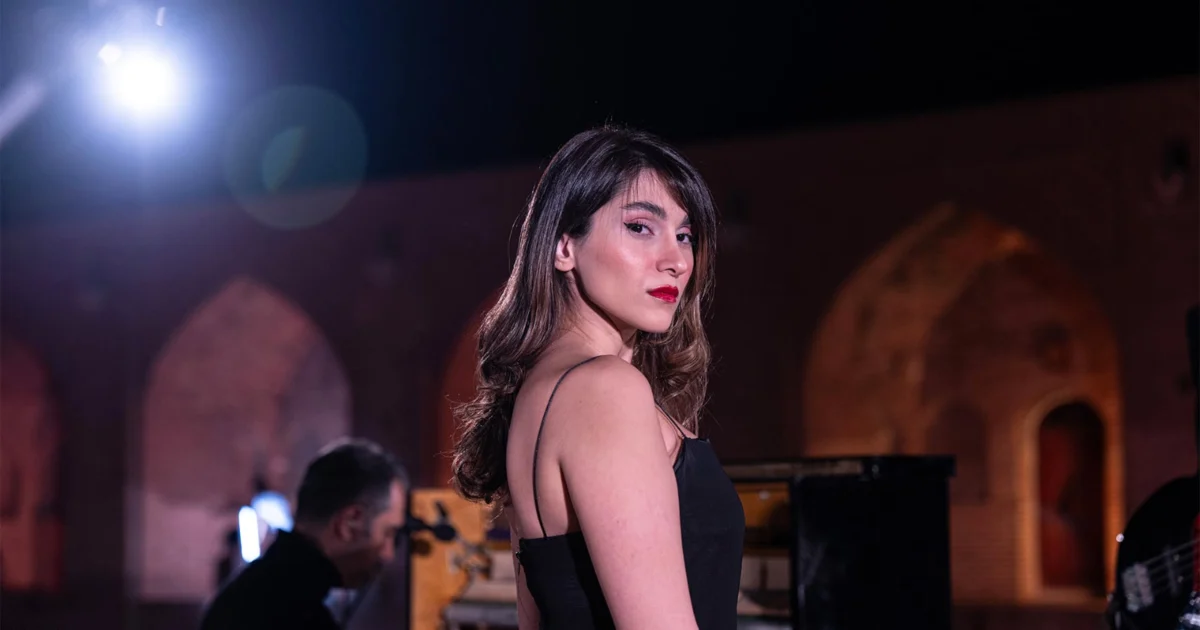
In an escalating crackdown on artistic expression within the Islamic Republic of Iran, internationally acclaimed documentary photographer Tahmineh Monzavi has been sentenced to 74 lashes, a two-year travel ban, and a strict prohibition on all artistic activity. The sentencing, which has sent shockwaves through the global human rights and arts communities, stems from Monzavi’s decision to document a prohibited musical performance by dissident singer Parastoo Ahmadi in late 2024.
This judicial action represents not merely an attack on an individual artist, but a systemic attempt to silence the visual record of Iran’s ongoing internal struggle for civil liberties. For Monzavi, whose career has been defined by her commitment to exposing the lives of the marginalized in Tehran, this latest ordeal is a harrowing continuation of a decade-long battle against state-sanctioned censorship.
A Chronicle of Dissent: From Performance to Prosecution
The genesis of this legal crisis lies in a December 2024 concert that was never meant to be a political manifesto, yet inevitably became one. Parastoo Ahmadi, a singer well-known in Iranian dissident circles, organized a performance in Tehran that was livestreamed to a global audience via YouTube.
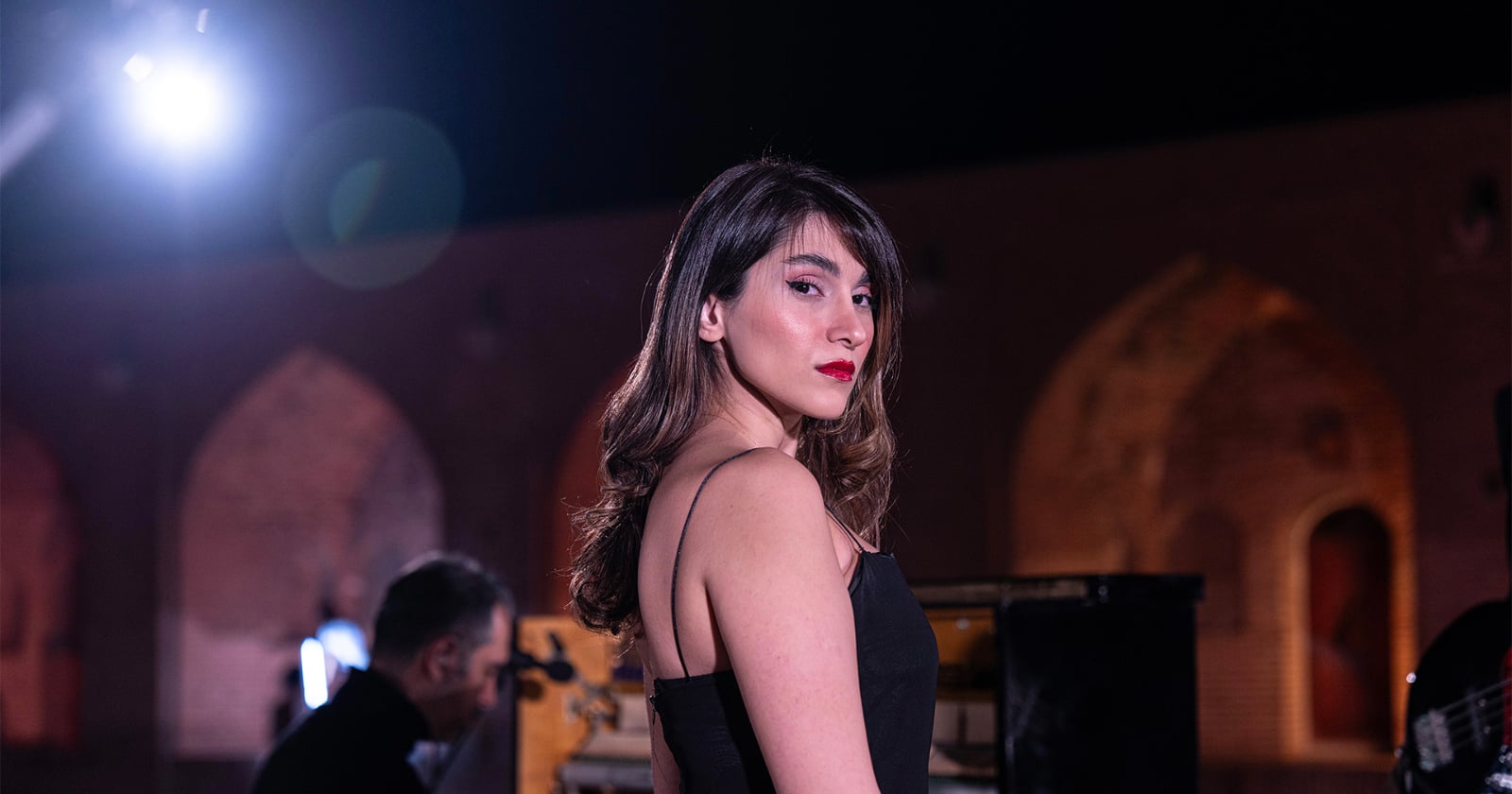
The performance featured the song Az Khoone Javanane Vatan ("From the Blood of the Youth of the Homeland"), a deeply patriotic and historically charged anthem often associated with calls for reform and justice in Iran. The act of defiance was two-fold: the choice of song itself, and the fact that Ahmadi performed without the mandatory hijab. Monzavi, present to document the event, captured the raw, vulnerable, and defiant imagery of the evening. One particular portrait—a striking shot of the singer in a black dress, hair uncovered, looking over her shoulder—would later be exhibited at the prestigious Photo London, effectively thrusting the reality of Iranian artistic suppression onto a global stage.
The Timeline of the Crackdown
- December 2024: The performance is held in Tehran and livestreamed. It rapidly gains viral status, drawing the attention of state authorities.
- January 2025: Parastoo Ahmadi and several participating musicians are detained by security forces. While they are eventually released, the legal machinery against the production team begins to churn.
- Mid-2025: Investigations into the concert broaden. Authorities focus on the documentation of the event, targeting the individuals responsible for filming and photography.
- July 2026: Reports emerge confirming that Tahmineh Monzavi has been formally charged with "offending public decency" and the "publication of vulgar and immoral content online." The court hands down the sentence: 74 lashes, a two-year travel ban, and a two-year ban on practicing photography.
The Brutality of the Sentence: Legalized Violence
The sentence of 74 lashes is not a symbolic gesture; it is a brutal, physical punishment carried out using a three-foot whip. Human rights organizations have long categorized such floggings as forms of torture. Reports from victims who have endured such sentences in the past describe an intensity of pain so profound that it is common for the accused to lose consciousness after only a few strikes.
The state’s justification for this punishment rests on the vague and broadly interpreted charges of "offending public decency." By categorizing the documentation of a woman singing without a headscarf as "vulgar and immoral," the Iranian judiciary effectively criminalizes the act of observation. The state is not merely penalizing the singer for her performance; it is punishing the photographer for providing the evidence that such resistance exists.
A Career Defined by Courage
Tahmineh Monzavi is no stranger to the heavy hand of the Iranian regime. Her career has been marked by a persistent, quiet bravery that has consistently put her in the crosshairs of the authorities.
In 2012, Monzavi was arrested and imprisoned for her work documenting the lives of drug users and sex workers in the impoverished outskirts of Tehran. Her photographic essays, which sought to bring dignity and visibility to the "forgotten" populations of the capital, were labeled "dangerous to society." That arrest led to a month of solitary confinement, an experience that left deep psychological scars. Following her release, the trauma was so acute that she famously stepped away from her camera for two years, questioning whether the cost of her work was too high.
However, the compulsion to document the truth proved stronger than her fear. Her return to the field, and her subsequent role in recording the 2024 concert, underscores a fundamental truth about her character: she views her camera not as a hobby, but as a moral instrument.
"No One Can Separate Me From Photography"
Despite the looming threat of the lash and the severe restrictions placed upon her life, Monzavi remains defiant. In a recent statement to The New World, she articulated the philosophy that drives her to continue despite the state’s efforts to silence her.
"No one can separate me from photography," she stated. "I want people to understand what we are feeling."
For Monzavi, the personal cost is secondary to the collective memory of the nation. She speaks with reverence for the younger generation of Iranians who have taken to the streets, often facing death for their dissent. "Many young girls paid their blood for us. They didn’t think that they would be killed in the street. It is a horrible, horrible business, but their spirit will survive. They are strong."
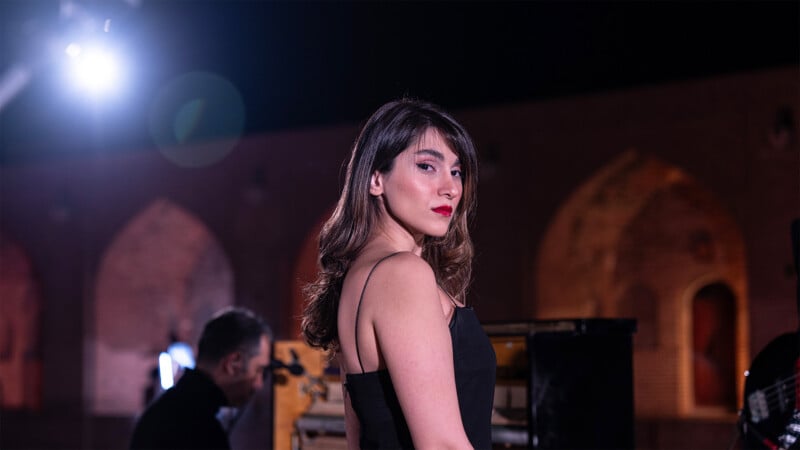
Her commitment is a testament to the role of the artist as an archivist of history. By capturing the image of the uncovered woman, Monzavi has ensured that the moment—and the spirit behind it—cannot be erased by a judicial decree.
Implications for Global Artistic Freedom
The case of Tahmineh Monzavi has triggered a wave of condemnation from international press freedom groups and artistic institutions. The incident highlights the precarious nature of documentary photography in authoritarian states, where the act of pressing a shutter button is viewed as an act of political subversion.
The "Chilling Effect"
The primary implication of this sentencing is the "chilling effect" it creates for other artists within Iran. When a photographer of Monzavi’s international standing is subject to such severe physical and professional punishment, it serves as a warning to younger, less established photographers. The state’s goal is to render the internal realities of Iran invisible to the outside world, creating a vacuum of information where only the state-sanctioned narrative can exist.
The Global Response
International galleries and museums, including those that have featured Monzavi’s work, are now faced with the challenge of how to protect their contributors. The situation has reignited debates about the responsibility of the international art community to provide sanctuary or advocacy for artists under fire. As Monzavi’s images continue to circulate in global exhibitions, the irony of her imprisonment remains stark: the world is looking at her work, while she is being punished for the very act of creating it.
Conclusion: The Persistence of the Image
The sentence against Tahmineh Monzavi is a desperate act of a regime that recognizes the power of the image. It is an acknowledgment that in the modern era, a single photograph of a woman singing without a hijab carries more weight than a thousand state-issued proclamations.
While the physical toll on Monzavi is devastating, her words and her body of work suggest that the authorities have failed in their primary objective. They have failed to separate her from her art, and they have failed to erase the images of resistance she has captured. As she continues to navigate the restrictive reality of her life in Tehran, her story serves as a poignant reminder that while the state may control the whip, it cannot control the truth that a photographer reveals. The archive she has built—the faces of the marginalized, the quiet dignity of the dissident, and the vibrant, uncovered spirit of Iran—remains, and in that, she has already won a victory the authorities cannot undo.
 Raul Delapena Setiawan
  rifanmuazin
  Ammar Sabilarrohman