
 By Laily UPN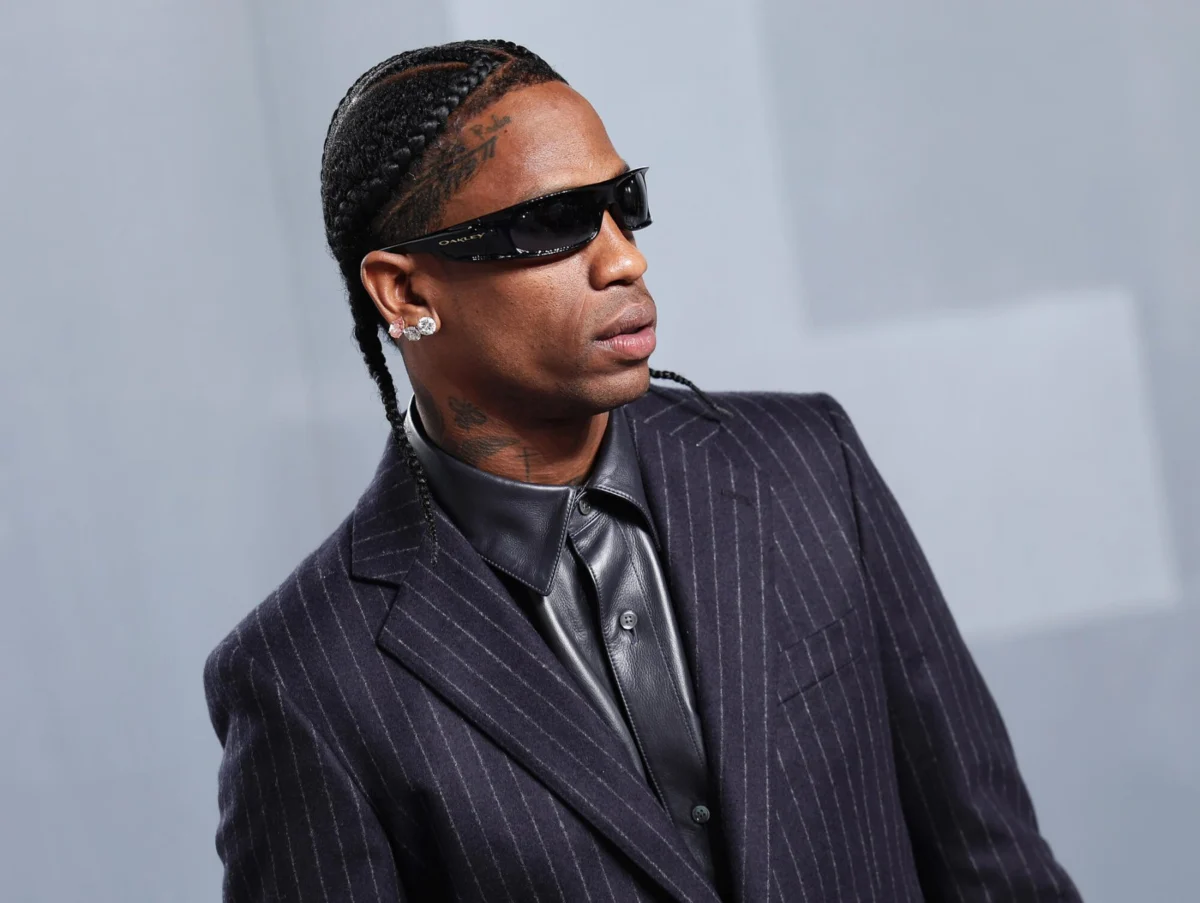
Travis Scott, the Houston-born multi-hyphenate, is currently standing at the precipice of a profound creative metamorphosis. Following his critically acclaimed performance in Christopher Nolan’s The Odyssey, the artist—famously known to his legion of fans as "La Flame"—is moving beyond the boundaries of traditional hip-hop. In a wide-ranging interview with Variety, Scott articulated a vision that transcends the recording booth, signaling a transition into film, theater, and large-scale experiential art.
As Scott balances the production of his next studio album with a landmark first-look deal at Paramount Pictures, the industry is watching closely. The artist is not merely seeking a change of pace; he is attempting to fundamentally redefine what it means to be a global superstar in the digital age.
The Main Facts: A Dual-Track Expansion
The most significant news emerging from Scott’s latest media cycle is the solidification of his creative partnership with Paramount Pictures. Through his Cactus Jack label and production imprint, Scott has secured a first-look agreement that grants him the infrastructure to develop projects spanning film, television, live theater, and multi-media entertainment.
This business move aligns with his burgeoning career as a film actor. His role in Christopher Nolan’s The Odyssey has garnered significant buzz, serving as the latest entry in a series of "side quests"—a term Scott uses to describe his ventures into fashion, design, and cinema—that complement, rather than distract from, his musical core.
Simultaneously, Scott is deep in the studio, crafting the follow-up to his 2023 magnum opus, Utopia. While the details remain guarded, Scott has described the project as a sonic evolution, one that draws from a eclectic list of influences including Parliament, Oasis, Van Halen, and Daft Punk.
Chronology: From ‘Utopia’ to the Silver Screen
To understand where Travis Scott is going, one must examine the trajectory of his recent past.
- July 2023: Scott releases Utopia, his fourth studio album. The record dominates the Billboard 200, debuting at No. 1 with a staggering 496,000 equivalent album units in its first week. It becomes a cultural phenomenon, signaling a shift in sound that leans into psychedelic, industrial, and avant-garde production.
- February 2024: Utopia receives a nomination for Best Rap Album at the 66th Annual Grammy Awards. Despite its commercial and critical impact, the award goes to Killer Mike’s Michael, leaving Scott without a golden gramophone—a void he has been vocal about filling.
- Early 2026: Scott begins his transition into serious film work, culminating in his collaboration with James Blake and Ludwig Göransson on the track "When I’m Home," which features prominently in the closing credits of The Odyssey.
- July 2026: Scott officially announces the first-look deal with Paramount Pictures, signaling his intent to pivot toward long-form visual storytelling and theatrical production.
Supporting Data: The Scale of ‘Utopia’ and Beyond
The sheer scale of Scott’s influence is best measured by the numbers. According to Luminate, Utopia was one of the most successful commercial endeavors of 2023, reinforcing the idea that Scott occupies a rare tier of superstardom where commercial viability meets experimental risk-taking.
However, Scott is now looking beyond album-equivalent units. His focus has shifted toward "theater-aspect" performances. He is currently obsessing over the physics of his live shows: how to bridge the gap between the person in the front row and the fan at the very back of the stadium. This obsession with the "theatrical experience" is a direct carry-over from his Utopia era, which he revealed was originally conceived as a play.
His current musical influences reflect this ambition. By citing the funk-fusion of Parliament, the Brit-pop anthemic quality of Oasis, and the electronic pioneers Daft Punk, Scott is signaling that his next record will likely move further away from traditional trap tropes and toward a genre-blurring, stadium-ready soundscape.
Official Responses and Industry Sentiment
The industry’s reception to Scott’s pivot has been overwhelmingly positive, particularly from those within the film establishment. Josh Greenstein, co-chair of Paramount Pictures, offered rare insight into the partnership during his interview with Variety.
"Creativity emanates from every pore of his body," Greenstein remarked, noting that their professional bond was forged through a shared appreciation for the cult-classic film The Warriors. "From the way he dresses to the cars to the music to his taste in film, it’s all part of a cohesive vision."
This validation from a major studio executive suggests that Scott’s transition is not being viewed as a "celebrity vanity project," but as a legitimate entry into the creative production space. The deal with Paramount is designed to leverage Scott’s unique aesthetic sensibilities—the same ones that have made him a powerhouse in the fashion and streetwear worlds—and apply them to narrative cinema.
Implications: The Quest for the EGOT and Beyond
Perhaps the most striking takeaway from Scott’s recent discourse is his unabashed pursuit of legacy. With ten Grammy nominations behind him and no wins, he has been candid about his desire for formal recognition from the Recording Academy. Yet, he is now widening the scope of his ambition to include the Academy Awards.
"I still need a Grammy, but I would love to take home an Oscar," Scott stated. "That’d be cool. I like to set goals, and I just want to achieve them."
This dual-pronged pursuit of music and film awards suggests that Scott is in a "legacy building" phase of his career. He is acutely aware that the digital era threatens to commodify art into transient, disposable streams. By moving into theater and cinema, he is attempting to create "true experiences"—physical, lasting monuments to his art that exist beyond the flickering screen of a smartphone.
The Challenge of the Next Record
As Scott works on his forthcoming album, the pressure is immense. He is tasked with following up Utopia, an album that defined the sound of 2023. His strategy, as he describes it, is to "double down" on sonics that challenge the listener.
"I’m working on an album right now, and that’s f—king amazing," he told Variety. "I’m constantly pushing myself to push the sonics to try to make something that I haven’t made before."
Redefining the Live Experience
Perhaps the most ambitious aspect of his current plan is the desire to move away from the "digital-first" reality of modern music. Scott is actively looking for ways to integrate the stage design, the narrative of his films, and the atmosphere of his concerts into one singular, immersive experience.
Whether he succeeds in bringing the "theater aspect" to his upcoming tour remains to be seen, but the intent is clear: Travis Scott no longer wants to be just a rapper. He wants to be an architect of culture, a creator who builds worlds as much as he builds beats.
As the industry waits for the next drop, one thing is certain: La Flame has successfully shifted the narrative from "what will he do next?" to "how will he change the landscape?" With the backing of a major studio and a clear, focused creative vision, the next chapter of the Travis Scott saga promises to be his most expansive yet. Whether it culminates in an Oscar, a Grammy, or simply a new way to experience art, the world will be watching.
 Lina Irawan
  Lina Hope
  Siti Muinah