
 By Muslim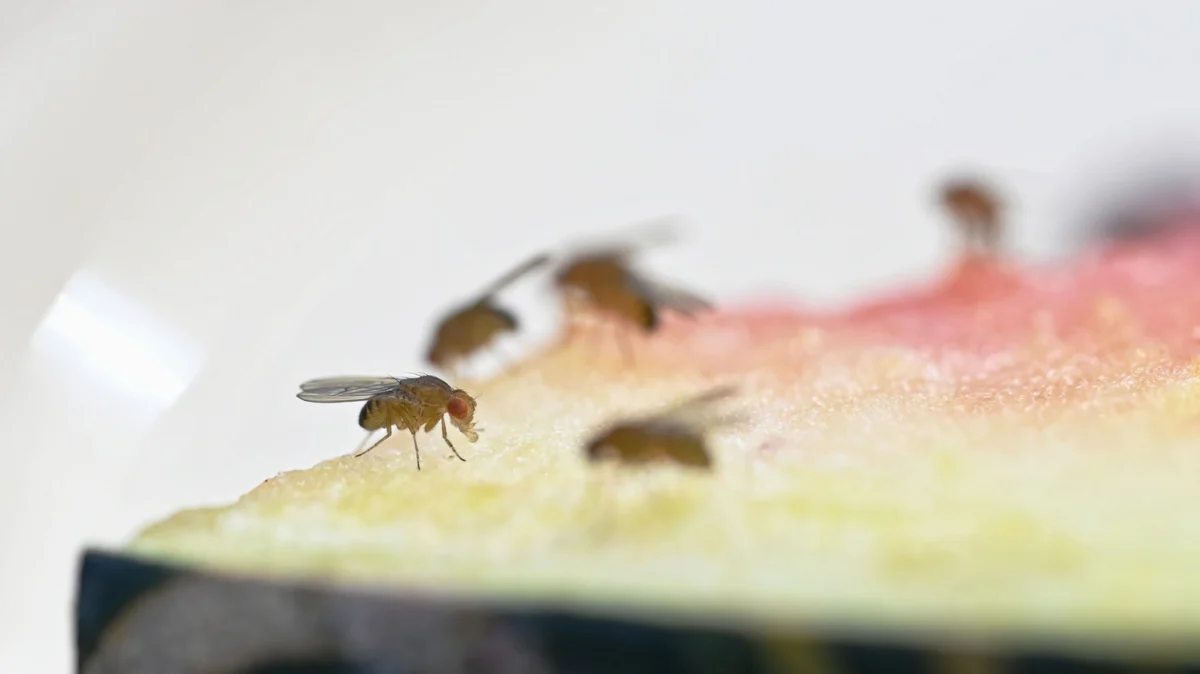
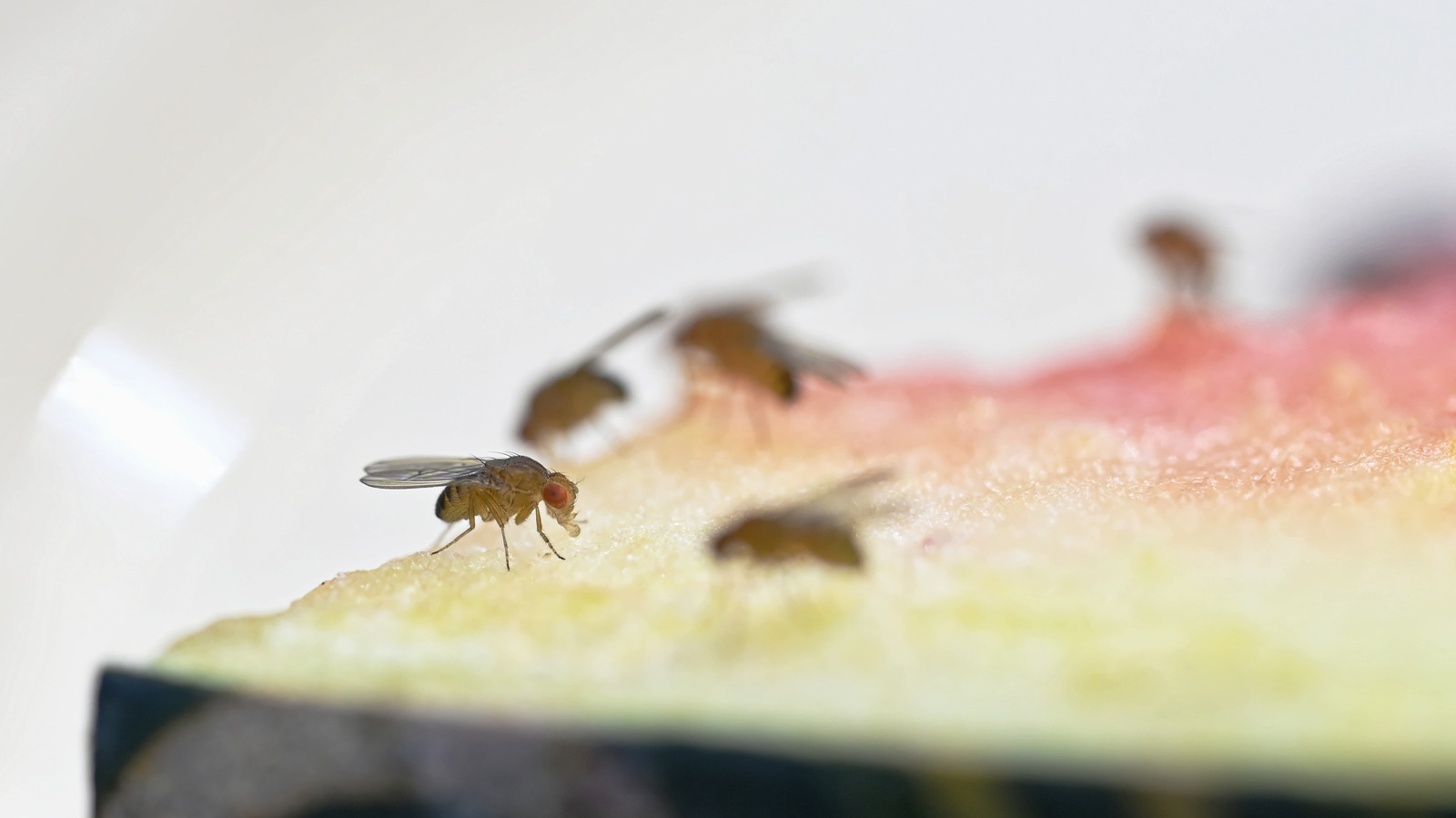
While fruit flies (Drosophila melanogaster) are often dismissed as a minor nuisance, their presence in the home can be a frustrating and persistent challenge. These tiny insects, characterized by their rapid reproductive cycles and attraction to fermenting organic matter, can quickly transform a clean kitchen into a breeding ground. Although scientific consensus suggests they are not significant vectors for human disease, their ability to contaminate food surfaces and their sheer numbers make them an unwelcome guest in any household.
To effectively mitigate a fruit fly infestation, homeowners must move beyond basic traps and address the systemic issues—specifically, the often-overlooked maintenance of waste management systems and drainage architecture.
The Biological Context: Why Your Kitchen is the Perfect Habitat
To combat fruit flies, one must understand their biology. Fruit flies are drawn to the scent of fermentation. This biological imperative leads them to overripe produce, but also to any source of decaying organic material.
The Lifecycle of the Invader
A single female fruit fly can lay up to 500 eggs at a time. These eggs are microscopic and are frequently introduced into the home on the surface of store-bought produce. Even after thorough washing, some eggs may persist. Within 24 to 30 hours, these eggs hatch into larvae, which then feed on the fermenting sugars of the host material. Within a week, the lifecycle completes, leading to an exponential increase in the population if the environment remains undisturbed.
Part I: The Overlooked Role of Waste Management
The most common point of failure in fruit fly control is the garbage and recycling bin. Many homeowners treat these bins as passive receptacles, ignoring the invisible residue that collects within them.
Rethinking Waste Hygiene
The name "fruit fly" is somewhat misleading; these insects are not exclusively attracted to fruit. They are opportunists that thrive on the sugars and yeasts found in spilled soda, residue on discarded aluminum cans, and bits of food clinging to plastic packaging.
Key Mitigation Strategies:
- The Rinse Protocol: Every item placed in a recycling bin must be rinsed thoroughly. A small amount of residual yogurt or juice at the bottom of a container is enough to provide a buffet for a colony of flies.
- Airtight Disposal: During peak summer months, when temperatures accelerate the fermentation process and shorten the lifecycle of the fly, organic waste should be kept in airtight containers before being taken to the exterior bin.
- Sanitizing the Receptacle: The bin itself is often the primary culprit. Even with a garbage bag, liquids leak. Regularly washing the interior of the bin with hot, soapy water is essential. Following this with an antibacterial spray ensures that no organic biofilm—a sticky layer of bacteria and food particles—remains to support future generations of larvae.
Part II: The Sink and Drain – The Hidden Breeding Grounds
If you have sanitized your produce and cleaned your bins, yet the flies persist, the issue is likely subterranean—hidden within your plumbing.
The Sink as a Micro-Ecosystem
The sink is the most overlooked harbor for fruit flies. As dishes are washed, fine particles of food are rinsed down the drain. While much of this material washes away, some adheres to the underside of the drain stopper and the interior walls of the disposal and pipe system. This creates a moist, protected, and nutrient-rich environment ideal for breeding.
Diagnostic Testing
To confirm if your sink is the source of the infestation, perform the "Plastic Wrap Test."
- Cover the drain opening with clear plastic wrap, securing it with a rubber band.
- Poke a few small holes in the plastic.
- Leave it overnight.
If, by morning, you find flies trapped beneath the plastic, you have successfully identified your breeding ground.
Effective Cleaning Protocols
- Boiling Water: Pouring boiling water down the drain can destroy eggs and larvae that are clinging to the pipe walls.
- The Dish Soap Hack: Dish soap is an effective surfactant that can cut through the grease traps where food particles reside. By coating the drain with soap and following it with boiling water, you effectively strip the pipe walls of the biofilm that flies rely on.
- Disposal Maintenance: Garbage disposals require more than just a rinse. The "Ice and Lemon" method is highly effective: a handful of ice cubes, paired with half a lemon, provides both the abrasive scouring needed to clean the disposal blades and the acidic, citrus-scented finish that discourages future activity.
Part III: Implications for Home Health and Hygiene
While the presence of fruit flies is often viewed through the lens of aesthetic irritation, there are broader implications for home hygiene.
The Myth of Disease Transmission
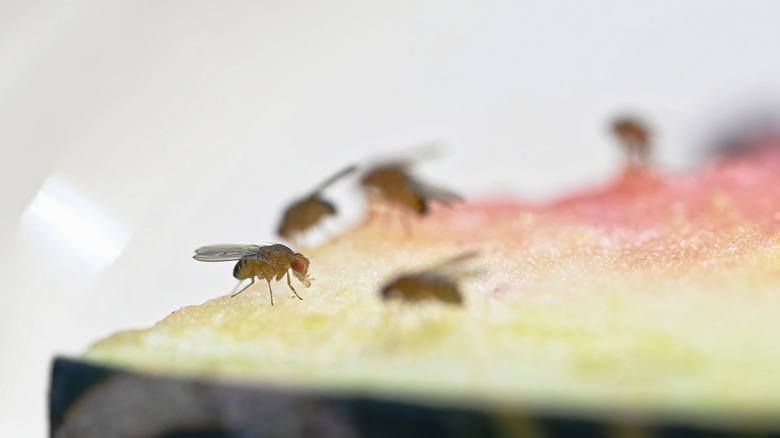
It is important to clarify that, unlike house flies which land on feces and waste before landing on human food, fruit flies are generally associated with the fermentation process of plant matter. Current scientific literature does not categorize them as major vectors for pathogens like Salmonella or E. coli. However, their presence is a clear indicator of poor sanitation practices.
The Domino Effect of Neglect
When fruit flies are allowed to establish a colony, the "creep" of organic decay can accelerate. A kitchen with a minor fruit fly problem is a kitchen that likely has hidden food residues. Over time, these residues can lead to mold growth and the attraction of more problematic pests, such as cockroaches or rodents, which are proven vectors for disease. Therefore, controlling fruit flies is an essential part of a broader, proactive home maintenance strategy.
Part IV: Chronology of an Effective Control Campaign
To eliminate an infestation, one must follow a structured, chronological approach rather than relying on sporadic cleaning.
- Day 1: The Purge. Remove all overripe produce. Inspect the pantry for forgotten potatoes or onions, which are common, hidden hosts.
- Day 2: Deep Cleaning. Sanitize all trash and recycling bins. Apply the drain-cleaning protocols (boiling water/soap) to every sink in the house, not just the kitchen sink.
- Day 3: The Trap Phase. Set up cider vinegar traps—a small bowl of apple cider vinegar with a drop of dish soap covered in plastic wrap—to capture the remaining adult flies.
- Day 4-7: Monitoring. Continue to keep the sink drains clear and ensure no standing water or food residue remains on countertops.
- Long-Term Maintenance: Implement a "rinse-before-recycling" rule and empty the kitchen trash daily during the warmer months.
Conclusion: A Proactive Mindset
The battle against fruit flies is not won through chemical pesticides, which are often unnecessary and unsafe for kitchen environments. Instead, victory is achieved through the rigorous application of sanitation habits. By addressing the invisible residues in your trash bins and the hidden ecosystems within your drains, you can reclaim your kitchen from these persistent pests.
Consistency is the ultimate weapon. When you view your kitchen as an environment that requires daily maintenance to prevent the accumulation of organic matter, you deprive fruit flies of the one thing they require to survive: a place to feed and a place to breed. Through these simple, deliberate actions, a fruit-fly-free home is well within reach.
 Lina Irawan
  Lina Hope
  Reynand Wu