
 By rifanmuazin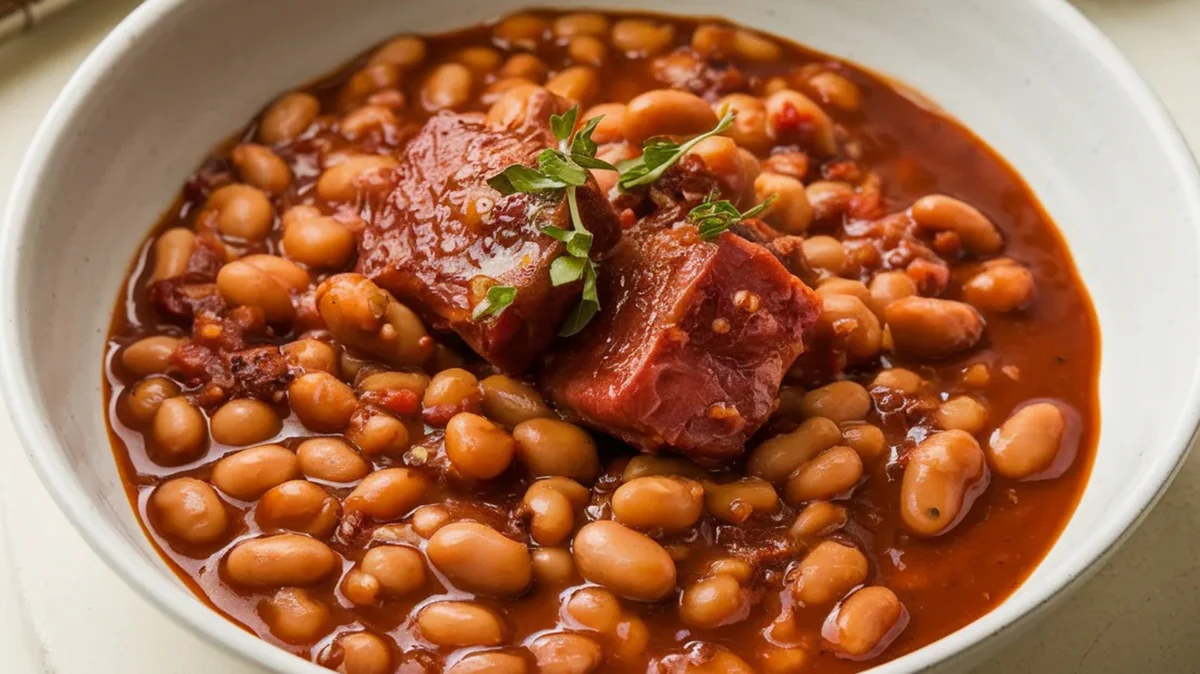
Across the tapestry of global culinary history, few foods have played as vital a role in human endurance as the humble bean. From the complex, earthy feijoada of Brazil to the spiced, aromatic rajma of Northern India, the bean has served as the backbone of sustenance for civilizations across the globe. Yet, perhaps no version of this legume is as evocative of the rugged, untamed spirit of the American frontier as frijoles charros—the sweet and savory cowboy beans that fueled the expansion of the West.
Main Facts: The Essence of the Cowboy Bean
At its core, frijoles charros (or "charro beans") is a dish defined by its resourcefulness. Born from the practical necessities of the Mexican charro—the legendary cattle herders and horsemen of the 19th century—the dish was designed to provide maximum caloric density and flavor using only the most shelf-stable and readily available ingredients.
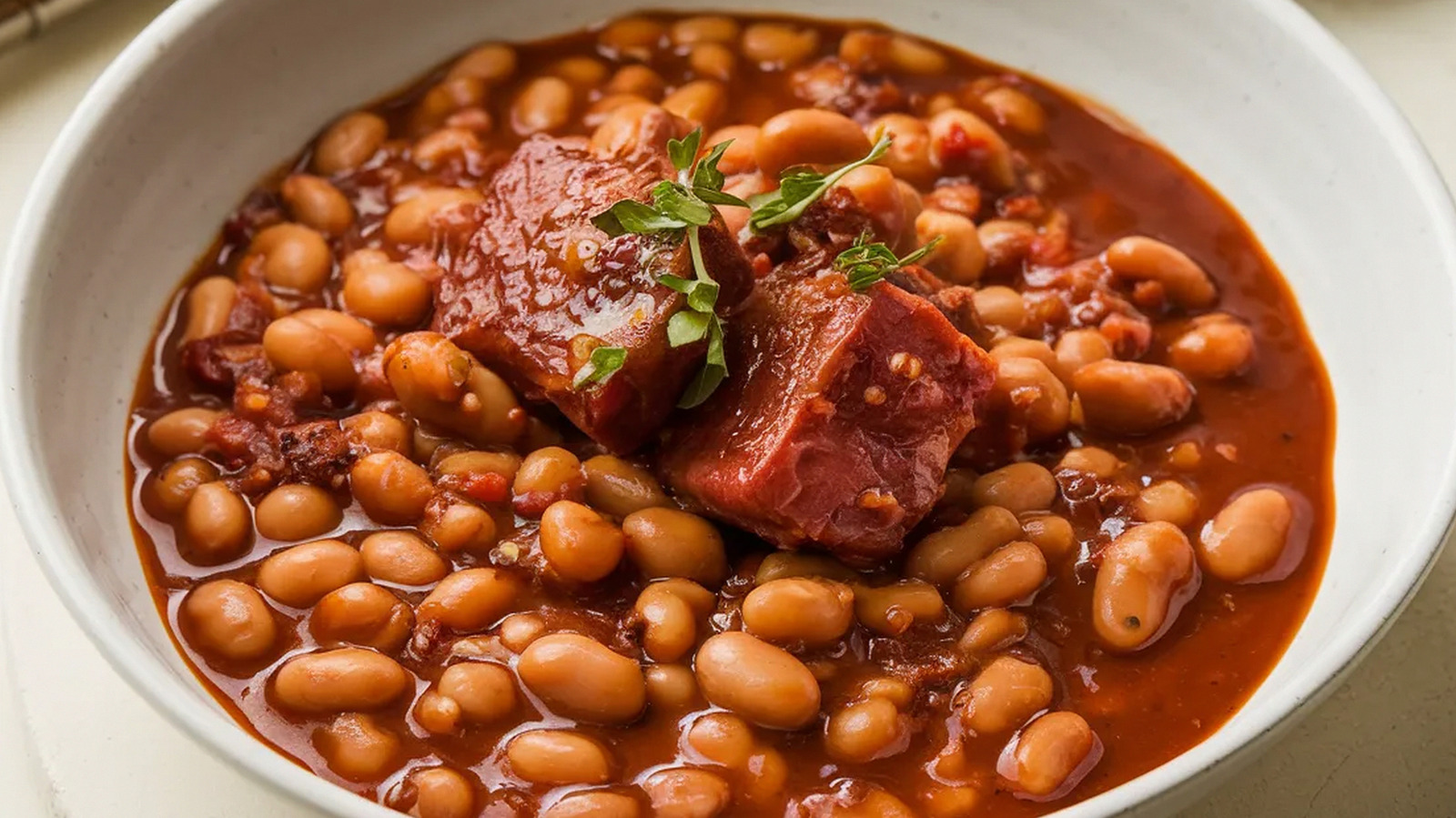
The traditional recipe is a masterclass in rustic cooking. At its foundation are pinto beans, a staple of the desert Southwest due to their long shelf life and high protein content. These are simmered in a broth enriched with tomatoes, onions, garlic, and an array of chili peppers. To this base, the charro would typically add whatever cured or smoked meats were at hand, most commonly bacon or ham, and in some regions, spicy chorizo.
The flavor profile is distinct: a sophisticated balance of savory smoke from the rendered animal fats, a subtle sweetness derived from the slow-caramelized onions, and a lingering, earthy heat from the peppers. Often, the dish was finished with epazote, a native Mexican herb known for its pungent, minty, and slightly medicinal aroma, which served the dual purpose of adding depth to the flavor and aiding in the digestion of the legumes.
Chronology: From the Mexican Plains to the Cattle Trails
To understand the rise of the charro bean, one must look at the historical evolution of the charro himself.
The Origins: The Charro Tradition (1700s–1800s)
Before the American cowboy became a staple of pop culture, the charro reigned supreme in the regions that would become Northern Mexico and the Southwestern United States. These were not merely herders; they were highly skilled horsemen who developed a culture of precision, roping, and ranching. Their attire—elaborate sombreros, form-fitting trousers, and ornate serapes—symbolized their status, but their diet was remarkably grounded.
The Great Cattle Drives (1860s–1890s)
As the post-Civil War era saw a massive surge in demand for beef, the American cattle drive took center stage. Thousands of longhorn cattle were moved from Texas to the railheads in Kansas and Missouri. During these months-long journeys, the "chuckwagon" became the center of the world. Because fresh vegetables and meats spoiled rapidly, the diet of the trail hand was limited. Beans became the primary source of protein. It was during these grueling treks that the Mexican influence on Southwestern cuisine fused with the logistical realities of the trail, cementing the status of frijoles charros as the preferred, heartiest meal for the men on the move.
The Modern Adaptation (1900s–Present)
As the frontier closed and the era of the cattle drive faded into myth, the dish remained a staple in Texas and Northern Mexican households. It transitioned from a survival meal cooked over a campfire to a celebrated comfort food served at backyard barbecues and family gatherings, retaining its status as an iconic piece of regional heritage.
Supporting Data: Nutritional and Logistical Efficiency
The longevity of the charro bean as a primary food source for the working class was no accident. When analyzed through a nutritional lens, the dish represents a near-perfect balance of essential nutrients for the high-energy lifestyle of a rancher.
- Protein and Fiber: Pinto beans are dense in complex carbohydrates and plant-based protein. When combined with the animal fats provided by bacon or chorizo, the dish offered a sustained energy release—crucial for men who spent 12 to 14 hours in the saddle.
- Mineral Content: Beans are an excellent source of iron, potassium, and magnesium. These minerals were essential for the hydration and muscle function of laborers working in the harsh, arid climates of the American Southwest.
- Shelf Stability: In an era before modern refrigeration, the ability to store dried beans in saddlebags or wagons for months was the deciding factor in their ubiquity. They were the "original survival food."
Official Perspectives and Cultural Implications
Food historians and cultural anthropologists often cite frijoles charros as a primary example of "borderland cuisine." This style of cooking ignores the arbitrary lines of the Rio Grande, instead favoring a synthesis of indigenous Mexican ingredients and the practical European-influenced techniques of the early settlers.
"The beauty of the charro bean," notes food historian Elena Vasquez, "is that it represents the democratization of flavor. It did not require expensive cuts of meat or exotic spices. It took the most common ingredients and, through the patience of a slow simmer, elevated them into something substantial and complex."
Culinary Implications
The dish has also proven remarkably adaptable. In contemporary kitchens, the evolution of the recipe continues. We now see versions of the dish that cater to modern dietary restrictions, such as:
- Vegetarian and Vegan Variants: Substituting smoked paprika, chipotle peppers, or liquid smoke to replicate the savory, charred flavor traditionally provided by bacon.
- Gourmet Refinements: The incorporation of artisanal sausages, craft beer in the broth, or even charred poblano peppers to add a layer of complexity that goes beyond the original camp-fire standards.
Socio-Economic Impact
The persistence of the charro bean also highlights the influence of the charro and the subsequent vaquero on modern American culture. From the terminology used in ranching to the very structure of the cowboy lifestyle, the Mexican influence is undeniable. By keeping these recipes alive, communities preserve a link to a time when survival was an everyday endeavor and the communal pot was the primary source of connection.
Legacy: The One-Pot Wonder
Perhaps the most significant legacy of the charro bean is the "one-pot" methodology. The efficiency of cooking everything in a single, heavy cast-iron Dutch oven meant that the cook—often the most overworked person on the trail—could manage the meal with minimal supervision. This allowed the pot to simmer for hours, allowing the starches from the beans to thicken the liquid into a rich, velvety broth, while the flavors of the pork and the acidity of the tomatoes melded into a singular, cohesive dish.
This method also encouraged the use of "seconds" and "leftovers." If a cook had a piece of dried beef or a remnant of a pepper, it went into the pot. This zero-waste philosophy is perhaps the most enduring lesson of the cowboy era.
Conclusion: A Living History
While the days of the open-range cattle drives are long gone, the spirit of the charro lives on in the kitchen. Whether it is served as a side dish at a summer barbecue or a main course on a cold winter night, frijoles charros remains a testament to the ingenuity of the people who settled the American West. It is a reminder that even in the most difficult of circumstances, with only the simplest of ingredients, it is possible to create something that is not only sustaining but profoundly delicious.
As we continue to explore the history of American regional food, the charro bean stands as a pillar of that identity—a dish that refuses to be forgotten, constantly evolving while remaining deeply rooted in the history of the land and the people who worked it. The next time you enjoy a bowl of these seasoned, smoky beans, you are not just eating a meal; you are participating in a century-old tradition that defined an era of adventure, hardship, and ultimately, the resilience of the human spirit.
 Azzam Bilal Chamdy
  Lina Irawan
  Lina Hope