
 By Ammar Sabilarrohman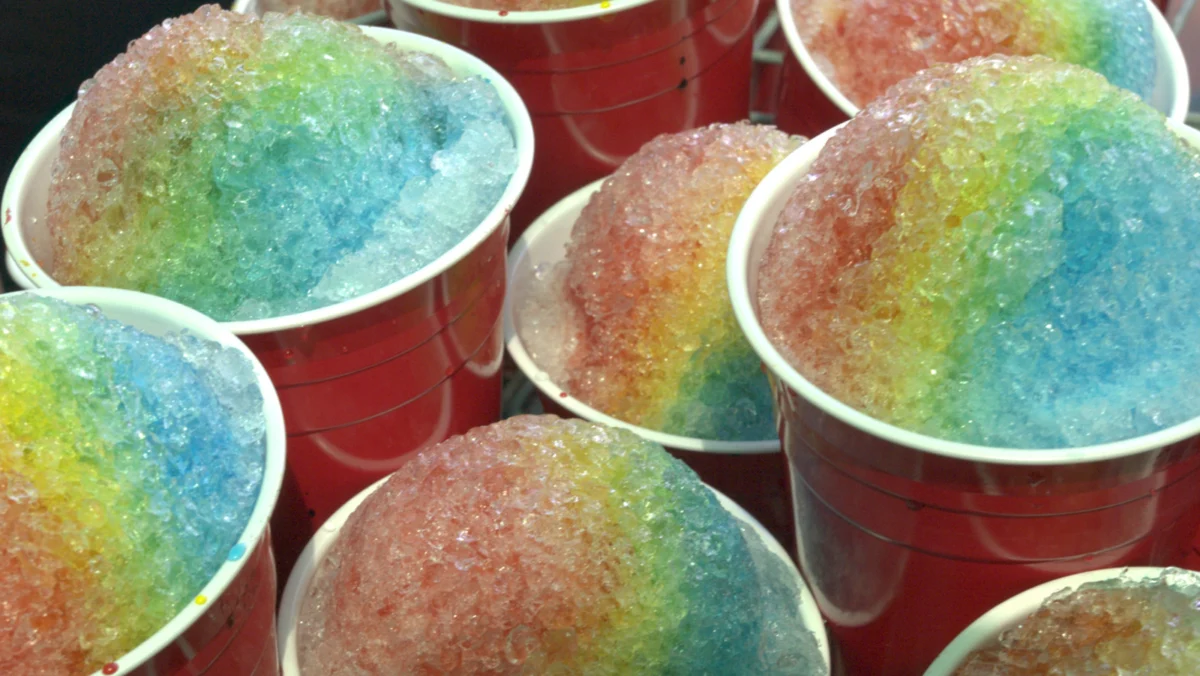
For many, the memory of a childhood summer is inextricably linked to the crunch of ice and the sticky, neon-colored syrup of a snow cone. It was a simple, fleeting pleasure—a quick fix for the blistering heat that demanded little more than a paper cone and a plastic spoon. However, as our culinary palates evolve, so too does our appreciation for texture, complexity, and artisanal preparation. In the culinary landscape of the United States, few cities have mastered the elevation of a simple frozen treat quite like New Orleans. In the "Big Easy," the humble snow cone is transformed into the "snoball," a sophisticated, velvety dessert that stands as a testament to the city’s deep-rooted gastronomic culture.
The Anatomy of the Snoball: More Than Just Ice
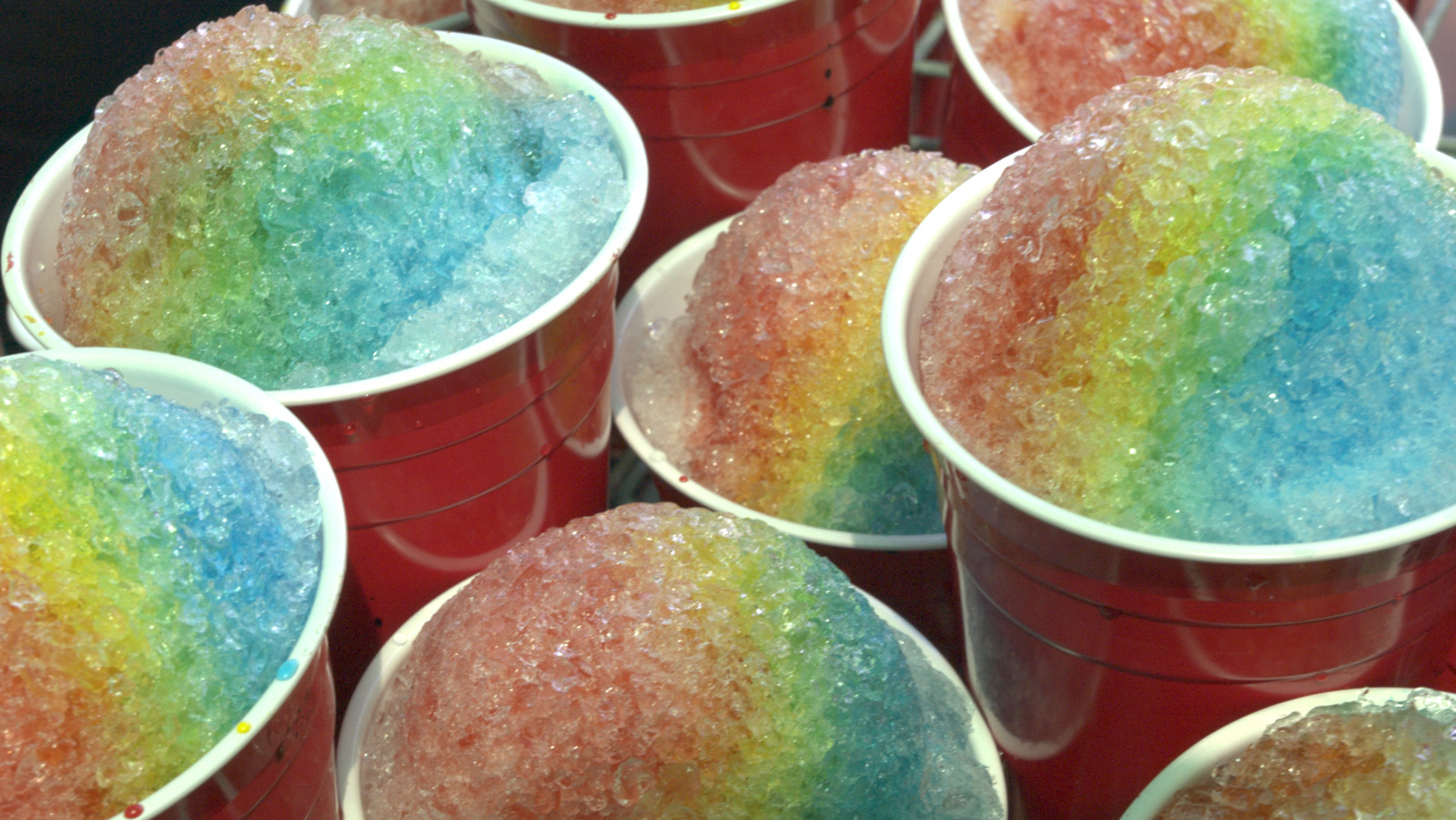
To understand the difference between a mass-market snow cone and a New Orleans snoball, one must look at the physics of the ice. A traditional carnival snow cone is often characterized by coarse, jagged ice chips that act more like a vessel for syrup, which inevitably drains to the bottom, leaving the consumer with a mouthful of flavorless, crunching ice at the finish.
The New Orleans snoball, by contrast, is defined by its "fluff." The ice is shaved to a consistency so fine it mimics freshly fallen powder. This architectural difference is critical: the microscopic surface area of the shaved ice allows it to act like a sponge, gripping the syrup throughout the entire volume of the serving. When executed correctly, every spoonful of a snoball offers a uniform experience of flavor and texture, melting on the tongue rather than requiring aggressive chewing.
A Chronological Evolution: From Shave Ice to Cultural Icon
The history of the snoball is a journey through New Orleans’ unique demographic and industrial evolution.
- Early 20th Century: The precursor to the modern snoball began with hand-shaved ice blocks, a labor-intensive process that limited the treat to local street vendors and ice houses.
- The 1930s Industrial Leap: The invention of the mechanical ice-shaving machine revolutionized the industry. George Ortolano, a New Orleans native, is often credited with patenting the first electric ice-shaving machine in the 1930s, effectively giving birth to the modern snoball industry.
- The Mid-Century Golden Age: Post-World War II, snoball stands began to proliferate across the city’s neighborhoods. They became community hubs—places where families congregated to escape the humid Louisiana heat.
- The Modern Renaissance: In the last two decades, the "foodie" movement has pushed snoball artisans to move beyond the traditional cherry and grape. Today, the craft has entered a boutique phase, with shops offering house-made syrups using local produce and sophisticated flavor profiles that rival high-end pastry programs.
Supporting Data: The Science of Syrup Adhesion
The superiority of the snoball is not merely a matter of regional pride; it is supported by the mechanics of thermodynamic and structural absorption. Culinary scientists note that the density of the ice shaved by a specialized snoball machine—typically 0.1 to 0.2 millimeters in thickness—creates a high-porosity environment.
When high-viscosity syrups (such as those infused with fruit purees or botanicals) are poured over this fine ice, the capillary action draws the liquid into the interstices of the ice crystals. Unlike coarse-ground ice, where gravity forces the syrup downward, the "fluffy" structure of a snoball retains the liquid, ensuring that the flavor profile remains consistent from the first bite to the last. Furthermore, the addition of heavy, dairy-based toppings—such as sweetened condensed milk—further stabilizes the structure, creating a "creamy" layer that acts as a thermal barrier, slowing the melting process and enhancing the mouthfeel.
Artisanal Innovation: A Palette of Flavors
While classic flavors remain the foundation of the snoball culture, the current landscape is defined by bold, unconventional experimentation. Modern "snoballists" are increasingly turning to their local terroir for inspiration.
- Botanical and Floral Notes: Earl Grey tea, lavender, and hibiscus infusions are becoming standard fare.
- Regional Fruits: The use of satsuma (a local citrus variety) provides a bright, acidic contrast to the heavy sweetness of the syrup.
- Savory-Sweet Pairings: Pineapple-cilantro or salted caramel-topped snoballs are bridging the gap between traditional refreshment and high-end dessert.
- The "Stuffed" Innovation: The practice of stuffing the center of the snoball with high-quality vanilla bean ice cream or frozen yogurt has transformed the treat into a multi-textured experience.
Practical Application: Bringing the NOLA Style Home
For the culinary enthusiast looking to replicate the snoball experience, the barrier to entry is lower than one might assume. While commercial-grade ice shavers are the gold standard, the home cook can achieve impressive results with a high-powered blender.
The Methodology for Success:
- The Ice Base: Utilize high-quality, filtered water to create ice cubes. Clarity and purity are essential, as any mineral impurities will be amplified by the shaved texture.
- The Blitz: Pulse the ice in short bursts. The goal is to reach a snowy, uniform texture. If the ice begins to melt or turn into a slushy slurry, the texture has been compromised.
- The Thermal Shock: Immediately transfer the shaved ice to a metal container and place it in the freezer. Pre-chilling your serving vessel is also a pro-tip that prevents the ice from collapsing upon contact.
- The Assembly: Build in layers. Start with a foundation of ice, add a drizzle of syrup, add a middle layer of ice (and potentially a scoop of ice cream), then finish with the remaining ice and a generous pour of sweetened condensed milk.
Implications for the Dessert Industry
The success of the New Orleans snoball provides a valuable lesson for the broader dessert industry: the "premiumization" of low-cost, nostalgic foods is a powerful market driver. By applying technical rigor to the preparation of simple ingredients, operators can justify higher price points and create a more memorable consumer experience.
Moreover, the snoball’s reliance on local, seasonal, and artisanal ingredients aligns with modern consumer trends favoring transparency and sustainability. As urban areas across the country look to replicate the success of NOLA-style shops, we are likely to see the "snoball" transition from a regional curiosity to a permanent fixture in the American dessert pantheon.
In conclusion, the snoball is a masterclass in how culture and craft can redefine a standard. It is a reminder that the most profound culinary experiences are often found in the most unassuming packages, provided one has the patience to shave the ice just right. Whether you are a purist sticking to the classics or an explorer of new flavor frontiers, the New Orleans-style snoball offers a template for how to elevate the everyday into something truly extraordinary.
 Lina Irawan
  Lina Hope
  Reynand Wu