
 By Lina Hope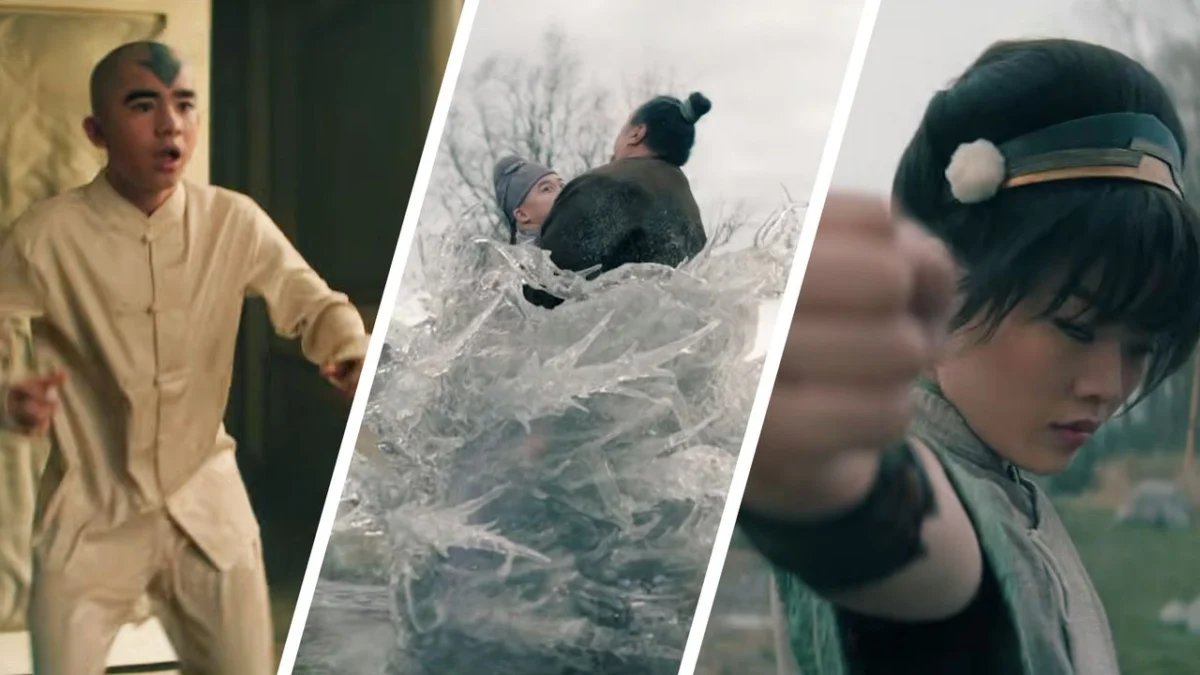
The transition from the fluid, stylized world of 2D animation to the grounded, tactile reality of live-action is a perennial hurdle for high-fantasy adaptations. For Netflix’s Avatar: The Last Airbender, the challenge was twofold: the series had to honor the iconic visual shorthand established by the 2005 Nickelodeon original while grounding its supernatural "bending" arts in a believable, physical reality. Following the overwhelming success of its sophomore season, a deeper look at the behind-the-scenes artistry reveals that the show’s success rests heavily on the shoulders of the VFX powerhouse, Outpost.
By utilizing advanced particle simulation, heat-distortion physics, and a deep understanding of material science, Outpost has successfully translated the invisible and the impossible into a visual language that feels as heavy as stone and as ephemeral as a breeze.
The Foundation: A World Divided by Elements
Avatar: The Last Airbender is set in a fractured world where civilization is defined by the ability to manipulate the four classical elements. The narrative centers on Aang, a twelve-year-old monk who serves as the "Avatar"—the singular individual capable of mastering all four disciplines: Water, Earth, Fire, and Air.
For the live-action series, the production team faced an existential question: how do you make magic feel like physics? In animation, an artist can draw a stylized swirl of wind or a jagged block of earth and the audience accepts the shorthand. In live-action, the brain demands weight, texture, and environmental interaction. If a character hurls a boulder, the viewer expects to see the dust, the fracture patterns, and the kinetic impact on the surroundings. If a character manipulates the air, the viewer needs to perceive the unseen displacement of atmosphere.
Chronology of Craft: From Season One Foundations to Season Two Mastery
The evolution of the bending effects did not happen in a vacuum. Outpost’s work on the second season is the culmination of lessons learned during the production of the first.
The King Bumi Benchmark
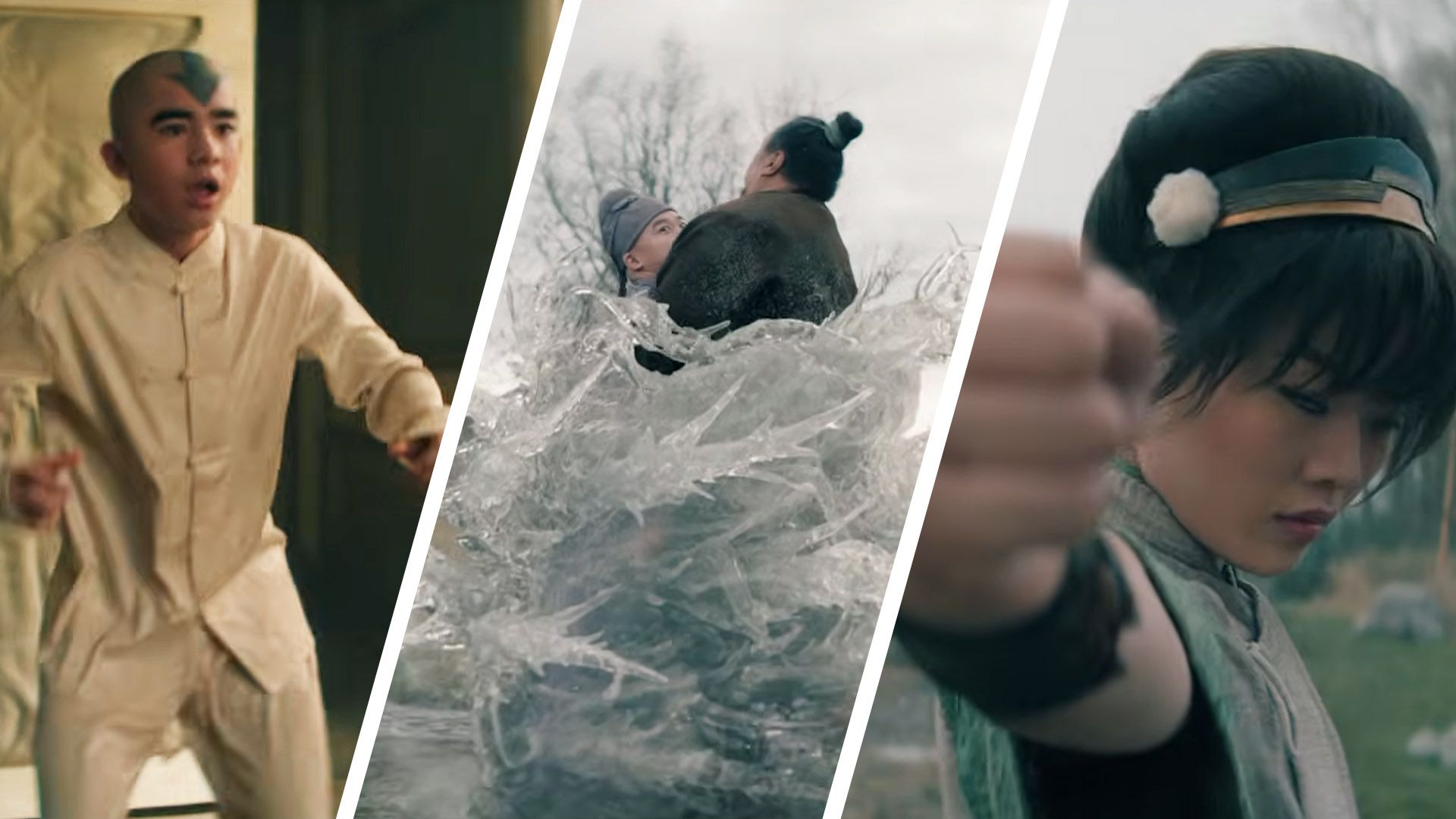
During the production of the first season, the team was tasked with the monumental challenge of animating the duel between Aang and King Bumi. This sequence served as a "proof of concept" for the entire series. According to Producer Caitlin Gilbert, this sequence was a masterclass in complexity. "It presented a slew of creative challenges," Gilbert noted. The team had to move beyond simple digital overlays, requiring multi-layered simulations where elemental assets—earth, air, and water—had to interact with each other in real-time. This interaction required complex physics engines where a collision between an earth-based projectile and an air-based shield had to trigger specific, reactive animations.
Refining the Second Season
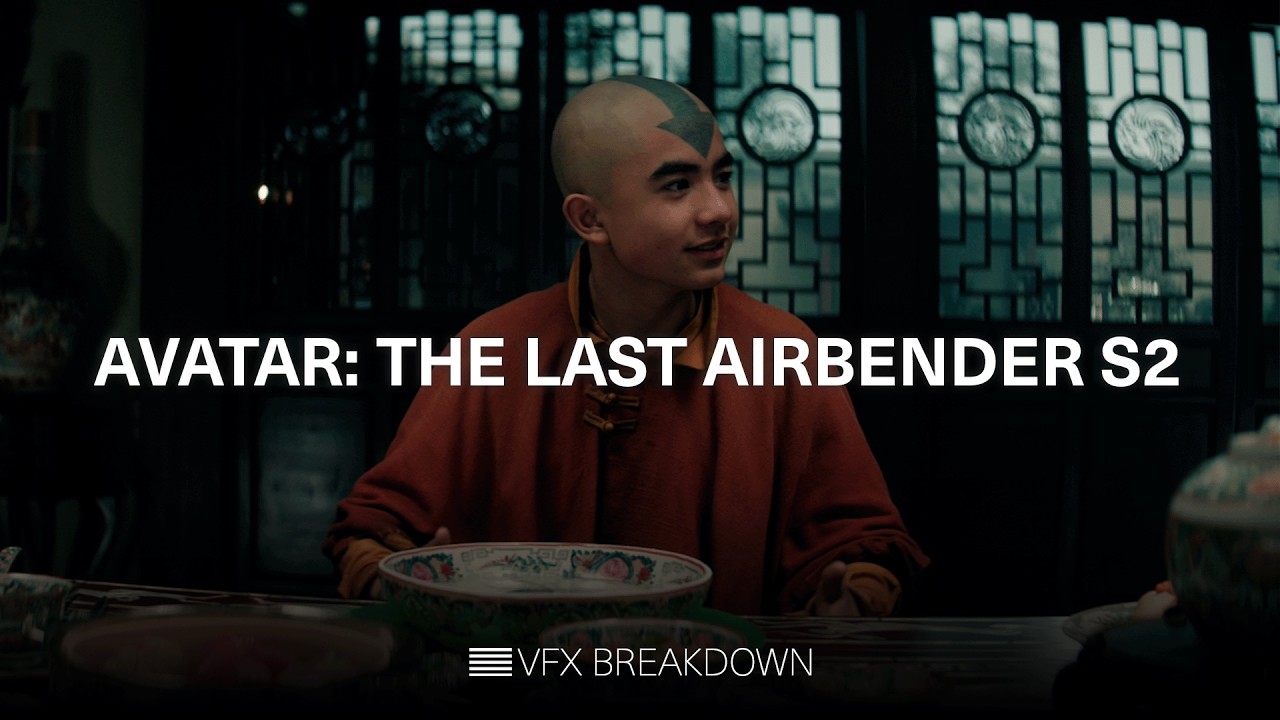
By the second season, Outpost had moved from experimentation to refinement. The VFX breakdown released by the studio demonstrates a higher degree of integration between the practical on-set performances and the digital enhancements. The firebending now casts interactive, warm-hued light onto the actors’ skin, eliminating the "floating sticker" effect that often plagues lower-budget fantasy shows. The earthbending has become more granular, moving away from generic blocks of stone toward a more realistic, crumbling aggregate of soil and rock.
The Science of the Invisible: Crafting Airbending
Perhaps the most difficult task for any VFX artist is to animate something that, by definition, is transparent. Air is invisible, and yet, in the world of Avatar, it is a weapon.
To solve this, Outpost looked to real-world aerospace engineering. The team analyzed the heat distortion patterns visible around the exhaust of F-22 Raptor jet engines. By mapping these distortions onto the digital environment, they created a "refractive" effect. When Aang bends the air, it is not a glowing blue streak, but a ripple in reality—a distortion of light that signals the presence of high-pressure kinetic energy.
"The airbending look was a challenge as we don’t see air movement in the real world, only elements flying through it," explained VFX Supervisor Laurent Joel Gillet. "We needed to find ways of making that motion visible. The director and client-side production team had a very clear idea of where they wanted to go with it, which made it a lot easier for us to translate those ideas into effects on screen."
Material Realism: The Evolution of Earthbending
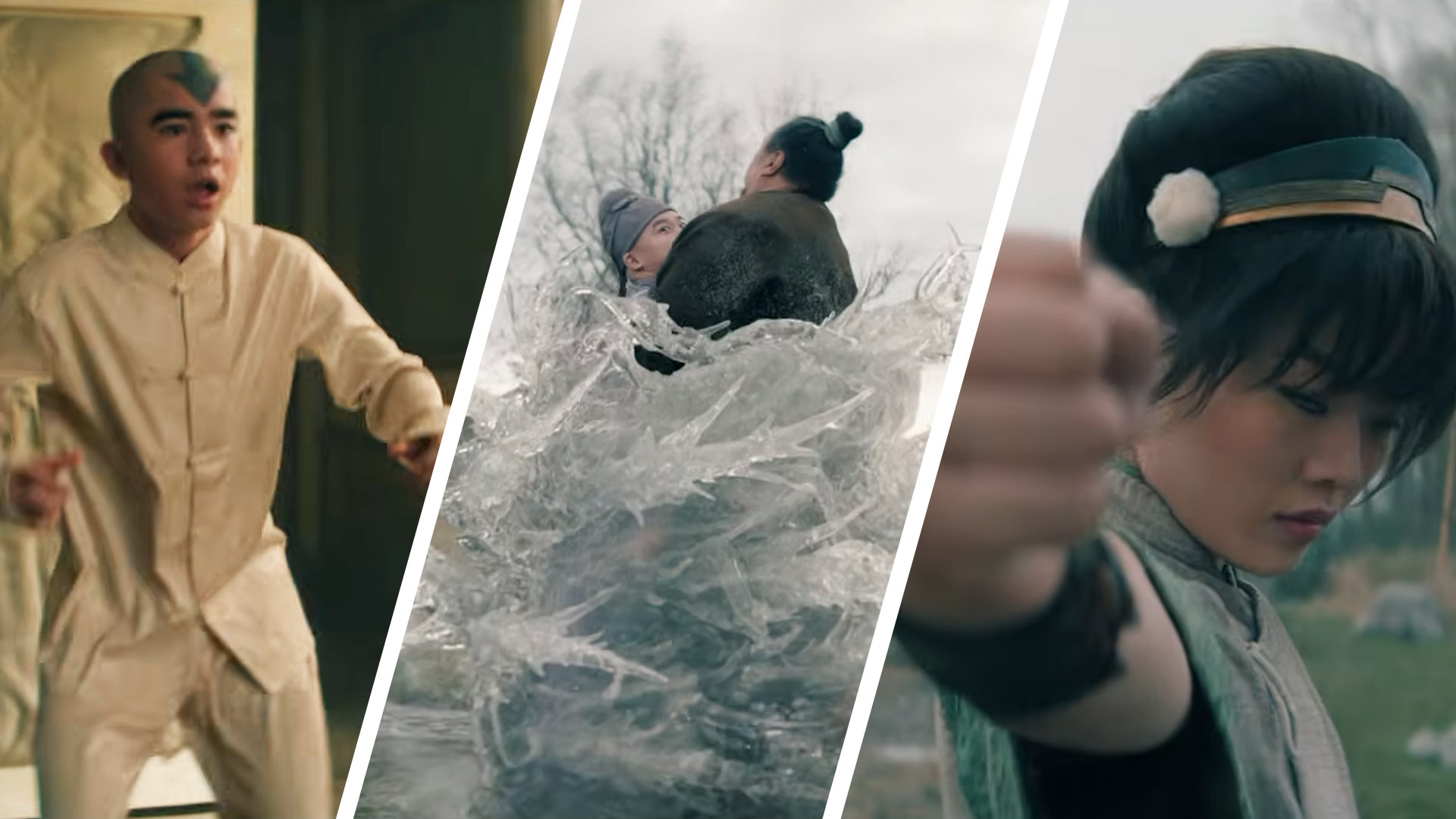
While air presented a problem of transparency, earth presented a problem of density. Early iterations of the show’s earthbending relied on a sandy, loose aesthetic. However, the team found that this lacked the necessary "punch" required for combat.
"We started originally with a very sandy look with buried hard rocks," Gillet noted. "But we ended up going towards a more amalgamated dry sand look which crumbles as it breaks." The final product uses a high-fidelity approach where the "boulders" behave like compacted dry soil. This gives the earth a distinct, tactile quality—when a character pulls earth from the ground, the audience sees the clods of dirt and smaller pebbles falling away, adhering to the laws of friction and gravity.
Implications for the Future of Fantasy VFX
The work done by Outpost on Avatar: The Last Airbender sets a new benchmark for fantasy television. By prioritizing "interactive lighting" and "environmental physics," the studio has moved the needle for what audiences expect from streaming giants.
The Shift Toward Proceduralism
The implications of these techniques are significant. As VFX studios move toward more procedural generation—where physics engines dictate the shape of fire or the trajectory of rocks—the reliance on manual frame-by-frame animation decreases. This allows for more dynamic, improvisational combat sequences. Actors can perform their martial arts movements with more freedom, knowing that the VFX team can procedurally generate the elemental impact based on the exact velocity and angle of their limbs.
The Human Element
Despite the heavy reliance on complex algorithms and simulations, the human element remains paramount. The success of the second season is not merely a triumph of computing power, but a triumph of artistic direction. The collaboration between the show’s directors and the VFX supervisors ensured that the "bending" felt like an extension of the characters’ personalities. Earthbending is slow, heavy, and deliberate; airbending is fast, refractive, and evasive. This character-driven approach to visual effects is what elevates the series above standard action-adventure fare.
Conclusion: A New Standard
The second season of Avatar: The Last Airbender serves as a testament to the maturation of digital effects in television. By moving away from "magic" as a visual shortcut and toward "bending" as a physical science, Outpost has helped Netflix craft a world that feels as tangible as our own.
For fans and aspiring VFX artists alike, the breakdown of these scenes serves as a reminder that the best visual effects are those that disappear into the scene. When the audience stops looking at the pixels and starts looking at the power, the art has achieved its ultimate goal. As the franchise looks toward future seasons, the foundation laid by Outpost ensures that the world of the Avatar will continue to be one where the elements are not just part of the background, but active, living participants in the story.
For those interested in the technical mastery behind the screen, further breakdowns and industry insights into CGI and animation can be found through professional creative resources and visual effects forums. The journey of Aang is far from over, and if the progress from season one to two is any indication, the visual spectacle is only just beginning.
 Raul Delapena Setiawan
  Ammar Sabilarrohman
  Muslim