
 By Raul Delapena Setiawan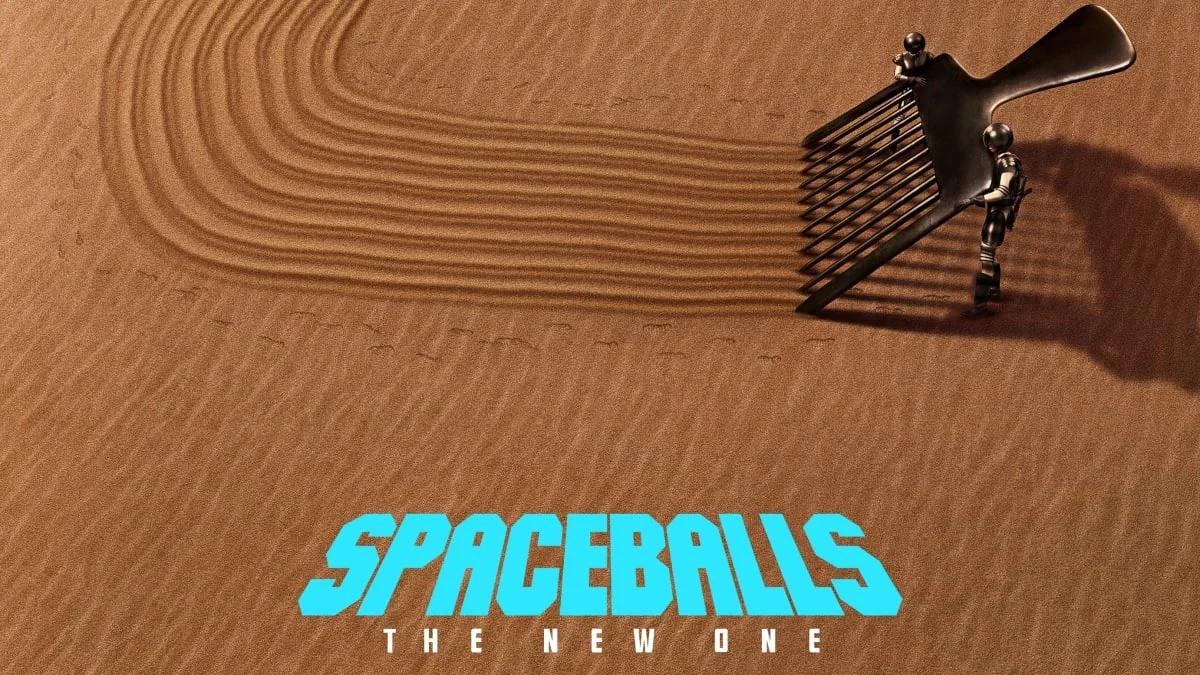
Main Facts
In a landmark day for contemporary film comedy, director Josh Greenbaum found himself at the center of two major cinematic milestones. On the very day that Apple TV+ premiered his highly anticipated pickleball-themed comedy The Dink, Greenbaum also took the stage at San Diego Comic-Con (SDCC) to present the first major look at Spaceballs: The New One—the long-awaited, highly anticipated sequel to Mel Brooks’ legendary 1987 sci-fi parody.
For decades, fans of the original Spaceballs have operated under a singular assumption. In the climax of the 1987 film, the wise, merchandise-obsessed alien Yogurt (played by Mel Brooks) famously broke the fourth wall to tease a potential sequel, telling the heroes they would meet again in "Spaceballs 2: The Search for More Money."
However, when the sequel was officially greenlit, the title was revealed to be Spaceballs: The New One. This creative pivot sparked immediate speculation and debate across the comedy and sci-fi fandoms.
In an in-depth discussion with Mashable Entertainment Editor Kristy Puchko, Greenbaum addressed the title change directly, shedding light on the comedic logic behind abandoning Yogurt’s prophetic subtitle. Greenbaum revealed that the decision was made in close consultation with the 98-year-old comedy icon Mel Brooks himself. According to Greenbaum, the joke of "searching for more money" had already been resolved in meta-fashion: Mel Brooks had already "found the money" in his basement, rendering the original subtitle obsolete.
Spaceballs: The New One is officially slated for a theatrical release in the United States on April 23, 2027. The film boasts an extraordinary ensemble that bridges generations of comedy, featuring returning original cast members Mel Brooks, Bill Pullman, Rick Moranis, Daphne Zuniga, and Michael Winslow. They will be joined by a new generation of comedic talent, including Lewis Pullman, Keke Palmer, Anthony Carrigan, and Josh Gad.
Chronology: From 1987 Spoof to 2027 Legacy Sequel
The road to Spaceballs: The New One spans exactly forty years of pop-culture evolution, marked by shifting cinematic landscapes and the rise of the "legacy sequel."
[1987] Spaceballs released; Yogurt jokes about "Spaceballs 2: The Search for More Money"
  │
[1990s-2010s] Film achieves massive cult status via home video and cable syndication
  │
[2015] Star Wars franchise revitalized by Disney; fan demand for a Spaceballs sequel peaks
  │
[2024] Josh Greenbaum directs "The Dink" while actively developing "Spaceballs: The New One"
  │
[July 2024] Greenbaum hosts SDCC Panel for "The New One" as "The Dink" premieres on Apple TV+
  │
[April 23, 2027] Scheduled theatrical release date for "Spaceballs: The New One"
The Birth of a Cult Classic (1987)
When Metro-Goldwyn-Mayer released Spaceballs in June 1987, the film was met with mixed reviews from critics who felt its parodies of Star Wars, Star Trek, Alien, and Planet of the Apes were somewhat belated. However, as the film transitioned to VHS, laserdisc, and eventually basic cable, it developed an intensely loyal cult following. Its highly quotable dialogue, memorable characters like Dark Helmet and Barf, and cynical commentary on Hollywood merchandising transformed it into a cornerstone of late-20th-century comedy.
The Decades of Rumors (1988–2023)
For more than three decades, rumors of a sequel circulated. Mel Brooks occasionally teased the project in interviews, particularly after the launch of the Star Wars prequel trilogy in 1999 and the Disney-led sequel trilogy in 2015. Despite fan interest, the project remained in development hell due to casting hurdles, script issues, and the retirement of key performers like Rick Moranis.
The Dual Production Era (2023–2024)
The project finally gained momentum when director Josh Greenbaum—hot off the critical success of Barb and Star Go to Vista Del Mar (2021) and Strays (2023)—was brought on board to direct. At the same time, Greenbaum was helming The Dink, a contemporary sports comedy focusing on the burgeoning culture of pickleball. The parallel development of these two distinct comedic projects culminated in a single, high-stakes day of public exposure: the dual celebration of The Dink’s Apple TV+ streaming premiere and the high-profile SDCC panel for Spaceballs: The New One.
Supporting Data: Legacy Casting and Genre Context
To understand the scale of Spaceballs: The New One, it is essential to analyze the structural makeup of its cast and the shifting genre landscape it occupies. The film operates as a "legacy sequel," a specific Hollywood framework that pairs original cast members with younger actors to pass the torch of a franchise.
The Cast Matrix: Bridging Two Eras of Comedy
The casting strategy of Spaceballs: The New One deliberately mirrors the generational handoff seen in modern science-fiction franchises:
| Original Cast Member | Original Character | Legacy/New Cast Member | Role / Dynamic |
|---|---|---|---|
| Mel Brooks | Yogurt / President Skroob | Josh Gad | Co-lead / Co-Producer |
| Bill Pullman | Lone Starr | Lewis Pullman | Son of Bill Pullman; Meta-legacy casting |
| Rick Moranis | Dark Helmet | Anthony Carrigan | Modern eccentric comedic foil |
| Daphne Zuniga | Princess Vespa | Keke Palmer | High-energy contemporary lead |
| Michael Winslow | Radar Technician | N/A | Sound-effects mastery contribution |
The casting of Lewis Pullman is particularly noteworthy. As the real-life son of Bill Pullman, his inclusion introduces a layered, meta-textual joke about nepotism and legacy casting—themes that are highly ripe for parody in the modern, IP-driven studio system.
Contextualizing ‘The Dink’
While Spaceballs represents the peak of high-concept IP parody, Greenbaum’s other project, The Dink, represents the modern character-driven sports comedy. The film explores themes of friendship, mid-life identity crises, and the explosive, sometimes absurd cultural phenomenon of pickleball.
Crucially, The Dink serves as the final film role for comedy icon Lynne Marie Stewart, best known for her work as Miss Yvonne on Pee-wee’s Playhouse. Stewart’s participation provides an emotional anchor to the project, bridging the gap between classic alternative comedy and contemporary streaming cinema.
Official Responses and Creative Insights
In his conversation with Mashable’s Kristy Puchko, Josh Greenbaum provided key insights into the creative choices shaping both of his current projects, defending the controversial title change for the Spaceballs sequel and reflecting on the emotional weight of his work on The Dink.
Demystifying the Title Change
When asked why the production team bypassed the iconic Search for More Money subtitle, Greenbaum pointed back to the meta-narrative established in the film’s initial promotional campaign:
"If you didn’t see our announcement video, Mel Brooks himself found the money. It was in his basement, and so he doesn’t need any more money at this point."
Greenbaum went on to explain that the title The New One carries its own distinct comedic value, playing on the inherent laziness and lack of imagination found in modern studio branding:
"We really love the idea of obviously there’s the old one, and now this is the new one. We like the joke that this is, you know, ‘It’s just like the old one, but newer.’ So, this is the new one."
Greenbaum emphasized that this was not a decision made lightly or imposed by studio executives, but rather a collaborative joke developed alongside Brooks:
"We obviously discussed it with Mel, but we all felt like, as great as that joke [from the first movie] was, paying that joke off? You’ll see when you see the new one why it makes sense for this one to be called that."
Honoring Lynne Marie Stewart in ‘The Dink’
Transitioning to his work on The Dink, Greenbaum expressed deep gratitude for the opportunity to work with Lynne Marie Stewart, whose performance in the pickleball comedy marks her final screen appearance. Greenbaum noted that her presence on set brought an irreplaceable warmth and historical weight to the production:
"Working with Lynne Marie Stewart was an absolute masterclass in comedy. She understood how to find the humanity in absurd situations, which is the exact sweet spot we were aiming for with The Dink. To have this be her final film role is incredibly bittersweet, but her performance stands as a beautiful testament to her legacy."
Implications: The Modern Landscape of Cinematic Parody
The production and upcoming release of Spaceballs: The New One carry significant implications for the film industry, particularly regarding the viability of theatrical comedy and the evolution of parody in an era dominated by cinematic universes.
The Evolution of Parody in the "Content" Era
In 1987, Spaceballs had a relatively limited target: the original Star Wars trilogy, Star Trek, and a few other sci-fi staples. In 2027, the landscape of science fiction is vastly different. The genre is now dominated by multi-billion dollar corporate ecosystems, including:
- The Disney-led Star Wars sequel trilogy, spin-offs, and Disney+ streaming series.
- The Marvel Cinematic Universe (MCU) and its reliance on multiverse mechanics.
- The proliferation of toxic online fandoms, review-bombing, and corporate nostalgia baiting.
By titling the film The New One, Greenbaum and Brooks are positioning the sequel to parody not just the narrative tropes of modern sci-fi, but the very nature of modern "content" consumption. The film has the opportunity to satirize streaming services, deepfake digital de-aging, corporate mergers, and the endless recycling of intellectual property.
The Legacy Sequel Curse
Spaceballs: The New One faces the steep challenge of overcoming the "legacy sequel curse." Historically, comedy sequels released decades after their predecessors—such as Dumb and Dumber To (2014), Zoolander 2 (2016), and Anchorman 2: The Legend Continues (2013)—have struggled to replicate the critical and commercial success of the originals. These films often fall into the trap of over-relying on nostalgia and repeating old jokes rather than forging new ground.
However, by leaning into the self-aware, meta-textual nature of the title The New One, Greenbaum suggests that the film will directly confront these challenges. Rather than ignoring the forty-year gap or trying to pretend nothing has changed, the movie appears poised to make the passage of time, the aging of its cast, and the sheer audacity of making a sequel in 2027 the central joke of the entire enterprise.
For Greenbaum, April 23, 2027, will represent the ultimate test of whether classic Mel Brooks-style parody can thrive in a highly corporate, hyper-sensitive media environment. If successful, Spaceballs: The New One could revitalize the parody subgenre, proving that the Schwartz is still as powerful—and as profitable—as ever.
 Ali Ikhwan