
 By Ali Ikhwan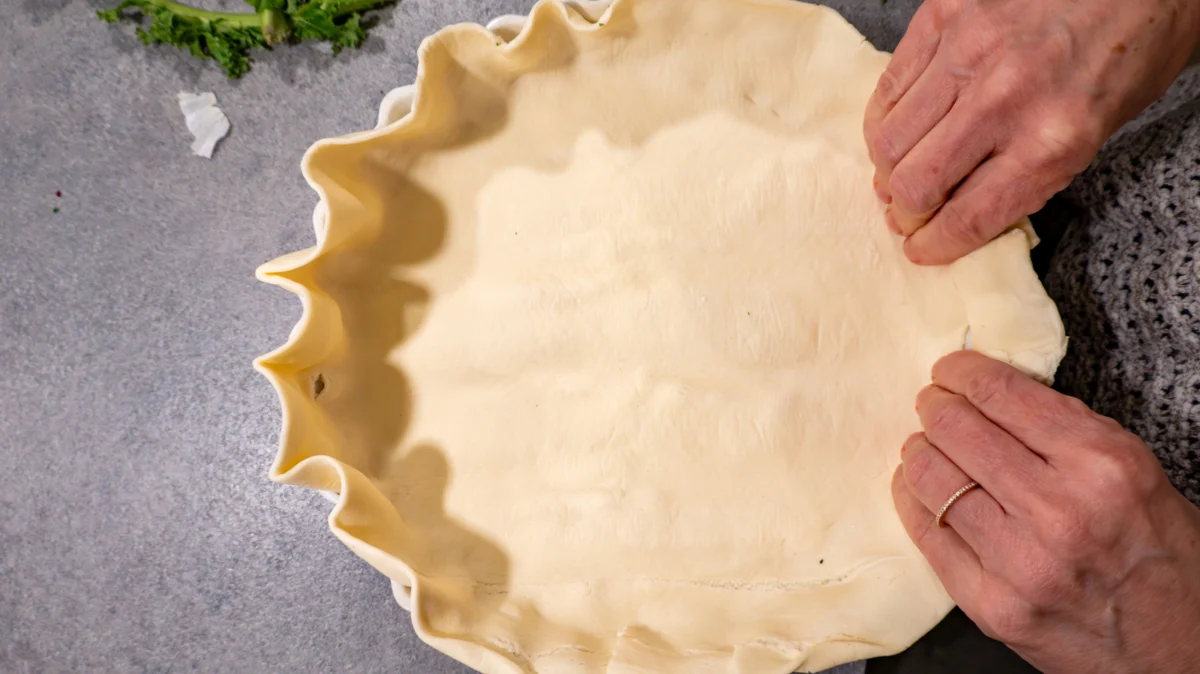
There are few culinary triumphs quite as satisfying as presenting a freshly baked, homemade pie to the table. The warm, comforting aroma drifting through the kitchen, combined with the visual appeal of a golden-brown, flaky crust housing a delectable filling, elevates the humble pie to top-tier dessert status. It is hardly surprising that home bakers continually return to the ritual of pie-making.
Yet, for novice and intermediate bakers alike, the journey from mixing bowl to dessert plate is fraught with potential pitfalls. While crafting a fruit or cream filling is usually straightforward—barring technical marvels like a temperamental lemon curd—the pastry crust is an entirely different beast. Mastering the pie crust requires an understanding of food science, structural integrity, and precise technique. All too often, amateur bakers pull their creations from the oven only to find a crust that is stubbornly crumbly, unpleasantly dry, or cursed with a dense, bread-like chewiness.
Fortunately, these culinary mishaps are entirely correctable with a bit of professional guidance. Drawing on years of professional pastry experience and formal training from Le Cordon Bleu in London, the underlying mechanics of what makes a pie crust succeed or fail become clear. By identifying the most common errors made during the dough-making process and adopting expert-backed alternatives, anyone can consistently produce the flakiest, most tender pie crust imaginable.
The Anatomy of a Pie Crust: Main Facts
To understand why pie crusts frequently fail, one must first understand what makes a crust successful. A superior pie crust hinges on three physical traits: tenderness, flakiness, and structural integrity.
- Tenderness is achieved by limiting the development of gluten, the structural protein network found in wheat flour. When flour meets water and is worked aggressively, gluten strands tighten, creating a tough, elastic, and chewy texture akin to bread dough. In pie crusts, fat coats the flour particles, physically blocking water from hydrating the protein and keeping gluten development to a minimum.
- Flakiness is created by pockets of fat—traditionally butter—distributed throughout the dough. As the pie bakes in the oven, the water content inside the cold butter evaporates, turning into steam. This steam creates tiny air pockets, forcing the layers of dough apart and resulting in that coveted, delicate crunch.
- Structural Integrity ensures the crust can hold heavy fruit, custard, or cream fillings without dissolving, cracking, or shrinking away from the edges of the pan.
Achieving this delicate balance requires precision at every stage of preparation, from ingredient selection to the final minutes of blind baking.
A Chronological Guide to Pie-Making: From Prep to Oven
The pie-making process follows a strict chronological order, and cutting corners or altering the sequence almost always results in structural failure. Below is the step-by-we-step timeline of where errors occur and how to avoid them.
Phase 1: Preparation and Ingredient Selection
1. Using Warm Butter
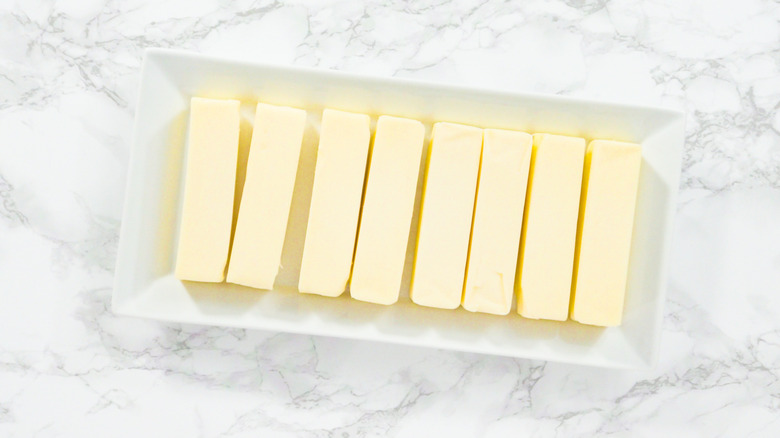
In many branches of baking, recipes explicitly command that ingredients reach room temperature before incorporation. For pie crusts, however, this rule must be completely reversed. Novice bakers frequently commit the error of using softened or room-temperature butter.
If you have ever pulled a tough, chewy pie from the oven, warm butter is likely the culprit. Cold butter is non-negotiable because solid fat particles do not fully blend into the flour during mixing. This lack of complete integration prevents the dough from soaking up excess water and limits gluten formation, yielding a tender bite. Furthermore, as cold butter melts in the hot oven, it releases steam, generating flaky layers.
- The Fix: Use butter straight from the refrigerator. Avoid freezing it solid, however, as rock-hard butter is nearly impossible to work with evenly.
2. Using the Wrong Kind of Flour
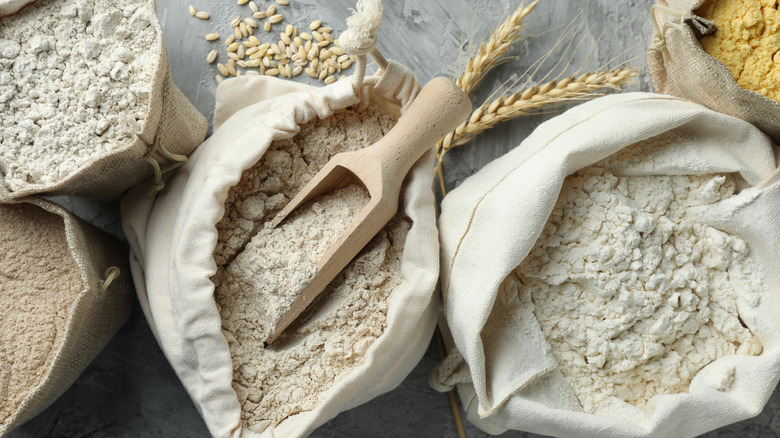
Reaching for whichever bag of flour happens to be sitting in the pantry is a recipe for disaster. Flours vary drastically in protein content, which directly dictates gluten development. Utilizing a high-protein flour, such as bread flour, creates a powerful gluten network that results in a stretchy, elastic dough and a tough, bread-like crust.
Conversely, selecting a flour with an excessively low protein content, such as cake flour, strips the dough of necessary structure. A cake-flour crust will tear easily during rolling, crack while lining the pan, and bake unevenly.
- The Fix: Stick to standard all-purpose flour, which strikes the ideal protein balance for ease of handling and a tender crumb. Pastry flour is also an acceptable professional alternative.
3. Adding Too Much or Too Little Water
Water is the ultimate catalyst in dough-making, but misjudging the quantity will ruin the final product. Adding too much water makes the dough smooth and pliable—giving a false sense of security—but bakes into a hard, dense, impenetrable crust due to rampant gluten development.
Conversely, failing to add enough water leaves the dough overwhelmingly crumbly. It refuses to hold together, and the final baked crust will be parched and prone to shattering.
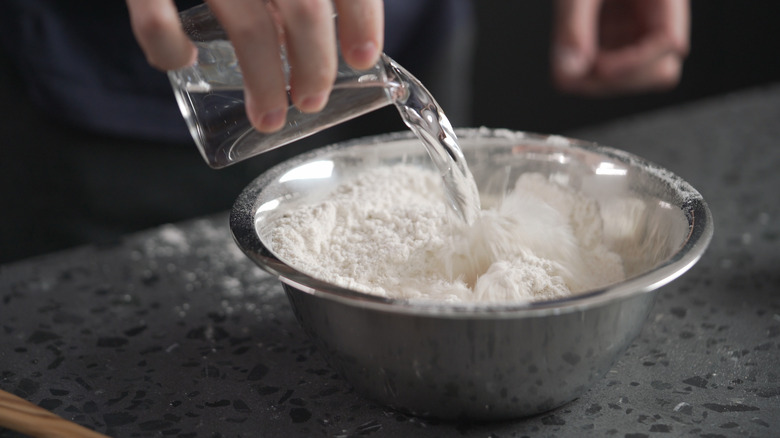
- The Fix: Incorporate water gradually, adding just 1 to 2 tablespoons at a time while mixing gently. The dough is ready when it looks shaggy and crumbly but holds together when squeezed firmly in your palm. For nervous beginners, pastry chefs often recommend substituting sour cream for water; its fat content provides a foolproof safeguard against toughness.
Phase 2: Mixing and Handling
4. Not Rubbing the Butter Properly into the Flour
Creating a flaky crust requires working the butter into the flour—a technique known in French patisserie as sablage. Applying too much pressure during this phase is a frequent error. Even if the butter is cold, excessive force will cause it to smear entirely into the flour, eliminating the pockets of fat necessary for flakiness.
On the flip side, under-working the butter leaves massive, unblended chunks scattered through the mixture, which will melt out during baking to leave greasy, uneven spots.
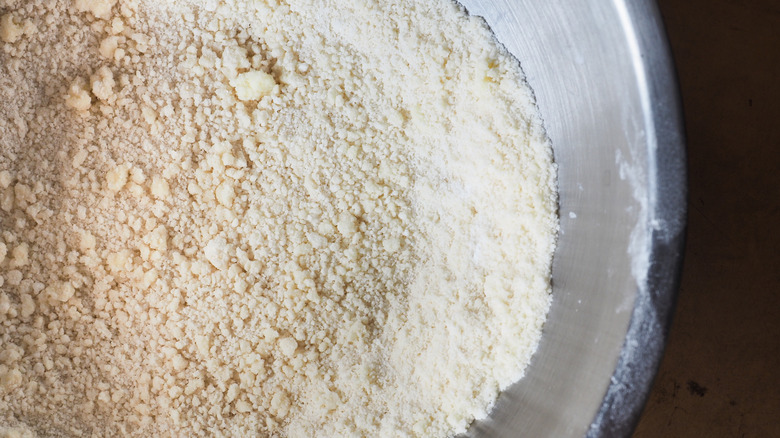
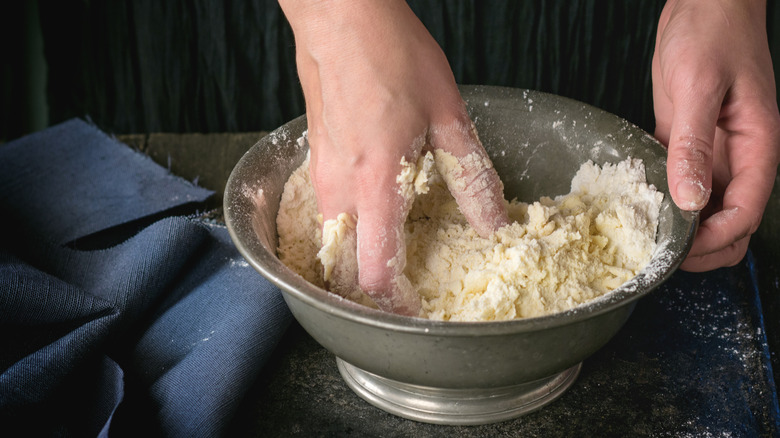
- The Fix: Rub the butter gently into the flour using your fingertips until the mixture resembles wet sand, featuring uniform, pea-sized bits of butter that evenly coat the flour. If your hands run naturally warm, use a pastry blender or a fork to protect the butter from melting.
5. Overmixing the Dough
Once the fat is incorporated and water is added, the temptation is to knead the mixture until it forms a smooth, cohesive ball. This is a critical error. Overmixing overworks the gluten network, transforming a tender pastry into a tough, brick-like shell that is prone to cracking in the heat.
- The Fix: Stop mixing the moment the dough begins to clump together. Transfer the shaggy mass onto a lightly floured work surface and gently fold it over itself a couple of times until it coheres without becoming smooth.
6. Skipping the Chilling Stage
It is tempting to rush the baking process by skipping the dough-chilling phase, especially since chilled dough can feel intimidatingly firm. However, bypassing this step is disastrous. Unchilled dough is sticky, nearly impossible to roll without tearing, and allows the butter to melt prematurely into the flour.
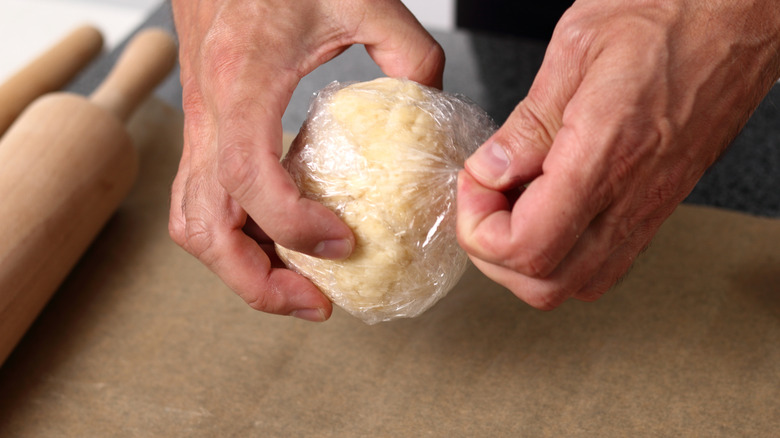
- The Fix: Always wrap and chill your dough in the refrigerator for at least one hour. Chilling not only keeps the fat solid—preventing a leaky, greasy crust—but also allows the gluten strands to relax, ensuring the dough will not shrink drastically when exposed to oven heat.
Phase 3: Rolling, Shaping, and Baking
7. Rolling the Dough Improperly
Uneven thickness and frustrating tears when transferring dough to the pan usually stem from aggressive rolling techniques. Rolling back and forth relentlessly without lifting the dough causes it to stick to the work surface, creating friction that tears the pastry apart.
- The Fix: Dust your workspace lightly with flour. Working quickly while the dough is still cold, roll outward from the center toward the edges, lifting and rotating the dough periodically. If the dough is rock-hard straight from the fridge, tap it gently with the rolling pin to soften it slightly before rolling.
8. Stretching the Rolled Dough
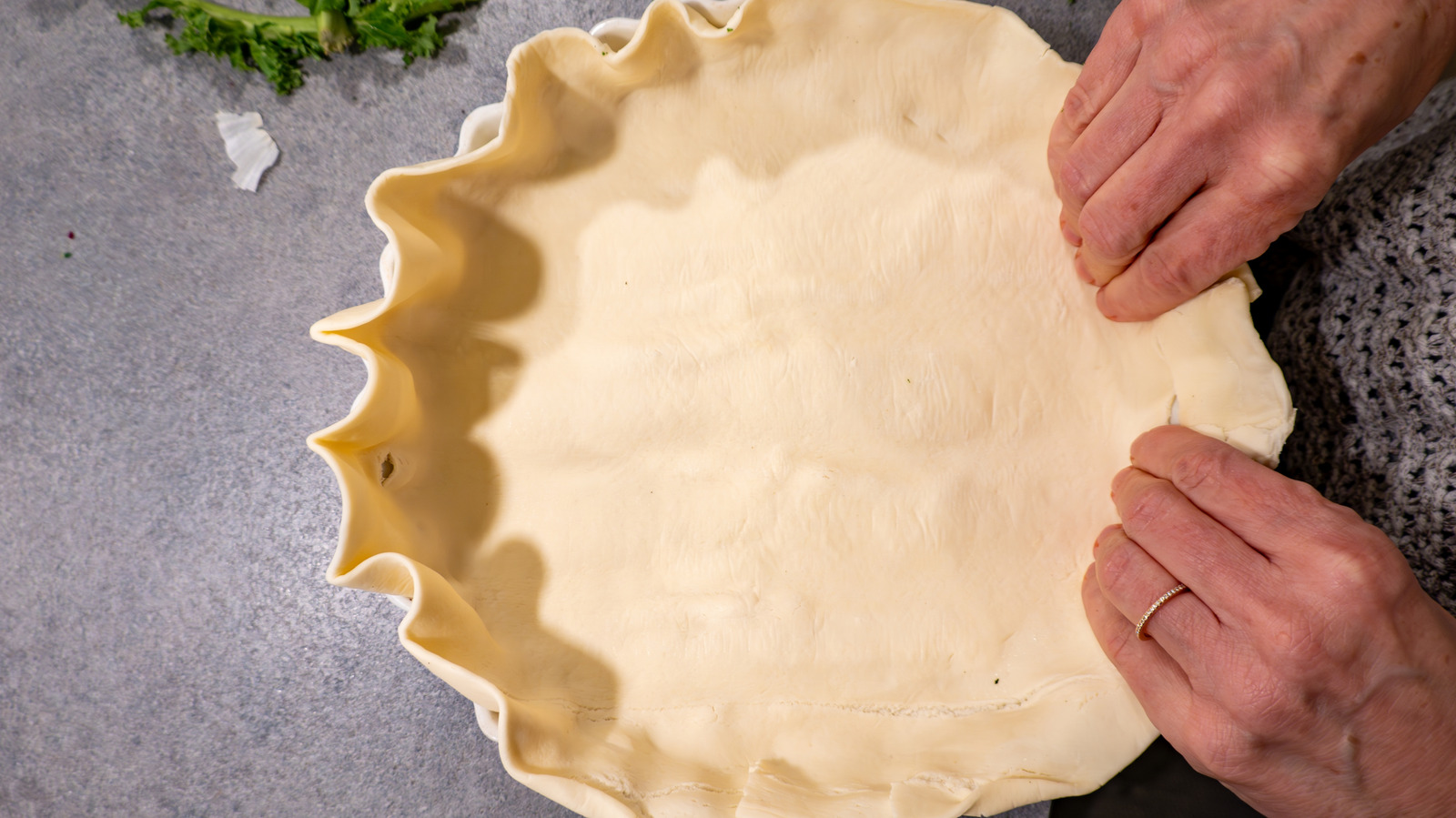
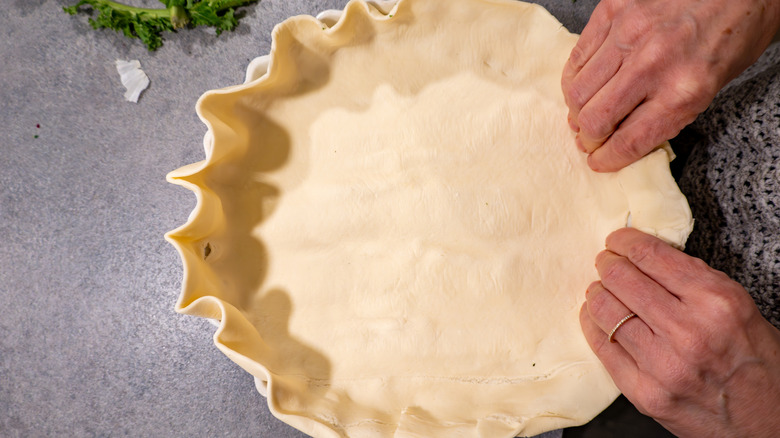
Amateur bakers frequently commit the blunder of stretching their rolled dough to force it into the corners of a pie pan. While it may look neat in the pan initially, stretched dough possesses elastic memory; it will violently snap back and shrink during baking.
- The Fix: Always roll your dough so that it is significantly larger than the pie pan. Pick the pastry up loosely and drape it into the pan without tension, gently pressing—never stretching—it into the contours.
9. Not Leaving Any Overhang
When trimming excess pastry from the rim of a pie pan, it is tempting to slice it flush with the edge. Doing so is a mistake, as pie dough naturally contracts during baking. A flush crust will pull down into the pan, leaving inadequate depth for the filling.
- The Fix: Leave a 1-inch overhang for double-crusted pies to allow for crimping and sealing top and bottom layers, and a ½-inch overhang for single-crust pies.
10. Blind Baking Incorrectly
When preparing pies with pre-cooked or cream-based custard fillings, the crust must be "blind baked" beforehand. Failing to weigh down or dock the crust results in an inflated, puffed-up pastry that leaves no room for the filling.
- The Fix: Chill the fitted dough for 30 minutes. For thick fillings, dock the bottom by pricking holes with a fork. Line the pastry with parchment paper, fill it with raw beans or ceramic pie weights, and bake according to recipe specifications.
Supporting Data: The Science of Pastry Failure
Understanding the physical transformations of baking helps contextualize why these strict guidelines exist:
- Gluten Threshold: Flour contains gliadin and glutenin. When hydrated and agitated, they form gluten. In bread, this is desirable; in pastry, it is structural poison. Fat molecules hydrophobicly coat the flour, delaying hydration and keeping gluten development under 5%.
- Melting Point of Butter: Butter melts between 90°F and 95°F (32°C to 35°C). If ambient kitchen temperatures or hand warmth exceed this during mixing or rolling, the emulsion breaks, water escapes, and flakiness is lost.
- Steam Expansion: Water vaporizes at 212°F (100°F). The trapped water inside discrete butter pockets flashes into steam in a 400°F oven, expanding to roughly 1,600 times its original volume—the sole mechanical driver of flaky pastry layers.
Official Responses and Culinary Consensus
Renowned culinary institutions and master pastry chefs globally share an unwavering consensus regarding these principles.
In statements regarding classical pastry arts, master instructors from institutions like Le Cordon Bleu emphasize that pastry is less an intuitive art and more an applied science. "The pastry chef does not fight the ingredients; they manage temperatures," notes master patisserie curriculum directors. "Butter must remain cold, gluten must remain dormant, and water must be strictly controlled. Violate one rule, and the chemical chain reaction collapses."
Similarly, testing kitchens across major culinary publications consistently validate that temperature control and minimal handling are the two defining variables separating amateur bakes from professional-grade pastries.
Implications for Home Bakers
Mastering the pie crust extends far beyond a single dessert. The techniques required to conquer pie pastry—temperature management, fat distribution, and gluten control—form the foundational bedrock of all advanced baking.
Once a baker understands why cold butter and minimal mixing yield a tender pie crust, those exact principles unlock the secrets to superior laminated pastries, including croissants, puff pastry, biscuits, and scones. By correcting these ten common mistakes, home bakers elevate not just their pies, but their overall confidence and competence in the kitchen.
 Basiran
  Neng Nana
  Dwi Wanna