
 By Sagoh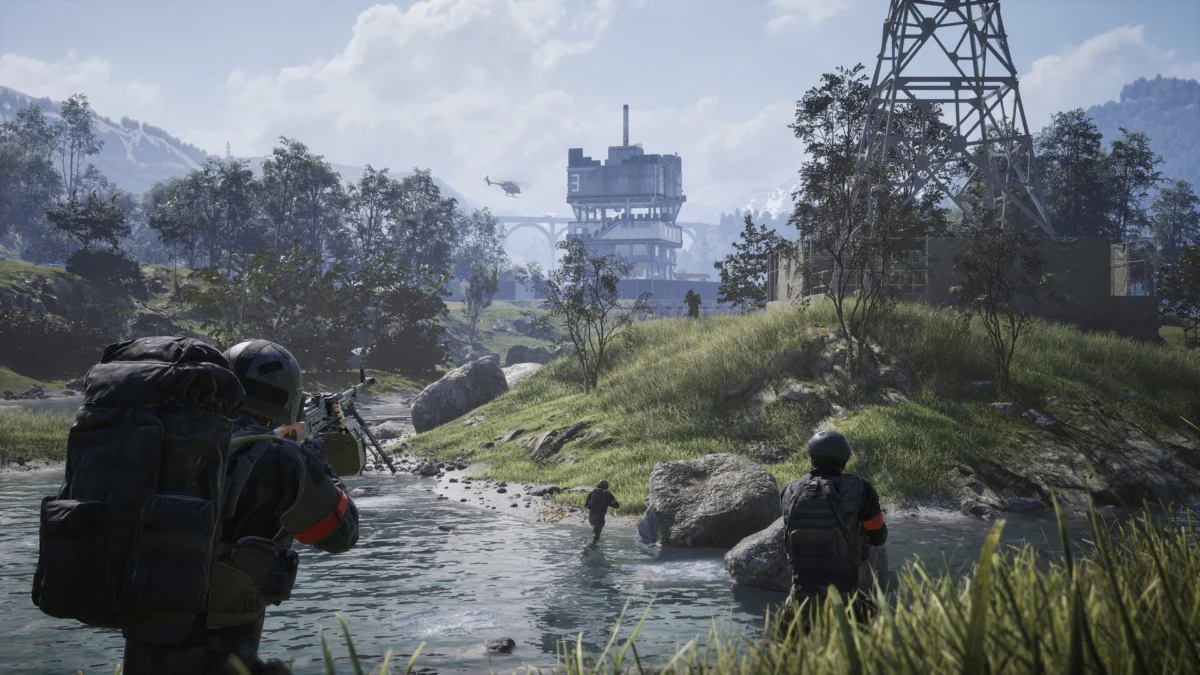
The landscape of the modern tactical shooter is notoriously unforgiving. Saturated with high-budget live-service behemoths and niche military simulators, the market rarely makes space for new contenders. Yet, Wardogs—the ambitious new title from Derby-based developer Bulkhead—has shattered expectations, proving that transparency and unique gameplay mechanics can still drive historic engagement.
Within hours of its arrival on Steam Early Access, Wardogs achieved what many established franchises struggle to do over their entire lifespans: it sold over one million copies and sustained a concurrent player count exceeding 350,000. While these figures represent a monumental victory for the independent studio, they also highlight the volatile reality of modern server infrastructure, as the sudden influx of players led to immediate, widespread congestion issues.
The Core Gameplay: A Triple-Threat Arena
At its heart, Wardogs distinguishes itself through a chaotic, high-stakes formula that deviates from the standard team-deathmatch tropes. The game pits up to 100 players against one another in a three-way battle for territory. This structure forces strategic complexity, as alliances are fleeting and control points require constant defense.
Beyond the tactical gunplay, the game integrates a multifaceted approach to combat:
- Dynamic Base Construction: Players can fortify positions in real-time, turning barren environments into defensive strongholds.
- Vehicular Warfare: Seamless transitions between infantry and mechanized combat ensure that the battlefield is never static.
- Destructible Terrain: Utilizing proprietary engine technology, Bulkhead has implemented a level of environmental destruction that fundamentally alters sightlines and pathing during the course of a single match.
Chronology of a Viral Launch
The trajectory leading to this record-breaking launch was anything but conventional. Unlike many developers who rely on cinematic trailers and grandiose promises of "the next big thing," Bulkhead took a radically different path.
The Pre-Launch Strategy
In the months leading up to the Early Access release, the studio maintained a posture of aggressive honesty. Rather than masking the game’s potential flaws, CEO Joe Brammer and his team actively engaged in a campaign of transparency. This culminated in the "10 Reasons NOT to Buy" marketing campaign—a daring move that aimed to manage expectations and ensure that the initial player base consisted of users who were genuinely invested in the game’s development roadmap rather than fleeting internet hype.
.jpg?width=570&quality=85&format=jpg&dpr=3)
The Launch Window
The launch day itself saw a surge that caught even the developers off guard. By the time the game went live on Steam, the server infrastructure—despite being stress-tested during the closed beta—struggled to cope with the sheer volume of simultaneous connection requests. As reports flooded social media, the narrative shifted from simple excitement to a test of Bulkhead’s responsiveness. Throughout the following 48 hours, the team worked around the clock to stabilize the backend, gradually bringing the server capacity in line with the massive demand.
Analyzing the Data: Why Wardogs Resonated
Industry analysts have pointed to several factors that explain the "Wardogs Effect." The gaming public has grown increasingly weary of predatory monetization and "over-promised, under-delivered" releases. By inviting players to buy into a project that explicitly labeled itself as a work-in-progress, Bulkhead fostered a unique sense of ownership among its community.
The SteamDB data confirms that the momentum was not just a flash in the pan. The peak concurrent player count, which surpassed 350,000, suggests a high level of "stickiness." Players weren’t just logging in to try the game; they were remaining in the ecosystem, experimenting with the base-building mechanics and participating in the massive, three-way territorial conflicts.
Official Responses and the Road Ahead
Following the chaotic but successful launch, Joe Brammer addressed the community with a blend of humility and determination.
"To cross a million copies sold as we launch into early access is mental," Brammer stated in an official press release. "We’ve spent the last few months showing people exactly what Wardogs is, what it isn’t, and at one point literally gave everyone ten reasons not to buy it. We didn’t want people buying into blind hype."
Brammer’s statement underscores a pivotal shift in how developers are communicating with their audiences. By treating the player base as partners in the development process rather than mere consumers, Bulkhead has built a reservoir of goodwill that will be essential as the game moves through its Early Access phase.

The Development Roadmap
Bulkhead has made it clear that the current build is merely the foundation. The studio’s long-term strategy involves:
- Iterative Balancing: Using telemetry data from the first week to adjust the efficacy of vehicle combat and base construction.
- Community-Driven Features: Prioritizing requested quality-of-life updates over massive content expansions.
- Stability First: Addressing the "launch-day blues" by bolstering server architecture to support future player spikes.
Implications for the Future of the Genre
The success of Wardogs sends a powerful message to the industry. It suggests that the "AA" and "Independent" sectors are becoming the primary drivers of innovation in the shooter space. While major publishers struggle with the prohibitive costs of developing AAA titles, studios like Bulkhead are leveraging niche appeal and transparent communication to capture massive audiences.
The Console Question
While currently a PC-exclusive, the roadmap for Wardogs is expansive. Bulkhead has officially confirmed that PlayStation 5 and Xbox Series X/S versions are in development. However, in an industry where launch dates are frequently missed, the studio’s decision to aim for a 2028 window—while seemingly far off—demonstrates a commitment to avoiding "crunch culture" and ensuring that the console ports are optimized rather than rushed.
Sustaining the Interest
Bulkhead has explicitly stated that it does not expect to maintain the 350,000 concurrent player peak indefinitely. The studio plans to implement a "slower drip" of content. This strategy aims to avoid the common pitfall of early-access games that burn through their content too quickly, leaving players with nothing to do after the first few weeks. By pacing the introduction of new maps, weapon variants, and construction assets, Bulkhead intends to cultivate a sustainable, long-term player base.
Conclusion: A New Blueprint for Success
Wardogs is more than just a successful tactical shooter; it is a case study in modern community management. By leaning into its identity as a gritty, evolving, and imperfect project, the game has managed to cultivate a dedicated following that values honesty over polish.
As the team at Bulkhead transitions from the high-octane excitement of the launch to the quiet, grueling work of long-term development, the eyes of the industry remain fixed on Derby. If they can continue to bridge the gap between developer vision and player feedback, Wardogs may well become the definitive tactical shooter of the coming decade. For now, the game stands as a testament to the power of authenticity in a world of manufactured hype.
 Pevita Pearce
  Asep Darmawan