
 By Pevita Pearce
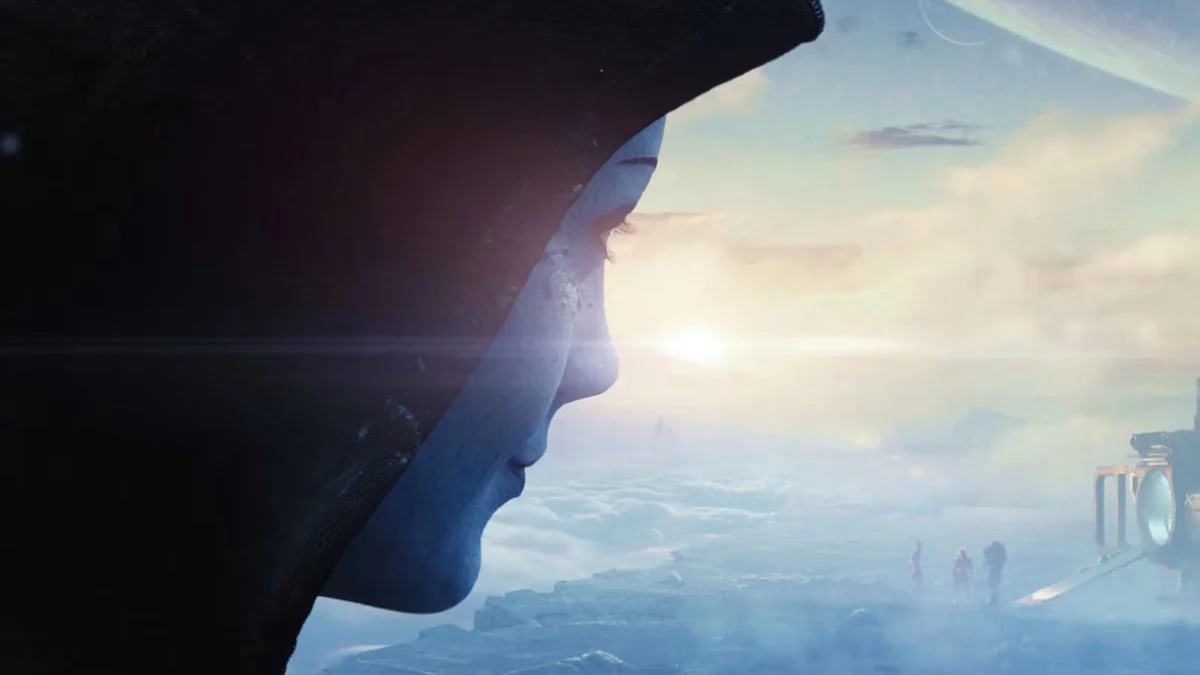
In an era where digital storefronts and live-service models often dictate the longevity of intellectual property, few franchises have commanded the visceral, unwavering loyalty of Mass Effect. Last week, the gaming landscape shifted dramatically when Electronic Arts (EA) confirmed the shuttering of BioWare—the legendary studio responsible for the Baldur’s Gate, Dragon Age, and Mass Effect franchises—and the subsequent cancellation of the highly anticipated Mass Effect 5.
For many, this was not merely a corporate restructuring; it was the final chapter of a cultural touchstone. Yet, rather than mourning in silence, the Mass Effect community has mobilized with unprecedented fervor. Under the banner of "#SaveMassEffect," fans have launched a global campaign that has evolved from social media hashtags into high-visibility, real-world demonstrations, including a prominent billboard in the heart of New York City’s Times Square.
A Chronology of a Corporate Collapse
The events leading to this outcry were as sudden as they were devastating. The closure of BioWare by Electronic Arts marked the end of an era for the industry. BioWare, founded in 1995, had long been considered the gold standard for narrative-driven RPGs. The cancellation of the untitled Mass Effect 5 project—a game that fans had been tracking for years through cryptic teasers and concept art—sent shockwaves through the gaming community.
- Mid-October 2026: Initial rumors regarding the stability of BioWare begin to circulate among industry insiders.
- Late October 2026: EA officially announces the closure of BioWare’s studios in Edmonton and Austin. The announcement confirms that all current projects, including the next Mass Effect entry, have been terminated indefinitely.
- October 24, 2026: The "#SaveMassEffect" movement gains immediate traction on X (formerly Twitter) and Reddit, with thousands of users sharing their memories of Commander Shepard and the crew of the Normandy.
- October 26, 2026: The movement achieves its first major milestone with a 15-second spot on a massive billboard in Times Square, NYC, featuring the phrase "Kellah Si’yah"—a poignant nod to the migrant ships of the Quarian fleet.
The speed with which the community organized suggests that the bond between Mass Effect and its player base is not merely transactional, but deeply emotional.
The Strategy: From Hashtags to Hardwood
The "We Are Mass Effect" collective, spearheaded by prominent community figures like Kala Elizabeth and organizer Mer Mora, has adopted a sophisticated, multi-pronged approach to pressuring Electronic Arts. This is not a disorganized outburst; it is a calculated public relations campaign designed to keep the franchise in the headlines.
"Apart from the Times Square billboard, we also have several other initiatives in the works," explains Mer Mora. The logistics are extensive. The group is planning an advertising truck to circle EA’s corporate headquarters in Redwood City, California, as well as a secondary presence in Edmonton, Alberta—the historical home of BioWare. Perhaps most ambitiously, the group is coordinating a mobile billboard presence for N7 Day (November 7) and is actively planning to maintain a presence at The Game Awards in Los Angeles, ensuring that the fate of the franchise remains a talking point for industry leaders and journalists alike.
The brilliance of this campaign lies in its self-sufficiency. Unlike typical fan petitions that gather digital signatures and fade away, this movement is crowdfunded. A GoFundMe page has been established, and the response from the community has been overwhelming. According to organizers, the sheer volume of donations has far exceeded the initial costs required for the billboards, leading to a humanitarian pivot that has garnered even more goodwill for the movement.
Supporting Data and The Power of the Petition
The backbone of the campaign is a Change.org petition that has seen a meteoric rise in signatures. As of this week, the tally has surpassed 226,000, with signatures continuing to climb by the thousands every hour.
The petition’s demands are clear, yet flexible:
- Direct Investment: That EA reconsider the cancellation and commit to the continued development of Mass Effect under a new internal team.
- Licensing: If EA is unwilling to develop the game themselves, the petition calls for the rights to be licensed to an external studio capable of maintaining the series’ narrative integrity.
This data is significant because it provides tangible proof of market demand. While EA’s financial analysts may view the franchise as a liability in a shifting market, the petition serves as a quantitative argument for the brand’s latent value. Investors and shareholders often overlook the "soft" value of fan loyalty, but the sheer volume of signatures represents a massive, ready-made audience that is actively asking for a product.
Solidarity with the Developers: The Human Element
A defining characteristic of the #SaveMassEffect movement is its empathy for the workers affected by the closure. Rather than solely focusing on the loss of their favorite game, the organizers have integrated support for displaced developers into their mission.
"Any funds raised beyond our goal will be donated to the Game Workers’ Hardship Fund," says Mora. The fund, operated by the United Videogame Workers union (UVW-CWA), provides critical financial support to developers who have been laid off across the United States and Canada. By linking the survival of the game to the survival of the people who made it, the #SaveMassEffect campaign has elevated its status from a "fan demand" to a broader labor rights issue within the gaming industry.
This symbiotic relationship between players and developers is a rare sight in the modern gaming landscape, where the disconnect between the two groups often leads to toxicity. In this case, the fans are acting as a megaphone for the industry’s most vulnerable employees.
Official Responses and The Silence of EA
To date, Electronic Arts has remained largely silent regarding the #SaveMassEffect campaign. In the wake of the closure, the company issued a brief statement regarding the "strategic consolidation" of its portfolio, but no specific mention of the Mass Effect IP’s future has been provided.
Industry analysts suggest that this silence is standard corporate procedure during a period of transition. However, the pressure is mounting. When a brand’s IP is as culturally significant as Mass Effect, the risk of brand damage—if the IP is left to gather dust—can eventually outweigh the cost of development. The question now is whether EA views Mass Effect as a dormant asset or a write-off.
The Broader Implications: What Does This Mean for Gaming?
The #SaveMassEffect movement represents a turning point in how consumers interact with major publishers. We are seeing a shift from passive consumption to active advocacy. If this movement succeeds, it could set a precedent for other franchises facing cancellation, proving that a dedicated, organized community can force a corporate hand.
If it fails, it serves as a stark reminder of the power imbalance between global conglomerates and the communities that sustain them. As the industry continues to move toward consolidation and "safe" bets, the loss of Mass Effect—a series defined by its complex characters, moral choices, and sprawling narrative—feels like a loss of ambition in the medium itself.
Conclusion: Holding the Line
As N7 Day approaches, the eyes of the gaming world will be on the organizers of the #SaveMassEffect movement. Whether or not the campaign forces a change in policy, it has already achieved something remarkable: it has kept the spirit of the Normandy alive.
The mantra "Hold the Line" was once a battle cry for the fictional forces defending the galaxy. Today, it is the motto for a community that refuses to let its favorite story end on a corporate spreadsheet. For the thousands of fans in Times Square, in Edmonton, and across the globe, the fight is not just about a game—it’s about the right of an audience to see the stories they love through to their conclusion.
The campaign continues, the billboards remain lit, and the message to Electronic Arts is clear: the fans are not going anywhere. The mission, it seems, is far from over.
 Asep Darmawan
 Azzam Bilal Chamdy
