
 By Jia Lissa
By Culinary Research Desk
When it comes to the pantheon of baking essentials, few ingredients hold as much reverence as butter. Serving as the foundational building block for the world’s best cookie recipes, butter does far more than simply add flavor; it is a masterclass in culinary chemistry, responsible for imparting moisture, structural integrity, and the coveted tender crumb that separates a mediocre bake from an unforgettable one.
While experienced bakers often debate the merits of salted versus unsalted varieties—primarily concerning flavor control—a new geographical and agricultural debate has taken center stage in home kitchens: the choice between American and Irish butter.
Fueled by the rising popularity of imported European dairy brands like Kerrygold, bakers are increasingly reaching for Irish butter to elevate their bakes. However, swapping standard American sticks for their emerald-isle counterparts is not a simple one-to-one exchange. Due to fundamental differences in fat-to-water ratios, cow diets, and manufacturing processes, Irish butter behaves entirely differently in the oven. For bakers looking to master their craft, understanding these scientific nuances is the difference between cookie perfection and a baking disaster.
Main Facts: The Science and Composition of Irish vs. American Butter
To understand how Irish butter transforms a batch of cookies, one must first look at the dairy farm. The primary differentiator between American butter and Irish (or broad European) butter is the butterfat content.
- The Butterfat Breakdown: Under United States Department of Agriculture (USDA) guidelines, butter must contain a minimum of 80% butterfat. The remaining 20% is comprised of water and milk solids. In contrast, Irish butters—exemplified by powerhouse brands like Kerrygold—routinely boast a butterfat content of 82% or higher.
- The Moisture Deficit: That seemingly small 2% difference translates to a significantly lower water content in Irish butter. Because water creates steam in the oven—which helps cookies rise and develop a cakey, soft texture—using a lower-moisture fat source drastically alters the physical structure of the bake.
- The Grass-Fed Advantage: Irish dairy cows spend an estimated 300 days a year grazing on lush, nutrient-rich pastures fueled by Ireland’s temperate, rainy climate. This natural grass-fed diet is rich in beta-carotene, which imparts a naturally vibrant yellow hue to the butter and delivers a complex, nutty, and distinctly rich flavor profile that grain-fed American cows simply cannot replicate.
- Texture and Viscosity: Irish butter has a higher concentration of unsaturated fats due to the cows’ pasture-based diet, making it physically softer and more spreadable straight out of the refrigerator than harder American sticks.
Chronology: The Evolution of the European Butter Craze in American Kitchens
The integration of Irish butter into mainstream American baking is a relatively recent phenomenon, marked by shifting consumer preferences and global trade dynamics.
- Pre-2010s (The Domestic Standard): For generations, American home baking was almost exclusively dominated by domestic butter brands. Recipes found in classic American cookbooks—from The Joy of Cooking to Toll House adaptations—were formulated strictly around the 80% butterfat standard of American dairy. European butter was largely viewed as a specialty item reserved for high-end French pastry laminated doughs like croissants and puff pastry.
- The 2010s (The Import Boom): Driven by food television, social media, and an increasing consumer demand for "clean label" and grass-fed products, imports of Irish dairy skyrocketed in the United States. Brands like Kerrygold established a massive foothold in grocery store dairy aisles, transitioning from a gourmet luxury to an everyday grocery staple.
- The Modern Baking Era (The Experimentation Phase): As home bakers began utilizing Irish butter across all culinary applications—spreading it on toast, melting it over vegetables, and throwing it into cookie dough—they quickly noticed unexpected anomalies. Cookies were spreading wider, turning crisper, and browning faster. Food science blogs, culinary laboratories, and test kitchens began investigating the phenomenon, leading to the current consensus: while Irish butter makes bakes taste infinitely richer, it fundamentally rewrites the rules of cookie architecture.
Supporting Data: How Higher Fat Content Alters Cookie Chemistry
Baking is, at its core, an exact science. When a baker alters the fat-to-liquid ratio by substituting 80% American butter with 82% Irish butter, a cascading series of chemical reactions occurs in the mixing bowl and the oven.
[Irish Butter (82% Fat)]
       │
       ├─► Less Water Content ──► Less Steam Generation ──► Reduced Caking / Flatter Spread
       │
       ├─► Higher Fat Density ──► Faster Melting Rate ──► Crispier Edges & Quicker Browning
       │
       └─► Richer Flavor Profile ──► Heightened Buttery Depth (Ideal for Shortbread)
1. Spread and Structure
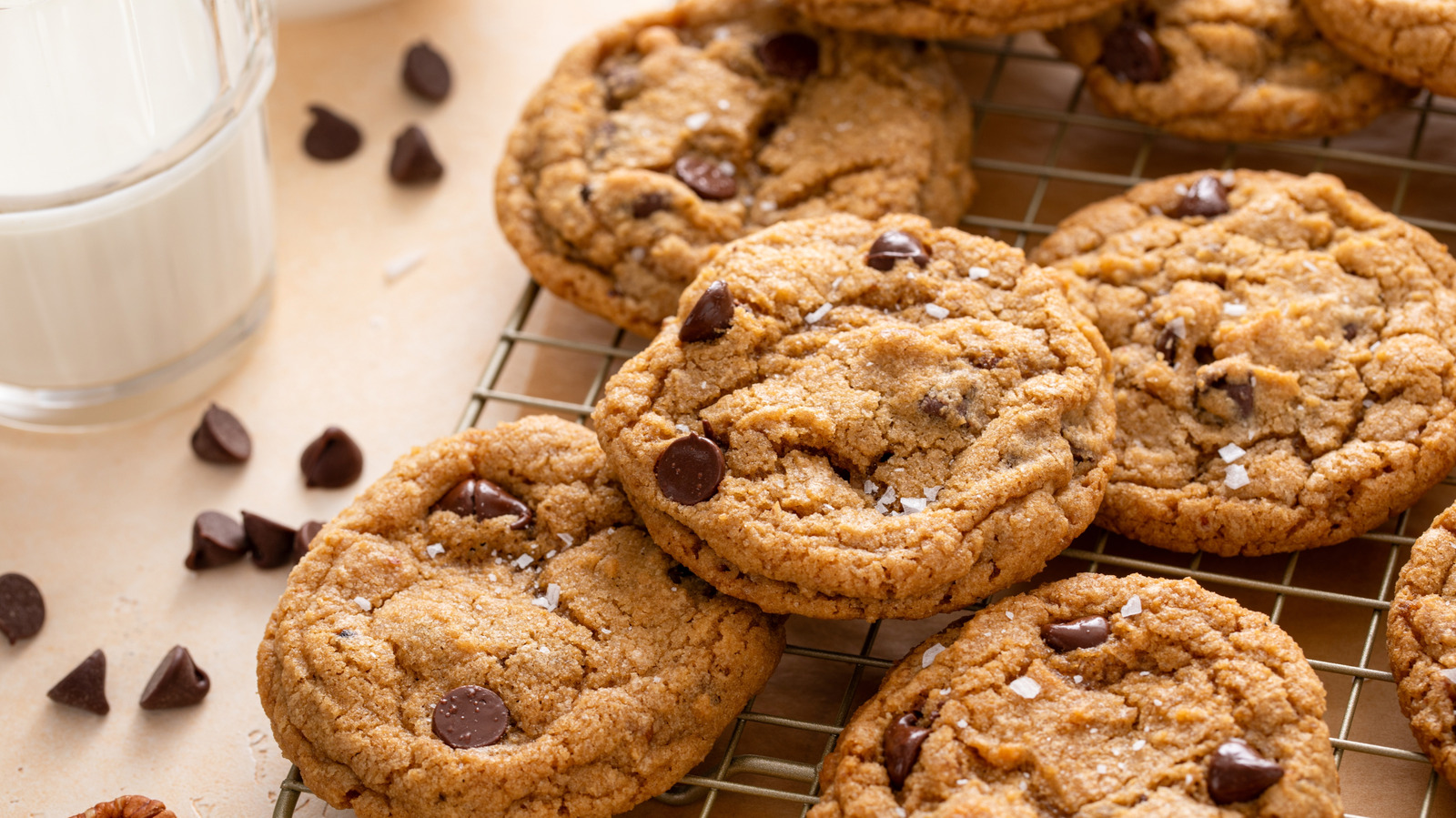
Because Irish butter contains less water and a softer crystalline structure, it melts at a lower temperature than American butter. When introduced to the heat of the oven, the cookies will spread out significantly faster on the baking sheet before the flour structure has time to set. The result? Thinner, flatter cookies that lack the characteristic central "dome" found in traditional American cookie recipes.
2. Crispness and Browning
The elevated fat content, combined with milk solids that caramelize rapidly under heat, means cookies baked with Irish butter develop deep, golden-brown edges much faster. For cookies meant to be crisp—such as shortbread, ginger snaps, or lace cookies—this is a massive advantage. However, for soft-baked, chewy chocolate chip cookies, it can result in a texture that is overly crisp or brittle if not properly managed.
3. The Creaming Advantage
One structural benefit of Irish butter’s softer consistency is its ability to reach room temperature rapidly. When recipes call for creaming butter and sugar together to trap air pockets (which creates a lighter, airier cookie), soft Irish butter excels at incorporating sugar crystals efficiently.
Official Responses and Expert Culinary Insights
Culinary experts, pastry chefs, and test kitchen directors have weighed in extensively on the proper applications of European and Irish butter in domestic baking.
According to prominent pastry instructors, the key to successful baking with Irish butter is recipe adaptation.
"You cannot simply swap out American butter for Irish butter in a delicate cookie recipe and expect identical results," notes a senior culinary researcher at a major U.S. test kitchen. "Because you are reducing the water content, you are altering the gluten development and steam-leavening capability. If you want the incredible flavor of Irish butter without sacrificing the chewy texture of your favorite cookie, you often have to compensate by slightly increasing the liquid content—such as adding an extra splash of vanilla extract or an additional tablespoon of milk—or by heavily chilling your dough."
Baking scientists also emphasize the importance of temperature control. Because Irish butter melts so rapidly, chilling the cookie dough balls in the refrigerator for at least 30 to 60 minutes before baking is no longer optional—it is a mandatory step. The refrigeration firms up the butterfat, delaying the melt time in the oven and successfully preventing excessive spreading.
Furthermore, pastry chefs universally agree that for non-leavened or butter-forward cookies—most notably Scottish shortbread or butter cookies—Irish butter is unmatched. In these applications, where butter is the primary flavor driver, the rich, complex, grass-fed dairy notes shine without competition from chemical leaveners like baking soda or baking powder.
Implications for Home Bakers: How to Adapt Your Kitchen Strategy
For the home baker standing in front of the refrigerator holding a golden brick of Kerrygold, the implications of this dairy divergence require a strategic shift in technique. To successfully utilize Irish butter in your cookie repertoire, consider the following actionable strategies:
- Embrace the Chill: Always refrigerate your cookie dough when using high-fat European butter. This offsets the low melting point and preserves the structural height of your cookies, preventing them from fusing into a single, giant baking-sheet sheetpan cookie.
- Match the Cookie Type to the Butter: Reserve Irish butter for recipes where a rich, buttery depth of flavor is paramount and a flatter, crisper texture is desirable (shortbread, butter cookies, sandies). For ultra-chewy, thick, bakery-style cookies, standard American butter remains a safer default unless you are willing to tweak flour and moisture ratios.
- Conduct a Control Test: The ultimate way to understand the dichotomy is through experimentation. Bake one batch of your favorite family cookie recipe using standard American butter, and immediately follow it with a second batch using Irish butter. Compare the visual spread, edge crispness, and flavor profiles side-by-side.
Ultimately, Irish butter is not "ruining" your bakes—provided you understand its scientific footprint. By respecting its unique composition, adjusting your chilling times, and matching it to the right style of cookie, you can harness the rich, pasture-raised flavor of Ireland to elevate your homemade sweets to professional heights.
 Reynand Wu
 Nana Muazin
 Nana
