 By Laily UPN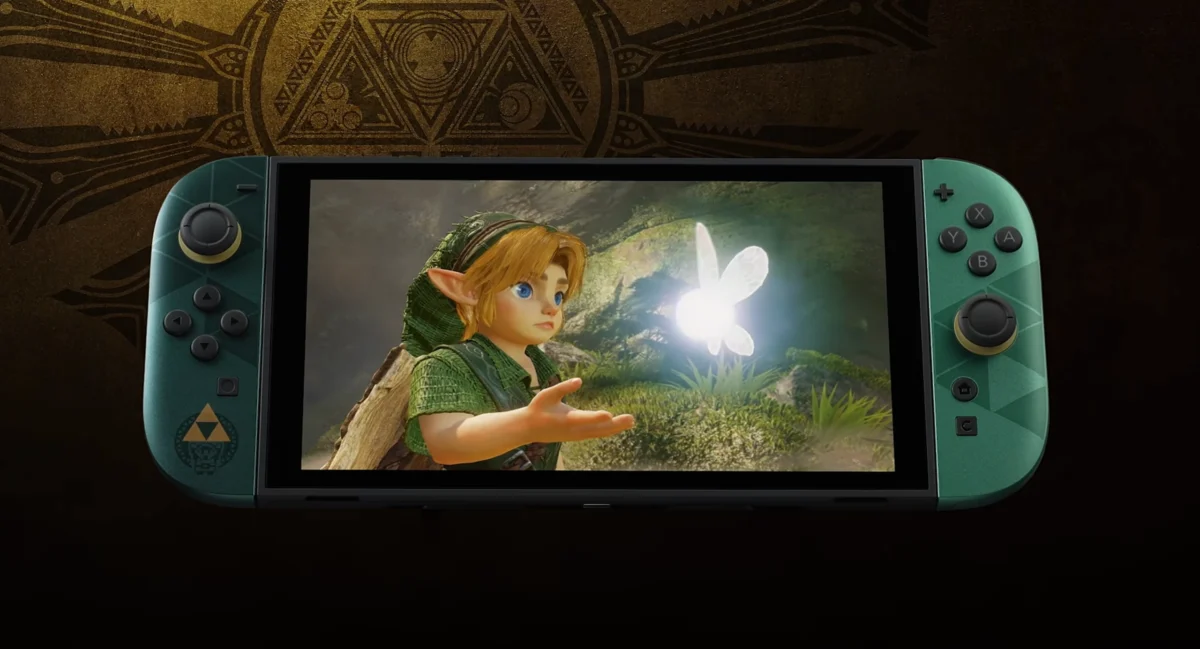
The intersection of fan nostalgia and high-tech anticipation has once again collided with the harsh realities of the secondary market. Following a highly publicized Nintendo Direct presentation earlier this week, the newly announced "Legend of Zelda 40th Anniversary Edition" Nintendo Switch 2 became the object of a massive, albeit brief, consumer frenzy. Within minutes of preorders going live at major retailers, the limited-edition console vanished from digital storefronts, immediately reappearing on platforms like eBay at staggering markups.
This incident highlights a recurring frustration for the gaming community: the inability to secure hardware during initial release windows, often exacerbated by automated scalping bots and a scarcity of stock that seems to favor opportunistic resellers over dedicated fans.
The Core of the Hype: A Celebration of Hyrule
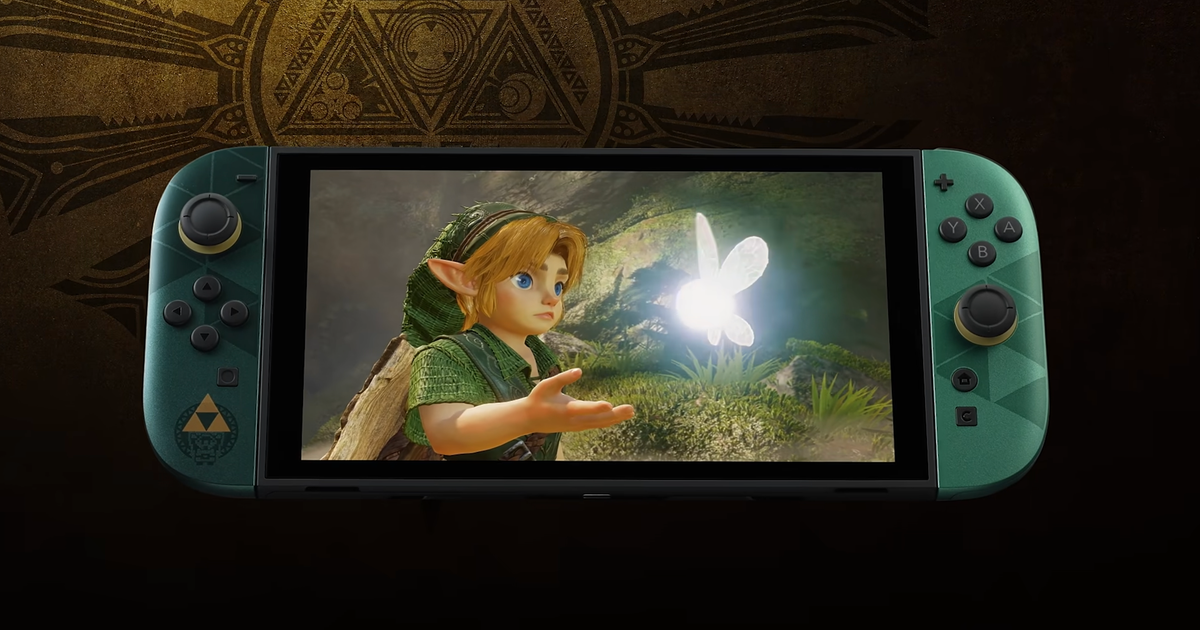
The 40th anniversary of The Legend of Zelda is a landmark moment in gaming history, and Nintendo has leaned heavily into the prestige of the franchise. The special edition Switch 2 features a bespoke aesthetic design, characterized by "Link-green" Joy-Cons and a sophisticated, metallic-gold triangular pattern inspired by the iconic Triforce.
Beyond the console itself, the collection includes a custom-designed Pro Controller and a premium carry case, both echoing the same Hylian-inspired motifs. The package is clearly intended as a centerpiece for long-term collectors, which has significantly driven up the perceived value of the hardware. The retail price was set at approximately £435—a modest £15 premium over the standard Switch 2 model—making it an attractive purchase for both casual enthusiasts and hardcore collectors alike.
A Chronology of the Sell-Out
The timeline of this release has been defined by speed and frustration.
- Monday, September 7: Nintendo airs a dedicated "Legend of Zelda 40th Anniversary Nintendo Direct," officially unveiling the console and the Ocarina of Time remake.
- Tuesday, September 8: Retailers announce that preorders will open at 10:00 AM local time across various regions.
- Tuesday, September 8 (10:02 AM): Major retailers report that their initial allocations of the limited-edition console are entirely exhausted.
- Tuesday, September 8 (11:00 AM): The first wave of scalper listings begins appearing on secondary marketplaces.
- Wednesday, September 9 – Present: The market stabilizes at inflated prices, with some resellers bundling the console with the Ocarina of Time remake to justify premiums exceeding 100% of the retail price.
The speed at which the inventory was depleted has left many fans questioning the efficacy of retailer queue systems. Many users reported being placed in virtual waiting rooms, only to be told that the items were sold out the moment they reached the checkout page.
The Scalper Economy: By the Numbers
The data emerging from secondary markets is alarming. According to trackers, the average resale price for the console currently sits between $700 and $985 (£520–£730), representing a markup of 60% to 125% above the manufacturer’s suggested retail price (MSRP).
Notably, some listings are misleading. Several eBay sellers have bundled the console with the Ocarina of Time remake—a title that is sold separately and launches a week after the hardware. These "bundle" listings are often priced at the higher end of the spectrum, capitalizing on consumer confusion regarding whether or not the game is included in the base package.
These practices are not unique to the gaming industry, but they remain particularly prevalent in hardware launches. The use of automated scripts—commonly known as "bots"—allows resellers to bypass standard consumer purchase limits, effectively clearing store inventory before a human user can even load the payment screen.
The Official Stance: Nintendo’s Silence
As of this writing, Nintendo has not issued a formal response regarding the supply chain issues or the rampant scalping. The company has not provided details on potential restocks, nor have they announced if the limited edition will be made available for direct purchase through the official Nintendo Store.
Historically, Nintendo has been hesitant to address the secondary market directly. While they often produce limited runs of hardware to create artificial scarcity and drive "must-have" sentiment, they have also faced consistent criticism for not providing enough stock to meet legitimate demand. Without a statement from the company, fans are left to speculate whether this is a truly limited run or if a second wave of production is already in the works.
Implications for the Gaming Industry
The immediate fallout of this launch raises several questions about the future of limited-edition hardware.
1. The Death of the "Fair Launch"
The recurring issue of scalpers suggests that traditional preorder models are failing the consumer. Retailers are currently incentivized to move inventory as quickly as possible, regardless of who is buying it. Unless companies implement stricter identity verification or "purchase-by-invitation" systems—similar to what Sony occasionally employed for the PS5—the status quo is unlikely to change.
2. The Impact on Brand Loyalty
While Nintendo’s brand remains incredibly strong, repeated negative experiences regarding accessibility can eventually sour the consumer relationship. For many fans, the excitement of an anniversary celebration has been replaced by the bitterness of being priced out by speculators. When a fan feels they must choose between waiting for a potentially non-existent restock or paying double the price to a stranger, the positive association with the product is diminished.

3. The Shift Toward Digital Bundles
The confusion regarding the Ocarina of Time remake suggests that consumers are increasingly looking for "all-in-one" solutions. Nintendo’s decision to launch the console on October 29th, a full week before the game’s release on November 5th, created a logistical gap that scalpers have effectively exploited. Future releases may benefit from tighter synchronization between hardware and software, or clearer communication regarding what is included in special editions to prevent consumer exploitation.
Looking Ahead
The Legend of Zelda 40th Anniversary Edition Switch 2 is a testament to the enduring power of one of gaming’s greatest legacies. However, the current state of its distribution is a cautionary tale for both manufacturers and retailers.
As we approach the October 29th launch date, the secondary market will likely remain volatile. Fans who missed out are faced with a difficult choice: wait for a potential, though unconfirmed, restocking announcement or accept that the cost of entry for this piece of history may remain prohibitively high.
For now, the story serves as a reminder of the need for improved infrastructure in digital retail. Until retailers and manufacturers work in tandem to prioritize human buyers over automated systems, the "Zelda" experience will continue to be gated behind a wall of exorbitant markups.
As the gaming community looks toward the release of the Ocarina of Time remake, the hope remains that Nintendo will acknowledge the overwhelming demand and provide a path for fans to obtain these consoles at their intended value, rather than allowing the market to be dictated by those looking to profit from the passion of others.
 Sagoh
Sagoh  Suro Senen
  Ammar Sabilarrohman