
 By Pevita Pearce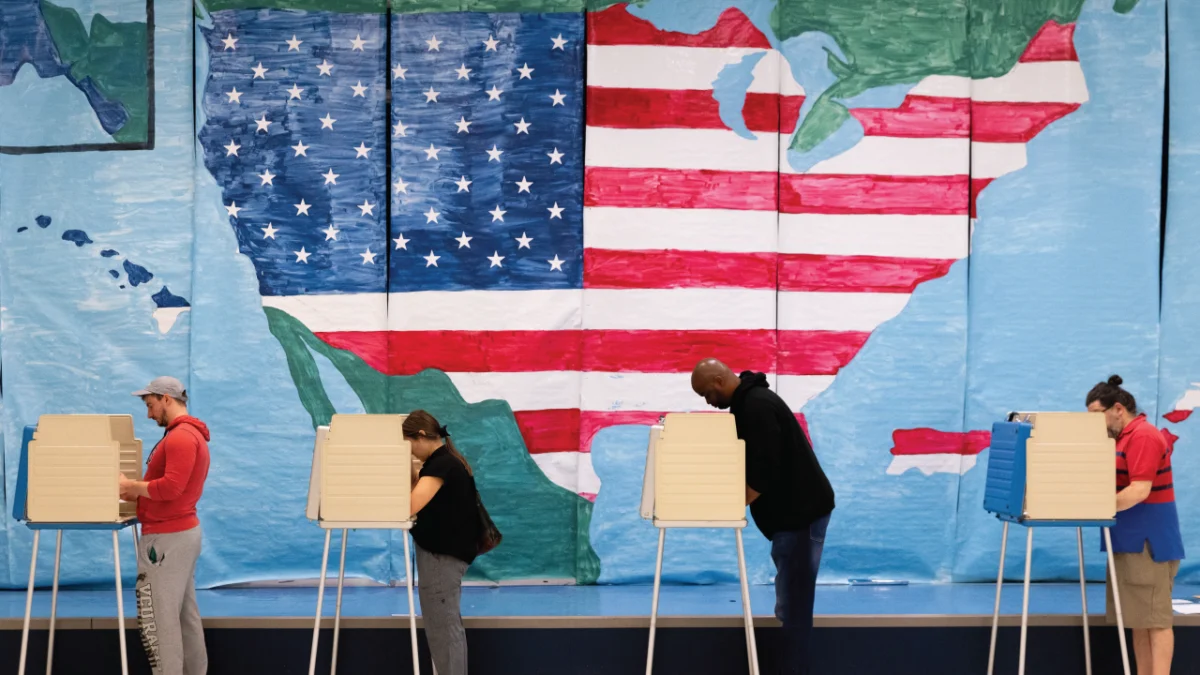
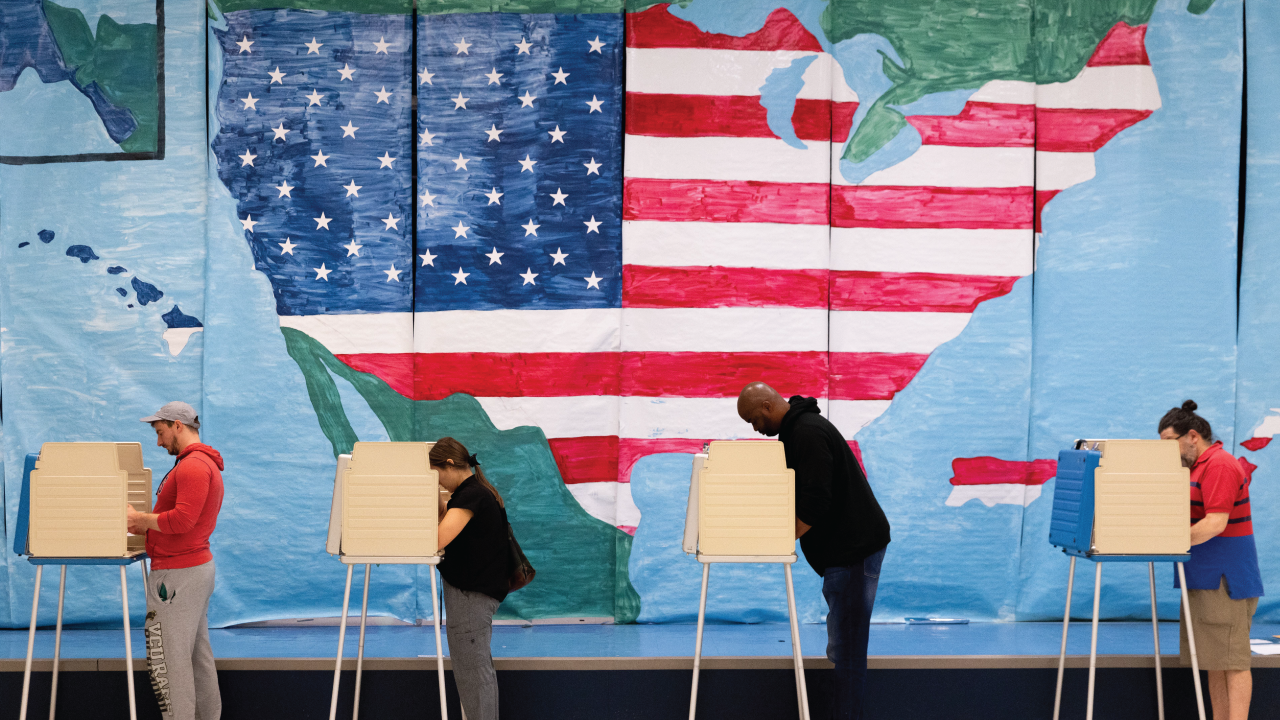
WASHINGTON — As the United States marches toward the 2026 midterm elections, the fundamental composition of the American electorate is undergoing a historic transformation. A comprehensive demographic analysis released by the Pew Research Center reveals that roughly 250 million adult U.S. citizens are currently eligible to cast ballots. While White Americans continue to represent the majority of this massive voting bloc, their numerical dominance has steadily contracted over the last two decades, driven by generational transitions, naturalization trends, and shifting regional populations.
The findings underscore a diversifying nation where the demographic makeup of the ballot box is changing faster than ever before. Since the 2022 midterm elections alone, the U.S. electorate has grown by 8.4 million individuals—a 3% expansion that is increasingly powered by Hispanic and Asian voters.
Main Facts: A Growing and More Diverse Electorate
The modern American electorate looks markedly different than it did at the turn of the 21st century.
- The White Electorate’s Share Declines: White Americans make up 61% of eligible voters in 2026. However, this share has fallen significantly from 74% in 2006. In sheer numbers, the White eligible voter population dropped by 2.6 million between 2022 and 2026, falling to 153 million due to an age structure where mortality rates among older cohorts outpace the influx of younger citizens reaching voting age.
- Hispanic Surge: Hispanic eligible voters now account for 16% of the national electorate, standing at approximately 39 million people. Their share has nearly doubled over the past 20 years, making them the second-largest voting demographic in the country after White Americans.
- Asian Americans as the Fastest-Growing Group: Representing 5% of the electorate, Asian eligible voters have reached 13.7 million. This group experienced a blistering 20% growth rate between 2022 and 2026, adding 2.3 million potential voters.
- Stable Black Electorate: Black Americans comprise 12% of the national electorate, totaling roughly 30.7 million eligible voters. Unlike other groups, the Black share of the electorate has remained remarkably stable over the past two decades, growing at a modest 6% rate since 2022.
Chronological Evolution: Two Decades of Demographic Shifts
To understand how the American voter base arrived at its current 2026 profile, demographers look back at a 20-year timeline tracking the American Community Survey (ACS) data provided through IPUMS at the University of Minnesota.
2006–2012: The Foundation of Change
Two decades ago, in 2006, the electorate was overwhelmingly homogeneous on a national scale. White citizens comprised 74% of all eligible voters. Hispanic voters sat at just 9%, Black voters at 12%, and Asian voters at a mere 3%.
By 2010, the demographic needle began to twitch visibly. The Hispanic share crept into double digits at 10%, while the Asian share ticked up to 4%. White eligible voters, meanwhile, slowly slipped to 72% as the Millennial generation began aging into the electorate, a cohort known for being significantly more racially and ethnically diverse than preceding generations.
2014–2020: Milestones and Acceleration
The 2016 election cycle captured a national electorate that was 69% White, 12% Hispanic, 12% Black, and 4% Asian. A pivotal milestone occurred in 2018 when Hispanic eligible voters officially surpassed Black eligible voters to become the largest racial or ethnic minority group in the electorate—a position they have consolidated in the years since.
By the 2020 presidential election, the White share had dropped to 65%, while Hispanic voters climbed to 14%. This period highlighted a structural divergence: while the total population of the United States was diversifying rapidly, the eligible voter population lagged slightly behind due to citizenship and age requirements among immigrant communities.
2022–2026: Post-Pandemic Growth and Projections
Moving past the 2022 midterms, the pace of change accelerated. Hispanics added 5.2 million eligible voters between 2022 and 2026, accounting for more than half of the total growth of the American electorate. Projections for the upcoming 2026 midterms place White voters at 61%, Hispanic voters at 16%, Black voters at 12%, and Asian voters at 5%.
Supporting Data: Understanding the Numbers
The term eligible voters refers specifically to U.S. citizens aged 18 and older living in the 50 states and the District of Columbia. It explicitly excludes non-citizens, individuals disenfranchised due to certain felony convictions (varying by state), and U.S. citizens residing permanently abroad.
The Drivers of Growth: Nativity and Youth
The expansion of minority electorates is fueled by two distinct engines: domestic youth maturation and naturalization.
- The Hispanic Youth Wave: The vast majority of Hispanic electorate growth—about 80% between 2022 and 2026—stems from U.S.-born Hispanics reaching adulthood. Approximately 1 million U.S.-born Hispanics turn 18 every year. Additionally, roughly 1 million Hispanic adults became naturalized citizens over the last four years.
- Balanced Asian Growth: The rapid 20% expansion of the Asian American electorate is split evenly between immigrants completing the naturalization process and U.S.-born Asian Americans aging into voting eligibility.
- Median Age Disparities: Demographic profiles highlight stark age contrasts across groups. Hispanic eligible voters are the youngest, with a median age of 39, and feature the highest proportion of adults under 30 (30%). Conversely, White eligible voters are the oldest, boasting a median age of 52, with 28% aged 65 and older.
Geographic Realities: State-by-State Breakdown
While national numbers provide a broad overview, state-level data from 2024 reveals profound geographic concentrations:
- White Majorities Persist, But Shrink: White Americans remain the majority of eligible voters in 46 states. However, they account for less than half of the electorate in Texas (46%), the District of Columbia (42%), New Mexico (41%), California (40%), and Hawaii (24%).
- The Deep South and Mid-Atlantic: Black eligible voters maintain their largest shares in the South and mid-Atlantic regions. They make up over 30% of the electorate in the District of Columbia (41%), Mississippi (36%), Georgia (31%), Louisiana (31%), and Maryland (30%).
- The Southwest and West Coast: New Mexico stands out as the only state where Hispanic eligible voters form the largest single group, making up 43% of the electorate. They also command massive shares in California (33%), Texas (32%), and Arizona (25%).
- Pacific Concentrations: Hawaii remains unique, with Asian eligible voters comprising 37% of the state’s electorate—the highest proportion for any single racial or ethnic group in any state. California follows with a substantial 15% Asian eligible voter population.
Official Responses and Expert Insights
Political scientists and demographers emphasize that population growth does not automatically translate into political power; registration and turnout rates remain vital variables.
"The structural shift in the American electorate is no longer a slow-moving wave; it is a fundamental reshaping of who holds a voice at the ballot box," noted a senior demographic researcher associated with the study. "Parties can no longer rely on legacy coalitions. The rapid growth of young, U.S.-born Hispanic voters and naturalized Asian citizens means campaigns must adapt their outreach strategies constantly."
Civil rights organizations have pointed out that while the numbers show incredible promise for civic inclusion, institutional barriers to voting—such as strict voter ID laws, registration hurdles, and language access issues—continue to disproportionately affect minority communities. Voting rights advocates have called for increased federal protections to ensure that the expanding eligible voter base can successfully transition into active, validated voters.
Meanwhile, political strategists from both major parties have accelerated targeted bilingual outreach and community-level organizing. Republican operatives point to growing gains among Hispanic working-class men, challenging traditional partisan assumptions. Democratic organizers, on the other hand, emphasize the sheer volume of young, diverse voters entering the rolls as a crucial long-term advantage in competitive Sun Belt states.
Implications for Future Elections
The diversification of the U.S. electorate carries profound implications for American democracy, legislative priorities, and electoral maps.
1. The Battleground Map is Morphing
States traditionally considered safe for one party or another are experiencing demographic shifts that alter their competitive calculus. Rapidly growing Hispanic populations in states like Texas, Arizona, and Nevada, alongside diversifying suburbs in Georgia and North Carolina, mean that presidential and congressional battlegrounds will look drastically different by the end of the decade.
2. Generational and Educational Divides
The intersection of race, age, and educational attainment creates complex voting blocs. For instance, while Asian eligible voters boast the highest levels of educational attainment—with 54% holding a bachelor’s degree or higher—Hispanic and Black electorates feature higher proportions of younger voters with varying educational backgrounds. Campaigns must micro-target issues ranging from student debt and higher education costs to housing affordability and entry-level job markets.
3. Policy Alignment and Representation
As minority groups comprise larger shares of the electorate—particularly in local and state elections—the pressure on political parties to field diverse candidates and address issues specific to immigrant and minority communities intensifies. Issues such as immigration reform, economic mobility, civil rights, and healthcare access are increasingly central to electoral success.
Ultimately, as the United States approaches the 2026 midterms and looks ahead to the 2028 presidential cycle, the data makes one thing clear: the American electorate is younger, more ethnically varied, and geographically complex than at any point in modern history. How political institutions respond to this evolving mosaic will define the trajectory of American governance for decades to come.
 Basiran
  Reynand Wu