
 By rifanmuazin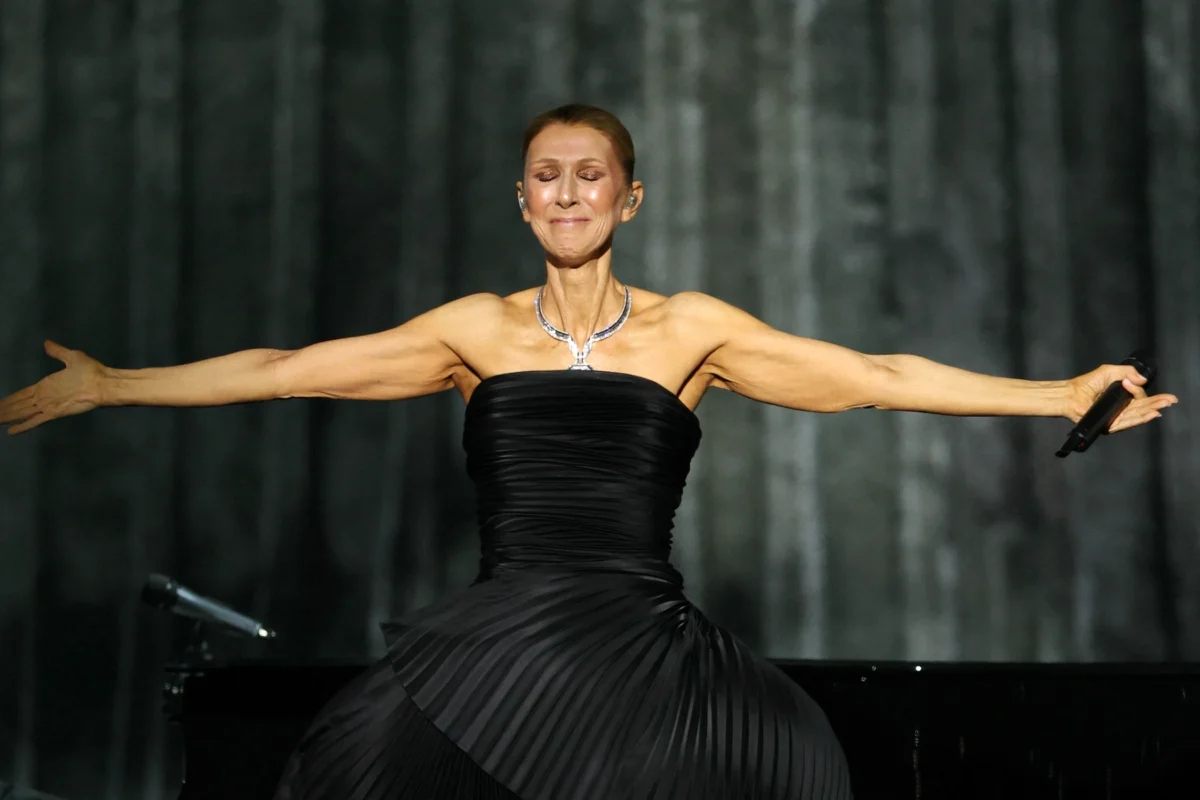
The Return of a Global Icon
On the night of September 12, 2026, the Plenitude Arena in Nanterre, on the western outskirts of Paris, became the epicenter of the music world. As the lights dimmed and a hush fell over the 30,000-strong crowd, a singular figure emerged to reclaim her legacy. For Céline Dion, the evening was more than a concert; it was a profound, defiant statement of resilience. After a six-year hiatus following her public disclosure of a diagnosis with Stiff-Person Syndrome (SPS), the Canadian superstar delivered a masterful two-and-a-half-hour performance that silenced any doubt about her vocal prowess or her place in the pantheon of global music icons.
The residency, spanning 26 nights, represents the most anticipated musical event of the decade. The sheer demand for tickets underscored her enduring popularity: with over nine million people entering the initial access lottery, the scramble for seats became a cultural phenomenon in its own right. With 16 dates already locked in for the autumn season, the 480,000 tickets allocated for this initial block vanished within hours of release, cementing the residency as an instant, sold-out success.
Chronology of a Masterclass
The evening began with a slight tension—the show commenced 47 minutes behind schedule—but the moment Dion stepped onto the stage, the delay was forgotten. She opened with the emotionally charged "On Ne Change Pas," a choice that felt deeply personal, leaving the singer visibly moved as she began the set in tears.
The structure of the concert was a carefully curated journey through the different chapters of her illustrious career. Dion transitioned seamlessly from intimate French ballads to high-octane pop sequences, demonstrating a versatility that has defined her four-decade career. A highlight for many was the inclusion of tracks from D’eux, the legendary album penned by Jean-Jacques Goldman, which remains the best-selling French-language record in history.
As the night progressed, the audience was treated to an eclectic mix of styles:
- The Orchestral Interlude: A haunting, powerful rendition of the opera aria "La Wally," performed under a cascade of falling "snow," showcased the technical precision of her voice.
- The Gospel Connection: A segment featuring a full gospel choir provided a spiritual grounding for her classic hit "Pour Que Tu M’aimes Encore," which transformed the arena into a singular, unified chorus.
- The Disco Pivot: In a surprising departure from her usual set-piece, the show took a sharp turn into a mirror-ball-adorned disco sequence. Tracks like "I Feel Love" and "Sweet Dreams" were interspersed with a re-imagined, uptempo version of "I’m Alive," revealing a playful, uninhibited side of the performer that many fans had rarely seen.
- The A Cappella Finale: Demonstrating that her instrument remains as pristine as ever, Dion delivered a breathtaking a cappella version of "All by Myself," stripping away the artifice of production to rely solely on the strength of her own resonance.
The night concluded at 11:14 p.m., leaving the audience in a state of euphoric exhaustion.
Supporting Data and Production Strategy
The production design for the residency was deliberately minimalist. In an era of elaborate, technology-heavy stage shows, Dion and her creative team opted for a "spare" aesthetic. There were no pyrotechnics or distracting visual spectacles; the set was designed solely to funnel the audience’s attention toward the center stage. This choice was not merely a matter of style, but a calculated effort to highlight the raw, unadorned power of her vocal performance.
The economic footprint of this residency is equally staggering. By the end of the 16th show this autumn, nearly half a million fans will have passed through the doors of the Plenitude Arena. The lottery system, which saw over nine million hopefuls, suggests that the "Dion Effect" has not waned despite her prolonged absence from the public eye.
An Audience of Peers and Dignitaries
The atmosphere within the arena was electric, bolstered by the presence of global figures who had gathered to witness the comeback. The VIP section was a testament to Dion’s reach, hosting figures as diverse as former U.S. First Lady Michelle Obama, media mogul Oprah Winfrey, French pop sensation Aya Nakamura, and astronaut Thomas Pesquet. Their presence underscored the crossover appeal of the singer, who has managed to remain relevant across generations and industries.
Official Context: The Road to Recovery
For years, Dion’s diagnosis of Stiff-Person Syndrome had cast a long shadow over her future as a performer. SPS is a rare neurological disorder that causes muscle stiffness and painful spasms, which initially seemed to threaten her ability to sustain the physical demands of a world tour.
However, the 2026 residency serves as an official "all-clear" regarding her health status. While there has been no formal statement detailing the medical specifics of her return, the performance itself acted as the only response needed. By tackling a 29-song setlist, she effectively demonstrated that she has successfully managed the symptoms of her condition. The debut of "Dansons," a brand-new track written by her long-time collaborator Jean-Jacques Goldman, signals that Dion is not just returning to her back catalog; she is actively looking forward and continuing to create.
Implications for the Industry
Céline Dion’s successful return to the stage has significant implications for the live entertainment industry. First, it proves that the demand for "legacy" acts remains incredibly high, provided the artist maintains a high standard of quality. Second, it highlights the importance of localized residencies over grueling global tours. By staying in Paris, Dion has managed the physical toll of her health condition while still reaching a massive international audience.
Furthermore, her success creates a new blueprint for artists navigating chronic health issues. Her commitment to a "voice-first" performance style, rather than a high-intensity aerobic show, offers a sustainable model for performers who wish to continue their careers well into their later years.
The Legacy Continues
As the residency progresses, the focus will undoubtedly shift toward whether this is a singular event or the start of a broader return to the global stage. For now, however, the message from the Plenitude Arena is clear: the voice that defined a generation is still here, still strong, and, according to the thousands of fans who roared for her in Paris, more essential than ever.
Céline Dion has not just returned to the stage; she has reaffirmed her status as a cultural force of nature. In an industry defined by fleeting trends and temporary fame, she remains a constant, a reminder of the enduring power of artistry, perseverance, and the human voice. The 2026 Paris residency will likely be remembered not just for the songs performed, but as the moment a music legend chose to step back into the light, entirely on her own terms.
 Jia Lissa
  Sagoh
Sagoh  Nana Muazin