
 By Lina Irawan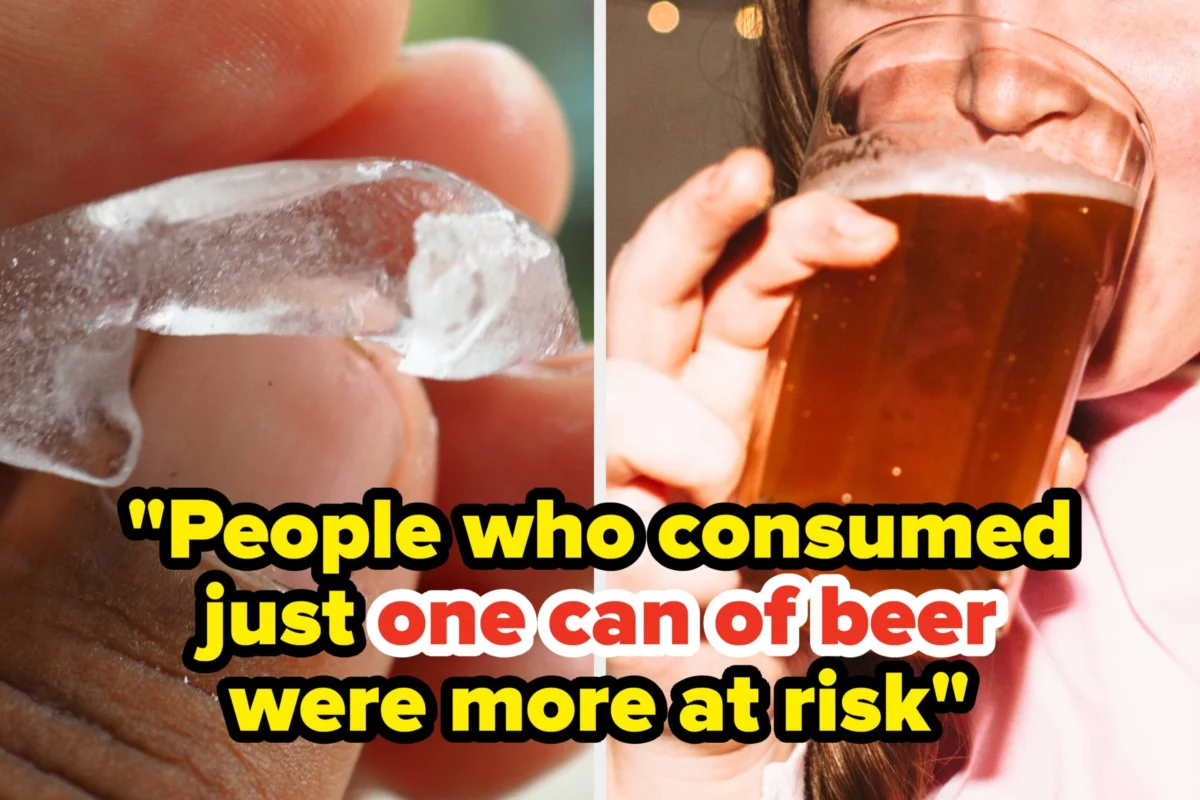
As the sun dips below the horizon during a late summer barbecue, a familiar scene plays out across lawns and patios. While some guests lounge comfortably in the twilight air, others are locked in a frantic battle against an invisible, buzzing swarm. To the perpetually bitten, it often feels personal. As it turns out, science says it actually is.
Main Facts: The Science of Selective Biting
Mosquitoes are not indiscriminate hunters; they are highly specialized predators equipped with sophisticated sensory systems designed to locate hosts. While everyone at an outdoor gathering might assume the bugs are attacking randomly, entomological research proves otherwise. Mosquitoes actively select their targets based on a complex cocktail of biological, genetic, and environmental signals.
At the core of this phenomenon are the primary and secondary cues humans emit. Carbon dioxide ($CO_2$), metabolic output, body temperature, blood type, skin chemistry, and even clothing choices all combine to create a unique "target profile." When a mosquito takes flight, it is navigating a world of chemical gradients and visual contrasts, zeroing in on the individuals who present the easiest, most rewarding feeding opportunities.
Understanding these triggers does not just explain why some people leave the yard covered in itchy welts while others remain untouched—it provides a roadmap for effective, science-backed prevention.
Chronology: How a Mosquito Finds and Feeds on Its Target
The process of a mosquito locating, biting, and leaving a mark on a human host is a finely tuned predatory sequence that unfolds in seconds:
- Long-Range Detection ($CO_2$ Tracking): From dozens of feet away, mosquitoes detect plumes of carbon dioxide exhaled by humans. Individuals with higher metabolic rates—due to exercise, genetics, body size, or pregnancy—release more $CO_2$, acting as a beacon.
- Mid-Range Navigation (Visuals and Lactic Acid): As the insect draws closer, it flies low to the ground to avoid strong winds. It uses its sharp vision to contrast the silhouette of the host against the horizon, which is why dark clothing makes a person a more visible target. Simultaneously, the mosquito detects secondary chemical cues like lactic acid emitted through human sweat.
- Landing and Tactile Evaluation: Upon landing, the mosquito relies on tactile cues, specifically body heat. It walks across the skin seeking areas where blood vessels run close to the surface, prioritizing individuals with higher baseline skin temperatures.
- The Bite and Saliva Injection: Once a prime feeding site is found, the mosquito pierces the skin using specialized mouthparts. To prevent blood from clotting, it injects a small amount of saliva containing anticoagulant proteins.
- The Immune Response: The human immune system reacts to the foreign proteins in the mosquito’s saliva, releasing histamines that cause localized inflammation, swelling, and the hallmark itching sensation.
Supporting Data: What the Research Tells Us
Entomologists and dermatologists have spent decades studying the variables that make certain individuals irresistible to mosquitoes. The data reveals several surprising factors that elevate your risk of being bitten:
- The Blood Type Factor: A widely cited, controlled study published in the Journal of Medical Entomology found that mosquitoes landed on people with blood Type O nearly twice as frequently as those with Type A. Secretions produced by individuals with specific blood types act as a chemical signal to the insects. However, experts note that blood type is just one piece of a much larger puzzle.
- Metabolic Rate and Carbon Dioxide: According to Jonathan F. Day, an entomology professor emeritus at the University of Florida, metabolic output is a primary driver. High metabolic rates—influenced by genetics, body mass, or physical exertion—lead to increased $CO_2$ production.
- The Alcohol Effect: Research has demonstrated a direct link between alcohol consumption and mosquito attraction. Even consuming a single can of beer can measurably increase a person’s attractiveness to mosquitoes, likely due to subtle changes in skin temperature and metabolic byproducts.
- DEET Safety and Efficacy: Despite historical public hesitation regarding chemical repellents, a comprehensive 2014 review by the United States Environmental Protection Agency (EPA) reaffirmed that normal, directed use of DEET-based products poses no health risks, confirming their safety for children, pregnant women, and nursing mothers when applied according to official guidelines.
Official Responses and Expert Insights
To bridge the gap between academic research and practical outdoor safety, leading medical and entomological authorities offer clear guidance on how to navigate mosquito season.
Dr. Jonathan F. Day emphasizes the importance of timing and environmental awareness. "These cues let them know they are going to a blood source," Day explains, pointing to carbon dioxide and lactic acid as major attractants. Regarding behavior modification, Day advises shifting outdoor routines: "One of the very best things to do is to avoid peak activity times. There are very, very few species that are active in the middle of the day. Sunrise and sunset are when you’ll see peak activity."
For those hosting or attending evening events where avoiding peak hours is impossible, Day recommends strategic clothing choices. "I love the fishing shirts and the long-legged outdoor pants that are breathable, but they prevent mosquitoes," he says.
Dr. Melissa Piliang, a dermatologist at the Cleveland Clinic, expands on the physiological and lifestyle factors that increase vulnerability. "If body temperature is higher, you’re exercising and moving around a lot, or if you’re drinking alcohol, you are more attractive to mosquitoes," Piliang notes. "Being pregnant or being overweight also increases metabolic rate."
When it comes to protection, Piliang advocates for proven chemical defenses over unverified natural remedies. "DEET is the most effective," she states. "If you are going to be in a mosquito-prone place, knowing that they carry disease, it is your best bet. Take a shower later to wash it off, and put on just a little bit."
Addressing popular outdoor myths, Piliang cautions against relying on citronella candles, noting a lack of peer-reviewed scientific research supporting their effectiveness. Instead, she offers a mechanical solution: "Mosquitoes can’t get around very much, especially in wind. You can run a fan to keep air moving."
Implications: Practical Prevention and Aftercare
Armed with insights from entomologists and dermatologists, outdoor enthusiasts can adopt a multi-layered defense strategy to minimize bites and manage reactions effectively when prevention falls short.
1. Timing and Environmental Controls
- Shift Your Schedule: Move high-exertion activities like running or heavy yardwork to midday when mosquito activity is at its lowest, rather than exercising at dawn or dusk.
- Deploy Fans: Set up oscillating patio fans during outdoor gatherings. The artificial breeze disrupts weak-flying mosquitoes, making it difficult for them to navigate toward guests.
2. Wardrobe and Repellents
- Wear Light Colors: Opt for loose-fitting, light-colored clothing that reduces visual contrast against the horizon and covers expansive areas of skin.
- Utilize Registered Repellents: Apply EPA-approved repellents containing DEET, Picaridin, or oil of lemon eucalyptus. A low-concentration spray (such as 5% DEET) can provide up to 90 minutes of reliable coverage. Always follow product labels and CDC guidelines when applying repellents to children.
3. Treating Bites Without Complications
If a mosquito manages to pierce your defenses, managing the reaction properly is critical to avoiding secondary infections:
- Never Scratch: Scratching releases additional histamine, intensifying the itch and increasing the risk of breaking the skin, which can lead to bacterial infections and scarring.
- Apply Cold Therapy: Place an ice cube or a cold drink directly on the bite. The sensation of cold travels along the same neurological pathways as itch signals, temporarily blocking the itch sensation.
- Use Topical Steroids: For multiple bites, apply an over-the-counter hydrocortisone cream (0.5% to 1%) two to three times a day to reduce localized inflammation and itching.
- Consider Antihistamines: For severe reactions, oral antihistamines can help systemically. Non-drowsy options like Zyrtec or Allegra provide daytime relief, while traditional options like Benadryl are effective for nighttime use.
By understanding the physiological cues that make you a target and implementing evidence-based prevention and treatment strategies, you can reclaim your outdoor spaces and enjoy the remaining months of warm-weather gatherings itch-free.
 Muslim
  Nila Kartika Wati
  Lina Hope