
 By Basiran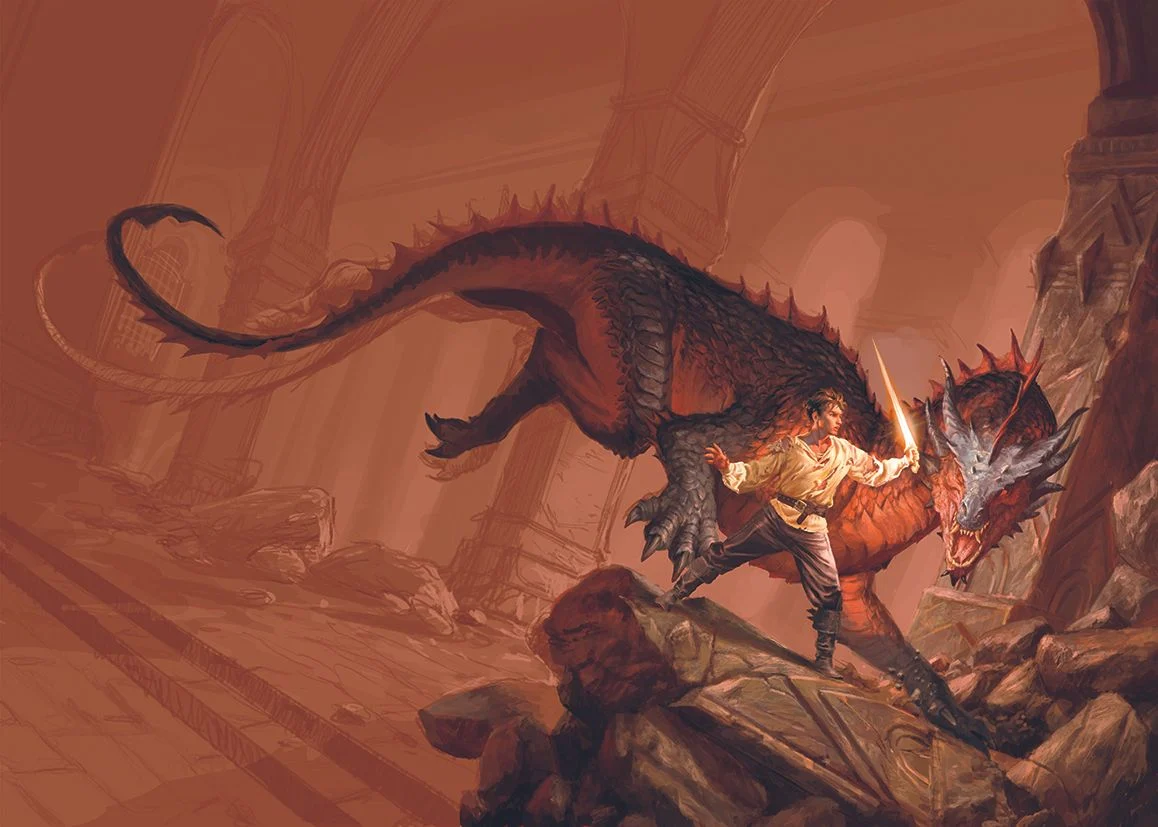
In the competitive world of contemporary publishing, the "first impression" of a novel often hinges on a single image. When the publishing house Armenia Edizioni sought a visual identity for the debut fantasy novel by RF Obsydios, they turned to the time-honored tradition of epic fantasy illustration. The result is a striking cover that captures the grit and grandeur of the genre, blending classical artistic influences with modern digital workflows.
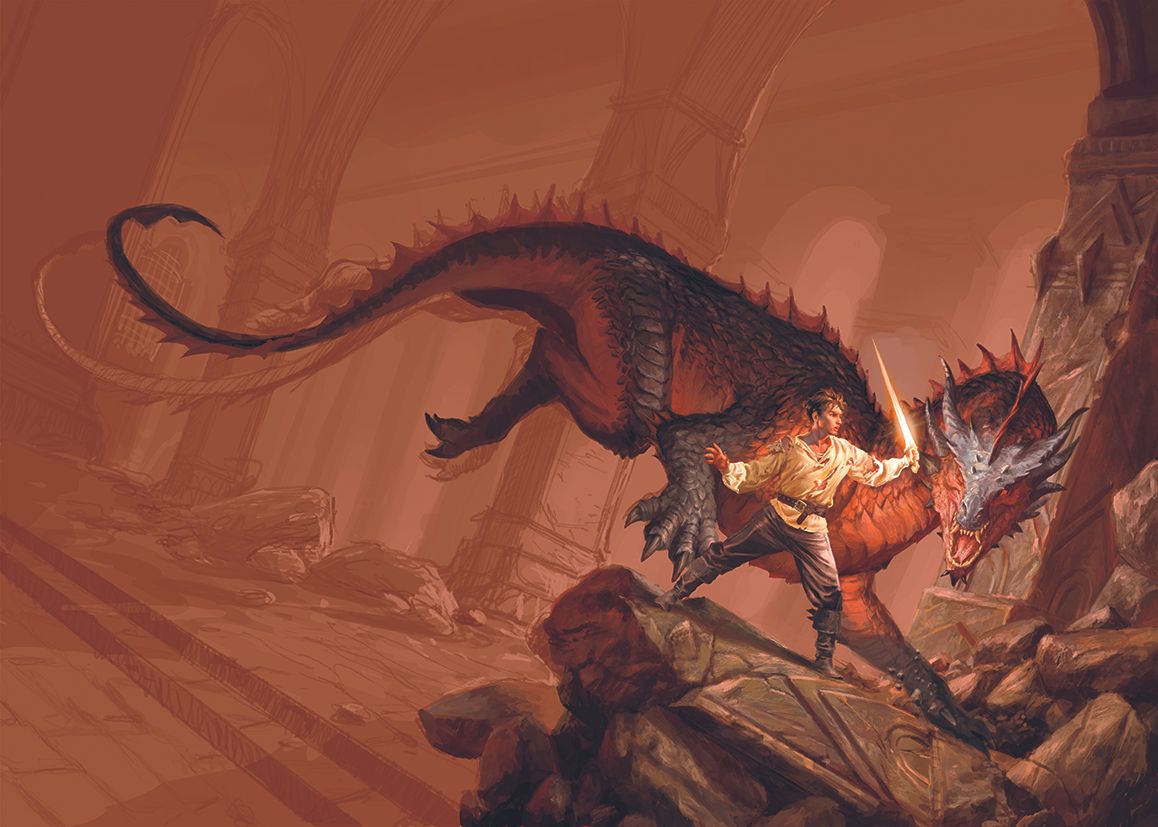
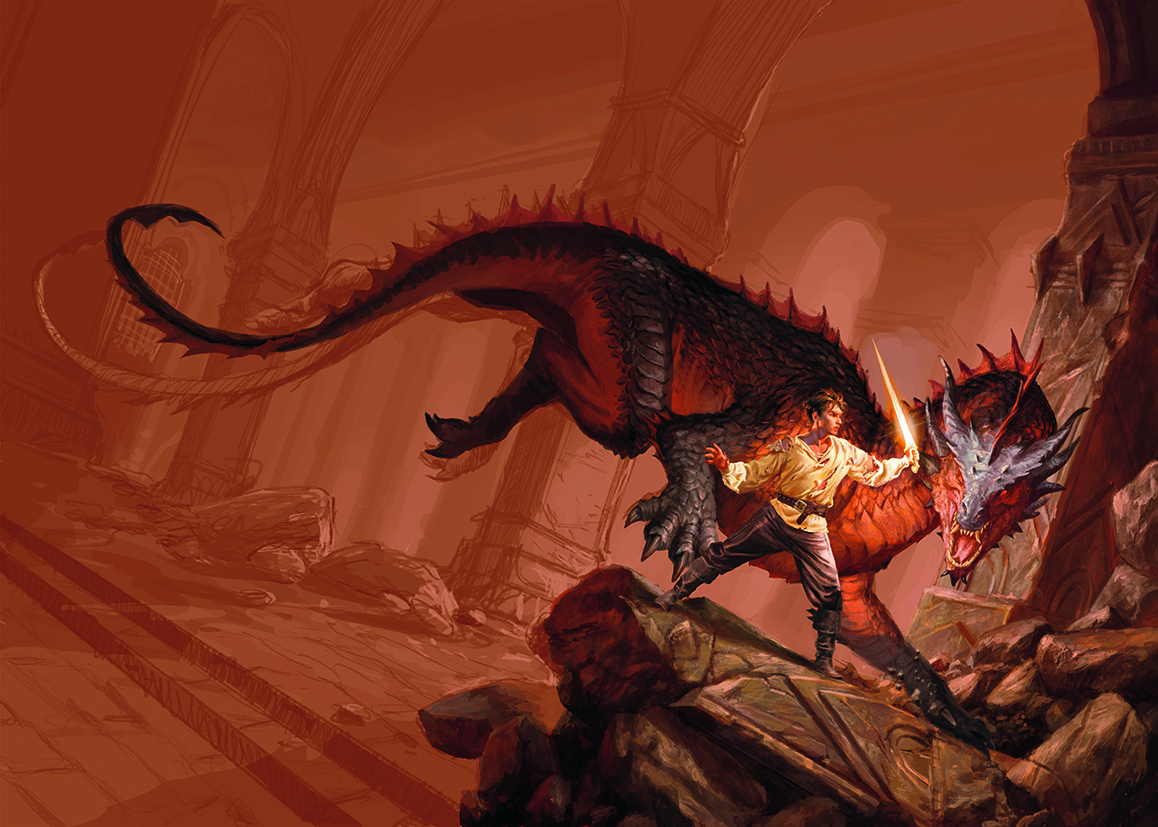
The commission was clear: capture the essence of a battle-worn warrior standing against a gargantuan, wingless dragon. The imagery demanded a synthesis of high-stakes tension, visceral detail, and a specific color palette—dominated by deep reds and charred blacks—to evoke the dark, unforgiving atmosphere of a crumbling fortress. This project serves as a masterclass in how professional artists translate literary concepts into iconic visual narratives.
The Foundations of Epic Illustration: A Chronology of the Creative Process
The creation of such a complex, high-impact image is rarely a linear process. It requires a structured approach that moves from conceptual theory to final execution.
Phase 1: Conceptualization and Initial Sketching
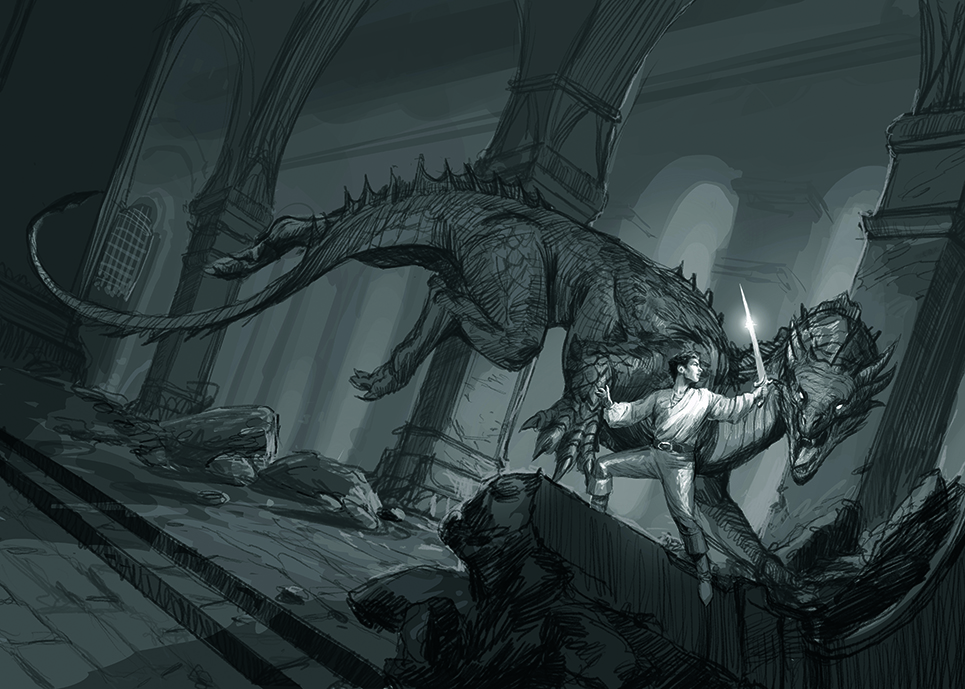
Every masterpiece begins with the limitations of the medium. For this commission, the artist eschewed complex preliminary drawings, opting instead for one or two concise sketches in black and white. These initial studies were not intended to be polished works of art, but rather essential tools for communicating "intent." By focusing on composition, lighting, and the distribution of volume, the artist established a visual language that the client could approve before committing to hours of detailed rendering.
Phase 2: Isolating the Protagonist
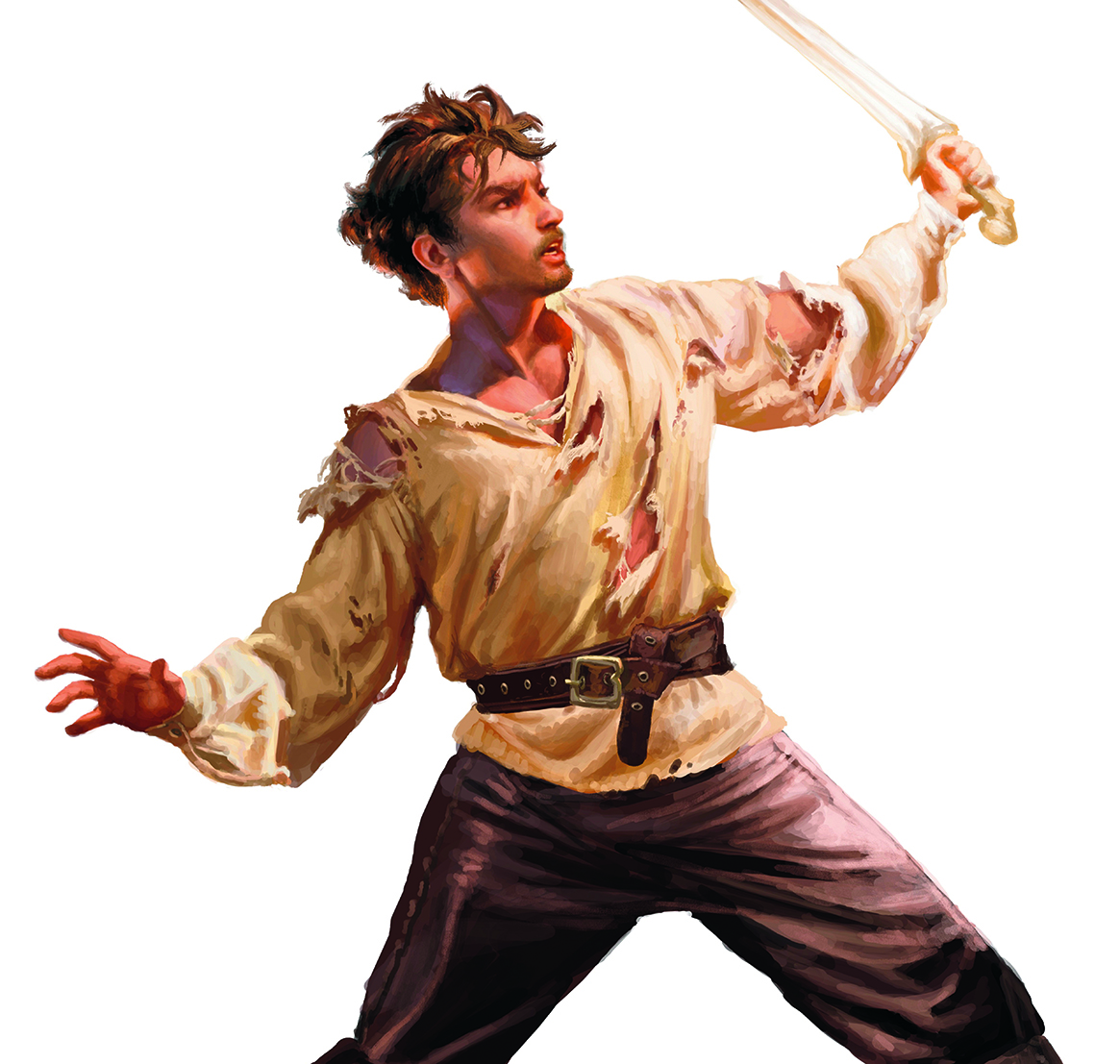
To ensure the central figure—the scarred warrior—possessed the required emotional weight, the artist opted to paint the character separately. By working on a larger format than the final canvas, the artist was able to focus entirely on the subtleties of the warrior’s expression, the texture of his torn shirt, and the weary, battle-hardened anatomy of a man standing on the precipice of death. Once finished, this high-resolution asset was resized and integrated into the primary scene. This workflow isolation is a common technique among digital illustrators, allowing for "micro-focus" without losing sight of the "macro-composition."
Phase 3: Building the Environment and the Beast
With the protagonist finalized, the focus shifted to the antagonist—the wingless dragon—and the ruins of the fortress. The artist emphasized the importance of building the environment early. "I need to see if everything works," the artist notes. By placing the dragon and the ruined architecture together, the artist could evaluate the spatial relationship between the hero and the horror he faces. The design of the dragon’s hind legs, in particular, was a calculated choice to introduce dynamism, creating a sweeping curve that naturally leads the viewer’s eye toward the conflict.
Phase 4: Texturing and Atmospheric Refinement
The final stages involved bringing the environment to life. The fallen columns, inspired by the claustrophobic and ancient ruins of Moria, were rendered using "dry" brushes to mimic the rough, porous nature of stone. Subtle color variations and cracks were added to the masonry, ensuring the fortress felt not just as a backdrop, but as a living, breathing participant in the battle.
Supporting Technical Data: The Digital Artist’s Toolkit
Creating professional-grade fantasy art requires more than just raw talent; it necessitates a sophisticated technological pipeline. The modern digital artist relies on a combination of high-end hardware and specialized software to achieve painterly effects.
- Software Ecosystem: Most professional illustrators utilize industry-standard software such as Adobe Photoshop, Corel Painter, or Procreate. These platforms allow for non-destructive editing, layering, and the use of custom brush engines that simulate traditional media like oils or charcoal.
- Hardware Precision: The use of a professional-grade drawing tablet is non-negotiable for this level of detail. Pressure sensitivity, tilt recognition, and high-resolution displays are critical for the fine-tuned anatomy and lighting effects seen in this cover.
- Analog References: Interestingly, the artist reveals a commitment to tangible references. By acquiring historical-style clothing and fabric scraps, the artist creates physical "sets" to study lighting conditions in real-time. This bridge between the analog and digital worlds provides an authenticity that purely algorithmic or AI-generated images often lack.
Official Perspectives: The Role of Genre Tradition
When asked about the aesthetic inspiration, the artist noted that this project was a return to their roots. "This aesthetic is what I grew up with," the artist explains. By drawing on the work of master illustrators who defined the golden age of fantasy covers, the artist was able to tap into a collective visual memory.
The client provided specific stylistic guidance, citing Joe Abercrombie’s The Devils as a tonal benchmark. This feedback loop is essential in professional publishing. It ensures that the cover art does not merely look "cool," but effectively communicates the genre to potential readers. The warm, fiery palette of reds and oranges was specifically chosen to signal to the audience that this is a story of heat, blood, and epic stakes.
The Implications of Tilted Composition
One of the most effective techniques employed in the cover is the use of a "tilted shot"—an angled, Dutch-tilt perspective. In film and photography, this technique is frequently used to evoke feelings of unease, disorientation, or high-octane action.
By deliberately unbalancing the horizon line, the artist forces the viewer to engage with the scene’s instability. This isn’t a static portrait of a hero; it is a snapshot of a moment where the ground is literally crumbling. This technical choice heightens the drama, making the encounter with the dragon feel far more immediate and life-threatening. It reinforces the narrative implication: the warrior is not in a position of strength, but in a position of survival.
Conclusion: The Future of Fantasy Book Art
The collaboration between Armenia Edizioni and the illustrator highlights the enduring power of human-led creative processes in the publishing industry. Despite the rise of rapid digital generation, the meticulous approach—sketching for composition, isolating figures for detail, and utilizing physical reference materials—remains the gold standard for high-quality fantasy art.
For aspiring artists looking to replicate this level of professional output, the takeaway is clear: success is found at the intersection of classical training and modern digital tools. Whether you are using the latest drawing tablet or exploring the vast array of available art software, the fundamentals—lighting, composition, and the emotional resonance of the scene—remain the primary pillars of successful storytelling. As the fantasy genre continues to expand, the demand for artists who can bridge the gap between imagination and technical precision will only continue to grow.
 Sagoh
Sagoh  Laily UPN
  Asep Darmawan