
 By Nila Kartika Wati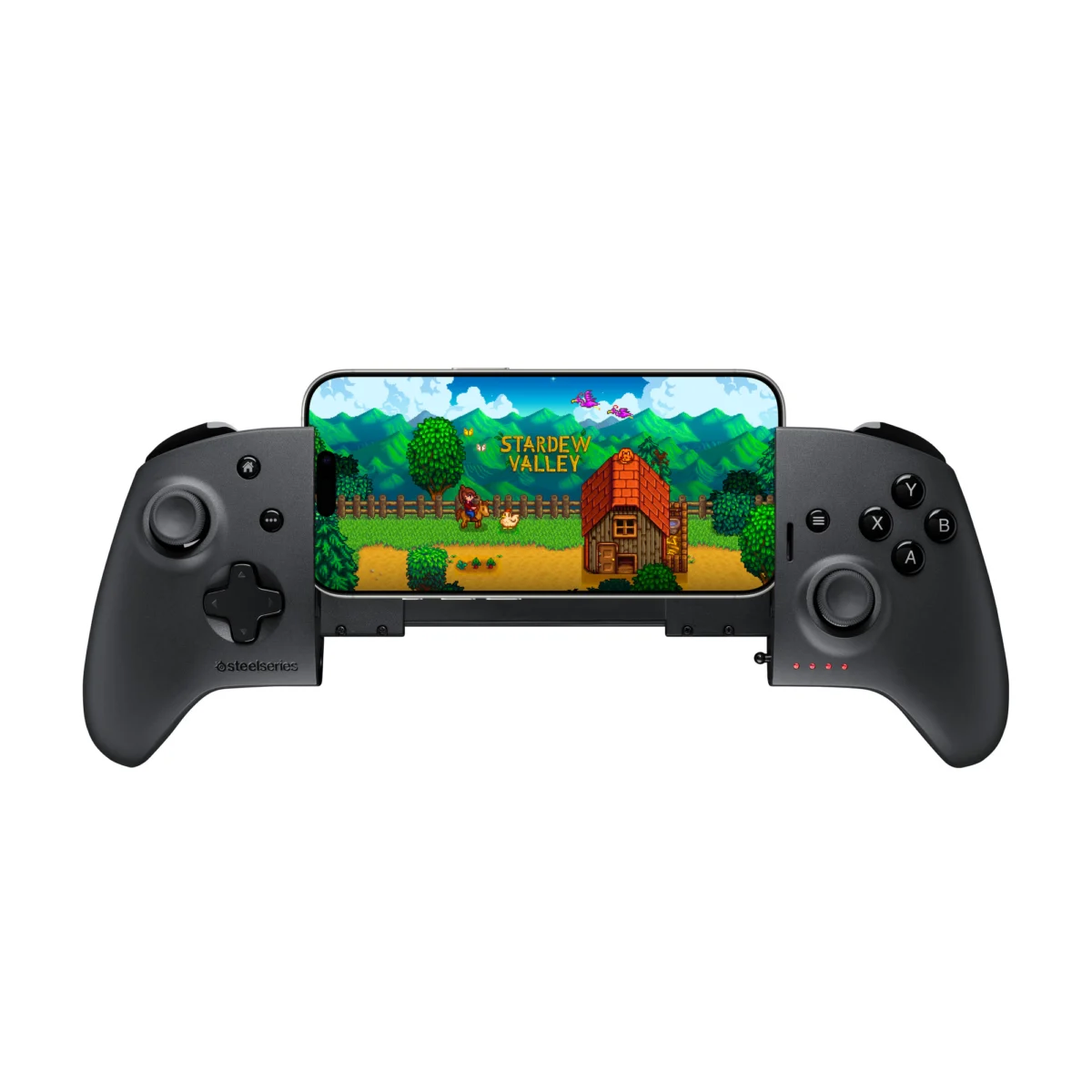
The recent launch of the iPhone 18 Pro has sent a clear message to both the industry and the consumer base: Apple is no longer content with being a secondary platform for mobile gaming. With the debut of the A20 Pro chip, which features a significantly enhanced 7-core GPU, and an upgraded thermal management system involving a redesigned vapor chamber, Apple claims to have unlocked a 40% performance leap over its predecessors. This push into high-fidelity, console-quality mobile gaming isn’t just about silicon—it is, according to emerging reports, about to manifest in physical hardware.
Industry whispers, now bolstered by findings within the latest macOS 26.7 developer code, suggest that Apple is deep in the development of its first dedicated gaming controllers since the infamous, ill-fated Pippin console of the mid-90s. As Apple attempts to pivot its flagship device into a genuine competitor for the Nintendo Switch and the Steam Deck, the question remains: Can a company known for minimalist aesthetic perfection truly thrive in the gritty, tactile world of gaming peripherals?
The Evidence: What the Code Reveals
The trail leading to these unannounced devices began with the sharp eyes of a MacRumors reader who uncovered references to two distinct hardware identifiers: "T6502" and "T1057." These devices are explicitly registered within Apple’s internal Game Controller software framework, classified as "Made For iPhone" (MFi) gamepads.
While Apple has yet to issue an official press release regarding these peripherals, Bloomberg’s Mark Gurman—a journalist with a consistent track record regarding Apple’s internal roadmap—has confirmed that both controllers have been in active development for over a year. The specifications currently being discussed align with the industry standard for high-end gaming: a full suite of controls including a precision D-pad, dual high-fidelity thumbsticks, tactile shoulder buttons, and, crucially, analog triggers necessary for nuanced gameplay.
The duality of these projects is telling. The first device appears to be a wired, entry-level controller, likely intended to be a low-latency, "plug-and-play" solution. The second, more ambitious project is reportedly a wireless, Bluetooth-enabled controller that integrates an internal accelerometer and gyroscope. Such features suggest that Apple is designing for motion-controlled gaming, potentially aiming to provide a seamless experience for titles that demand high precision, such as racing sims or competitive shooters.
A Brief Chronology of Apple’s Gaming Ambitions
To understand why these controllers represent a pivot point, one must look at Apple’s historical relationship with gaming:
- 1996: The Apple Pippin, a multimedia platform licensed to third-party manufacturers, failed to gain traction, eventually becoming a cautionary tale in the gaming industry.
- 2008: The launch of the App Store inadvertently created the world’s largest casual gaming platform. Apple, however, remained largely hands-off, leaving hardware innovation to third-party developers like Backbone and SteelSeries.
- 2019: The introduction of Apple Arcade signaled a more aggressive stance, offering a curated library of premium titles. Yet, the platform lacked the "anchor" of a dedicated controller, relying on compatibility with Xbox and PlayStation peripherals.
- 2025/2026: The release of the iPhone 18 Pro, with its aggressive marketing toward gamers, serves as the current nexus point. The focus on vapor-chamber cooling and GPU throughput finally aligns the hardware capability with the software ambition.
Supporting Data: The Competitive Landscape
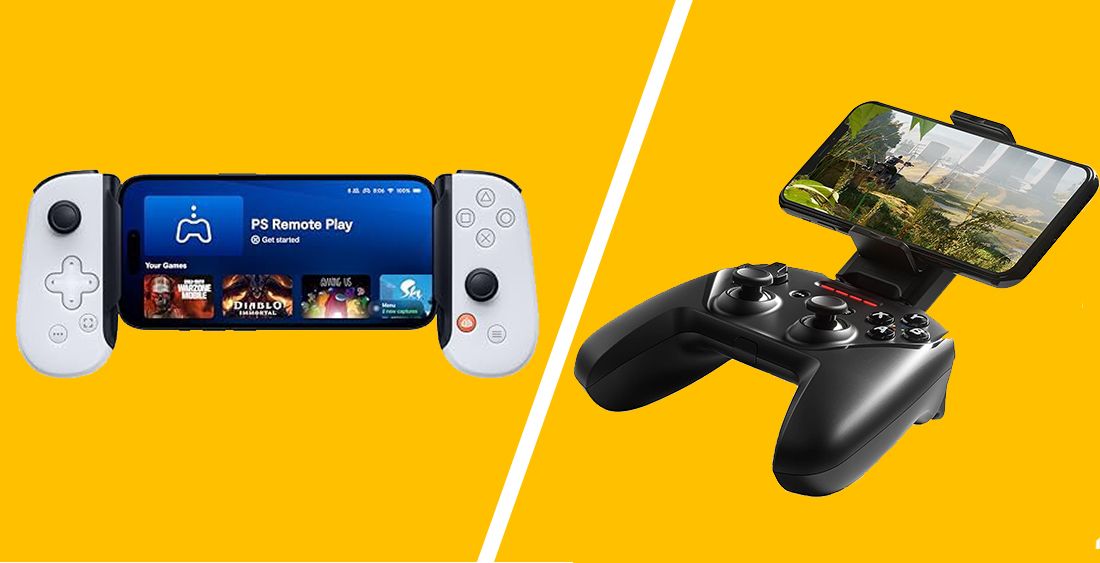
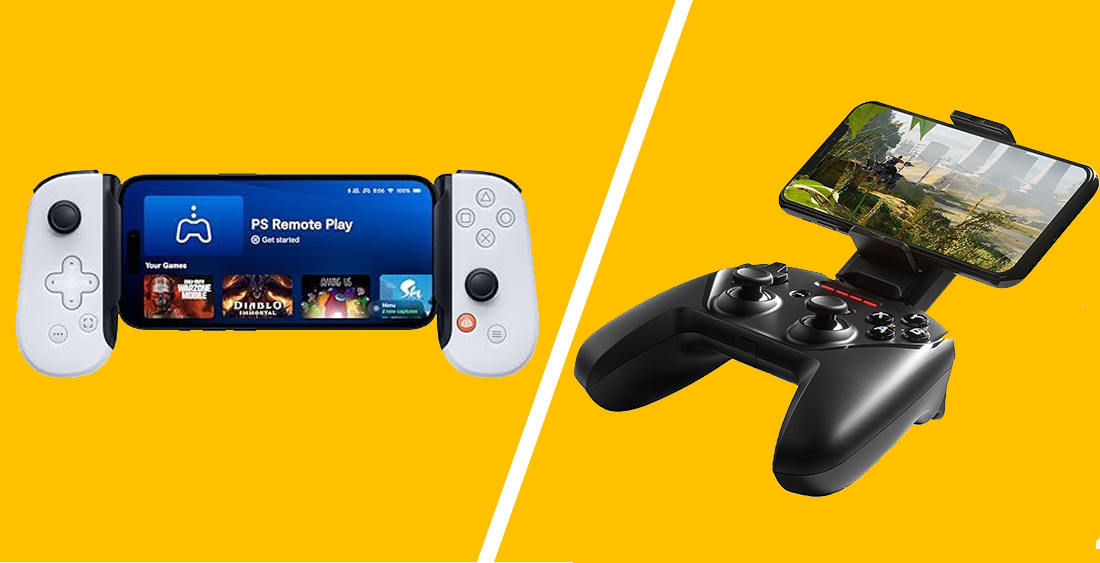
The mobile gaming market is currently dominated by third-party solutions. Companies like Backbone have successfully monetized the "clamp-style" controller, which effectively turns an iPhone into a portable console. Similarly, the SteelSeries Nimbus line has long been the gold standard for Bluetooth-based Apple gaming.
However, these manufacturers operate in a fractured market. They must navigate iOS updates, varying port sizes, and the lack of a standardized software "handshake" between the hardware and the Apple ecosystem. By introducing its own controller, Apple aims to eliminate the friction.
Market analysts suggest that if Apple enters this space, it won’t be competing on price. Instead, it will compete on "ecosystem synergy." A native controller that automatically pairs, updates firmware via the OS, and provides haptic feedback that feels native to the iOS environment could render third-party devices obsolete for the average consumer. Furthermore, with the growth of Apple Arcade and the potential for better cross-platform support with Apple TV and the Vision Pro, a unified controller strategy could finally make the "Apple Gaming" brand a reality.
The Beats Dilemma: Brand Strategy vs. Gaming Credibility
Perhaps the most surprising detail reported is that these controllers will likely fall under the Beats by Dre branding rather than the Apple logo. This decision is as revealing as it is controversial.
On one hand, the Beats brand carries a "cool" factor that Apple, with its clinical, minimalist design language, sometimes lacks in the gaming space. Beats is inherently more associated with youth culture, fashion, and audio performance. For a company like Apple, which has struggled to capture the "gamer" demographic, using Beats acts as a strategic buffer. If the product fails, the Apple brand remains pristine. If it succeeds, Apple has successfully captured a market segment without having to compromise its premium, luxury-tech image.
However, skeptics argue that Beats has zero heritage in gaming. For a dedicated gamer, a "Beats Controller" might feel like an aesthetic choice rather than a performance-focused tool. Does the brand resonate with someone looking to play high-end, AAA titles? Or is it merely a fashion accessory? The move suggests that Apple is still hesitant to fully commit its primary brand to the gaming industry, perhaps fearing that gaming peripherals are fundamentally incompatible with the "lifestyle" image the company has cultivated.
Implications: The Long-Term Vision
What does this mean for the future of the iPhone? If Apple is indeed moving toward proprietary gaming hardware, the implications are vast:
- Hardware Standardization: A native controller allows Apple to set a standard for game developers. If every high-end iPhone game can assume the existence of an Apple-made controller, the barrier to porting AAA titles from PC or consoles to iOS drops significantly.
- Ecosystem Lock-in: By creating a superior, "first-party" controller experience, Apple discourages users from switching to Android. The controller becomes an extension of the iPhone’s utility, much like the Apple Watch or AirPods.
- The Death of the Third Party? If Apple enters the space with a premium product, the market for third-party manufacturers will shrink, relegated to budget options or niche, ultra-specialized hardware.
- The "Apple Console" Concept: While not a dedicated console in the traditional sense, the combination of the iPhone 18 Pro, a dedicated controller, and Apple TV integration effectively turns the Apple ecosystem into a formidable gaming platform.
Conclusion: A Gamble or a Calculated Masterstroke?
Apple’s entry into the gaming hardware market is a move characterized by extreme caution. By using the Beats brand and entering the market late, Apple is playing the role of the "polisher"—the company that waits for everyone else to invent the category, then enters to define the gold standard.
However, the hardware itself is only half the battle. To truly compete with the Nintendo Switch or the Steam Deck, Apple must convince developers that the iPhone is a primary destination for gaming, not an afterthought. The controllers are a necessary step, but they are not the solution. Whether this foray into gaming peripherals is a genuine attempt to disrupt the industry or just another accessory to hang on the wall of the Apple Store, one thing is certain: the gaming world is watching Cupertino with unprecedented intensity. Apple is finally picking up the controller—it remains to be seen if they know how to play the game.
 Ali Ikhwan
  Azzam Bilal Chamdy
  Laily UPN