
 By Laily UPN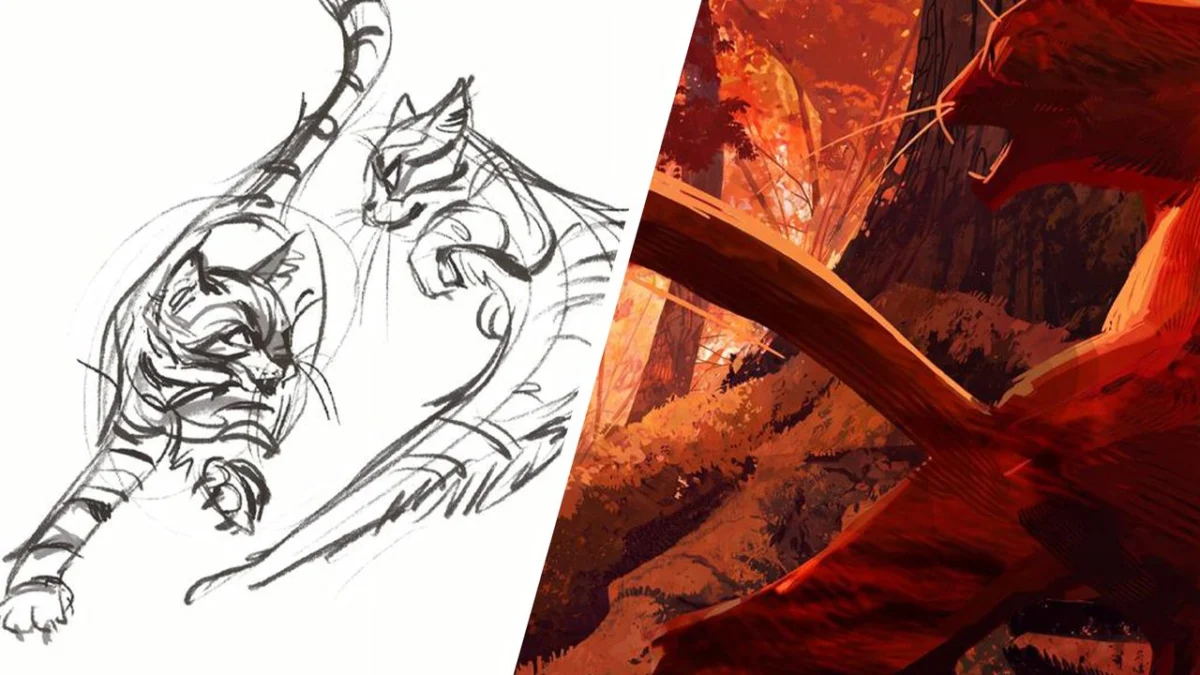
The Warrior Cats franchise, a global literary phenomenon that has captivated millions of young readers with its epic tales of feline clans, is undergoing a high-stakes transition. As the series prepares to leap from the printed page to the screen in a much-anticipated CG animated adaptation, the production team at Original Force—led by director Rodrigo Blaas—has offered a rare, behind-the-scenes look at their creative process. What they have unveiled is not the hyper-realistic, "glossy" animal animation audiences have come to expect from major studio blockbusters like Zootopia 2 or recent CGI creature features. Instead, the project is championing a stylized, expressive aesthetic that prioritizes feline characterization over photorealistic mimicry.
The Evolution of the Project: A Chronology of Vision
The journey to bring Erin Hunter’s sprawling Warrior Cats saga to the screen has been long-awaited by a passionate fan base. For years, the prospect of an adaptation remained a "what if" scenario. However, the announcement of a dedicated production led by Original Force marked a pivotal shift.
- The Conceptual Phase: Initially, the team faced a creative crossroads: should they mimic the textures of real-world felines, or create something that captured the "soul" of the books?
- Defining the Visual Language: Under the guidance of director Rodrigo Blaas, the team moved away from the trend of "generic CG perfection." Instead, they opted for an approach that emphasizes silhouette, exaggerated anatomy, and movement—a decision that aligns the project with experimental animation styles seen in contemporary projects like Pixar’s Gatto.
- Work-in-Progress Reveals: In recent months, the studio has begun sharing early storyboards, animation tests, and character sheets. These glimpses into the "rough" stages of production have served to manage fan expectations while showcasing the artistic risks the team is taking to ensure the cats feel like distinct, sentient characters rather than biological specimens.
Supporting Data: The Anatomy of Design
To understand why the Warrior Cats design approach is so distinct, one must look at the specific technical choices made regarding the trio of central characters: Sandpaw, Rusty, and Graypaw.
The studio’s challenge was to utilize the same base skeletal rig for these cats while ensuring they remained instantly recognizable to readers. The technical solution involved "pushing" proportions and markings to create unique silhouettes. Unlike standard 3D modeling, which often seeks to smooth out textures, the Warrior Cats artists have utilized:
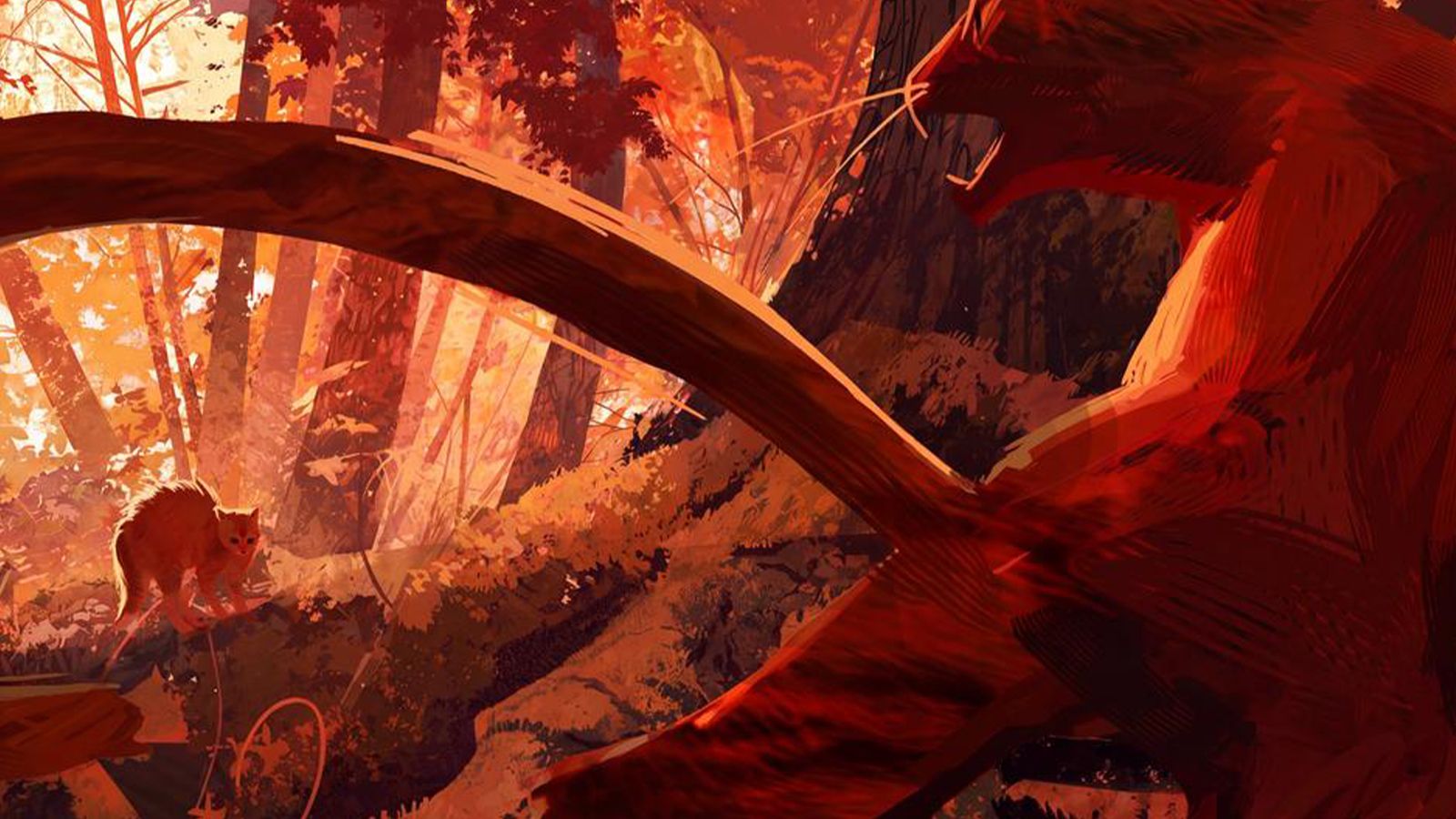
- Elongated, Springy Anatomy: The models focus on the "ready-to-move" quality of cats. By emphasizing the fluidity of the spine and the length of the limbs, the characters possess a kinetic energy that suggests potential action.
- Facial Expressiveness: A major hurdle in animating animals is avoiding the "uncanny valley" where they appear too human. The design team has focused on eye shape and ear positioning to convey emotion, ensuring the cats remain "feline" in appearance while being capable of conveying complex human-like arcs of trauma, ambition, and loyalty.
- Visual Readability: In a story defined by clan wars and fast-paced skirmishes, the team has implemented strict "camera language" rules. These rules ensure that even in the chaos of a battle, the audience can track which cat is which based on silhouette alone.
Official Perspectives: The Philosophy of Movement
In discussions regarding the production, the team at Original Force has emphasized that the "rules" of the world are being written in real-time. The goal is to move beyond the sketchbook and create a visual language that can be sustained across thousands of shots by a large team of animators.
The storyboard process has been particularly revealing. The team has experimented with "unreal" poses—legs stretched to impossible lengths, tails curling in ways that defy biological norms—to capture the emotional intensity of the scene. This "animation licence" is crucial for Warrior Cats. Because the source material treats these cats as warriors with their own politics and codes of honor, the animation must reflect that gravity.
"Good animation needs a little licence with anatomy," noted production observers. The team’s focus remains on maintaining the "feline character" underneath the exaggerated shapes. If the movement is too human, it loses the magic of the books; if it is too animalistic, it loses the ability to tell a sophisticated, character-driven story.
The Implications: Why Style Matters
The decision to embrace a more stylized, "loose" CG aesthetic has significant implications for the future of the franchise and the industry at large.
Breaking the "Glossy" Mold
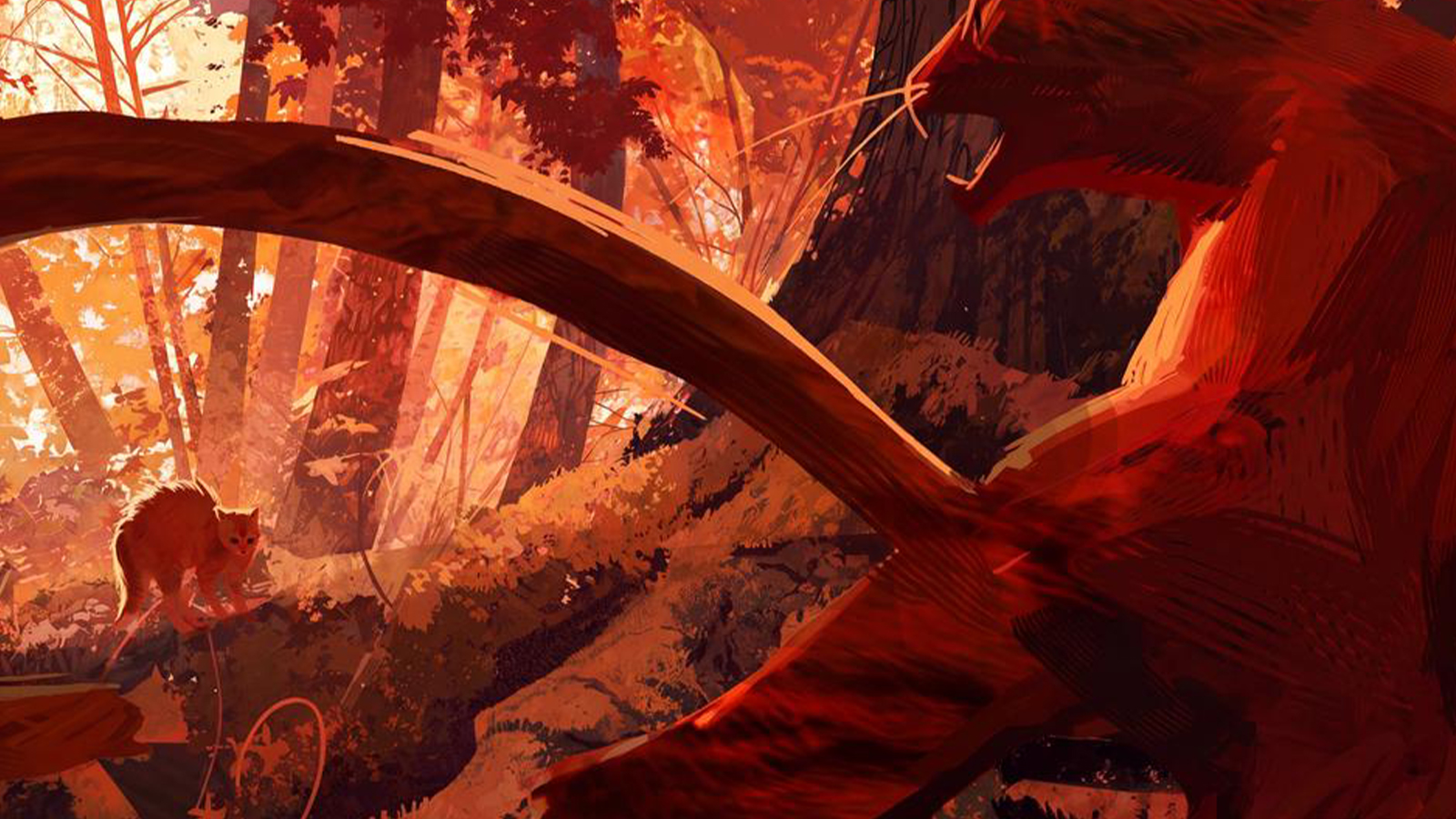
For the last decade, the animation industry has been dominated by a specific look—soft, fur-textured, high-fidelity CG animals. While visually impressive, this style can sometimes lead to characters feeling static or "precious." By choosing a more illustrative approach, the Warrior Cats team is signaling that they are prioritizing storytelling over technological flex. This move follows a growing industry trend where filmmakers are seeking to recapture the "hand-drawn" charm of 2D animation within a 3D environment.
Setting a Precedent for Future Adaptations
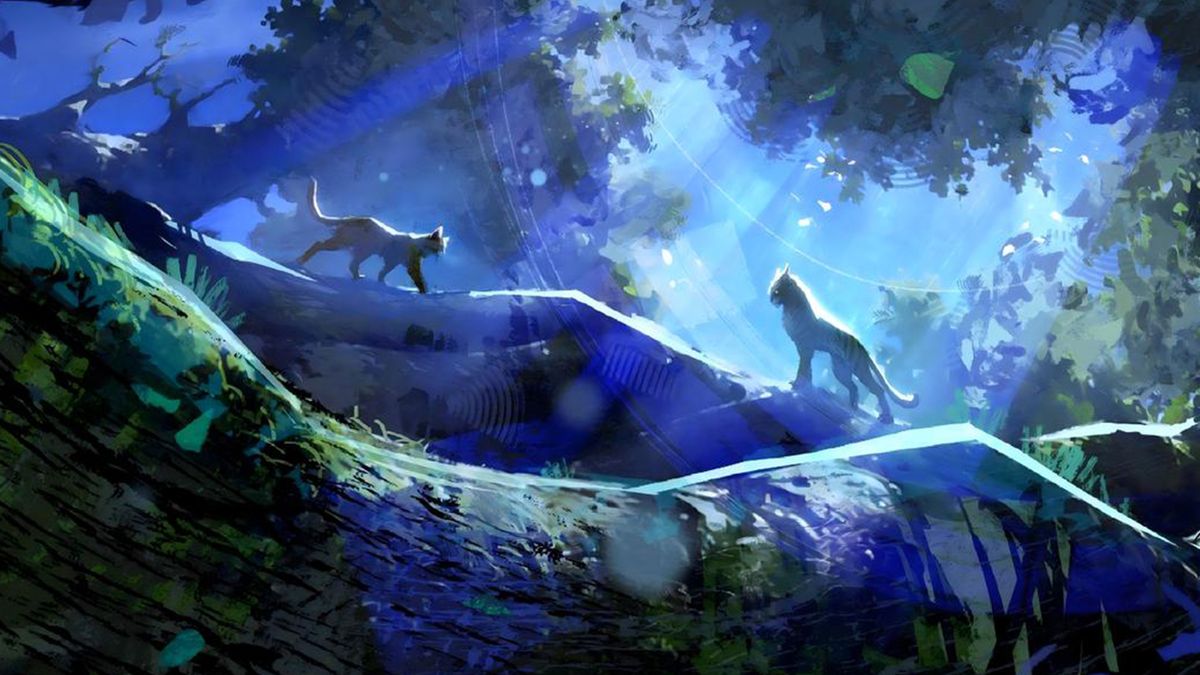
If Warrior Cats succeeds in its stylistic gamble, it could open doors for other beloved fantasy franchises to move away from photorealism. The success of this series will likely be judged by whether it can retain the "expressive energy" seen in the early concept art. Should they succeed, it will prove that audiences are hungry for artistic direction that prioritizes personality and motion over pure, raw pixel count.
Maintaining Fan Trust
The most critical implication is the relationship with the audience. The Warrior Cats fandom is intensely protective of the lore and the specific characterizations of the clan members. By sharing these work-in-progress materials early, the studio is fostering a sense of community involvement. This transparency helps manage expectations, ensuring that when the final product arrives, the audience understands the artistic choices made to translate a text-heavy, descriptive medium into a visual, cinematic one.
Conclusion: The Path Ahead
As the production continues to iterate on its designs, the excitement surrounding Warrior Cats is shifting from mere anticipation to genuine curiosity. By refusing to follow the industry-standard path of photorealistic CG, Original Force is carving out a unique visual identity for the franchise. Whether or not this stylistic "looseness" will translate into a cohesive, long-form series remains to be seen, but the initial foundation suggests a project that respects its source material enough to take the artistic risks necessary to bring it to life in a way that feels both fresh and authentic.
For now, the project stands as a promising experiment—a testament to the idea that in animation, the most important rule is not to mimic reality, but to capture the truth of the story. Readers and animation enthusiasts alike will be watching closely to see how these cats, once confined to the imagination of millions, finally claim their place on the screen.
 Ali Ikhwan
  Azzam Bilal Chamdy
  Iffa Jayyana