
 By Azzam Bilal Chamdy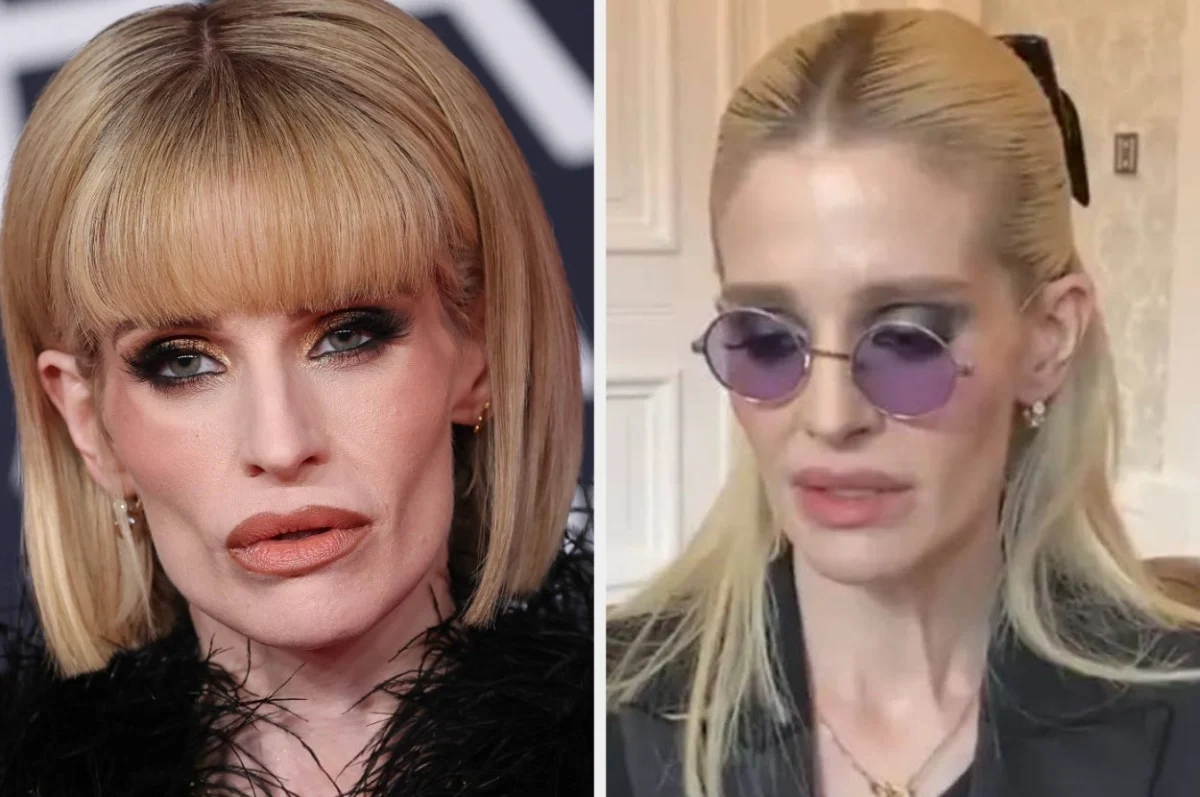
A tragic loss, relentless public scrutiny, and a startling mirror moment forced Kelly Osbourne to confront the devastating physical toll of grief.
Main Facts
In the wake of her father Ozzy Osbourne’s passing in July 2025, television personality and singer Kelly Osbourne endured months of aggressive online scrutiny regarding her dramatic weight loss. For months, the 41-year-old star pushed back against social media critics who fixated on her appearance while she navigated profound personal bereavement.
However, in a deeply revealing new interview, Kelly has confessed that she was entirely unaware of how drastically her physical health had deteriorated. Looking back at her appearances during the early 2026 award season—including high-profile events like the Grammy Awards and the BRIT Awards—she admitted that she "wasn’t very well" and confessed to wearing a wig and carefully selected clothing simply to hide her protruding cheekbones and skeletal frame.
Reflecting on the harrowing period, Kelly noted that her intense emotional pain entirely blinded her to the reality of her physical condition until a dress fitting forced her to confront the mirror. Today, the star is speaking candidly about the intersection of grief, trauma, and body image, shedding light on the hidden pressures faced by public figures in mourning.
Chronology of Events
July 2025: A Devastating Loss
The catalyst for Kelly’s harrowing months began in July 2025, when legendary rock icon Ozzy Osbourne passed away. The loss sent shockwaves through the music world and completely upended the Osbourne family. For Kelly, the grief was immediate, visceral, and all-consuming, triggering a severe physical reaction that deeply impacted her daily life and nutritional intake.
December 2025: The First Wave of Online Backlash
As Kelly tentatively returned to public view and posted video updates addressing her bereavement, she was immediately met with a barrage of harsh commentary regarding her shrinking frame. In December, she took to social media to blast the "disgusting, horrible, mean, brutal comments" directed at her appearance.
"What do you expect from me? What do you expect me to look like right now?" she asked followers at the time. "The fact that I’m getting out of bed and facing my life and trying should be more than enough, and I should be commended for that."
She further addressed trolls who compared photos of her at age 41 to her younger years, reminding the public that natural aging alters facial structures, and emphasized that her extreme physical changes were the direct result of acute illness and grief.
January & February 2026: Award Season Scrutiny and the Grammys
Despite her ongoing pleas for empathy, the public pressure intensified when Kelly stepped out for the Grammy Awards and later the BRIT Awards—where she and her mother, Sharon Osbourne, accepted a posthumous Lifetime Achievement award on Ozzy’s behalf.
Behind the glamorous facade, however, a quiet crisis was unfolding. It was during a dress fitting ahead of the Grammys that Kelly was forced to look at photographs of herself. The reflection shocked her to her core. Realizing how severely emaciated she had become, and fearing that her fragile appearance would overshadow the tributes to her father, she made the drastic decision to wear a wig to obscure her sharply defined cheekbones.
Following the BRIT Awards, an exhausted Kelly posted a poignant message to her Instagram story, writing: "There is a special kind of cruelty in harming someone who is clearly going through something. Kicking me while I’m down, doubting my pain, spreading my struggles as gossip, and turning your back when I need support and love most."
Spring 2026: Acceptance and Revelation
In her recent explosive interview with the Mail on Sunday (as reported by People), Kelly finally lowered her guard, admitting that she was in profound denial during the winter months. She acknowledged that friends and family members had expressed quiet concerns, but explained that her internal agony prevented her from registering their warnings. Having now recognized the severity of her condition, Kelly is actively working toward healing and regaining her health.
Supporting Data and Personal Reflections
The human brain under severe trauma often prioritizes emotional survival over physiological maintenance. For Kelly Osbourne, the profound shock of losing her father manifested as a sudden, involuntary loss of appetite and dramatic weight loss—a physiological response to grief that is clinically recognized but frequently misunderstood by the general public.
Speaking to the press, Kelly offered a stark description of the moment reality finally set in. "All I saw was a broken person," she recalled. However, it was a routine dress fitting ahead of the Grammy Awards that shattered her denial.
"I looked like the fucking Crypt Keeper. I said: ‘This is scary — I didn’t know I looked like this.’ My spine — you could see every single bone."
Determined not to let her physical condition detract from the solemnity and celebration of her late father’s musical legacy, Kelly and her styling team went to great lengths to manage her public presentation.
"I wore a wig to cover my face, so you couldn’t see how skinny my cheekbones really were," she admitted. "They knew I was going through something. So, we were trying to find clothes to not make me look skinnier. I was scared. I wanted to be there to support my mum and to pay tribute to my father’s legacy. But in all honesty, when I reflect on it, I don’t think I should have gone. I wasn’t very well."
Official Responses and Family Support
Throughout the ordeal, the Osbourne family rallied fiercely around Kelly, condemning the relentless cyberbullying and emphasizing the biological realities of grief.
In December, matriarch Sharon Osbourne appeared on Piers Morgan Uncensored to vehemently defend her daughter against online body-shaming.
"She’s right," Sharon stated firmly during the broadcast. "She’s lost her daddy… she can’t eat right now."
Sharon’s public intervention highlighted a vital truth: while public figures are often viewed through the lens of entertainment and red-carpet aesthetics, they remain human beings subjected to the same biological and psychological vulnerabilities as anyone else. The family’s unified front served as a powerful reminder that trauma affects individuals differently, often manifesting in physical deterioration that cannot be easily controlled by willpower alone.
Implications of the Story
Kelly Osbourne’s transparent account of her post-grief health crisis carries profound implications for several ongoing cultural conversations:
1. The Toxicity of Celebrity Body-Shaming
The relentless commentary directed at Kelly highlights a dark side of modern celebrity culture. Social media platforms have created an environment where public figures are stripped of their humanity, with audiences demanding continuous perfection regardless of personal tragedies. The assumption that wealth or fame shields an individual from the devastating physical impacts of grief is not only naive; it is actively harmful.
2. The Invisible Nature of Trauma Responses
While society readily accepts emotional grief—tears, sadness, and public mourning—physical manifestations of trauma, such as dramatic weight loss or gain, are frequently met with unsolicited critiques, moral judgments, or baseless accusations. Kelly’s narrative underscores that trauma is holistic; it rewires the nervous system, alters metabolism, and can make basic self-care, such as eating regular meals, feel insurmountable.
3. The Importance of Reframing Mental and Physical Health
By bravely admitting that she "couldn’t see what other people saw" because she was consumed by her pain, Kelly has opened a critical door for discussions surrounding denial and trauma. Her journey illustrates that recovery often begins not with listening to external critics, but with a sudden, painful realization of one’s own vulnerability—and the subsequent willingness to accept help.
If you or someone you know is struggling with body image issues, extreme weight fluctuations, or disordered eating patterns tied to trauma, support is available:
- In the US: Contact the National Alliance for Eating Disorders at (866) 662-1235 or visit their official website for resources and counseling.
- In the UK: Contact Beat at 0808 801 0677 or visit beateatingdisorders.org.uk for confidential guidance and support.
 Ali Ikhwan
  Sagoh
Sagoh 