
 By Azzam Bilal Chamdy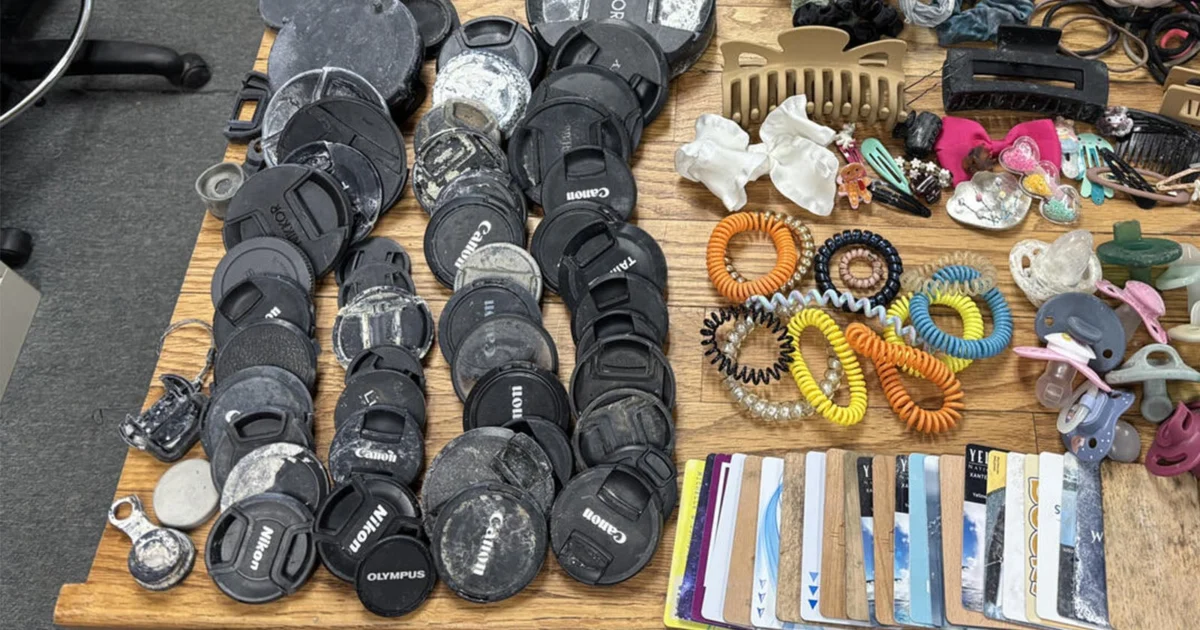
YELLOWSTONE NATIONAL PARK — Spanning an immense 2.2 million acres of rugged wilderness, untamed forests, and world-renowned geological marvels, Yellowstone National Park requires a staggering amount of stewardship. While park rangers and maintenance crews manage wildlife migration, trail maintenance, and visitor safety, a specialized and delicate task falls upon the park’s geology and resource management teams: retrieving debris from the park’s sensitive hydrothermal basins.
According to a recent report from the Yellowstone Volcano Observatory (YVO) detailed in their weekly Caldera Chronicles, park staff have pulled a staggering and record-breaking volume of trash from iconic thermal areas like Old Faithful, the Midway Geyser Basin, and the mesmerizing Morning Glory Pool. As of early September, the team’s running tally eclipsed 20,100 individual pieces of debris recovered from hydrothermal zones this year alone—a disheartening milestone that highlights the ongoing friction between heavy human visitation and pristine natural ecosystems.
Among the haul are hundreds of everyday items, pocket change, bizarre trinkets, and—of particular note to the creative community—a surprisingly high concentration of photographic equipment, led heavily by camera lens caps.
Main Facts: A Delicate Ecosystem Choked by Human Debris
The sheer volume of foreign objects extracted from Yellowstone’s hot springs and geysers is more than just an eyesore; it poses an existential threat to the park’s geothermal features. Yellowstone welcomes roughly 4.5 million annual visitors, a massive foot traffic footprint that inevitably results in accidental drops, wind-blown litter, and, unfortunately, instances of intentional dumping.
When items fall into hydrothermal areas, they rarely remain inert. Park officials explain that foreign material of any kind can permanently damage or alter the chemistry and mechanics of a thermal feature. Debris can clog underground water supplies, block or divert delicate runoff channels, and introduce harmful chemicals and sediment into the fragile thermal pools.
The consequences are not merely theoretical. History offers a stark cautionary tale in the Morning Glory Pool within the Upper Geyser Basin. Decades of visitors treating the vibrant hot spring as a wishing well—tossing in coins, rocks, and trash—fundamentally altered its internal plumbing and water circulation, permanently changing the pool’s iconic brilliant blue color in the twentieth century.
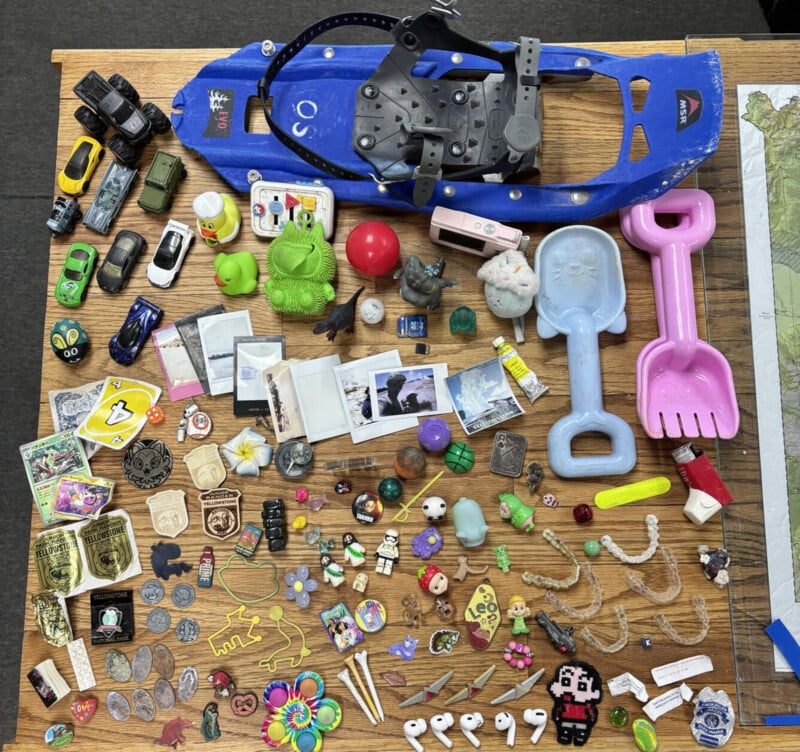
The items recovered by park staff range from the mundane to the bizarre. The 2026 haul includes:
- Over 280 hats, featuring items as eclectic as a World Cup souvenir cap and a Roblox bucket hat. (Park officials note that these salvageable textiles will be washed and donated to local organizations).
- $18 in loose change, a reminder that visitors still persist in using boiling hot springs as coin-tossed wishing wells.
- Seven instant film prints, capturing fleeting moments lost permanently to the thermal waters.
- A baffling assortment of miscellaneous artifacts, including children’s toys, miniature figurines, dental aligners, sunglasses, hair accessories, pacifiers, and plastic cards.
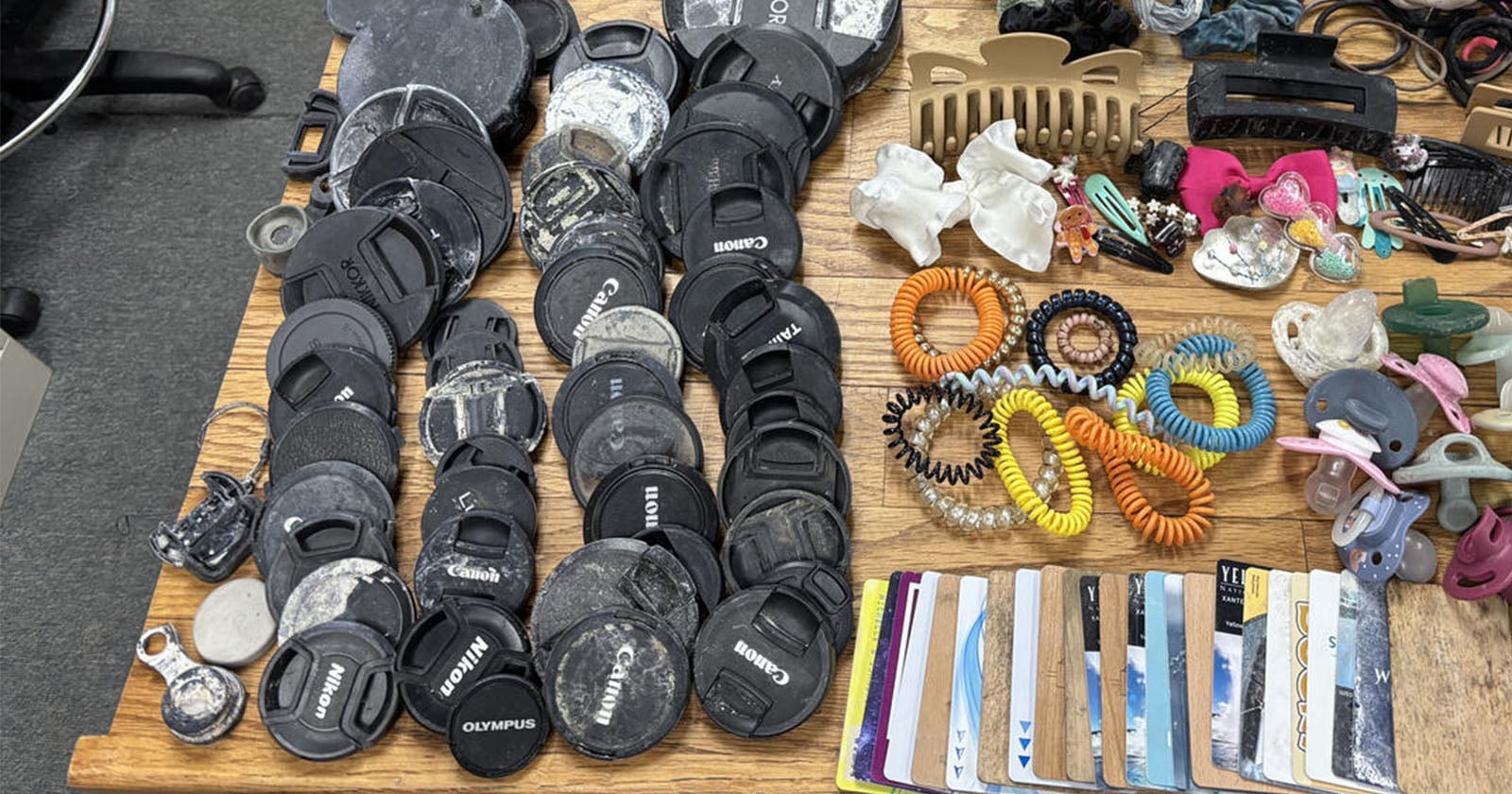
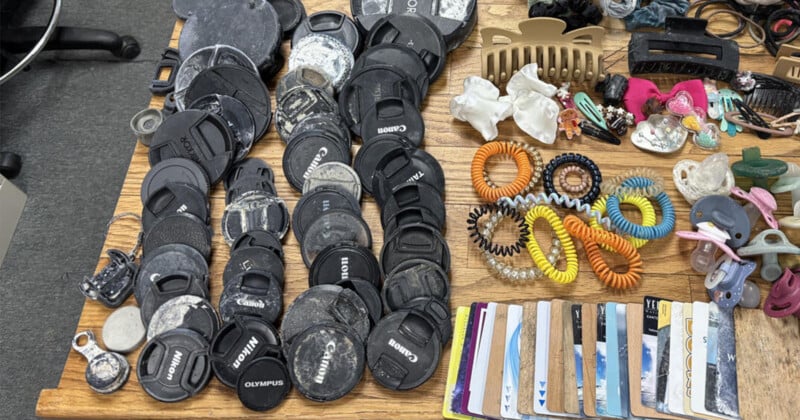
- An unprecedented collection of camera gear, most notably 54 camera lens caps, along with camera body caps, binocular covers, and a lens hood.
Chronology: The Escalating Battle for Thermal Preservation
The effort to clear trash from Yellowstone’s hydrothermal features is not a new initiative, but the trajectory of the problem has grown increasingly concerning over recent years.
Pre-20th Century to Modern Era: The Alteration of Morning Glory
For generations, Yellowstone operated under a laxer understanding of conservation. Visitors freely interacted with thermal features, tossing coins, clothing, and souvenirs into the crystal-clear waters. By the latter half of the 20th century, the accumulation of garbage in Morning Glory Pool had significantly reduced water temperatures and altered microbial mats, shifting the pool’s signature deep blue color to a sickly yellowish-green rim. Remediation efforts over the decades have required specialized cleanups, sometimes involving robotic recovery tools or drainages, to salvage what remains of the original ecosystem.
Spring and Summer 2026: The Record-Breaking Haul
As the 2026 tourism season hit its peak through the summer months, park geology teams ramped up their systematic sweeps of boardwalk-adjacent thermal areas. By early September, the cumulative total of removed debris crossed the historic threshold of 20,100 pieces.
The release of the latest Caldera Chronicles entry brought national attention to the bizarre array of items being pulled from the mud and steaming waters. Photography outlets and mainstream news agencies alike picked up the story as the Yellowstone Volcano Observatory cataloged the summer’s unusual findings—highlighting the heavy toll exacted by clumsy or careless shutterbugs visiting the park.
Supporting Data: By the Numbers
To understand the scope of the problem, one must look at the specific metrics released by the Yellowstone Volcano Observatory and regional preservation watchdogs:
- 2.2 Million Acres: The vast expanse of Yellowstone National Park, managed by a constrained network of park rangers and scientific personnel.
- 4.5 Million Visitors: The approximate annual tourist volume driving near-constant foot traffic along fragile park boardwalks.
- 20,100+ Pieces of Debris: The record-shattering total of individual items retrieved from hydrothermal zones as of September 2026.
- 54 Lens Caps: The number of photographic lens caps recovered this year alone, representing popular commercial brands including Nikon, Canon (featuring a prominent large Nikkor cap), and various third-party manufacturers.
- 280+ Hats: The count of headwear recovered from thermal waters, swept away by heavy mountain winds or dropped by distracted sightseers.
- $18 in Coinage: Recovered pocket change tossed into thermal features over the course of a single summer season.
Official Responses and Warnings from Park Authorities
The Yellowstone Volcano Observatory has taken a firm, educational stance regarding the influx of lost items, addressing visitors, hikers, and landscape photographers directly.
In their public advisory, park scientists underscored the strict safety and ecological protocols required when visiting the park:
"No matter the type of debris, it needs to be removed. Foreign material of any kind can damage or permanently alter a hydrothermal feature, whether from clogging its water supply, blocking or diverting its runoff channel, or polluting it with chemicals and sediment."
Addressing the photographic community specifically, park authorities issued a stark warning: If you drop a lens cap, filter, or camera body cap into a geothermal area, do not attempt to retrieve it yourself.
Venturing off the designated boardwalks into Yellowstone’s thermal basins is not only illegal and environmentally destructive—it is profoundly dangerous. The ground crust surrounding hot springs is often paper-thin, overlaying boiling, acidic water capable of causing catastrophic, life-threatening thermal burns upon breakthrough.
The YVO outlined practical steps for visitors to mitigate accidental littering in high-risk zones:
- Stash Your Trash: Put wrappers, tissues, and easily windblown items deep inside secured pockets, zipped bags, or directly into park waste receptacles.
- Secure Headwear: When adventuring through notoriously windy geothermal overlooks, proactively tighten or remove hats to prevent sudden gusts from launching them into hot springs.
- Respect the Boardwalks: Always stay strictly on designated paths and trails. They are engineered not only to protect fragile geothermal mineral formations and microbial ecosystems, but to keep human visitors alive.
Implications: The Intersection of Nature Photography and Conservation
The high concentration of camera lens caps and instant photos recovered from Yellowstone’s hot springs highlights a unique subset of park visitors: landscape and wildlife photographers.
Yellowstone is widely considered a mecca for visual artists. Every year, thousands of professionals and hobbyists flock to its dramatic vistas, hoping to capture iconic imagery of bison against steaming geysers, or grizzly bears roaming the valleys. However, the physical reality of field photography—juggling multiple lenses, rapidly changing filters, and operating gear in freezing or windy conditions—frequently leads to mishaps.
When a photographer drops a lens cap onto a wooden boardwalk, a momentary gust of wind can easily loft the lightweight plastic piece straight out over the guardrail and down into a steaming pool below.
The implications of these losses extend beyond environmental ethics into professional responsibility. As camera gear becomes increasingly expensive and specialized, photographers are reminded to utilize secure tethering systems, lens cap keepers, and zippered pockets when working near sensitive natural environments.
Ultimately, the data published by the Yellowstone Volcano Observatory serves as a humbling reminder for all travelers. Whether capturing the majesty of a geyser through a telephoto lens or simply strolling along the boardwalks of Morning Glory Pool, human presence leaves an indelible mark. Park officials hope that by exposing the bizarre contents of their thermal cleanups—from Roblox hats to Nikkor lens caps—visitors will exercise greater mindfulness, ensuring that Yellowstone’s geological wonders remain pristine for generations to come.
 Nana Wu
  Ammar Sabilarrohman