In the modern corporate ecosystem, socialmedia is frequently relegated to the digital equivalent of the office breakroom—viewed as a fun, lighthearted, and superficial space where brands post memes, chase fleeting trends, and interact casually with consumers. But according to a growing chorus of industry strategists, this persistent stereotype severely undersells the profound multi-dimensional impact that social channels exert on a modern enterprise.
While return on investment (ROI) remains a cornerstone of corporate accountability, industry experts argue that ROI tells only half the story. For social media managers and marketing leaders striving to secure budget, resources, and executive buy-in, the challenge lies in shifting the narrative away from vanity metrics and direct-sale attribution alone, and toward a holistic framework that captures the true, long-term value of social.
The Core Conflict: Why Leadership Fails to Hear Social Marketers
For years, the professional lifecycle of a social media manager has involved a recurring friction point: presenting a quarterly review filled with impressive engagement spikes, follower growth, and viral moments, only to be met by a skeptical C-suite asking a singular, blunt question: “What did this do for our revenue?”
This disconnect stems from a fundamental divergence in language and perspective.
[Social Media Team Focus]                 [C-Suite Focus]
• Engagement Rates & Impressions     VS.    • Revenue Pipeline & Growth
• Follower Growth & Viral Reach             • Risk Mitigation & Brand Health
• Content Output & Publishing Frequency     • Strategic Market Intelligence
As communication strategist Dani Luffey of DVA Brand Communications points out, executives are rarely losing sleep over a brand’s engagement rate; they are losing sleep over the health, trajectory, and resilience of the overarching business.
“From my perspective, leadership doesn’t truly care about social media metrics, not the way social media managers do,” Luffey notes. “They care about what those metrics tell them about their business or brand.”
When social media teams present data without context—handing over exhaustive 20-page spreadsheet reports that require executives to hunt for insights—they fail to bridge the gap between creative output and business impact. To secure leadership buy-in, marketers must transform from tactical channel operators into strategic advisors who utilize social data as a powerful form of market intelligence.
Chronology and Evolution: From Digital Bulletin Board to Strategic Engine
To understand how social media reached its current crossroads, it helps to examine its evolutionary timeline within corporate strategies over the past two decades.
Phase 1: The Digital Bulletin Board (Early 2010s): Social media was treated as an auxiliary broadcast channel. Brands established corporate profiles primarily to push out press releases, links to blog posts, and promotional offers. Success was judged almost exclusively on follower counts and basic reach.
Phase 2: The Engagement Era (Mid-to-Late 2010s): Brands recognized the need for two-way communication. Community management emerged, and teams prioritized "brand voice," clever community interactions, and community building. However, tying these efforts directly to financial outcomes remained a elusive puzzle for analytics teams.
Phase 3: The Omnichannel Attribution Era (2020–Present): Consumer behavior fundamentally shifted. Studies show that nearly 30% of consumers in major markets like the U.S., UK, and Germany now discover a product on social media before executing their purchase through entirely separate channels—such as direct website visits, retargeting emails, or in-store purchases. Attribution became exceptionally messy, leaving social channels under-credited in traditional revenue attribution models.
Today, social media functions as a complex, always-on focus group, customer service hub, and brand health monitor. Yet, the metrics used to evaluate it have historically lagged behind its actual operational utility.
Supporting Data: The Reality of Long-Term Value vs. Short-Term ROI
To properly evaluate social media, leadership must understand the critical distinction between Social Media Value and Social Media ROI.
Metric Dimension
Social Media Value
Social Media ROI
Definition
The full, comprehensive impact that social media exerts on the broader business ecosystem.
The specific financial return generated relative to the capital invested in social media initiatives.
Direct revenue, net profit, cost savings, and measurable financial conversions.
Timeline
Cumulative and compounding; builds steadily over months and years.
Typically tied to specific campaigns, ad spends, or short reporting periods.
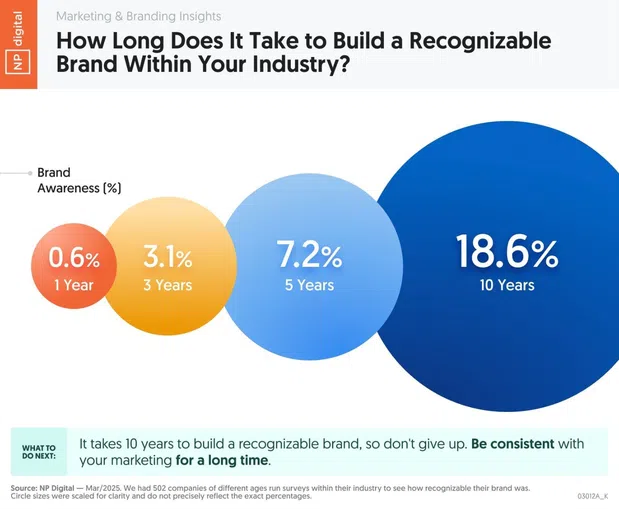
Data underscores why evaluating social strictly through short-term ROI is fundamentally flawed. Brand building is inherently a long game. According to recent industry benchmarks from digital research, newly launched brands average a meager 0.6% category awareness in their first year. However, through consistent presence and strategic engagement, that awareness factor multiplies exponentially over a five-year maturity cycle.
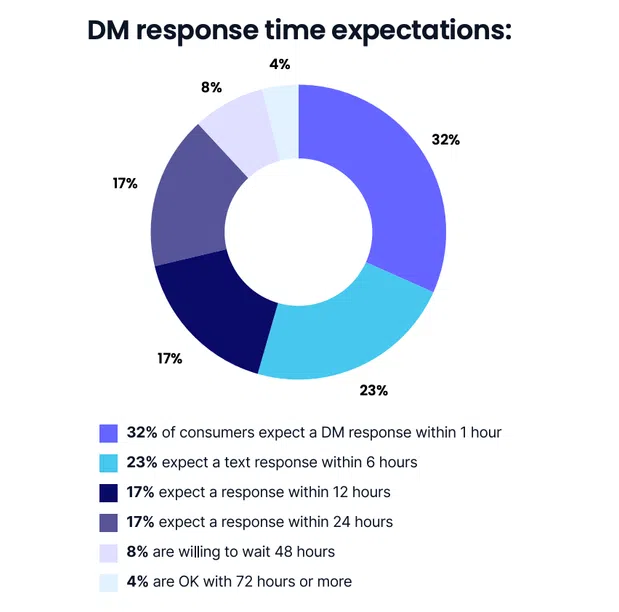
Furthermore, consumer expectations regarding customer care on social have reached an all-time high. Recent customer experience surveys reveal that nearly three in five consumers consider rapid corporate responses to support queries on social media to be vital. Conversely, 37% of consumers report that slow response times on social platforms directly degrade their perception of a brand, turning social into a high-stakes arena for customer retention and churn prevention.
The Six Pillars of Social Media Value
To build a bulletproof case for leadership, marketers must categorize social media’s contributions into six core operational pillars. By demonstrating value across these diverse areas, teams can prove that social impact extends far beyond the immediate sales funnel.
1. Revenue and Pipeline Impact
While tricky to track due to multi-touch attribution hurdles, social directly drives conversions, qualified leads, and assisted sales. Utilizing robust tracking parameters (such as UTM codes) helps capture social’s direct contribution to the bottomline, even if a user’s final checkout occurs days later via email or search.
2. Customer Insight and Market Intelligence
Social media operates as an unfiltered, real-time focus group. Consumers openly articulate what they love, what frustrates them, and where competitors are falling short. When routed properly to product development and sales teams, these qualitative insights can shape product roadmaps and refine commercial pitches.
3. Customer Care and Retention
With consumers increasingly relying on platforms like X (formerly Twitter), Instagram, and LinkedIn for customer service, social channels serve as frontline defenses for brand loyalty. Swift, empathetic resolutions can win back dissatisfied customers before minor complaints escalate into public relations crises.
4. Reputation and Brand Health
Monitoring brand sentiment allows organizations to gauge public perception in real-time. Catching negative sentiment spikes early gives communication teams the agility to adjust messaging, address grievances, or amplify positive brand narratives before public opinion hardens.
5. Content and Campaign Intelligence
Every individual post functions as a low-risk market experiment. Analyzing performance patterns—such as saves, shares, and watch times—supplies data-driven intelligence that optimizes future marketing investments before capital is deployed.
6. Brand Awareness and Share of Voice
Even when consumers are not actively clicking links, sustained visibility keeps a brand top-of-mind. Tracking share of voice ensures that an organization dominates industry conversations relative to its competitors.
Official Industry Perspectives: Advice from the Front Lines
Securing executive alignment requires fundamentally altering how marketing teams package and present their findings. Creative directors and communication strategists emphasize three cardinal rules for engaging the C-suite:
"One of the biggest misconceptions is that social media success should be measured by follower count or whether a post ‘goes viral.’ A strong social media strategy isn’t about one big moment; it’s about consistently supporting larger marketing and business goals."
— Megan Wilson, Creative Director at Sweet Talk Strategy
To put this philosophy into practice, reporting frameworks must eliminate vanity metrics and adhere to a structured, four-step communication strategy:
Translate Metrics into Business Language: Shift discussions away from raw engagement rates and explain the macro-trends behind the numbers. For instance, explain how a shift in audience sentiment indicates changing consumer preferences or emerging market demands.
Benchmark Against Concrete Goals: Ground every report in the organization’s overarching business objectives, illustrating precisely how social media efforts propelled those milestones forward.
Provide Context, Not Clutter: Never force executives to dig through dense dashboards. Highlight the vital metrics, explain their significance, and distill the core lessons learned.
Deliver Actionable Recommendations: Transform routine status updates into strategic advisories. Tell leadership not just what happened, but what operational or strategic steps the company should take next.
Implications for the Future of Enterprise Marketing
As artificial intelligence and advanced analytics reshape the digital landscape, tools are emerging to help modern marketing teams bridge the gap between creative execution and executive reporting.
Platforms like Hootsuite are addressing these enterprise pain points through specialized suites designed to quantify social value:
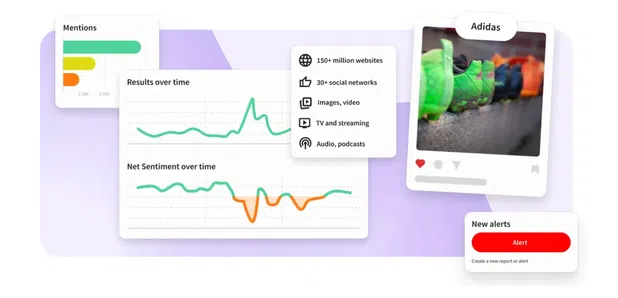
Brand Intelligence & Share of Voice: Tools like Lumen track mentions, sentiment shifts, and share of voice across millions of web sources and social channels, giving teams hard data on brand health and reputation.
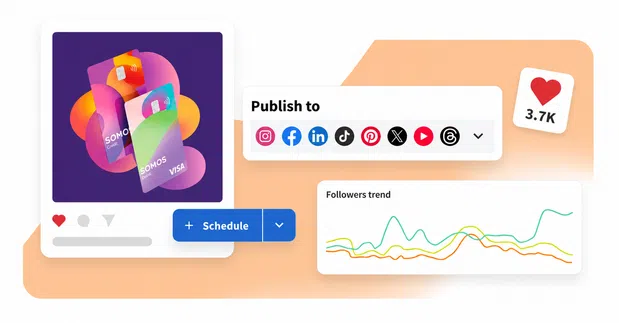
Streamlined Content Performance: Solutions like Perch unify publishing workflows and analytics, allowing teams to scale output and immediately connect specific campaigns to multi-channel performance data.
Plain-Language Impact Summaries: Generative analytics features like Wisdom translate complex performance metrics into clear, citation-backed narratives, making it seamless for managers to generate stakeholder-ready quarterly reports.
Strategic Pitfalls to Avoid
As organizations refine their reporting processes, teams must consciously avoid three common traps that undermine their credibility:
Overloading Leadership with Data: Handing executives a 20-page document overflowing with charts creates information overload rather than clarity. Focus strictly on a curated handful of meaningful metrics.
Leading with Activity Over Impact: Publishing 100 posts a month demonstrates high operational activity, but fails to communicate strategic value unless paired with tangible business outcomes.
Treating Revenue as the Sole Success Metric: Erasing the foundational value built by awareness, customer care, and brand health simply because another channel secured the final purchase click distorts the true utility of marketing investments.
Conclusion
Proving the value of social media to leadership is no longer about defending why budget was spent on creative content; it is about demonstrating that social channels serve as critical barometers of business health, customer sentiment, and market opportunity.
By pivoting from vanity metrics to comprehensive value frameworks—and by translating data into strategic narratives that speak directly to corporate goals—marketers can finally secure their rightful place as indispensable drivers of enterprise growth.

 By Nana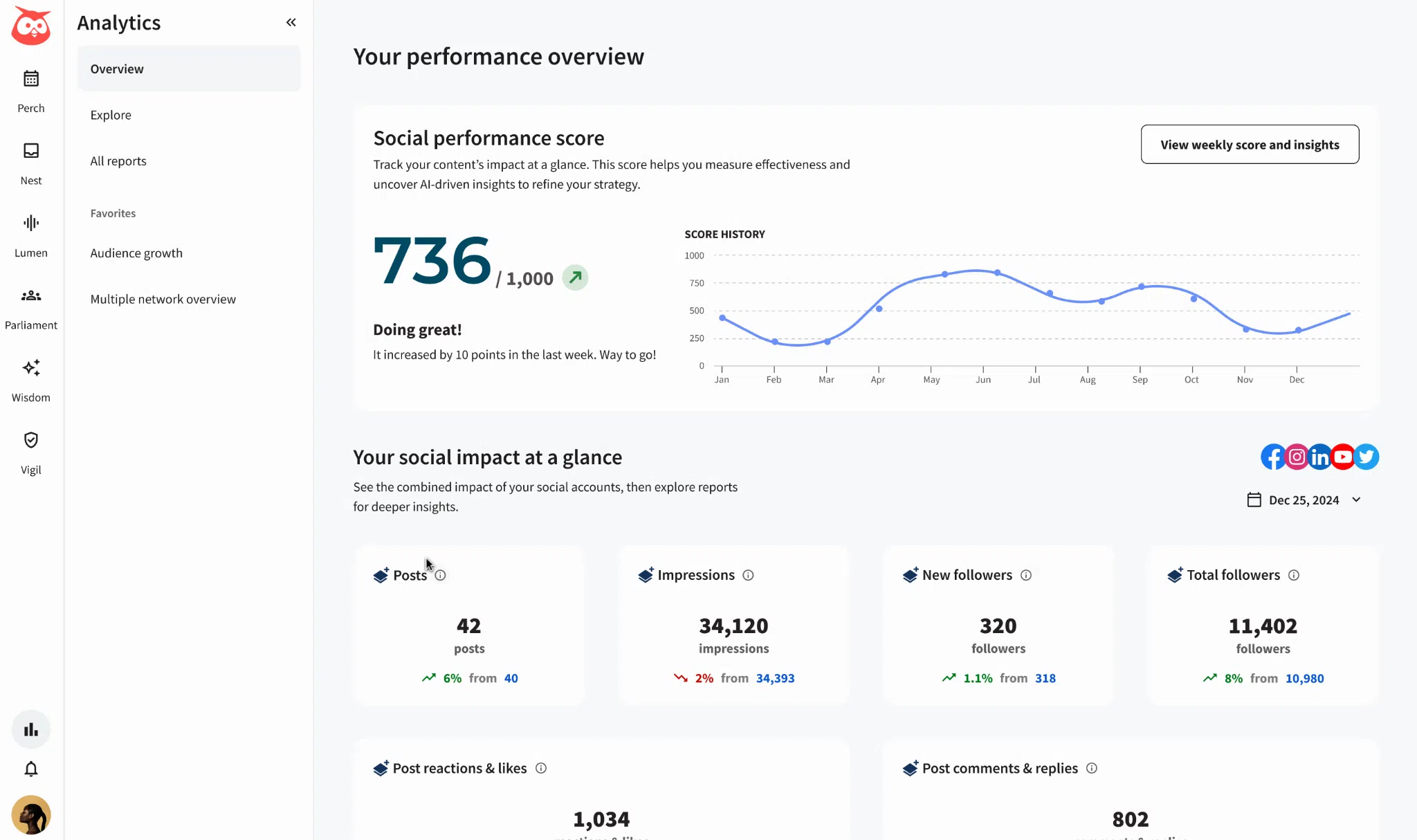



 Asep Darmawan
  Pevita Pearce
  Neng Nana