
 By Pevita Pearce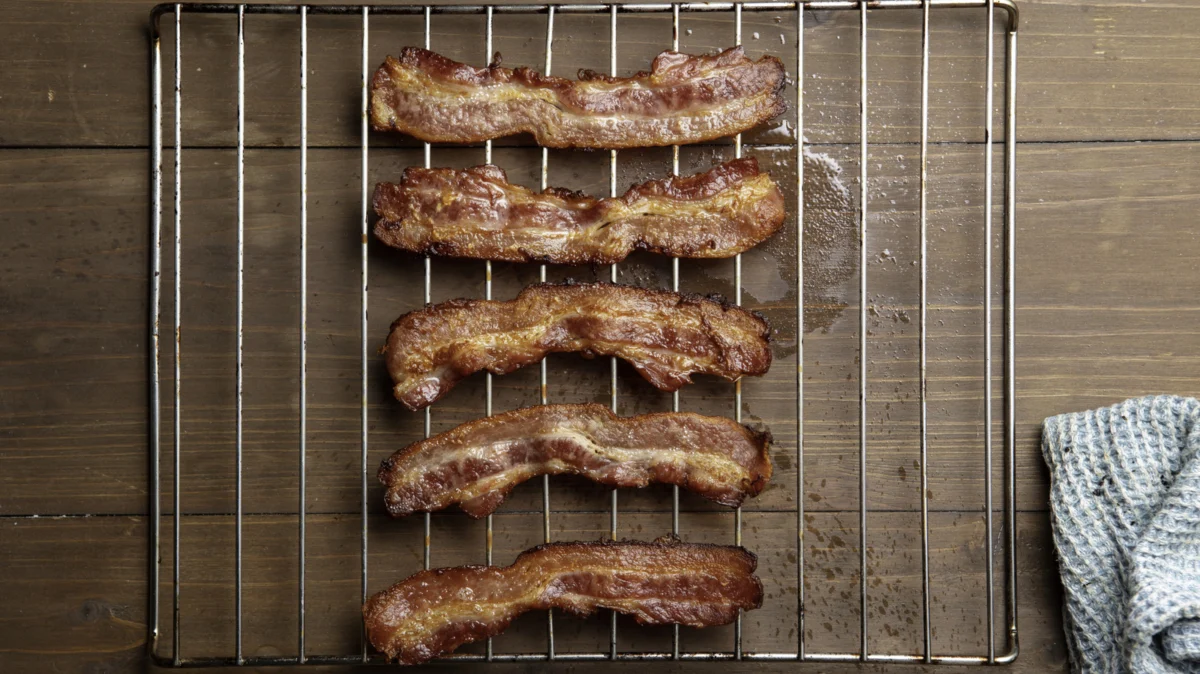
BOSTON — In the high-stakes, hyper-competitive arena of American fast-food breakfast, differentiation is everything. Major chains continuously tweak their coffee blends, rollout inventive morning sandwich carriers, and experiment with regional flavor profiles to capture the loyalty of the morning commuter. Yet, among the myriad breakfast components that populate drive-thru menus nationwide—from folded eggs to American cheese and breakfast sausages—bacon remains a universal anchor.
While virtually every quick-service restaurant (QSR) and fast-casual establishment features bacon on its menu, a closer inspection of supply chains and ingredient disclosures reveals a subtle yet distinct divergence. While the vast majority of competitors rely on applewood-smoked varieties, Dunkin’—the Massachusetts-headquartered global giant with deep roots in morning coffee and baked goods—takes a different path. Dunkin’ relies exclusively on cherrywood-smoked bacon, a culinary choice that sets its breakfast sandwiches, limited-time-edition donuts, and standalone snacks apart from the industry standard.
Main Facts: The Anatomy of Dunkin’s Signature Bacon
At first glance, a strip of fast-food bacon may seem unremarkable—a thin, crispy, salty protein meant to add texture and savoriness to a morning sandwich. However, the exact species of wood used in the smoking process dictates the aromatic profile, color, and depth of flavor delivered to the consumer’s palate.
Cherrywood vs. Applewood: The Flavor Divide
Applewood-smoked bacon is the undisputed king of the commercial fast-food landscape. Ubiquitous across nearly all major quick-service chains, applewood smoke imparts a mild, sweet, and fruity undertone that complements standard cured pork without overwhelming eggs, cheese, or specialized sauces.
Cherrywood smoke shares a similar family tree. It is famously mild, gently sweet, and aromatic, making it an approachable choice for mass-market consumers. However, cherrywood possesses distinct chemical and visual characteristics that separate it from applewood:
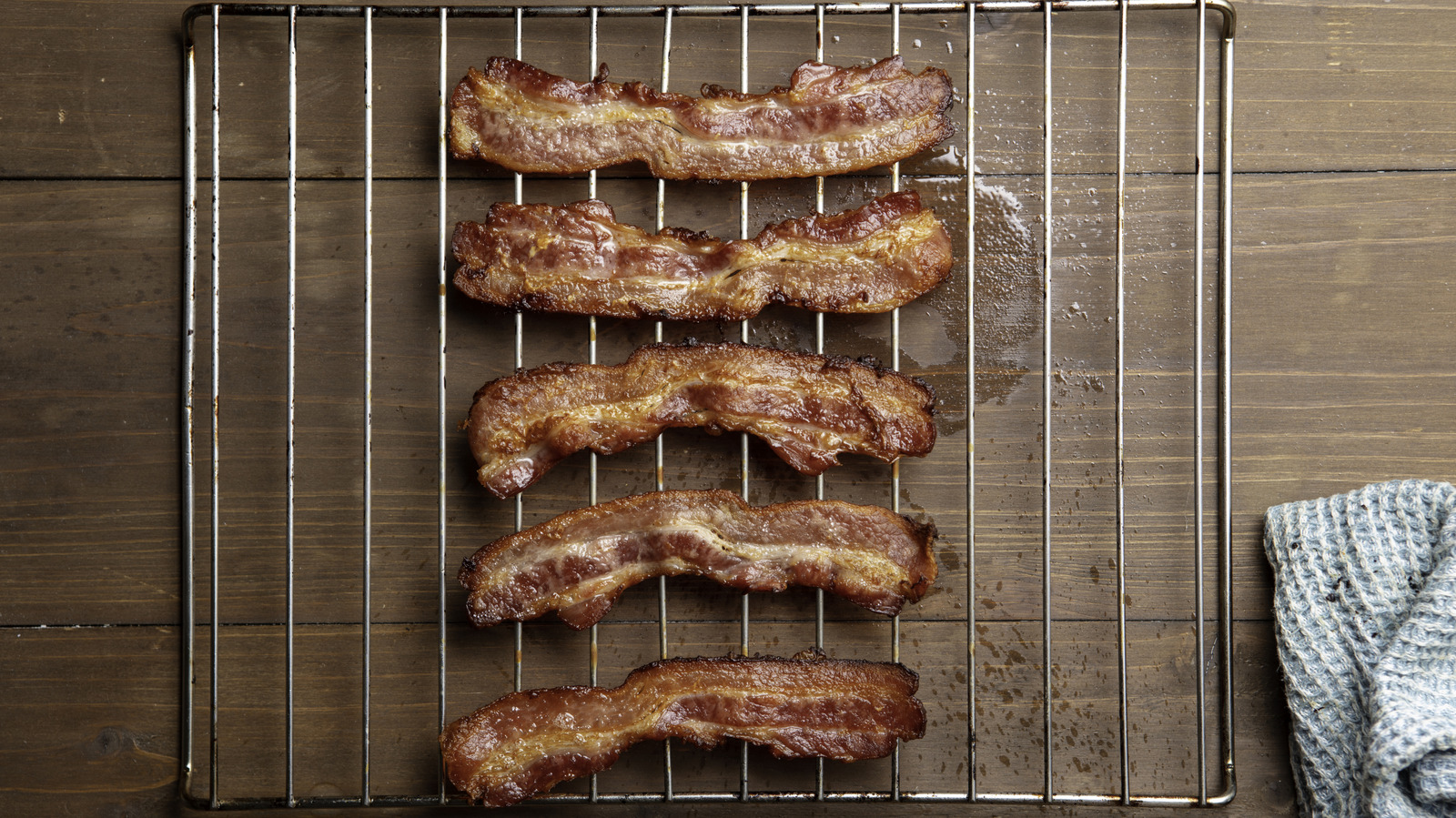
- Visual Presentation: Cherrywood-smoked bacon features a visibly redder, deeper hue compared to the golden-brown or lighter tones typical of applewood-smoked alternatives.
- Flavor Nuance: While many consumers find the taste profiles nearly indistinguishable in blind taste tests, culinary experts note that cherrywood delivers a slightly fruitier, rounded sweetness that reacts well to caramelized sugars and savory spice blends.
How It’s Served Across the Menu
Dunkin’ deploys its cherrywood-smoked bacon in two primary formats:
- Standard Breakfast Integration: It serves as a core protein across the brand’s expansive sandwich lineup—appearing alongside eggs and cheese on English muffins, croissants, bagels, and the brand’s underrated sourdough breakfast sandwich, where its smokiness cuts through the heavy richness of white cheddar and double eggs.
- Snackin’ Bacon: Recognizing the cultural shift toward high-protein, portable, all-day snacking, Dunkin’ introduced Snackin’ Bacon. Sold in a small, branded sleeve containing loose strips of cherrywood-smoked bacon, this standalone item is tossed in a proprietary sweet and peppery seasoning blend, elevating the pork from a mere sandwich ingredient to a featured star. (Notably, standard sandwich bacon is unseasoned with the sweet-peppery glaze, allowing the pure smoke flavor to interact directly with the bread and cheese).
Chronology: The Evolution of Fast-Food Bacon and Dunkin’s Strategy
To understand how cherrywood-smoked bacon became a defining characteristic of the Dunkin’ menu, it is necessary to examine the broader historical timeline of commercial bacon production and the company’s menu evolution.
- Early 20th Century – Industrial Smoking Standardization: Commercial bacon producers shift away from traditional brick-smokehouse methods toward liquid smoke and large-scale industrial smoke chambers to meet the demands of post-war American consumerism.
- Late 20th Century – The Rise of Applewood: As gourmet and artisanal culinary trends permeate mainstream dining in the 1980s and 1990s, applewood-smoked bacon emerges as the commercial gold standard for fast-food chains seeking a "gourmet" or "wood-smoked" marketing claim without alienating conservative palates.
- 2000s – The Breakfast Wars Intensify: Major fast-food chains aggressively target the morning commute market. Chains like McDonald’s, Wendy’s, and Burger King standardize their breakfast menus, heavily relying on conventional applewood-smoked bacon strips due to broad supply chain availability and cost-efficiency.
- 2014–2019 – Menu Modernization and Protein Focus: Dunkin’ (then operating under the name Dunkin’ Donuts before dropping "Donuts" to reflect its beverage-and-all-day-snack identity) undergoes a massive operational and culinary overhaul. The brand focuses on premium breakfast sandwiches to drive afternoon and morning traffic away from traditional competitors.
- July 2019 – The Debut of Snackin’ Bacon: Capitalizing on the protein snack trend, Dunkin’ officially launches "Snackin’ Bacon" nationwide. The product features eight half-strips of cherrywood-smoked bacon tossed in a brown sugar and black pepper seasoning, marking one of the brand’s most successful limited-to-permanent menu expansions of the decade and thrusting its unique wood-smoking choice into the spotlight.
- Present Day – Continued Menu Integration: Cherrywood-smoked bacon remains a foundational pillar of Dunkin’s seasonal and permanent food promotions, appearing in specialty sourdough sandwiches, flatbreads, and festive product drops.
Supporting Data: Understanding Wood Smoke and Bacon Varieties
In the broader culinary universe, bacon is far from a monolithic product. According to culinary guides and industry classifications, bacon can be categorized into at least 14 distinct varieties based on cut, curing method, and smoking source.
Natural Smoke vs. Liquid Smoke
A critical point of differentiation in the commercial pork industry lies in how the smoke flavor is applied:
- The Budget Shortcut: Cheaper, lower-tier commercial brands frequently bypass traditional smoking chambers entirely. Instead, they inject pork bellies with liquid smoke flavoring during the curing process, mimicking the sensory experience of a fire without the time or expense of actual wood combustion.
- Authentic Hardwood Smoke: Premium labels, including Dunkin’s suppliers, utilize genuine hardwood smoke. A review of Dunkin’s ingredient disclosures reveals that while genuine cherrywood smoke is utilized to achieve its primary aromatic baseline, secondary smoke flavorings are occasionally incorporated to ensure batch-to-batch consistency across thousands of nationwide storefronts—a standard practice in high-volume commercial food manufacturing.
A Comparative Look at Smoking Woods
While cherrywood and applewood dominate the poultry and pork sectors for their mild sweetness, other woods offer entirely different dimensions:
- Hickory: Widely regarded as the king of smoking woods in American barbecue, hickory imparts a strong, bacon-adjacent, pungent, and earthy finish. Food critics and reviewers frequently cite high-end consumer products like Smithfield’s Naturally Hickory Smoked Thick-Cut Bacon as the benchmark for traditional, robust pork flavor due to its intense savory footprint.
- Mesquite: Popular in Southwestern culinary traditions, mesquite delivers a heavy, earthy, and distinctly tangy flavor profile that can easily overpower mild breakfast ingredients if not carefully managed.
- Fruitwoods (Apple and Cherry): By comparison, fruitwoods burn cooler and cleaner, infusing sugars that caramelize gracefully on the meat’s surface during the frying or baking process. This makes them ideal for breakfast applications, where heavy smoke notes might otherwise clash with delicate items like eggs, milk-based cheeses, and coffee.
Official Responses and Industry Perspectives
While fast-food corporations rarely disclose the proprietary names of their agricultural suppliers or exact supply chain contracts for competitive reasons, corporate statements and marketing materials from Dunkin’ shed light on the strategic positioning of their food offerings.
During the initial rollout of Snackin’ Bacon, corporate communications emphasized the consumer appetite for high-quality, protein-forward snacks that could be consumed on the go.
"At Dunkin’, we know our guests are looking for exciting, high-quality protein options that fit into their fast-paced lifestyles," a Dunkin’ culinary representative noted during the product’s launch phase. "Choosing cherrywood-smoked bacon gave us a distinct flavor profile—sweeter, smoother, and visually richer—that stands apart from the typical breakfast counter fare, providing a memorable experience whether it’s tucked inside a sourdough sandwich or enjoyed on its own."
Food industry analysts point out that while the cost differential between applewood and cherrywood supply chains is marginal for a multi-national corporation, the branding payoff is significant. In a market where consumers often view fast-food breakfast as interchangeable, minor ingredient distinctions serve as powerful psychological anchors for brand loyalty.
Implications: What This Means for Consumers and the QSR Industry
The quiet dominance of cherrywood-smoked bacon within Dunkin’s ecosystem carries several implications for both the consumer base and the broader quick-service restaurant industry.
1. The Rise of "Snackification" in Breakfast Menus
Dunkin’s success with Snackin’ Bacon proved that breakfast proteins no longer need to be trapped inside a bread-and-cheese vehicle to sell. By treating bacon as a standalone snack item coated in complex seasonings (brown sugar and black pepper), the brand unlocked a new revenue stream during off-peak afternoon hours. Other fast-food competitors have since taken notice, experimenting with standalone protein sides to capture the lucrative snacking demographic.
2. Consumer Literacy and Ingredient Transparency
Modern consumers are increasingly reading ingredient labels, exploring food blogs, and demanding greater transparency regarding how their food is prepared. The realization that Dunkin’ utilizes cherrywood—while competitors stick to applewood or generic liquid smoke—rewards curious diners and validates the brand’s culinary marketing claims. It encourages a deeper appreciation for the nuances of food processing, shifting consumer perception from "fast food is all the same" to recognizing specific, intentional culinary choices.
3. Supply Chain Resilience and Culinary Consistency
Sourcing authentic hardwood-smoked pork at the scale required by a brand with over 11,000 global locations is no small feat. The ability to maintain a consistent cherrywood-smoked supply chain demonstrates the sophistication of modern food logistics. As consumer expectations rise, other regional and national chains may find themselves forced to upgrade their pork specifications to match the flavor complexity pioneered by brands like Dunkin’.
Conclusion
What appears at first glance to be a routine breakfast menu item is actually the result of calculated culinary positioning. By deliberately selecting cherrywood-smoked bacon over the ubiquitous applewood standard, Dunkin’ has carved out a distinct sensory identity for its morning sandwiches and standalone snacks. Whether nestled inside an underrated sourdough breakfast sandwich or enjoyed straight from a sleeve of Snackin’ Bacon, this subtle shift in smoke profile proves that in the cutthroat world of fast-food breakfast, the smallest details often leave the most lasting impression.
 Raul Delapena Setiawan
  Lina Irawan
  Nana
Nana 