
 By Laily UPN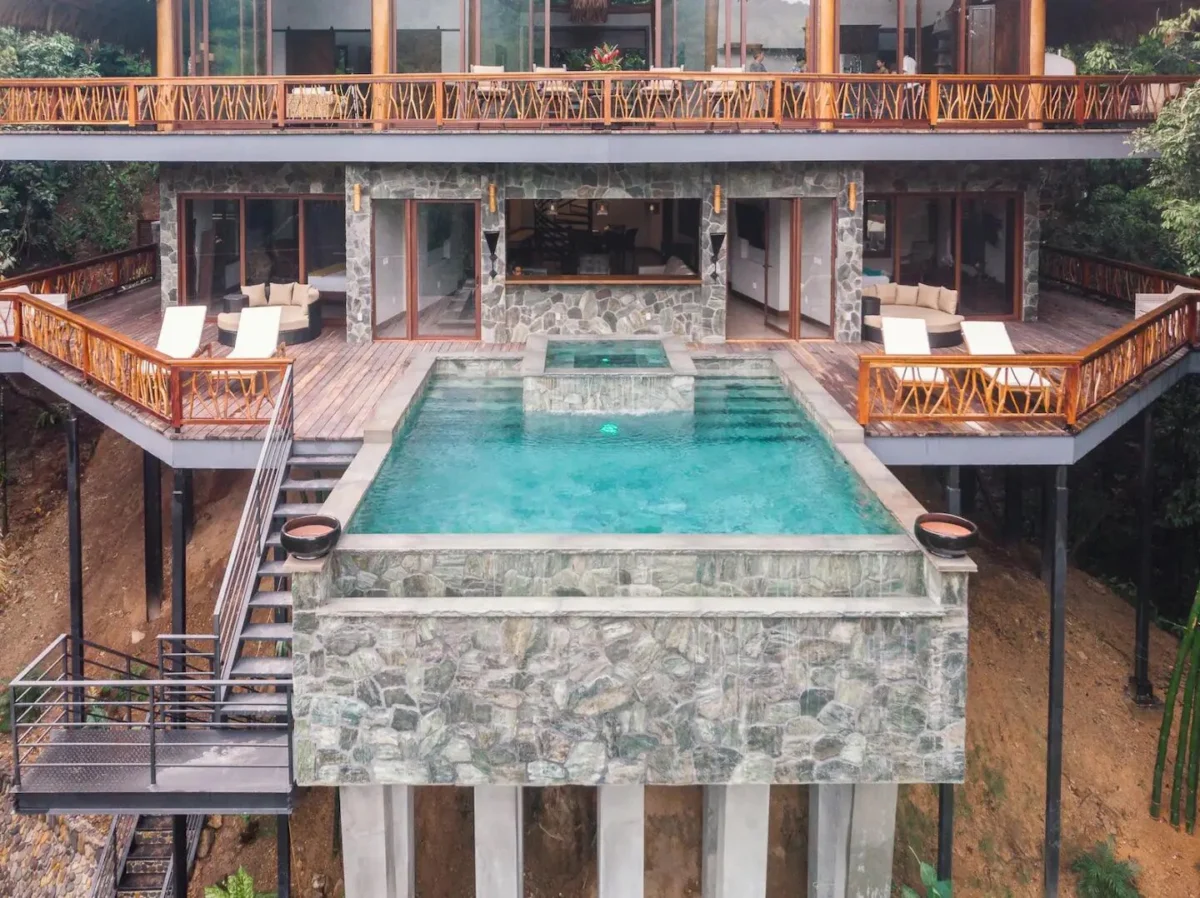
In an era defined by hyper-connectivity and the relentless hum of digital notifications, a quiet revolution is taking place in the travel industry. Discerning travelers are increasingly turning their backs on traditional five-star hotels, seeking instead the profound silence and environmental harmony of off-grid living. This shift—often termed "intentional seclusion"—is not about sacrificing comfort, but about curating an experience where nature is the primary amenity.
From the volcanic landscapes of Spain to the rugged jungles of Belize, these properties prove that sustainable, solar-powered, and disconnected living can represent the pinnacle of modern luxury.
The Philosophy of Disconnection: Main Facts and Trends
The rise of the "off-grid luxury" sector is backed by a shift in consumer behavior. Travelers are prioritizing wellness, privacy, and architectural innovation over centralized locations. These properties, while remote, often employ cutting-edge green technology—solar power, greywater recycling, and sustainable architecture—to ensure that the guest’s footprint is as light as their impact on the local ecosystem.
The following eight properties represent the gold standard of this movement, blending architectural artistry with raw, untamed geography.
A Global Chronology of Design and Landscape
The evolution of these retreats varies significantly by region, reflecting the local vernacular and the specific challenges of their environments.
1. Valley Stream, Belize: The Jungle Sanctuary
Located within a sprawling 200-acre private jungle sanctuary, Valley Stream is a 5,000-square-foot marvel of Belizean craftsmanship. Featuring soaring native thatch ceilings and locally sourced hardwood floors, the home blurs the line between indoor luxury and outdoor wilderness.
- The Experience: Guests are treated to cliffside rock pools, private trails, and an in-house professional chef.
- Specs: Three bedrooms, six guests. Starting at $4,571 per night.
2. Birdbox, Norway: The Nordic Gallery
Situated three hours north of Bergen, the Birdbox is a testament to minimalist design. It is effectively a glass-walled portal into the Norwegian wilderness. Guests describe the experience as "sleeping in a landscape painting," with views of the Blegja mountain range and the Førdefjord.
- The Experience: Total immersion in the fjord’s dramatic scenery, perfect for those seeking meditative silence.
- Specs: One bedroom, two guests. Starting at $360 per night.
3. Caipira Modernista, Brazil: The Architectural Benchmark
This property is widely recognized as Brazil’s first 100-percent off-grid sustainable home. It is a masterclass in modern, neutral design that utilizes mountain-fed water and solar energy.
- The Experience: Stargazing from the extensive terrace or hiking to nearby lakes.
- Specs: Four bedrooms, eight guests. Starting at $802 per night.
4. The Boat Shack, United Kingdom: Historic Minimalism
Conversion is the hallmark of the Boat Shack, a 1945 vessel transformed into an off-grid sanctuary near Ely and Cambridge. It demonstrates that history and sustainability can coexist comfortably.
- The Experience: Forest seclusion with a 15-minute commute to the historic city of Ely.
- Specs: One bedroom, two guests. Starting at $219 per night.
5. Casa Bell, Costa Rica: The Rainforest Oasis
Perched between the ocean and the valley, Casa Bell is an eco-conscious home that embraces the Montezuma lifestyle. Its outdoor shower and pool serve as the transition points between the structure and the jungle.
- The Experience: Wildlife encounters coupled with the convenience of a 25-minute walk to town.
- Specs: Three bedrooms, seven guests. Starting at $284 per night.
6. NeoNauta 23, Spain: The Digital Nomad’s Retreat
Located in the Canary Islands, this 2021 build proves that off-grid living is compatible with the modern remote-work lifestyle. With high-speed fiber-optic-grade connectivity and dedicated office space, it caters to the "laptop-lifestyle" traveler.
- The Experience: A blend of volcanic landscapes and high-end productivity tools.
- Specs: Three bedrooms, six guests. Starting at $305 per night.
7. The Hogan by the River, Arizona: Authentic Heritage
In the heart of the Navajo Nation, this traditional earth home provides a raw, authentic experience. It is a place of deep history, lacking electricity and plumbing to ensure the integrity of the cultural experience remains intact.
- The Experience: Proximity to the Grand Canyon and Monument Valley, with strict adherence to tribal regulations.
- Specs: One bedroom, two guests. Starting at $166 per night.
8. The "Loop," Morocco: Hedonistic Sustainability
The Loop is a structural triumph in the Marrakech countryside. A clay home that manages to be both earthy and opulent, it accommodates large groups while maintaining a sense of rural privacy.
- The Experience: Authentic Moroccan cuisine prepared by a private chef amidst the backdrop of the Atlas Mountains.
- Specs: Six bedrooms, 12 guests. Starting at $579 per night.
Supporting Data: Why Travelers Choose Off-Grid
Market analysis suggests that the "off-grid" search term on major rental platforms has seen a 300% increase over the last four years. The drivers are threefold:
- Environmental Consciousness: Travelers are increasingly aware of their carbon footprint and seek properties that demonstrate active sustainability.
- Psychological Restoration: Studies on "nature-deficit disorder" have pushed travelers to seek landscapes that offer "soft fascination"—environments that require little cognitive effort, such as mountains or oceans.
- The "Exclusivity" Factor: True luxury is now defined by what you don’t have: no traffic, no crowds, and no digital noise.
Official Perspectives and Industry Implications
The hospitality industry is responding to this demand by incentivizing hosts to adopt sustainable certifications. Many of the properties listed above have been audited for their energy efficiency.
"The shift is undeniable," notes one hospitality consultant. "We are moving away from the ‘cookie-cutter’ hotel experience. The modern guest wants a narrative—a story they can tell about their stay. Whether it’s the history of a 1945 boat in the UK or the indigenous architecture of a Navajo Hogan, the value is in the uniqueness of the story."
Implications for the Future
The long-term implication of this trend is a transformation in how urban centers are viewed. As remote work becomes permanent for a significant portion of the global workforce, the distinction between "vacation" and "residence" is blurring. These off-grid homes are becoming prototypes for the future of sustainable, decentralized living.
However, there is a challenge: conservation. As these remote areas gain popularity, there is an inherent risk of environmental degradation. The most successful properties in this niche are those that limit guest capacity and invest heavily in local community development, ensuring that the destination remains as pristine as it was before the surge in tourism.
Conclusion: Finding Your Escape
Whether you are a digital nomad requiring a volcanic office in Spain or a nature-seeker looking for the silence of a Norwegian fjord, the market for off-grid travel has never been more robust. These eight properties are not merely places to sleep; they are gateways to a more intentional way of experiencing the world. By stepping off the grid, travelers are finding that they are, in fact, more connected to the elements that matter most.
To explore these properties further, visit the booking links provided in each section. Ensure you check local travel regulations and sustainability policies before finalizing your trip to protect the integrity of these delicate environments.
 Pevita Pearce
  Basiran