
 By Laily UPN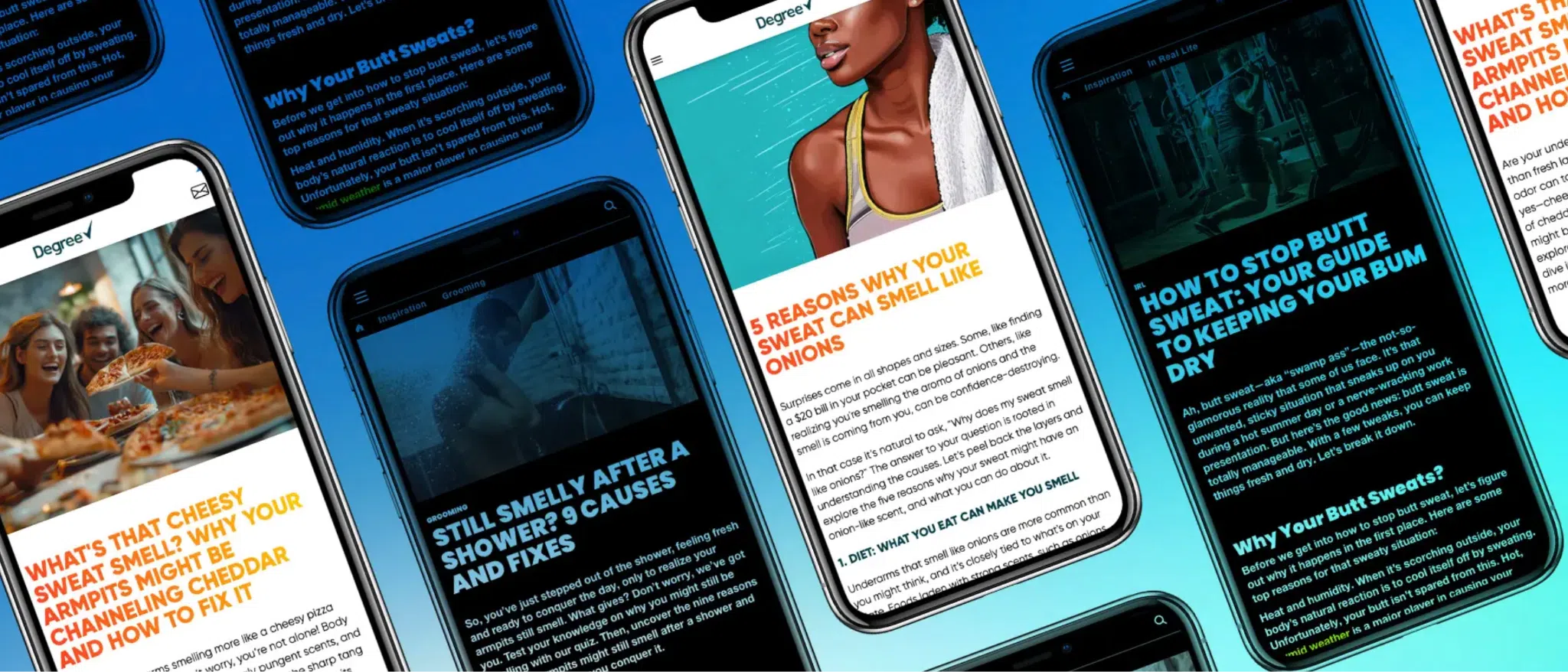
By Erin Rodrigue | Content Strategist & Industry Analyst
Artificial intelligence has officially crossed the threshold from speculative tech-industry buzzword to foundational infrastructure. Yet, as marketing departments across the globe grapple with integration, a critical question remains: What does the practical application of AI actually look like on the ground?

Far from replacing human creativity, leading global organizations are deploying machine learning, natural language processing, and generative models to handle hyper-specific operational bottlenecks. From scaling educational content and automating high-volume customer service inquiries to hyper-personalizing cross-channel advertising campaigns, AI is reshaping how brands operate without stripping away their fundamental identity.
Main Facts: The Current Landscape of AI Marketing
Recent data underscores a massive shift in industry adoption. According to comprehensive benchmark reporting from HubSpot, 80% of marketers now utilize artificial intelligence for content creation, making it the primary entry point for teams looking to optimize workflows.

However, content generation is just the tip of the iceberg. Marketing teams are systematically embedding AI across five core operational pillars:
- Content Creation: Drafting, editing, and scaling written and visual assets using brand-specific guardrails.
- Personalization: Delivering contextually relevant messaging and dynamic creative variations at a massive scale.
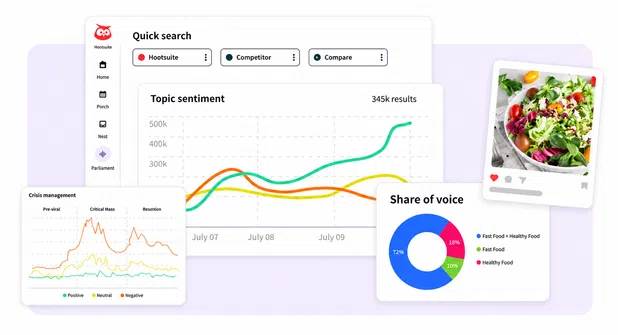
- Social Listening & Sentiment Analysis: Processing millions of digital conversations to extract actionable consumer insights and tone metrics.
- Customer Care: Automating tier-one support inquiries around the clock while augmenting human agent efficiency.
- Campaign Optimization: Continuously analyzing live performance metrics to dynamically adjust ad spend, targeting, and bidding strategies in real time.
Chronology: The Evolution from Novelty to Necessity
The rapid integration of artificial intelligence into daily marketing workflows has accelerated dramatically over the past several years, driven by breakthroughs in predictive analytics and generative language models.
- Phase 1: The Experimentation Era (2022–2023): Marketers primarily used early generative tools as novelty text-generators or standalone image-makers. Adoption was decentralized, often driven by individual contributors experimenting with prompt engineering outside formal corporate workflows.
- Phase 2: The Workflow Integration Era (2024–2025): Brands began developing proprietary, brand-trained models. Rather than relying on public LLMs, enterprise organizations integrated AI directly into Customer Relationship Management (CRM) systems, social media suites, and programmatic advertising dashboards.
- Phase 3: The Autonomous Insights Era (2026 and Beyond): Today, AI acts less like a novelty typewriter and more like an analytical co-pilot. Modern marketing tools synthesize vast seas of unstructured social data, offering natural-language conversational queries that instantly translate digital sentiment into strategic, real-time business action.
Supporting Data: Real-World Case Studies
To understand the tangible ROI of artificial intelligence, one must examine how enterprise brands are executing campaigns in the wild. The following case studies illustrate how strategic deployment yields measurable commercial success.
1. Unilever (AXE and Degree): Scaling Content Without Flattening Voice
Creating a high volume of content without diluting brand equity is a perennial challenge. Unilever confronted this head-on for its deodorant brands, AXE and Degree.
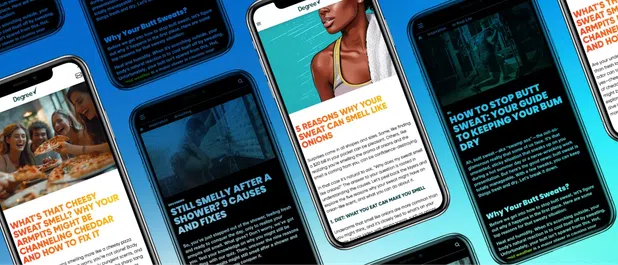
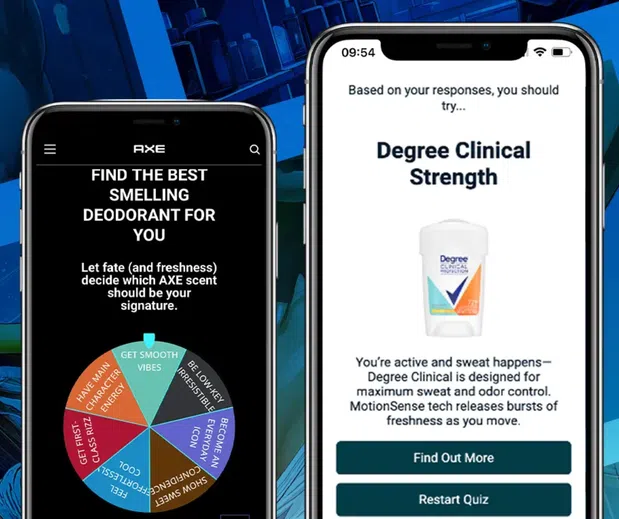
- The Execution: The team developed a proprietary AI tool trained strictly on each brand’s distinct voice. The model generated 162 comprehensive pages of educational content addressing nuanced consumer queries—such as "Why does sweat smell like onions?"—supported by interactive quizzes, infographics, and revamped FAQs.
- The Impact: Degree captured a commanding 37% share of voice in AI Overviews within the U.S. deodorant category, while accelerating overall content production velocity by 3x.
2. Headspace: Dynamic Personalization at Scale
For wellness app Headspace, conceptualizing "holiday stress" meant addressing entirely different triggers for different demographics—from college finals for students to overbooked calendars for professionals.
- The Execution: Headspace utilized AI to rapidly produce hundreds of creative assets across 20 distinct use cases. Leveraging Meta’s Advantage+ algorithms, the system automatically matched each specific creative variation with the audience segment most likely to relate to it.
- The Impact: The team produced 460 unique assets in under two weeks, cutting production time by 67% and driving a 13% increase in app sign-ups.
3. Wembley Stadium: Automating High-Volume Customer Care
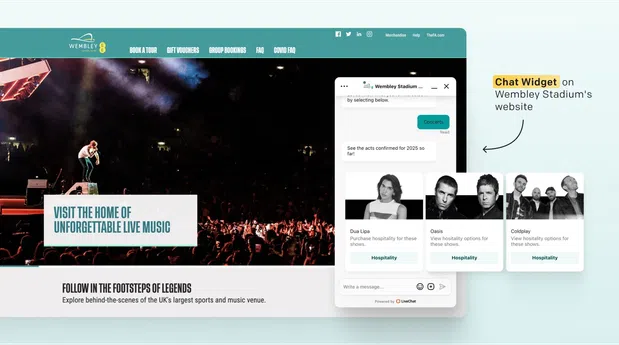
Managing up to 8,000 daily customer inquiries threatened to overwhelm Wembley Stadium’s support staff, particularly during major event windows.
- The Execution: Wembley deployed an event-trained AI chatbot on its website capable of providing instant answers regarding logistics, tickets, and stadium policies. Furthermore, the bot integrated lead-generation workflows, qualifying users interested in premium memberships before routing them to human sales representatives.
- The Impact: The conversational agent successfully handles 12,000 chats per month, dramatically reducing queue times and easing the burden on human support reps.
4. Kraft: Precision Influencer Segmentation
When launching its new plant-based product line, Kraft faced a bifurcated target market: dedicated plant-based consumers and comfort-food traditionalists.
- The Execution: Instead of applying a blunt, unified strategy, Kraft deployed AI-driven audience segmentation to isolate these two distinct groups and identify independent creator profiles tailored to each mindset.
- The Impact: The targeted influencer campaign secured 15 creators across 26 pieces of content, accumulating over 2.4 million views and driving high purchase intent.
5. Reebok: Unlocking Deep Social Listening
Reebok wanted a granular understanding of how consumers and competitors were discussed within the global CrossFit community.

- The Execution: Partnering with agency Novicell, Reebok deployed Talkwalker’s Lumen to track and analyze over 14,000 conversations from nearly 5,000 users across diverse digital channels.
- The Impact: The listening layer surfaced more than 25 actionable business opportunities, helping Reebok sharpen its market positioning and refine its product messaging.
6. Popeyes UK: Real-Time Campaign Optimization
Popeyes UK didn’t struggle with content production; its primary hurdle was optimizing ad delivery and bidding mechanics to maximize conversion efficiency.
- The Execution: The brand implemented AI-driven media buying that continuously monitored ad performance, dynamically adjusting audience targeting and bidding parameters in real time while the campaign was live.
- The Impact: The agile optimization strategy generated 22 million impressions, 45,000 conversions, and a staggering 678% increase in Return on Ad Spend (ROAS).
Official Perspectives and Industry Implications
While the productivity gains are undeniable, industry leaders urge caution regarding the inherent risks of over-automation.
Maria LaMagna Morales, Founder of Press Publish Studio, highlights three primary pitfalls marketers must navigate:
- Losing the "Weirdness": AI models are mathematically trained to produce the most predictable, reasonable next word or idea. However, in social media environments dominated by TikTok and Reels, algorithmic success often relies on pattern interruption—odd props, unexpected hooks, and genuine human idiosyncrasies that AI rarely generates organically.
- Polishing Away Brand Voice: Continually prompting tools to make copy "more concise" or "professional" systematically strips away the conversational nuances, slang, and tangents that make human writing memorable. As Morales notes, striving for authentic humanity often outperforms sterile streamlining.
- The Fatigue of AI Imagery: As hyper-polished synthetic imagery saturates digital ecosystems, audiences are experiencing fatigue. Consumers increasingly crave authentic photography, tactile textures, real employee faces, and raw reflections of daily life.
Bringing AI into Everyday Operations: The Hootsuite Ecosystem
Modern social media management platforms are bridging the gap between raw data and creative execution by embedding artificial intelligence directly into centralized daily workflows.

- Wisdom (Conversational Intelligence): Acting as a social-first AI agent, Wisdom allows marketers to query complex performance datasets using plain language (e.g., "What’s shaping perception of us this week?"). Beyond delivering answers, Wisdom surfaces actionable recommendations to guide upcoming campaigns.
- Perch (Content Creation Hub): Designed as the central workspace for drafting, editing, and publishing, Perch integrates conversational AI to help teams brainstorm captions, tailor copy for multiple networks, and adjust tone without losing their foundational brand voice.
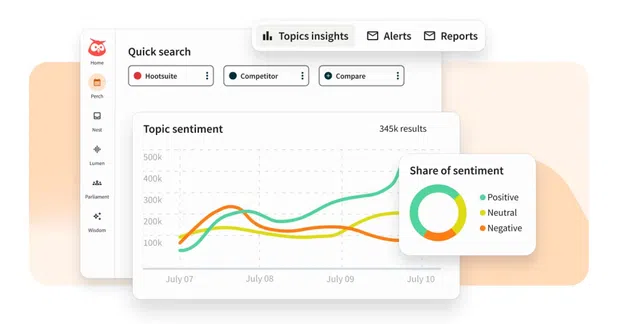
- Lumen (Social Listening & Sentiment Analysis): Serving as an enterprise listening layer, Lumen tracks brand mentions, sentiment shifts, and emerging trends across more than 150 million sources. By pairing Lumen with Wisdom, marketing teams can instantly transition from passive listening to proactive crisis management and strategic content creation.
Frequently Asked Questions (FAQ)
What is AI in marketing?
AI in marketing refers to the use of artificial intelligence—including machine learning, natural language processing, and predictive analytics—to automate and optimize marketing tasks. This spans generative text tools, conversational chatbots, predictive forecasting algorithms, and programmatic ad optimization engines.
Is AI replacing human marketers?
Evidence suggests quite the opposite. AI tools manage repetitive, high-volume operational tasks while human strategists retain control over creative direction, brand governance, and strategic judgment. The most successful teams view AI as an assistant to direct, not an autonomous replacement.
How does AI assist with content creation?
AI eliminates the "blank-page problem." By providing specific text prompts detailing audience parameters, goals, and tone, marketers receive working drafts that they can refine and edit rather than building content entirely from scratch.
Bring artificial intelligence into the marketing work you are already doing. Leverage conversational insights to turn social data into actionable next steps, utilize centralized workspaces to publish on-brand content, and deploy advanced listening layers to catch market shifts before they pass you by.
 Raul Delapena Setiawan
  Evan Lee Salim
  Dwi Wanna