
 By Pevita Pearce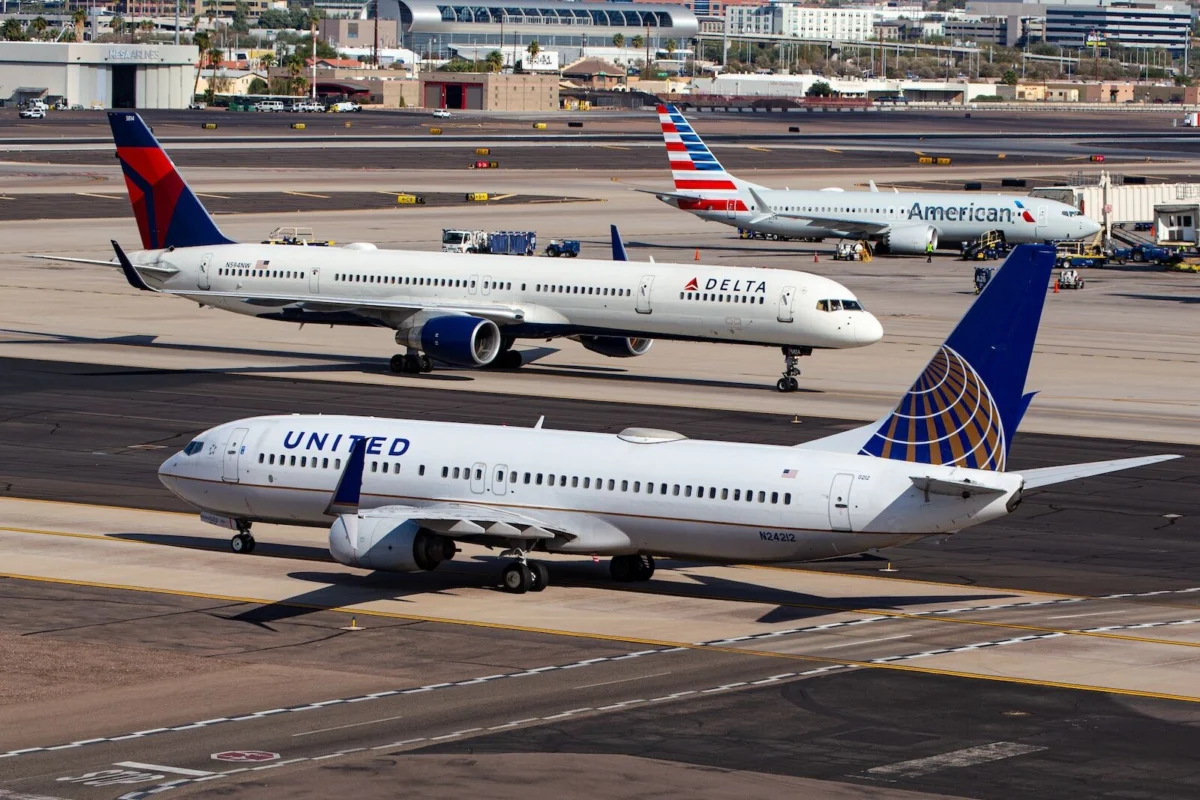
For millions of Americans, the frustration of domestic air travel is a recurring ritual: cramped seats, dwindling amenities, and a repetitive selection of the same four legacy carriers. Yet, when travelers step off a long-haul international flight, they are often struck by the stark contrast in service, comfort, and efficiency provided by foreign airlines. Many wonder why these world-class carriers—renowned for their hospitality and reliability—don’t offer flights between major U.S. cities.
The answer lies not in a lack of demand or technical ability, but in a bedrock aviation policy known as “cabotage.” This legal framework, which restricts foreign airlines from carrying passengers or cargo between two points within the United States, acts as a protective shield for the domestic aviation industry. While it serves as a cornerstone of U.S. national security and economic protectionism, it has become the focal point of a fierce debate regarding the quality, cost, and competitive landscape of modern American air travel.
Understanding Cabotage: A Legacy of Protectionism
The term "cabotage" is derived from the French word caboter, meaning "to sail along the coast." Historically, it referred to protectionist maritime laws in the 16th century that restricted coastal trade to domestic vessels. Over centuries, the concept migrated from the high seas to the skies.
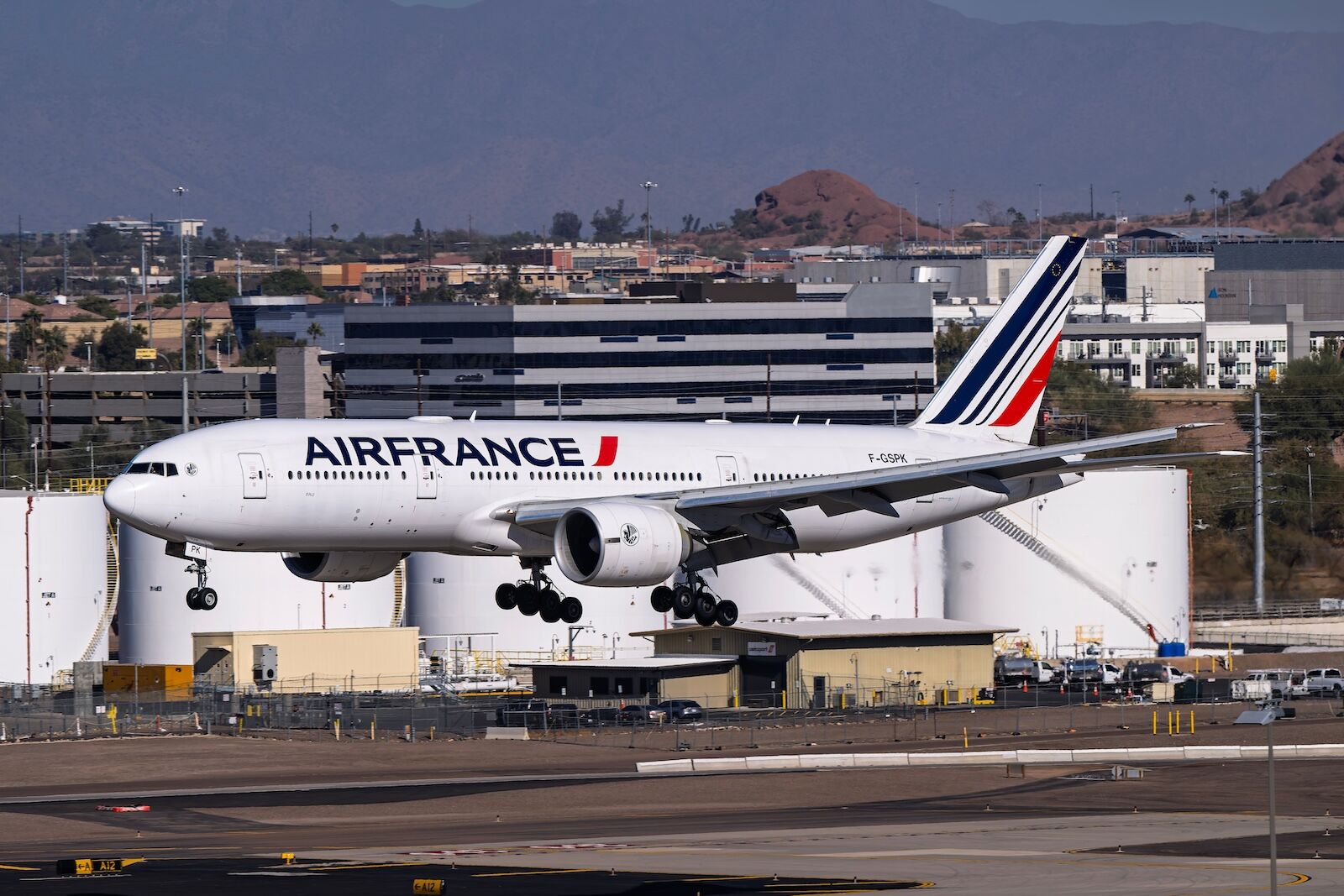
In the aviation context, cabotage laws prohibit a foreign carrier from picking up a passenger in one U.S. city and dropping them off in another. For instance, while an Emirates flight can transport a passenger from Dubai to New York, that same plane cannot legally sell a ticket for the onward leg to Los Angeles. This effectively creates a closed loop for domestic routes, leaving the U.S. market as the exclusive playground of domestic airlines.
A Chronology of Control
The legal architecture supporting this exclusion is nearly a century old:
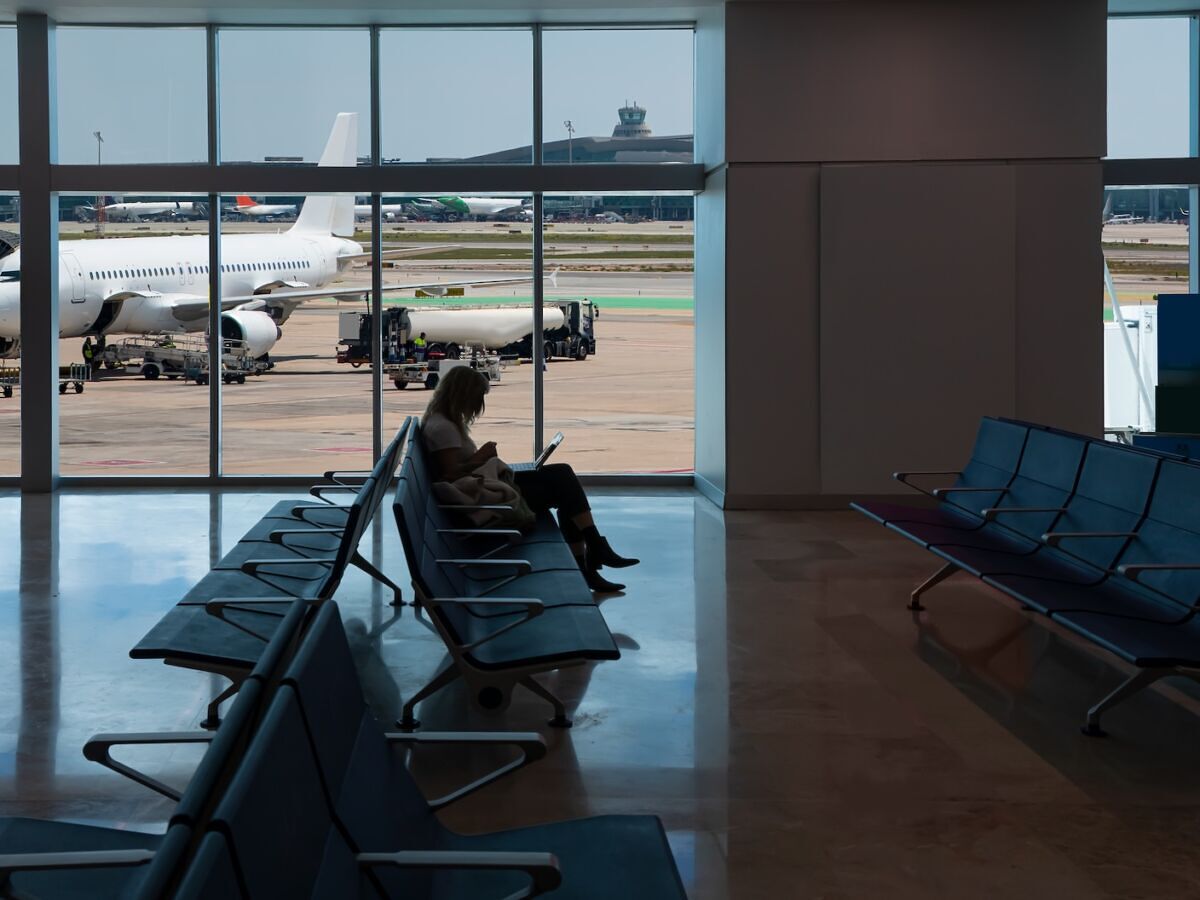
- 1926: The Air Commerce Act. The first major piece of U.S. federal aviation legislation established the foundational rule: "no foreign aircraft shall engage in interstate or intrastate air commerce." This was a blunt instrument designed to foster a nascent domestic industry.
- 1944: The Chicago Convention. In the aftermath of World War II, international representatives convened to establish global standards for civil aviation. While the resulting "Convention on International Civil Aviation" did not explicitly mandate bans, it granted member nations the sovereign right to restrict foreign carriers from domestic routes. The United States seized this opportunity.
- 1958: The Federal Aviation Act. Codifying the protectionist spirit of the era, this act cemented the restrictions that remain on the books today.
- The Modern Era: Today, cabotage remains a standard, though increasingly debated, feature of international aviation. While countries like Canada, Australia, India, and China maintain similar restrictions, the European Union operates as a single bloc, allowing for internal competition that is fundamentally different from the U.S. model.
The Economic and Strategic Rationale
Supporters of cabotage, including powerful airline industry lobbyists and labor unions, argue that these laws are essential for national sovereignty and economic stability.
National Security and the CRAF Program
The aviation industry is viewed by the Department of Defense (DOD) as a strategic asset. Under the Civil Reserve Air Fleet (CRAF) program, U.S. airlines are contractually obligated to make aircraft available for military transport during national emergencies. In exchange for this commitment, these carriers receive preferential treatment for lucrative government contracts. Proponents argue that allowing foreign competitors to erode the market share of these domestic carriers could weaken the very companies the DOD relies upon during times of crisis.
Labor and Economic Protection
The U.S. airline industry is a massive employer, supporting over 555,000 jobs as of mid-2026. Unions argue that domestic airlines are subject to strict U.S. labor laws, safety regulations, and tax structures. If foreign carriers were permitted to operate domestic routes, they could potentially utilize labor forces from jurisdictions with lower wage requirements, different regulatory environments, and state-subsidized operational costs. This, labor advocates claim, would lead to a "race to the bottom" that would ultimately displace American workers.
The Case Against: A Shielded, Stagnant Market
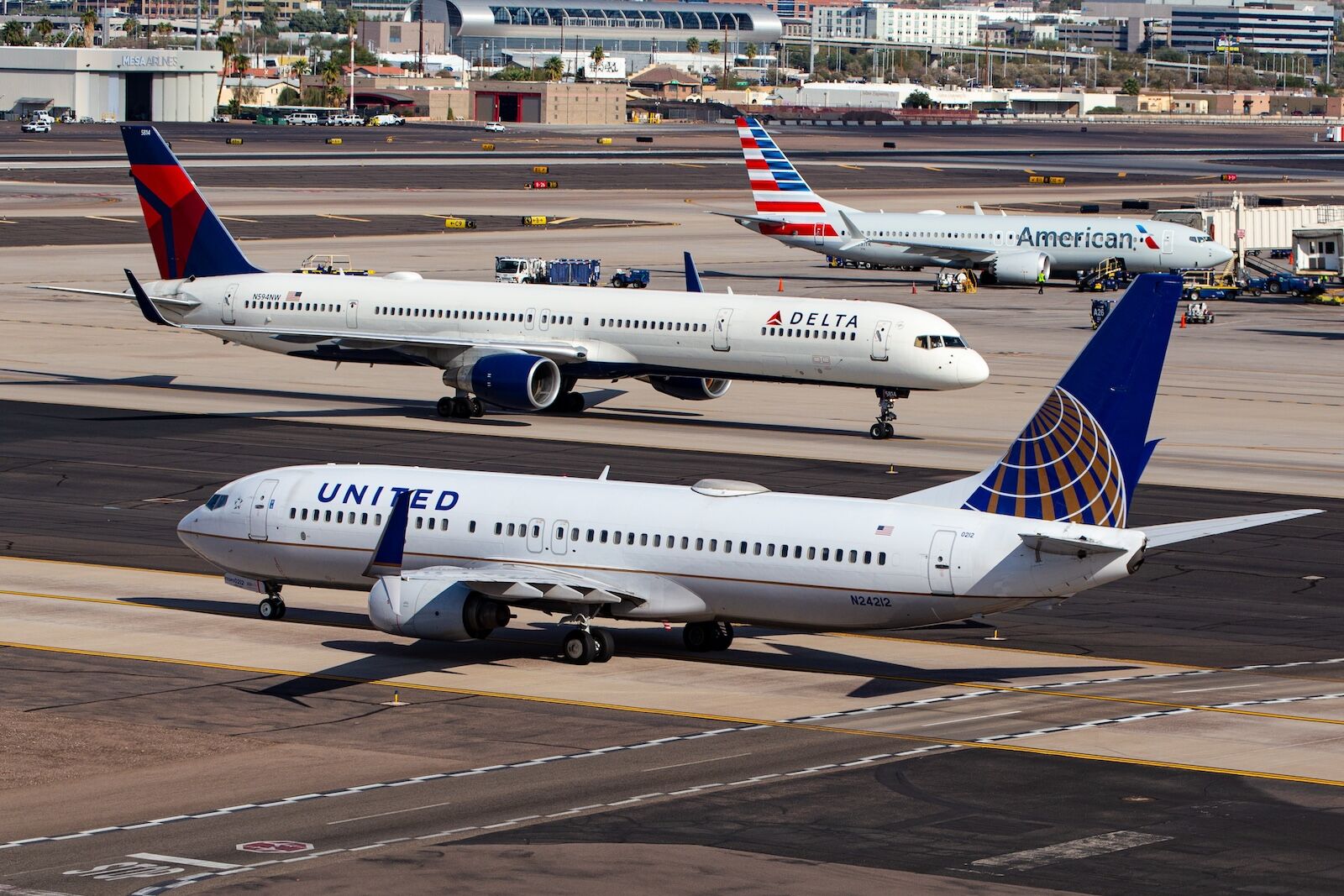
Critics of cabotage, ranging from consumer advocacy groups to free-market economists, argue that the policy has created a captive audience. By insulating the "Big Four"—United, Delta, American, and Southwest—from international competition, the U.S. has fostered a market environment that prioritizes legacy dominance over consumer satisfaction.
The Cost of Consolidation
The current state of the U.S. market is the result of decades of aggressive consolidation. Between 2008 and 2013, a series of high-profile mergers—many of which were heavily scrutinized—resulted in the current "Big Four" controlling over 75 percent of domestic passenger traffic. A 2026 report from the Government Accountability Office (GAO) concluded that this concentration has led to a consistent pattern of higher fares and reduced service quality.
Data from the report paints a grim picture: when competition vanishes from a route, service quality inevitably dips. The study found that on routes where the number of competitors dropped from three to two, flight delays increased by 25 percent and cancellation rates climbed by seven percent.
The Global Performance Gap
Perhaps the most damning evidence against the status quo is the global perception of U.S. carriers. In the 2025 Skytrax World Airline Awards—a benchmark of global passenger sentiment—not a single U.S. carrier appeared in the top 20. The list was dominated by international giants like Qatar Airways, Singapore Airlines, and Emirates.
The disparity in airport connectivity is equally telling. While major international hubs like Istanbul, Hong Kong, and Dubai serve over 100 airlines each, even the busiest U.S. hubs fall short. Hartsfield-Jackson Atlanta International, despite its status as the world’s busiest airport, hosts a fraction of the carrier diversity seen at its international counterparts. Critics argue that this lack of competition contributes to the "monopoly-like" atmosphere of U.S. airports, where consumers have little recourse when service standards fail to meet expectations.
Implications for the Future of Flight
If the U.S. were to relax its cabotage laws, what would happen? It is unlikely that international carriers would immediately flood every small regional route, but they would certainly target high-traffic corridors like New York-to-Los Angeles or Chicago-to-Miami.
Economists like Daniel Greenfield of the FTC have long argued that the threat of competition is often enough to drive innovation and quality improvements. Even if foreign carriers never flew a single domestic route, the potential for them to do so could force legacy U.S. airlines to upgrade their fleets, improve on-time performance, and lower costs to maintain their market share.
However, the political hurdles to changing these laws are immense. The lobbying power of the major airlines is significant, and the argument that "national security" is at risk provides a convenient barrier to entry for any potential disruptor.
Conclusion
Cabotage is an invisible force. Most passengers will never see the word in their booking confirmation or hear it mentioned by a flight attendant. Yet, it dictates the parameters of every flight taken within the United States. While it provides a degree of stability for domestic carriers and satisfies certain national defense requirements, it also preserves a market that has struggled to innovate or compete on a global scale. As the world becomes increasingly connected, the debate over whether the U.S. should continue to prioritize domestic protectionism or embrace the benefits of open, global competition will likely intensify, leaving the American traveler to wait and see if the skies will ever truly open up.
 Laily UPN
  Basiran