
 By Suro Senen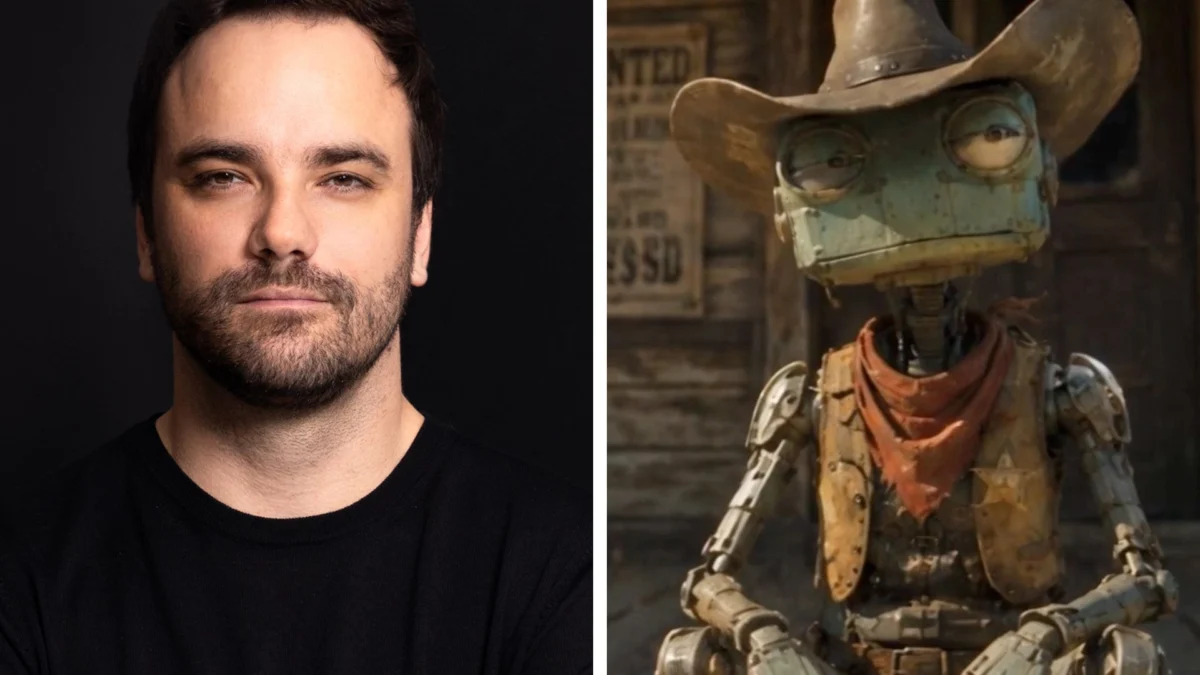
The history of filmmaking is a cycle of disruption, monopoly, and rebellion. From the early days of Thomas Edison’s patent wars to the modern dominance of multi-hundred-million-dollar streaming blockbusters, the power to tell stories has always been guarded by those who control the tools of production and distribution. Today, a new chapter in this narrative is being written—not in the boardroom of a legacy studio, but through the lens of generative artificial intelligence.
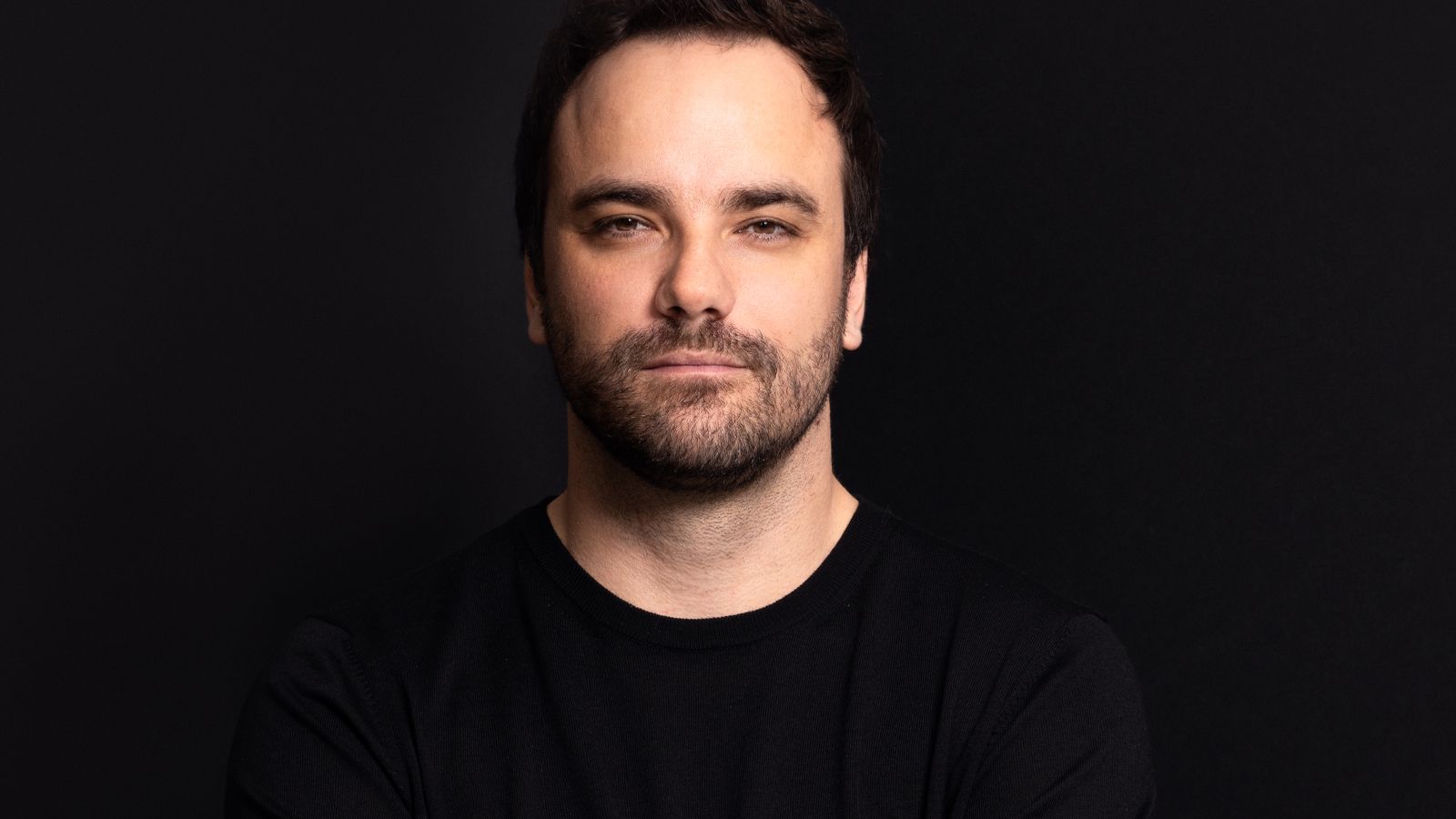
At the center of this transformation is Nikola Todorovic, co-founder of Flow Studio. Partnered with industry giant Autodesk, Todorovic is championing a suite of AI-driven tools, such as the 3D Editor + Canvas and MotionMaker in Maya, which he argues are more than just software—they are instruments of liberation for the next generation of storytellers.
From Conflict to Canvas: The Origin of a Visionary
To understand Todorovic’s fervor for AI, one must look to his roots. Growing up in Bosnia and Herzegovina during a period of intense geopolitical conflict, Todorovic did not view cinema as a glamorous industry of red carpets and prestige. Instead, storytelling was a survival mechanism—a form of psychological sanctuary.
"Storytelling was an escape, but also something closer to therapy," he reflects. "It was a way of making sense of things I didn’t yet have words for."
This formative experience instilled in him a deep-seated distrust of the traditional Hollywood hierarchy. At 20, when he finally gained access to a producer, he treated the encounter like a mining operation, desperate to extract any knowledge that could bridge the gap between his ambition and the impenetrable walls of the film industry. He quickly realized that the path to success was gated by geographic location, extreme capital requirements, and the necessity of "begging for permission." To Todorovic, the concentration of storytelling power is a dangerous precursor to cultural uniformity, if not outright propaganda.
The Broken Economics of Modern Cinema
Todorovic’s critique of the current film landscape is rooted in cold, hard economic data. He points to the staggering disparity between the cost of essential infrastructure and the bloated budgets of modern cinema.
"A hospital costs roughly $20 million to build," he notes. "Meanwhile, a film can cost ten times that and still flop in a weekend. It’s absolutely insane."
He contrasts the production of Steven Spielberg’s E.T., which cost approximately $4 million in its day, with the modern reality of streaming features that routinely command $300 million budgets. This financial inflation has created a high-stakes environment where risk aversion is the primary directive of every studio executive, effectively stifling original, high-risk, high-reward storytelling.
By leveraging AI, Todorovic believes the industry can slash production costs by 95% to 99%. This is not merely about making "cheaper" movies; it is about democratizing the ability to produce high-fidelity, 3D-animated, and visual-effects-heavy content that was previously the sole province of major studios.
A Historical Parallel: Fleeing the Edison Monopoly
Todorovic draws a compelling parallel between the current AI surge and the birth of Hollywood. At the dawn of the 20th century, Thomas Edison held a stranglehold on the motion picture industry. His company owned the patents for the cameras used to film and the "Nickelodeon" theaters where movies were shown. Filmmakers were essentially forced to pay a "tax" to Edison to exist.
"They moved to California because they were like, ‘okay, I can shoot on a beach, I can shoot in the US’," Todorovic explains. "But most importantly, it took forever to come by train across the country. By the time the lawyers came to shut down the production, they were already done."
Those early pioneers, fleeing a restrictive monopoly, eventually built the very empire that now dictates modern media. The distribution monopoly was shattered by the advent of streaming; now, Todorovic posits that AI is poised to dismantle the production monopoly, effectively allowing a new class of "indie" creators to bypass the traditional studio system entirely.
The Human Cost: A Former VFX Artist’s Perspective
Despite his enthusiasm for technological advancement, Todorovic remains acutely aware of the human toll. His own background as a VFX artist and compositor provides a sobering perspective on the "grunt work" often hidden behind the glamour of the silver screen.
He expresses deep frustration with the trend of studios boasting about their "minimal use of CGI" as a marketing tactic. "That’s not a badge of authenticity," he argues. "It’s several hundred people’s work being erased for a marketing line."
These artists, who often bear the brunt of production failures while receiving none of the acclaim for successes, have faced a brutal decade—surviving the COVID-19 pandemic, industry-wide strikes, and now the existential anxiety of AI. Todorovic validates their anger, noting that while the technology itself is neutral, the systemic exploitation of VFX labor is a historical reality that has left the workforce vulnerable.
The Challenge of Discovery in an Age of Abundance
While the production barrier is crumbling, a new, equally daunting challenge emerges: discoverability. If the cost of production drops to near zero, the market will be flooded with content.
"We’re going to cut production costs, but there’s going to be so much content that it’s going to be all about discovery," Todorovic admits. He draws a direct comparison to the music industry. Today, anyone can record and release an album from their bedroom, yet the vast majority of those artists remain unheard. The "gatekeepers" have simply moved from the recording studio to the platform algorithm.
In this future, Todorovic believes large studios will continue to dominate not through production budgets, but through marketing budgets. The bottleneck hasn’t been eliminated; it has simply shifted further downstream.
The Inevitability of Technological Evolution
Despite the concerns surrounding labor and market saturation, Todorovic remains a staunch realist regarding the trajectory of AI. He cites the history of technological resistance:
- Sound: Initially fought as the "death" of real, artistic silent cinema.
- Computer Animation: Dismissed by studio heads who couldn’t see the value in changing established, profitable workflows.
- Digital Cameras: The rise of indie films shot on smartphones, like Tangerine, was met with skepticism until the quality of the storytelling transcended the hardware used to capture it.
Todorovic’s philosophy is simple: history rarely favors those who fight the tide of technological progress. Instead, he advocates for an industry that adopts these tools to empower artists to experiment rather than simply making them work twice as fast.
Implications for the Future
The implications of this shift are profound. If the tools for high-end 3D animation become accessible to the individual creator, the traditional "studio" model may be forced to pivot from being the sole provider of high-quality content to becoming a curator and distributor of the best indie voices.
When asked when this volatile, AI-driven era will settle into a new, stable monopoly, Todorovic remains refreshingly candid. "We just don’t know when that is yet," he says.
For now, the focus remains on the "Flow Studio" ethos: providing the technical scaffolding that allows the next generation of filmmakers to bypass the gatekeepers and bring their stories to life. Whether this will lead to a more equitable landscape or simply a different, more crowded version of the current status quo remains to be seen. However, one thing is certain: the monopoly on imagination is finally coming to an end, and the tools of the future are currently in the hands of the storytellers themselves.
 Laily UPN
  Lina Irawan
  Azzam Bilal Chamdy