
 By Evan Lee Salim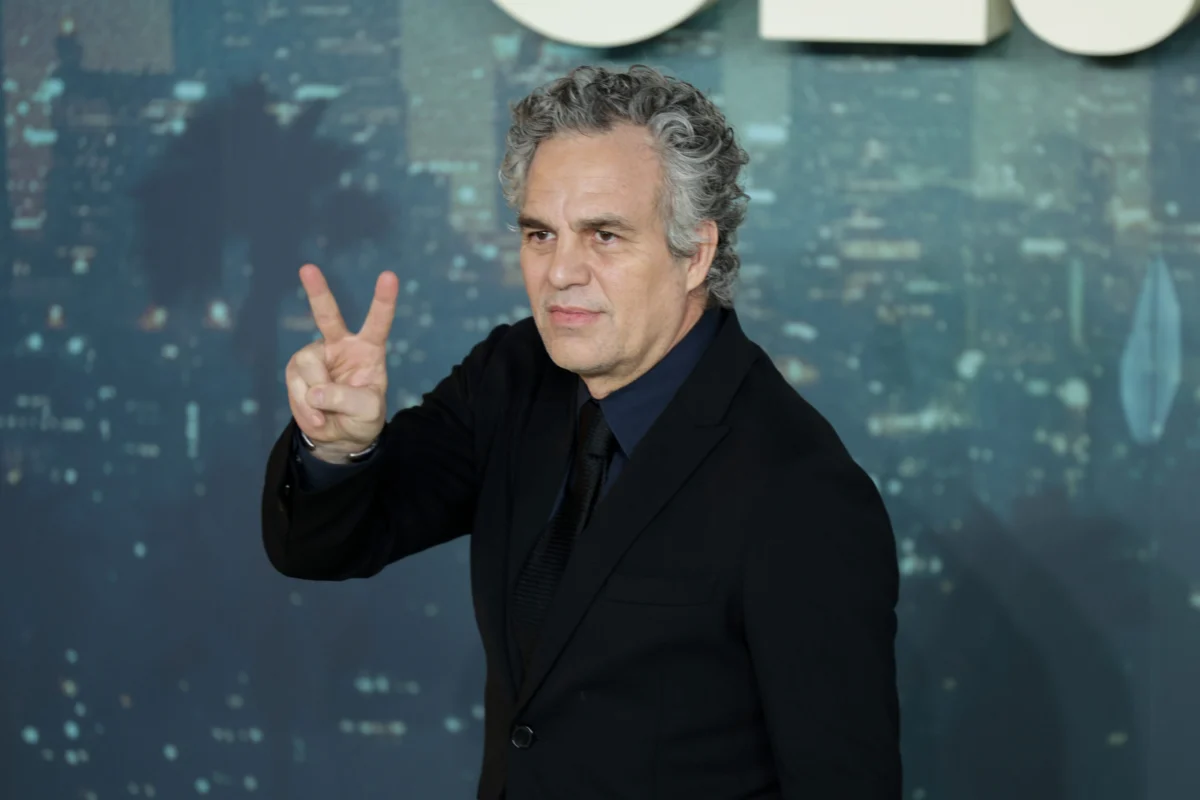
The landscape of American media is currently caught in the crosshairs of a high-stakes antitrust battle that has united unlikely allies—from A-list Hollywood talent to progressive firebrands in the U.S. Senate. At the center of the storm is the proposed $111 billion acquisition of Warner Bros. Discovery by Paramount Skydance, a deal that, if finalized, would cement a level of media consolidation not seen in decades. As California Attorney General Rob Bonta and a coalition of 11 state attorneys general navigate the final hurdles of their antitrust lawsuit, the pressure to maintain their opposition has reached a fever pitch, fueled by public outcry and intense political scrutiny.
The Stand Against Consolidation: Mark Ruffalo’s Call to Action
Leading the charge in the public sphere is Academy Award-nominated actor and outspoken activist Mark Ruffalo. In a direct and blistering appeal to California Attorney General Rob Bonta, Ruffalo has urged the coalition of state AGs to reject any potential settlement with Paramount Skydance.
"Don’t you dare, [Rob Bonta], do not cave," Ruffalo wrote in a post on X (formerly Twitter). "5,670 filmmakers put their necks on the line for you to fight this merger. Another 75,000+ and counting have signed to tell you not to concede in just three weeks. You work for the people—the very people who will be hurt if you let this lousy deal filled with empty promises go forward."
Ruffalo’s intervention is not merely symbolic; it represents a growing sentiment among creative professionals who fear that David Ellison’s takeover of Warner Bros. Discovery will lead to further homogenization of content, reduced competition in the creative marketplace, and the erosion of journalistic independence. His vocal opposition has made him a lightning rod in the debate, even leading to heated exchanges with the studio, which has previously accused the actor of antisemitism in relation to his public critiques of the Ellisons’ business and political ties.
Chronology of the Merger and the Legal Impasse
To understand the current volatility, one must look back at the trajectory of this massive consolidation effort. The $111 billion proposal, which would bring together the vast libraries and distribution networks of Paramount and Warner Bros. Discovery, was initially viewed as a transformative move for the industry.
- June 2026: The U.S. Department of Justice (DOJ) granted approval for the merger, signaling a green light from the federal level despite widespread concerns regarding antitrust implications.
- Summer 2026: Following federal approval, California AG Rob Bonta, leading a multi-state coalition, filed an antitrust lawsuit to block the merger, arguing that the deal would create a media monopoly that stifles local competition and harms consumers.
- Late 2026: The legal proceedings brought the merger to a screeching halt, leaving the industry in a state of suspended animation while the parties engaged in discovery and pre-trial motions.
- The Current Moment: Reports from The Wall Street Journal citing anonymous sources indicate that Paramount Skydance and the office of the California Attorney General are in "advanced talks" to reach a settlement that would allow the deal to proceed under specific conditions. It is this potential pivot toward a settlement that has galvanized Ruffalo, Sen. Elizabeth Warren, and tens of thousands of industry workers.
The Political Stakes: Elizabeth Warren’s Warning
The opposition to the merger has transcended the entertainment industry, finding a powerful voice in the halls of Congress. Democratic Senator Elizabeth Warren has emerged as one of the most prominent political figures sounding the alarm on the implications of this merger.
In a statement released on social media, Warren directly linked the potential consolidation of media power to the current political climate, specifically referencing the actions of the Trump administration. "As Trump tries to ban CNN from the White House, it would be a massive mistake to cave on the Paramount merger," Warren wrote. "The last thing we need is another Trump-controlled media conglomerate abusing its power to stomp out competition. This is a dangerous merger."
Warren’s argument centers on the principle of media pluralism. By allowing the creation of a massive, monolithic entity, the government risks losing the essential competition that keeps news outlets accountable. If a singular conglomerate controls multiple major media assets, the risk of "information capture"—where the corporate interests of the parent company override the public’s right to a diverse range of viewpoints—becomes significantly higher.
Supporting Data: Why the Resistance is Growing
The resistance to the Paramount-Skydance deal is rooted in hard data and industry projections. The primary concerns, as outlined by labor unions, independent filmmakers, and antitrust experts, include:
- Market Concentration: The merger would place an unprecedented amount of content production and distribution under the control of a single board of directors. Critics argue this eliminates the bargaining power of independent creators and smaller production houses.
- Labor Impact: With consolidation often comes the "synergy" cost-cutting measure. Industry analysts predict significant layoffs across administrative, production, and distribution departments as the merged entity looks to eliminate redundant roles.
- Consumer Choice: For the average viewer, the merger could lead to fewer, more expensive streaming services and a decline in the diversity of programming as the new company prioritizes high-margin, "safe" content over experimental or niche projects.
The sheer scale of the petition mentioned by Ruffalo—which has garnered over 75,000 signatures in just three weeks—demonstrates that the opposition is not limited to high-profile elites, but is representative of a deep anxiety within the creative labor force. These 75,000+ signatories include editors, camera operators, writers, and support staff who fear for their livelihoods in a market dominated by a singular titan.
Official Responses and the Corporate Narrative
For its part, the camp supporting the merger—led by David Ellison and the executive team at Paramount Skydance—maintains that the deal is essential for the survival of legacy media in an age dominated by tech giants like Amazon, Apple, and Google.
In internal memos and public statements, representatives for the entities involved have argued that the combined resources of Paramount and Warner Bros. Discovery will allow for necessary investment in high-end technology, global distribution, and content development. They contend that the "antisemitism" charge leveled against critics like Ruffalo is a necessary defense against what they perceive as targeted, bad-faith attacks that obfuscate the economic realities of the deal.
Furthermore, proponents of the deal suggest that the "advanced talks" with the California Attorney General are a sign of progress, indicating that the concerns raised by the state are being addressed through binding regulatory commitments, such as divestitures or specific labor protections.
Implications for the Future of Media
The resolution of this case will likely set a precedent for decades to come. If the coalition of state AGs ultimately agrees to a settlement, it will likely be viewed as a signal that the current antitrust regime is willing to accommodate "megadeals" provided that specific, often minor, concessions are made.
Conversely, if Bonta holds the line and refuses to settle, the case could head to a landmark trial that forces the courts to reconsider the definition of "monopoly power" in the digital age. This would be a significant victory for those who advocate for a more decentralized and competitive media environment.
As the industry waits for a definitive word from the California Attorney General’s office, the tension remains palpable. For creators like Ruffalo, the battle is personal and existential; for politicians like Warren, it is a matter of safeguarding democracy; and for the executives at Paramount and Skydance, it is the final step in a multi-billion dollar bet on the future of global entertainment.
The coming weeks will reveal whether the pressure from the streets and the Senate floor is enough to derail a deal that once seemed inevitable. Until then, the question of who owns the stories we consume—and the power they wield in doing so—remains the defining question of the modern media era.
 Laily UPN
  Basiran
  Lina Hope