
 By Jia Lissa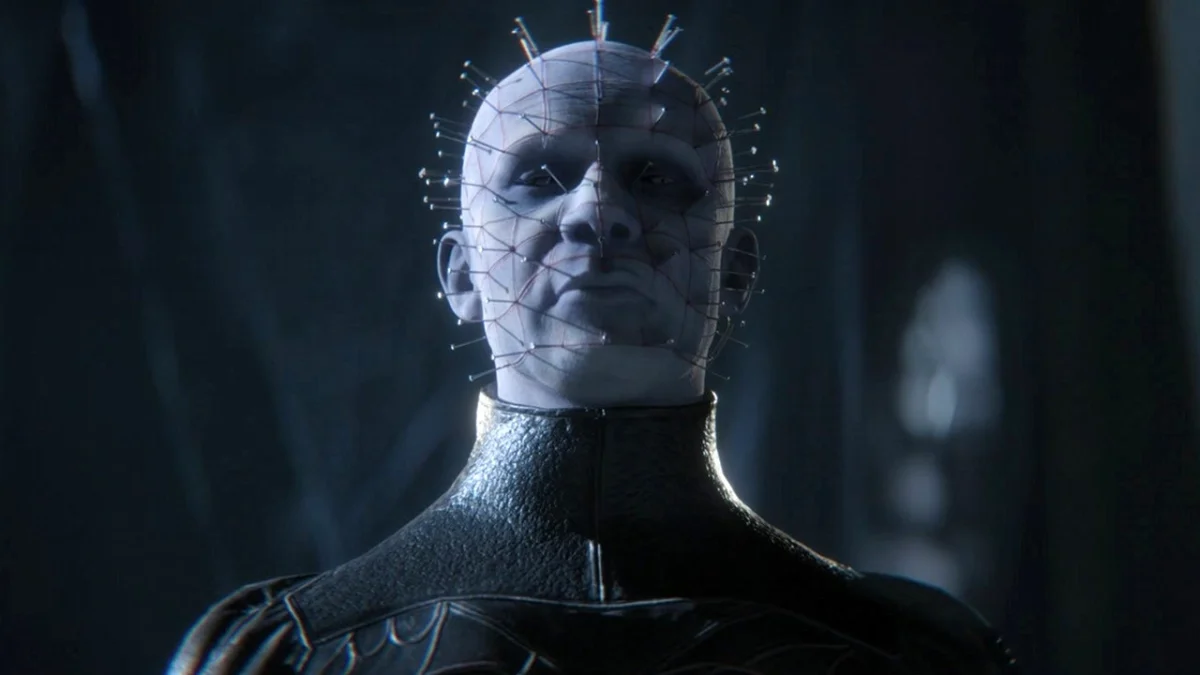
As the horror gaming landscape prepares for a seismic shift, Saber Interactive has pulled back the curtain on one of the most anticipated titles in the genre’s history. Clive Barker’s Hellraiser: Revival, a project shrouded in mystery and dark anticipation since its announcement a year ago, has finally entered its public testing phase. With a playable demo now available on Steam, fans of the iconic franchise are getting their first visceral taste of the suffering that awaits when the full game launches on October 8, 2026.
Accompanied by the unsettling "Scarlet Church" trailer, the promotional push for Revival makes one thing abundantly clear: this is not a sanitized adaptation. It is a grotesque, high-fidelity plunge into the aesthetic of pain and pleasure that defined Barker’s original 1987 masterpiece.
The Main Facts: A New Chapter in Sin
Clive Barker’s Hellraiser: Revival represents a bold attempt to translate the surreal, gothic dread of the Hellraiser universe into an immersive interactive experience. The game is slated for release on current and next-generation platforms, including PC, PlayStation 5, Xbox Series X/S, and the upcoming Nintendo Switch 2.
The core narrative revolves around the "Genesis Configuration"—the legendary puzzle box that serves as the gateway between our world and the realm of the Cenobites. In the game, a sinister cult known as the "Scarlet Church" has seized this artifact. Their goal, according to the developers, is to cultivate a "debauched paradise for mankind" within the Labyrinth, the shifting, extradimensional maze that serves as the Cenobites’ hunting ground.
The newly released demo provides a focused, if truncated, introduction to the game’s core loops:
- Combat: A visceral, weight-heavy system that emphasizes survival over traditional power fantasies.
- Crafting: Players must scavenge for materials within the Labyrinth to modify their gear, suggesting a layer of resource management that mirrors the desperation of the films.
- Puzzle-Solving: Central to the lore, the manipulation of the puzzle box is not merely a narrative device but a mechanical requirement for unlocking pathways and progressing through the Labyrinth’s treacherous geometry.
While progress from the demo will not carry over to the final release, the vertical slice serves as a masterclass in atmosphere, demonstrating the game’s commitment to the franchise’s signature blend of gore, latex, and existential dread.
Chronology of Development: From Concept to Manifestation
The journey to Revival has been a meticulous process of iterative design. When the title was first announced twelve months ago, the gaming community was skeptical. Adapting the Hellraiser license—a series known for its tactile, practical effects and specific brand of transgressive horror—has historically been a difficult task for digital media.
The Roadmap of Terror
- August 2025: Initial announcement. The project is confirmed to be in development at Saber Interactive, promising a "faithful reimagining" of the Hellraiser mythos.
- Late 2025 – Early 2026: A series of developer diaries were released, focusing on the narrative depth and the unique powers of the Cenobites. These videos provided early glimpses into the environmental design, emphasizing the "shifting Labyrinth" as a dynamic, living antagonist.
- June 2026: The official release date of October 8, 2026, was confirmed, alongside a trailer that solidified the game’s tone.
- Current Status: With the demo release, the project has moved from the conceptual stage to the final polishing phase, allowing the developers to gather telemetry and player feedback on balance and technical performance.
Supporting Data: Platforms, Pre-Orders, and Editions
Saber Interactive has structured the release to cater to both casual fans and dedicated collectors of the franchise. The game is currently available for pre-order, with a tiered structure designed to incentivize early adoption.
The Pricing and Incentive Structure
The standard edition is priced at £35, while the Deluxe Edition, retailing at £45, offers additional digital incentives. These include exclusive cosmetic skins for the "Labyrinth Pistol" and the "Martyr Sawblade," adding a layer of personalization to the gameplay.
Beyond the digital offerings, Saber has announced two separate "Collector’s Editions." These physical packages are aimed at the hardcore fanbase, featuring:
- Physical Collectibles: High-quality replicas of franchise artifacts.
- All-Inclusive Perks: These editions bundle all the bonuses from the Deluxe version, ensuring that those who invest in the physical legacy of the series are not penalized in terms of in-game content.
The choice to bring this title to the Nintendo Switch 2 is particularly noteworthy, suggesting that the game’s engine is highly scalable and that the developers are targeting a broad market reach despite the mature, M-rated nature of the content.
Official Responses and Creative Vision
The developer diaries released throughout the development cycle have been instrumental in managing expectations. The creative leads have consistently emphasized that they are working in close consultation with the spirit of Clive Barker’s original vision.
In a recent communication, the development team noted that the "Scarlet Church" trailer was designed to reflect the moral complexity of the cultists. "They don’t view themselves as monsters," the developers explained. "They view themselves as architects of a new order." This philosophical grounding is intended to elevate the game above a standard "slasher" experience, aiming instead for a psychological horror experience that mirrors the discomfort of the source material.
The inclusion of extreme gore, sexualized body horror, and themes of torture has necessitated a strong "viewer discretion" warning, which the developers have leaned into as a marketing badge of honor. It signals that Revival is committed to the "uncensored" nature of the Hellraiser brand, refusing to water down the source material to appease broader market sensitivities.

Implications: A Litmus Test for Licensed Horror
The success or failure of Clive Barker’s Hellraiser: Revival carries significant implications for the horror genre in gaming. For years, the market has been dominated by asymmetrical multiplayer horror games. Revival is a deliberate pivot back to single-player, narrative-driven experiences.
The Industry Shift
- The Return of Single-Player Horror: By focusing on a linear, story-heavy campaign, Revival tests whether modern audiences still crave a traditional, authored experience over the infinite replayability of multiplayer titles.
- The "Prestige" License: If Revival succeeds, it may open the floodgates for other long-dormant horror franchises to receive high-budget, "prestige" adaptations. Publishers have often been wary of the "Hellraiser" brand due to its extreme content; a commercial success here would prove that mature, transgressive horror has a viable seat at the table.
- Technical Benchmarks: As one of the early titles supporting the hardware capabilities of the Nintendo Switch 2, the game serves as a technical benchmark. The ability to render the shifting, claustrophobic environments of the Labyrinth on portable hardware will be a major talking point for the industry.
The Challenge of Adaptation
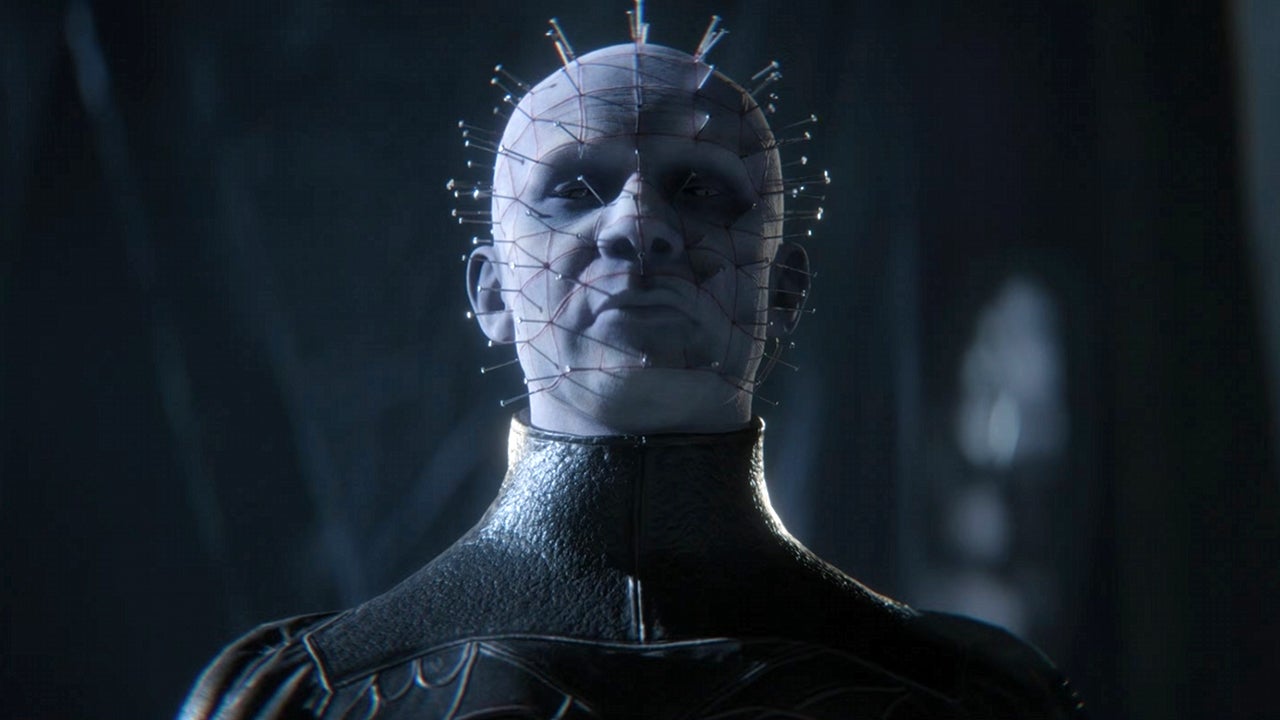
The fundamental challenge for the developers remains the translation of the Cenobite aesthetic. Pinhead and his brethren are iconic not just for their appearance, but for their stillness and their detached, philosophical cruelty. Creating an AI that can replicate this behavior—rather than simply becoming a standard "stalker" enemy—will be the deciding factor in the game’s critical reception.
The demo has already provided a glimpse of this challenge, with players reporting that the Scarlet Church cultists exhibit a level of tactical coordination that makes exploration feel genuinely threatening. If this translates to the full game, Revival could well become the gold standard for licensed horror games.
Final Thoughts: The Gate Opens in October
As October 8, 2026, approaches, the gaming community finds itself at the precipice of a new era for Hellraiser. The combination of a strong, narrative-first structure, a commitment to the franchise’s dark aesthetic, and a robust platform release strategy positions Revival as the most significant horror release in recent memory.
Whether the "Scarlet Church" will indeed build their paradise, or if players will find only eternal suffering within the Labyrinth, remains to be seen. But one thing is certain: for fans of Clive Barker’s work, the wait is almost over. The box is in our hands, and it is time to see if we have the courage to solve it.
 rifanmuazin
  Ali Ikhwan