
 By Raul Delapena Setiawan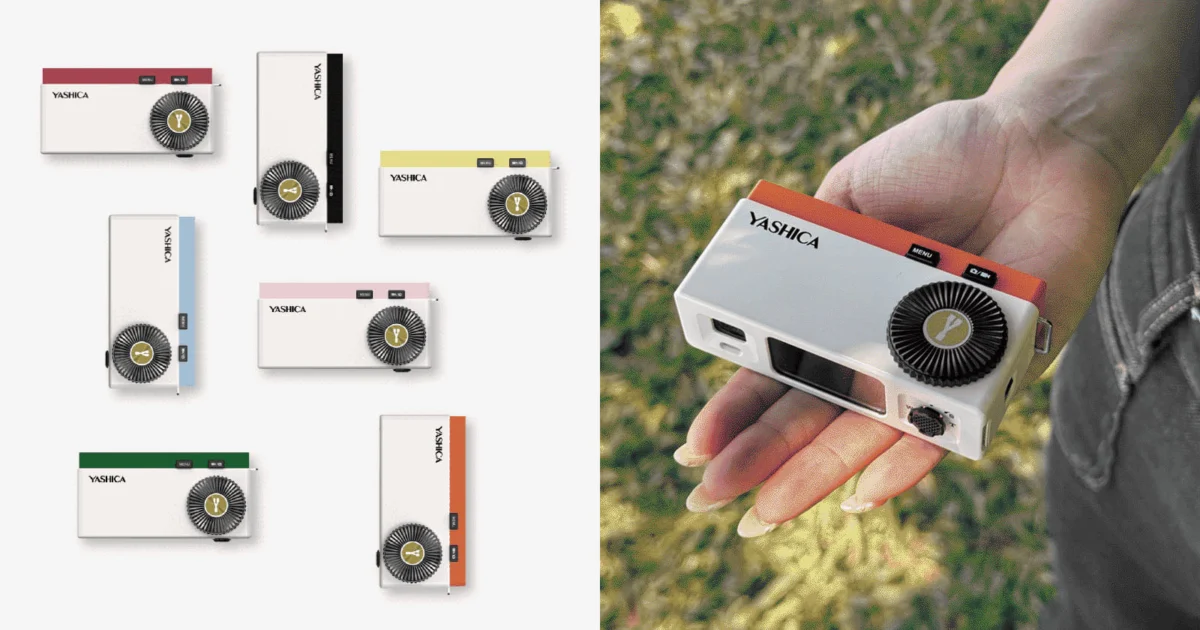
By Tech & Photography Desk
The modern reincarnation of the historic Yashica brand is once again rummaging through its storied history books. Following a string of nostalgia-fueled digital camera releases over the last few years, the company has announced its latest creation: the Yashica Y16. Directly inspired by and named after a classic 1959 film camera, the Y16 marries a profoundly unconventional, ultra-flat form factor with modern digital internals.
While the device currently exists only as a development announcement accompanied by teaser photographs and a preliminary specification sheet, it has already captured the imagination of street photographers, retro enthusiasts, and design nerds alike. Scheduled for preorders this October, the Y16 promises to deliver a distinctive shooting experience centered heavily on aesthetic charm, quirky ergonomics, and mid-century modern design cues.
Main Facts: What We Know About the Yashica Y16
At its core, the Yashica Y16 is a compact digital camera designed for everyday carry, casual snapshots, and short-form video capture. Unlike mainstream pocket cameras that prioritize clinical sharpness and large sensors, the Y16 leans heavily into experiential photography.
Key known specifications and features include:
- Image Sensor: A 12-megapixel digital sensor paired with a compact, smartphone-class fixed lens.
- Media Capabilities: Capable of capturing both still photographs and video.
- Flash System: Features a traditional, old-school xenon flash tube—a notable upgrade from the harsh LED fill lights found on cheaper retro alternatives like the Yashica Tank released earlier this year.
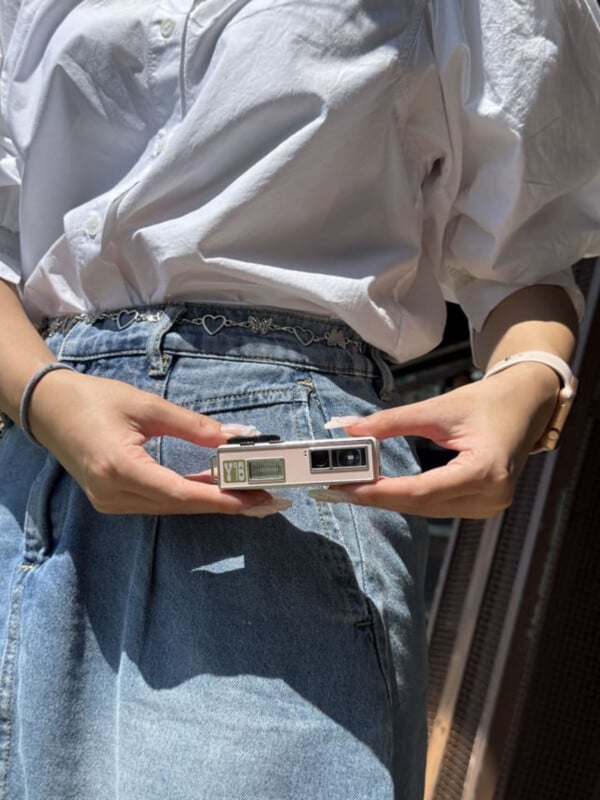
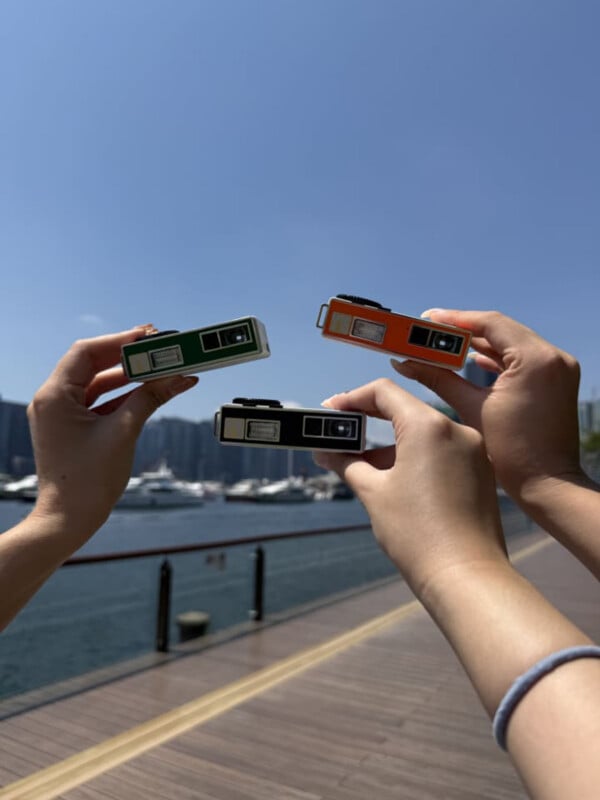
- Unusual Ergonomics: The camera sports an extremely flat, rectangular profile reminiscent of a flatfish. Its narrowest edge serves as the front face, housing the lens, optical viewfinder window, and xenon flash, while the top plate hosts the mechanical-style mode dial and shutter release button.
- Viewfinder & Display: Equipped with an optical viewfinder on the rear—which Yashica states incorporates mysterious "motion-sensing capabilities"—alongside a small digital review screen.
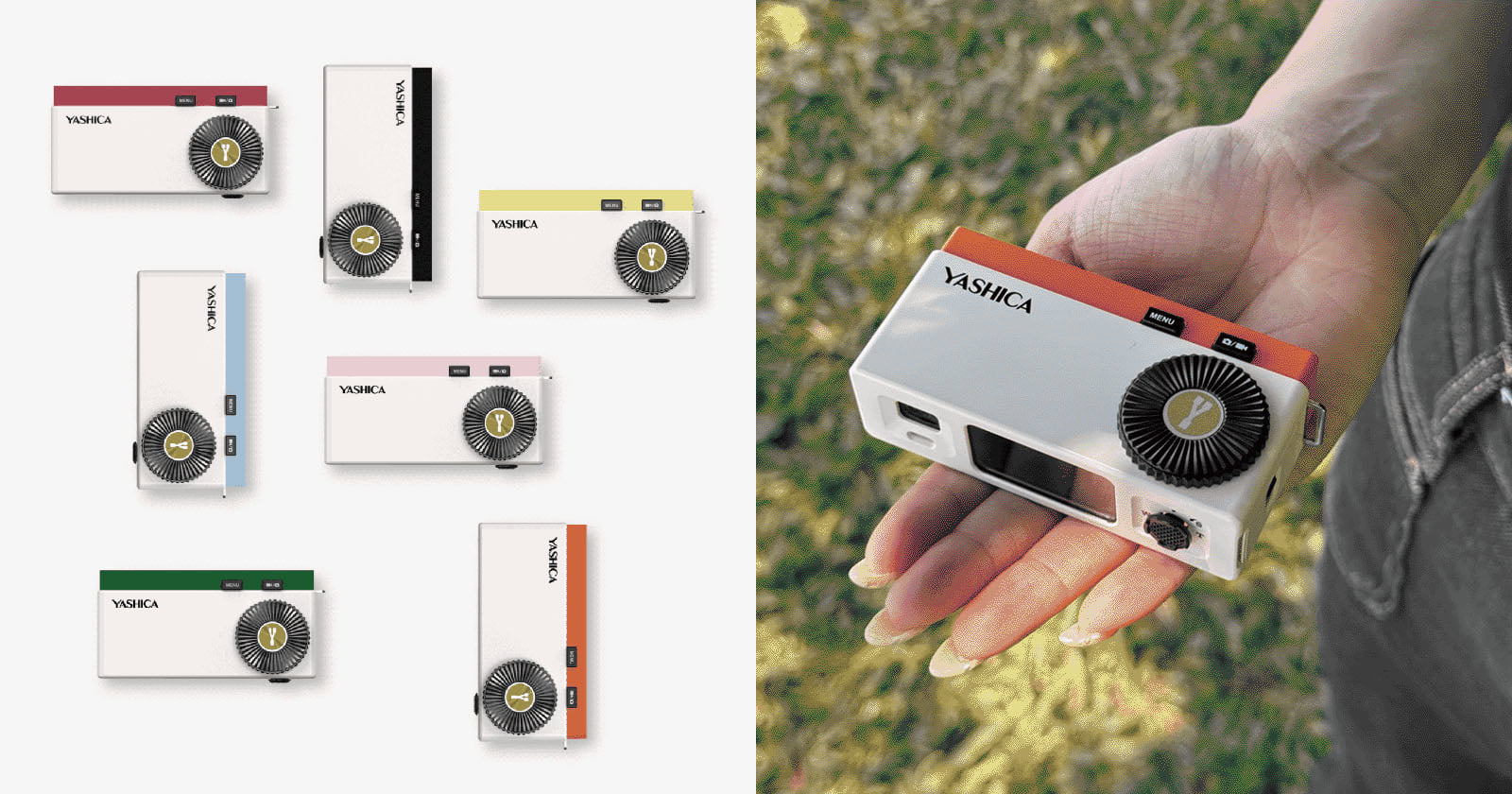
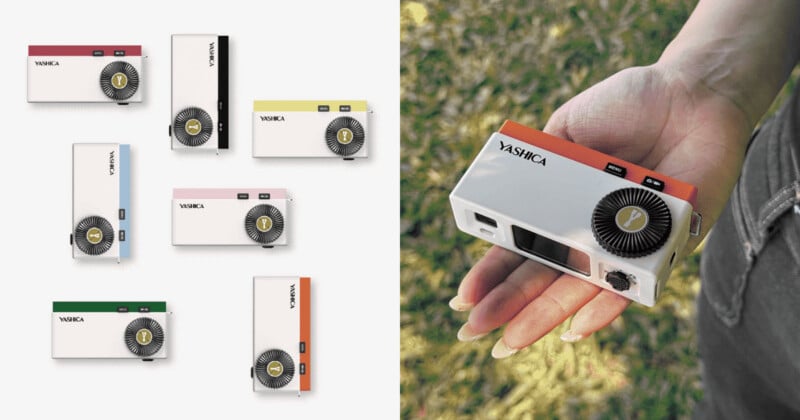
- Color Schemes: Planned for a release in seven distinct two-tone colorways, all anchored by a vintage-inspired off-white main body accented by vibrant trim colors (including green, orange, pink, and black).
Chronology: The Evolution of Yashica’s Modern Revival
To understand the context of the Y16, one must look at how the reborn Yashica brand has evolved over the past several years. Since acquiring the rights to the name, the company has heavily targeted the booming market for aesthetic, low-friction, analog-style digital cameras.
Early 2024–2025: Expanding the Budget Lineup
Yashica’s modern strategy has largely relied on ultra-affordable retro point-and-shoots. The company rolled out a series of budget devices, culminating in mid-range models designed to capture the TikTok and Instagram "Y2K digital camera" aesthetic.
August 2025: The Yashica City 300 Debut
In August 2025, Yashica released the City 300, a 50-megapixel compact camera priced at roughly $419. It represented an attempt by the brand to move slightly upscale and correct historical complaints regarding sluggish performance and meager resolution in its ultra-budget tiers.
March 2026: The Yashica Tank
Earlier this year, Yashica launched the "Tank," a ruggedized, ultra-budget compact camera retailing for around $100. While praised for its durability and simple nostalgia, critics pointed out its limitations—most notably the use of a modern LED flash, which failed to replicate the warm, punchy burst characteristic of vintage film flashbulbs.
September 2026: The Y16 Development Announcement
First brought to light by Digital Camera Watch, Yashica officially issued a development announcement for the Y16. By explicitly tying the camera’s architecture and name to the 1959 16mm original, the company signaled a pivot back toward high-concept, design-forward hardware rather than spec-sheet-driven performance. Preorders are slated to officially open in October 2026.
Supporting Data & Market Context: History Meets Modern Utility
A Nod to the 1959 16mm Original
The spiritual predecessor to the new digital Y16 is the original Yashica 16 from 1959. That historical camera was notable for utilizing small 16mm film rolls, allowing it to achieve an extraordinarily thin, pocketable profile that broke away from the bulky rangefinders and SLRs of its era.
By designing the digital Y16 with a similarly flat chassis, Yashica is making a direct historical homage. The small sensor size anticipated for the Y16—likely mirroring low- to mid-range smartphone modules—is a direct descendant of the physical constraints once imposed by the 16mm film format.
Pricing and Market Positioning
While Yashica has not yet disclosed official retail pricing for the Y16, market watchers can make educated guesses based on the brand’s existing product catalog.
- The High End: Yashica’s most expensive current offering is the Yashica City 300 at $419.
- The Low End: Most of the brand’s digital and film-simulated lineup sits comfortably below $300, with several entry-level models dipping under the $100 threshold.
Given its specialty design, unique xenon flash integration, and multi-color trim options, the Y16 is expected to slot neatly into the mid-tier range, likely hovering between $150 and $300. This places it in direct competition with niche aesthetic digital cameras from brands like PaperShoot, CampSnap, and various white-label retro makers popular on social media.
Official Responses and Industry Reception
Reactions from the photography community and industry analysts have been mixed yet largely intrigued. While traditional pixel-peepers and technical reviewers often write off modern Yashica cameras as gimmicky toys with inflated branding, lifestyle photographers and casual consumers view them through an entirely different lens.
The Xenon Flash Advantage
One of the most widely praised design decisions revealed in the development notes is the inclusion of a xenon flash. In official communications, Yashica has emphasized that recreating the nostalgic aesthetic of 20th-century flash photography is nearly impossible with modern LEDs. LED modules produce a flat, continuous light that lacks the instantaneous, high-intensity burst required to recreate authentic vintage flash-glare and deep shadow falloff. Reviewers and enthusiasts have lauded this inclusion as a significant step up from the Yashica Tank.
The Mystery of "Motion-Sensing" Viewfinders
Yashica’s teaser materials noted that the rear optical viewfinder will feature integrated "motion-sensing capabilities." Because the company has not yet elaborated on this feature, online forums and technology blogs are rife with speculation. Theories range from automatic shutter activation when the eye is brought to the finder, to digital overlay tracking, or even gesture-based menu controls. Industry insiders expect clearer demonstrations as the October preorder date approaches.
Implications: What the Y16 Means for the Future of Compact Cameras
The rollout of the Yashica Y16 highlights several broader trends currently sweeping the consumer electronics and photography markets:
1. The Triumph of Form Over Functionality
In an era where modern smartphones routinely outperform dedicated budget cameras in pure image resolution, dynamic range, and low-light processing, manufacturers are forced to rethink why anyone would buy a standalone camera. Yashica’s answer is unapologetic: buy it because it is cool, because it feels good in your hands, and because it forces you to slow down and shoot differently. The Y16 does not pretend to be a professional tool; it is a fashion accessory that happens to take pictures.
2. The Weaponization of Nostalgia
The enduring popularity of vintage CCD cameras, film point-and-shoots, and aesthetic digital toys proves that consumers are experiencing "perfection fatigue." Modern smartphone photos are often overly processed by computational algorithms, leaving images looking sterile and hyper-real. Cameras like the Y16 promise a deliberate return to imperfection—grainy details, warm flashes, and physical tactile dials.
3. Sustainability and Collectibility Through Design
By offering the Y16 in seven distinct color trims built over a unified white body chassis, Yashica is tapping into the collector mentality. Much like mechanical watches or designer sneakers, consumers are increasingly inclined to collect multiple colorways to match their outfits or daily moods.
Conclusion
The Yashica Y16 may not dethrone mirrorless powerhouses or challenge the dominance of flagship smartphones, nor is it trying to. Instead, it carves out a distinct space at the intersection of fashion, history, and casual digital photography. As preorders approach in October 2026, all eyes will be on Yashica to see if the real-world performance of the Y16—and the mystery behind its motion-sensing viewfinder—can match the undeniable charm of its retro-flat silhouette.
 Nana Muazin
  Asep Darmawan
  Jia Lissa