
 By Raul Delapena Setiawan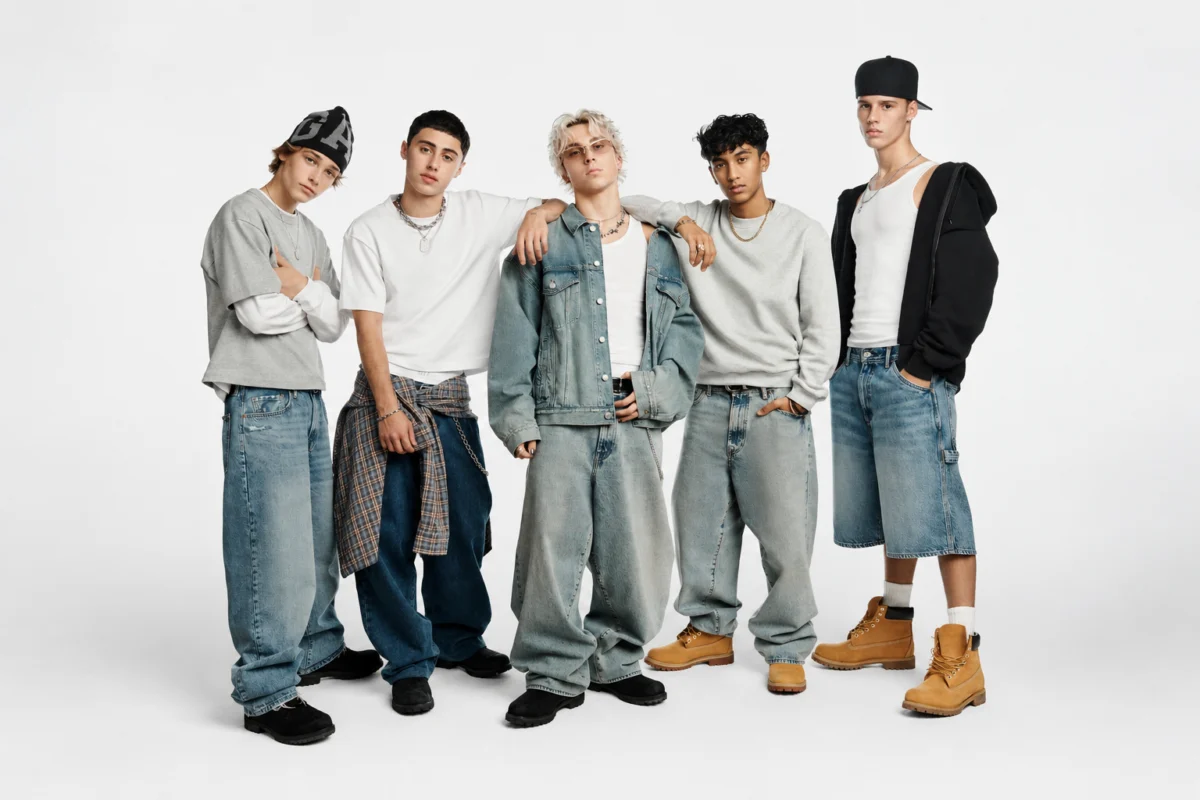
In a bold move to redefine the relationship between apparel retail and pop culture, Gap Inc. has officially unveiled its new strategic platform, "Fashiontainment." The initiative, designed to weave the company’s retail brands into the fabric of entertainment, sports, and music, debuted this week with a marquee multiyear partnership with the rising boy band Just Your Type (JYT). This collaboration represents more than a traditional marketing campaign; it is the cornerstone of a holistic strategy intended to transform how consumers interact with Gap, Old Navy, Banana Republic, and Athleta.
The Core Partnership: A Blueprint for Modern Fandom
The partnership between the Gap brand and Just Your Type—a five-member, high-energy, dance-forward ensemble—is multifaceted and deeply integrated. Rather than a simple one-off endorsement, the deal encompasses a comprehensive suite of content and experiential activations designed to capture the attention of Gen Z and younger audiences.
Key elements of the collaboration include:
- A Collaborative Docuseries: A behind-the-scenes look at the band’s meteoric rise, chronicling their creative process and personal journeys.
- A National Mall Tour: Bringing the live concert experience directly to the consumer, echoing the nostalgic, high-energy pop culture movements of the late 80s and 90s.
- Exclusive Capsule Collection: A co-designed apparel line that bridges the gap between performance stage wear and everyday retail.
- Digital Integration: Targeted social content distributed across the platforms where modern music discovery and cultural trends originate.
Just Your Type, managed under the stewardship of Grammy-nominated songwriter and producer Freddy Wexler and signed to Wexler Records/Republic Records, has already demonstrated significant digital traction. In the last 90 days alone, the group has garnered over 450 million views and cultivated a loyal following of more than 2 million fans across social media platforms. The group consists of members Recker Eans, Toby Green, Caden Adamonis, Bryan Chan, and Tyler George—all teenagers who represent the modern archetype of the multifaceted performer, blending dance, vocal prowess, and digital-native storytelling.
Chronology of a Corporate Pivot
The formation of the "Fashiontainment" platform is not an isolated decision but the result of a deliberate corporate evolution initiated by Gap Inc.’s recent leadership shifts.
The trajectory began in August 2023, when Richard Dickson assumed the role of president and CEO of Gap Inc. Coming off a highly successful tenure as president and COO of Mattel—where he was widely credited with the "Barbiecore" phenomenon and the revitalization of the brand through strategic licensing and pop-culture alignment—Dickson brought a clear mandate to the retailer: restore the cultural relevance of Gap Inc.’s portfolio.
In February 2024, the strategy gained structural momentum with the appointment of Pam Kaufman as executive vice president and chief entertainment officer. A veteran of the entertainment industry, including a high-profile tenure at Paramount, Kaufman was brought on specifically to bridge the gap between retail and Hollywood. She established a dedicated Los Angeles-based office to oversee the company’s foray into music, television, film, and gaming.
The launch of the JYT partnership marks the first major public execution of this "Fashiontainment" vision, signaling that the company is now prepared to move from internal restructuring to external, high-visibility consumer engagement.
Supporting Data: The Retail Landscape
Gap Inc.’s strategic pivot comes at a critical time for the company. The retail giant has navigated a volatile market, reporting ten consecutive quarters of growth before facing a minor decline in the second quarter of the current fiscal year. For the period ending August 1, the company saw a 2 percent dip in overall sales, largely attributed to performance struggles at Old Navy.
However, the "Gap" brand itself has remained a bright spot, posting a 9 percent sales increase, while Banana Republic saw a 1 percent gain. Athleta, meanwhile, recorded a 12 percent decline, highlighting the need for a unified strategy that can leverage the "halo effect" of successful marketing across all banners.
The "Fashiontainment" approach is a direct response to these fluctuations. By shifting from traditional advertising to content-led engagement, Gap Inc. aims to build long-term loyalty rather than relying on transactional, price-sensitive promotions. Recent successes that hinted at this strategy include:

- The "Better in Denim" Campaign: Featuring K-pop girl group Katseye, which resonated deeply with global markets.
- Disney x Old Navy: A co-created collection that leveraged one of the world’s most powerful entertainment IPs.
- Cultural Collaborations: Strategic activations with Harlem’s Fashion Row and partnerships with figures such as Parker Posey, Hailey Bieber, and Troye Sivan, as well as a successful apparel tie-in with the hit Netflix series Stranger Things.
Official Perspectives: The Philosophy of Connection
The leadership at Gap Inc. and their partners view this alliance as a departure from the "celebrity spokesperson" model of the past.
"Gap has always lived at the intersection of style, music, and culture," Pam Kaufman said in a press statement. "Our Fashiontainment platform builds on that legacy by putting our brands at the center of the stories and cultural moments people care about. With JYT, we’re drawing on the full breadth of Gap—from creative storytelling and fashion to our stores and experiences—to give audiences multiple ways into the band’s world."
CEO Richard Dickson underscored the necessity of this shift in the current retail environment. "Fashion is entertainment, and today’s customers aren’t just buying apparel; they’re buying into brands that tell compelling stories and drive cultural conversations," Dickson noted. "As we reinvigorate Gap Inc.’s house of iconic American brands to drive relevance and revenue, we recognize entertainment is a critical link to the consumer—one we can lean on to create fandoms, inspire movements, and fuel sustained growth."
Freddy Wexler, the architect behind the band’s development, echoed this sentiment. "It’s rare to find a partner who shares our dedication to discovering and nurturing talent. We’ve found that Gap Inc. understands how music, fashion, storytelling, and live experiences build on one another."
Implications: The Future of Retail Engagement
The implications of the "Fashiontainment" strategy are significant for both the retail and entertainment industries.
1. From Retailer to Media Entity
Gap Inc. is signaling a transition toward becoming a hybrid entity. By producing docuseries and managing talent, the company is effectively competing for the same "share of mind" as streaming platforms and social media influencers. This transition allows them to own the narrative around their products rather than simply being a point-of-sale destination.
2. The Power of "Fandom"
The partnership with JYT suggests that Gap is looking to monetize "fandom." By creating an ecosystem where a fan of the band can also become a consumer of the brand, the company creates a closed-loop engagement cycle. If the strategy proves successful, it could provide a blueprint for how legacy retailers can successfully capture Gen Z and Alpha cohorts.
3. Challenges and Risks
While the strategy is ambitious, it is not without risks. Industry analysts remain cautious, noting that while creative marketing generates buzz, the ultimate health of a retail chain relies on product quality, inventory management, and price-to-value ratios. The 2 percent sales decline earlier this year serves as a reminder that even the best marketing cannot entirely mask underlying merchandising issues. The challenge for Kaufman and her team will be ensuring that the "Fashiontainment" initiatives translate into high-conversion retail sales rather than just high-engagement impressions.
4. Setting a Precedent
If the JYT partnership succeeds in moving the needle on revenue and brand sentiment, it is likely that Gap Inc. will aggressively expand this model to its other brands. One could easily envision exclusive collections linked to upcoming film releases at Banana Republic or athlete-centric content drops at Athleta.
As Gap Inc. embarks on this new chapter, the industry will be watching closely. The "Fashiontainment" platform is a bold bet that in the digital age, the most successful brands will be those that function less like stores and more like curators of the cultural zeitgeist. Whether this blend of melody and merchandise can return the company to consistent, long-term growth remains the central question for investors and consumers alike.
 Dwi Wanna
  Suro Senen