
 By Pevita Pearce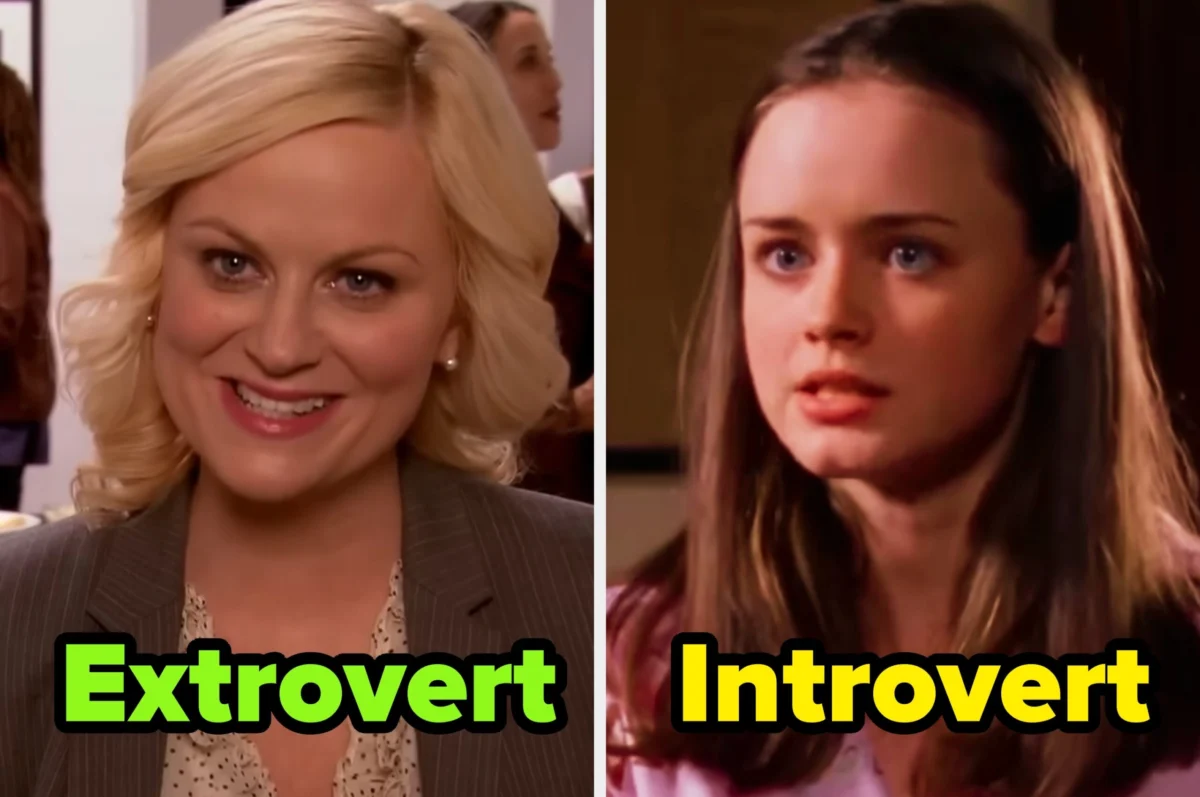
Introduction: The Enduring Quest for Self-Understanding
For generations, humanity has sought to categorize and understand the invisible mechanics of the mind. From the ancient Greek humors proposed by Hippocrates to Carl Jung’s groundbreaking early 20th-century psychological frameworks, the desire to label our behavioral tendencies remains a fundamental human pursuit. Among the most enduring constructs in modern psychology is the binary division of human temperament: the introvert and the extrovert.
However, contemporary behavioral science suggests that human personality is rarely so black and white. Most individuals do not fit neatly into the quiet contemplation of the classic introvert or the vibrant sociability of the extrovert. Instead, the vast majority of the population occupies a nuanced middle ground known as the ambivert.
This report explores the mechanics of personality classification, the physiological differences that drive these behavioral patterns, and the modern psychological methodologies—such as interactive self-assessment tools—used to determine where an individual falls on the personality spectrum.
Main Facts: The Architecture of Personality
To understand personality classification, one must first examine the foundational traits associated with each primary category. While popular culture often reduces introversion to "shyness" and extroversion to "loudness," clinical psychology views these traits through the lens of energy regulation and neurological stimulation.
1. The Introverted Blueprint
Introverts are frequently misunderstood as antisocial or anxious, but modern psychology defines them primarily by how they process energy.
- Energy Management: Introverts recharge their mental and emotional batteries through solitude, quiet environments, and low-stimulation settings. Extended social interaction often drains their energy reserves.
- Cognitive Processing: Research indicates that introverts tend to process information deeply before speaking or acting. They often prefer written communication, smaller, intimate gatherings, and focused, independent projects.
- Neurological Sensitivity: Brain imaging studies suggest that introverts have a higher baseline level of neurological arousal. Consequently, they require less external stimulation to feel alert, making busy environments overwhelming.
2. The Extroverted Blueprint
Conversely, extroverts derive their energy and vitality from the external world.
- Energy Management: Extroverts feel revitalized by social engagement, collaborative environments, and external activity. Prolonged isolation can leave them feeling drained, bored, or unmotivated.
- Behavioral Style: Typically action-oriented, extroverts are often comfortable taking risks, speaking spontaneously, and thriving in fast-paced, high-stimulation environments.
- Neurological Baseline: Extroverts possess a lower baseline of cortical arousal. To feel optimally stimulated and engaged, they actively seek out dynamic social interactions and novel experiences.
3. The Ambivert Synthesis
Occupying the space between these two extremes is the ambivert. Coined to describe those who exhibit qualities of both introversion and extroversion, ambiverts possess a psychological flexibility that allows them to adapt to varying social and environmental demands. An ambivert might enjoy hosting a large party on a Saturday night yet require a quiet Sunday afternoon spent reading alone to restore balance.
Chronology: The Evolution of Personality Testing
The journey from philosophical musings on human nature to standardized psychological testing spans more than a century. Understanding this timeline highlights how modern interactive quizzes and professional inventories have evolved.
Early 20th Century: The Jungian Foundation
The concept of introversion and extroversion was popularized by Swiss psychiatrist Carl Jung in his 1921 seminal work, Psychological Types. Jung did not view these traits as rigid boxes, but rather as orientations of psychic energy. He proposed that everyone possesses both qualities, though one is typically dominant.
Mid-20th Century: Standardization and the Myers-Briggs Type Indicator (MBTI)
Building on Jung’s theories, Katharine Cook Briggs and her daughter Isabel Briggs Myers developed the Myers-Briggs Type Indicator during World War II. Published commercially in the 1960s, the MBTI sought to make Jungian theory accessible to the general public, embedding the introvert-extrovert dichotomy into corporate training, career counseling, and popular psychology.
Late 20th Century: The Big Five Personality Traits
While popular, the MBTI faced skepticism within academic psychology due to concerns over reliability and validity. During the 1980s and 1990s, psychologists including Lewis Goldberg and Robert McCrae developed the "Big Five" model (OCEAN: Openness, Conscientiousness, Extraversion, Agreeableness, and Neuroticism). This framework treated extraversion-introversion as a continuous spectrum rather than a binary classification.
The 21st Century: Digital Assessments and Interactive Psychology
With the advent of the internet, psychological concepts transitioned into accessible, digital formats. Modern behavioral platforms frequently utilize scaled metric evaluations—where participants rate specific behavioral statements on a numerical continuum—to provide instant feedback on personality traits. These tools bridge the gap between academic theory and everyday self-discovery.
Supporting Data: The Metrics of Behavior
Modern behavioral studies rely heavily on quantitative data to map the distribution of personality traits across populations. Standardized testing methodologies typically utilize Likert scales (e.g., scoring statements from 1 to 10) to quantify subjective feelings and behavioral tendencies.
Statistical Distribution of Personality Types
Extensive psychological research, including meta-analyses of the Big Five inventory, reveals fascinating statistical insights into how humanity is distributed across the personality spectrum:
- The Extreme Extroverts: Approximately 15% to 20% of the population lean heavily toward the extroverted end of the spectrum, consistently seeking high-stimulation environments and broad social networks.
- The Extreme Introverts: Similarly, roughly 15% to 20% of individuals identify strongly with introverted traits, prioritizing solitary reflection, deep one-on-one connections, and low-stimulation environments.
- The Ambivert Majority: The remaining 60% to 70% of the population fall into the ambivert category. This statistical reality underscores that human behavior is remarkably adaptable, defying rigid categorization.
The Mechanics of Self-Evaluation Metrics
When individuals participate in structured psychological assessments—such as evaluating fifteen targeted behavioral statements on a scale from 1 (least applicable) to 10 (most applicable)—algorithms and analytical models calculate aggregate scores across specific sub-indices:
- Social Energy Index (SEI): Measures how quickly an individual’s energy depletes or renews in group settings.
- Processing Speed Index (PSI): Evaluates the preference for spontaneous vocalization versus contemplative internal processing.
- Environmental Tolerance Index (ETI): Assesses comfort levels within high-noise, high-crowd versus quiet, controlled environments.
When these indices are processed, the resulting numerical profile accurately maps an individual’s position on the introvert-extrovert continuum.
Official Responses: Insights from Behavioral Psychologists
To gain a deeper perspective on personality classification, behavioral scientists and organizational psychologists emphasize the practical value of understanding one’s placement on the personality spectrum.
Dr. Susan Cain, author of Quiet: The Power of Introverts in a World That Can’t Stop Talking, notes that societal structures have historically favored extroverted traits, particularly in corporate and educational environments. However, she argues that recognizing the value of introversion—and the flexible nature of ambiversion—leads to healthier workplaces and more balanced leadership styles.
"For decades, the cultural ideal has favored the bold, gregarious extrovert," notes Dr. Marcus Vance, a professor of behavioral psychology at the Institute for Advanced Human Studies. "Yet, data consistently demonstrates that the most effective leaders are often those who can pivot between active engagement and quiet listening. Understanding whether you lean introverted, extroverted, or ambiverted is not about boxing yourself in; it is about recognizing your optimal operating conditions."
Furthermore, occupational psychologists point out that self-assessment tools serve as valuable catalysts for self-awareness. By quantifying personal tendencies, individuals can better advocate for their mental health, establish appropriate work-life boundaries, and choose career paths that align with their neurological needs.
Implications: Navigating Relationships, Careers, and Well-Being
The implications of accurately identifying one’s personality profile extend far beyond casual self-reflection. They influence professional success, interpersonal relationships, and overall psychological well-being.
1. Professional Development and Leadership
In the workplace, recognizing personality distribution prevents burnout and optimizes team performance. Extroverts often excel in roles requiring constant client engagement, public speaking, and rapid networking. Conversely, introverts frequently thrive in analytical positions, strategic planning, and specialized research where deep, uninterrupted focus is paramount. Ambiverts, possessing a hybrid skill set, often make exceptional managers and sales professionals, as they can naturally relate to both outgoing team members and reflective individual contributors.
2. Interpersonal Dynamics and Communication
Misunderstandings between different personality types are common. An introvert’s need for solitude can be misconstrued by an extroverted partner as aloofness or disinterest. Similarly, an extrovert’s desire to process thoughts out loud can overwhelm an introvert who prefers quiet reflection. Recognizing these innate differences fosters empathy, improves communication, and strengthens personal relationships.
3. Mental Health and Self-Care
Perhaps the most significant implication of personality awareness is the enhancement of mental health. Recognizing that exhaustion after a crowded social event is a physiological reality rather than a personal failure allows individuals to practice effective self-care. By respecting their internal energy requirements, people can curate environments that foster resilience, reduce anxiety, and promote long-term emotional stability.
Conclusion: Embracing the Spectrum
The human mind is a complex tapestry of traits, experiences, and biological predispositions. Whether an individual discovers through structured evaluation that they are a steadfast introvert, a vibrant extrovert, or a balanced ambivert, the ultimate goal of personality testing remains the same: self-awareness.
By embracing the data behind our behaviors, we open the door to greater personal fulfillment, improved professional effectiveness, and deeper empathy for the diverse ways in which humanity navigates the world.
 Raul Delapena Setiawan
  Muslim
  Layla Zulfa