
 By Basiran
For millions of people worldwide, a morning routine is incomplete without the familiar neon-pink-and-orange glow of a Dunkin’ sign. Serving billions of cups of coffee annually, the corporate giant has evolved from a regional New England staple into an international juggernaut. Known for its blistering speed, staggering variety, and constant stream of menu innovations—ranging from viral seasonal drink drops to rotating value bundles—Dunkin’ understands how to command consumer attention.
However, immense popularity and a high-speed business model do not equate to operational perfection. Behind the brand’s rapid expansion and convenient service model lies a growing undercurrent of customer frustration. Across social media forums like Reddit, Facebook, and consumer review platforms, a vocal customer base frequently airs grievances regarding quality control, pricing structures, and systemic service breakdowns.
An analysis of these recurring complaints reveals that many stem directly from Dunkin’s core operating philosophy: prioritizing relentless speed over meticulous preparation. When an enterprise scales up to maximize transactional velocity, cracks invariably form in the customer experience. From vanishing cold foam to skyrocketing prices and stale baked goods, here is an exhaustive look at the 11 most common complaints leveled against Dunkin’ today.
1. Main Facts: The Anatomy of a Fast-Food Backlash
The friction between Dunkin’ and its customer base can be categorized into three primary pillars: beverage discrepancies, product quality degradation, and financial dissatisfaction.
The Beverage Battlegrounds: Cold Foam and Ice Ratios
Beverage customization is a hallmark of modern coffee culture, but it has become a frequent source of customer disappointment at Dunkin’.
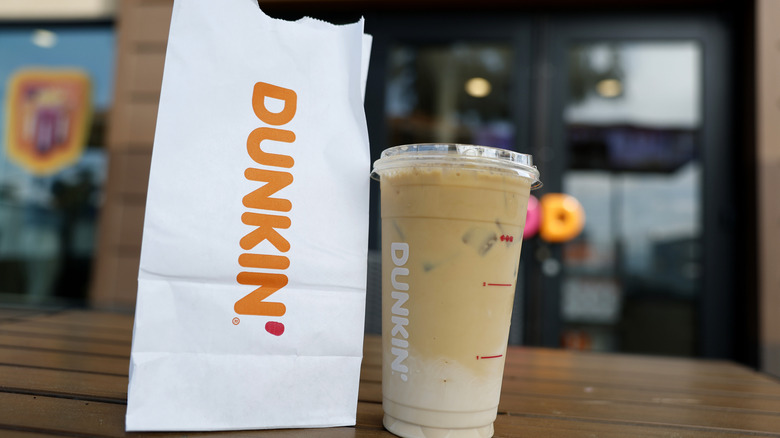
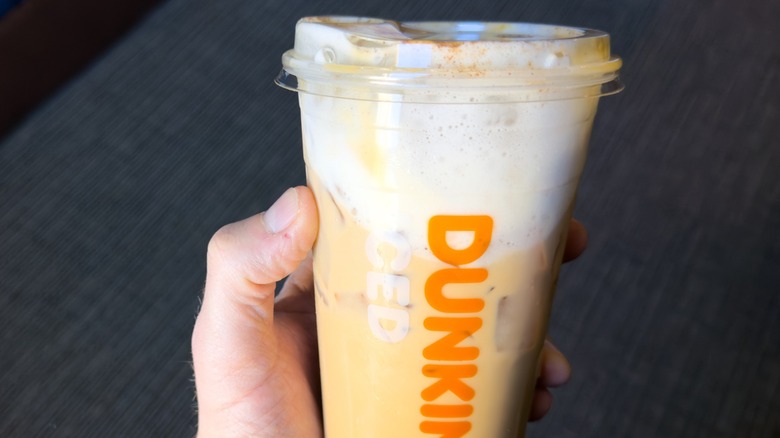
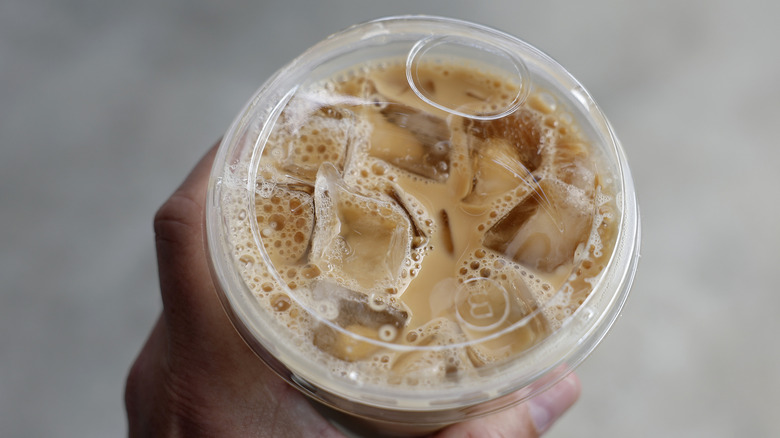
- The Missing Cold Foam: Introduced to the menu in 2021, cold foam quickly became a fan-favorite, premium add-on. Yet, customers frequently report paying extra for cold foam—often over a dollar per drink—only to receive a standard beverage devoid of the whipped topping. While employees sometimes hold the foam until the absolute last second to prevent deflation, patrons argue that omissions are too frequent to excuse.
- The Ice Paradox: Iced coffee is a year-round staple, but patrons who request "less ice" often feel shortchanged. Rather than receiving a cup filled to the brim with extra liquid, customers frequently encounter underfilled cups or find their requests entirely ignored by hurried staff.
Digital Disconnects: Mobile Ordering Pitfalls
Mobile apps are designed to streamline the consumer journey, yet Dunkin’’s digital ecosystem is plagued by structural flaws:
- Missing Items: Customers frequently arrive to pick up "On-the-Go" orders only to find items missing from their bags.
- The Inventory Blind Spot: Perhaps most frustratingly, the Dunkin’ mobile app often fails to reflect real-time inventory. The app frequently allows customers to order items that are entirely sold out at a specific location, resulting in forced, last-minute substitutions upon arrival. Employees have noted that the inventory-updating system is overly tedious, creating a barrier to accurate stock management.
2. Chronology: The Evolution of Dunkin’’s Service Model
To understand how Dunkin’ reached this current juncture of consumer discontent, it is helpful to examine the timeline of strategic pivots the company has made over the last decade and a half.
- 2011 (The Rewards Era Begins): Dunkin’ launched its original loyalty program, which quickly garnered praise as one of the most generous fast-food rewards initiatives in the industry. Over time, however, point structures shifted, expiration dates were introduced, and redemption tiers expanded, leading to widespread accusations of loyalty program devaluation.
- January 2019 (A Rebranding Gamble): In a bid to modernize its image and pivot heavily toward a beverage-led strategy, the company officially dropped "Donuts" from its corporate name, becoming simply "Dunkin’." This marked a subtle, ongoing shift away from its baked-goods heritage—a transition that critics argue coincided with a noticeable decline in the freshness and quality of its donuts.
- The Post-Pandemic Acceleration: In the wake of global supply chain disruptions and inflationary pressures, Dunkin’—like much of the fast-food sector—accelerated its pricing increases. Simultaneously, the brand leaned aggressively into digital ordering platforms, mobile app features, and rapid-fire limited-time offers (LTOs). This push for maximum throughput inadvertently exacerbated issues regarding missing mobile order items, underfilled cups, and declining customer service standards.
3. Supporting Data & Consumer Insights
The grievances voiced by Dunkin’ patrons are not isolated incidents; they reflect broader systemic challenges inherent in high-volume quick-service restaurant (QSR) operations.
- Financial Value Erosion: Historically positioned as the more affordable, blue-collar alternative to premium chains like Starbucks, Dunkin’ has faced intense scrutiny over rising prices. Regulars report that frequent incremental price hikes, combined with mandatory upcharges for modifiers (like alternative milks, flavor shots, and cold foam), have eroded the chain’s value proposition.
- Shrinkflation Suspicions: Consumers have increasingly voiced concerns over "shrinkflation"—the practice of reducing portion sizes while maintaining or increasing prices. This is most visibly observed in reports of underfilled hot and cold beverages, where liquid sits significantly below the rim of the cup. While corporate guidelines often dictate filling to a specific fill-line rather than the absolute brim, the visual impact leaves customers feeling shorted.
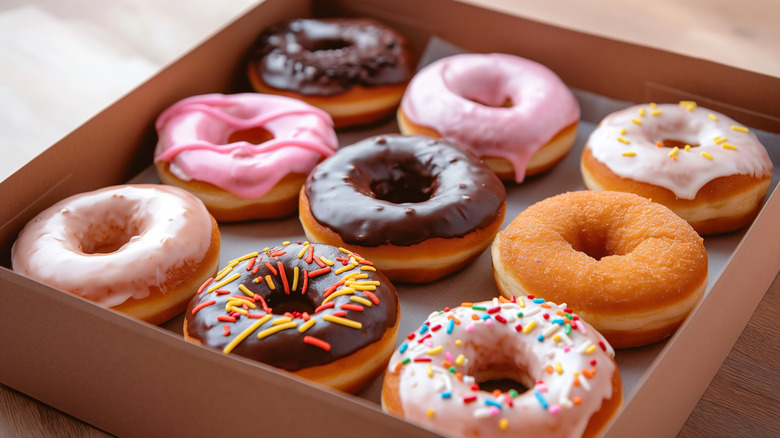
- Product Integrity and Quality Control: The transition to centralized kitchens and frozen-dough delivery models has been heavily criticized. Donuts, once baked fresh daily on-site in many legacy locations, are frequently described by consumers as chalky, tough, and stale—even during early morning hours. Furthermore, reports of food carrying an acrid, chemical, or gas-like taste point to operational lapses in equipment cleaning or parchment paper rotation within high-speed ovens.
4. Official Responses and Industry Context
Navigating customer complaints at scale is a monumental challenge for any franchise system, and Dunkin’’s corporate structure presents unique hurdles for aggrieved consumers.
- The Corporate Communication Barrier: When customers attempt to escalate issues beyond individual store managers, they frequently encounter bureaucratic roadblocks. Automated email replies, generic canned responses, disconnected phone lines, and unresolved in-app customer support tickets leave many diners feeling ignored.
- The Employee Perspective: To provide balanced context, front-line workers frequently take to online forums to explain the immense operational pressures they face. Processing dozens of mobile and drive-thru orders simultaneously through a single terminal creates a high-stress environment. Employees argue that mistakes—such as missing food items or forgotten cold foam—are symptomatic of understaffed kitchens operating under breakneck performance metrics rather than intentional negligence.
- The Value Deal Dilemma: Dunkin’’s rotating Meal Deals are designed to attract budget-conscious consumers, yet the constant cycling of items draws mixed reactions. While the deals remain among the more competitive breakfast values in the fast-food landscape, customers lament the lack of permanent choices, noting that favorite value combinations vanish just as quickly as they are introduced.
5. Implications for the Future of the Brand
As consumer expectations shift toward transparency, consistent quality, and personalized value, the complaints leveled against Dunkin’ carry significant implications for its long-term market share.
- Erosion of Brand Loyalty: Loyalty is difficult to build and remarkably easy to lose. As loyalty programs become less rewarding and everyday menu items grow more expensive, casual consumers and die-hard regulars alike are beginning to reevaluate their allegiance. If perceived value continues to drop, competitors in the booming drive-thru coffee segment stand ready to capture alienated traffic.
- The Technology Imperative: The disconnect between the mobile app’s inventory display and real-time store stock highlights a critical need for software optimization. For a brand heavily investing in digital ordering infrastructure, smoothing out backend inventory controls and app responsiveness is no longer optional—it is a baseline requirement for retaining digital-native customers.
- Balancing Speed with Quality: Ultimately, Dunkin’ faces a classic corporate balancing act. The company’s economic engine relies on speed—getting cars through the drive-thru and mobile orders into waiting hands as fast as humanly possible. However, if that speed continues to compromise order accuracy, product freshness, and customer service standards, the brand risks alienating the very foundation upon which its empire was built.
 Nana Wu
  Iffa Jayyana
  Laily UPN