
 By Sagoh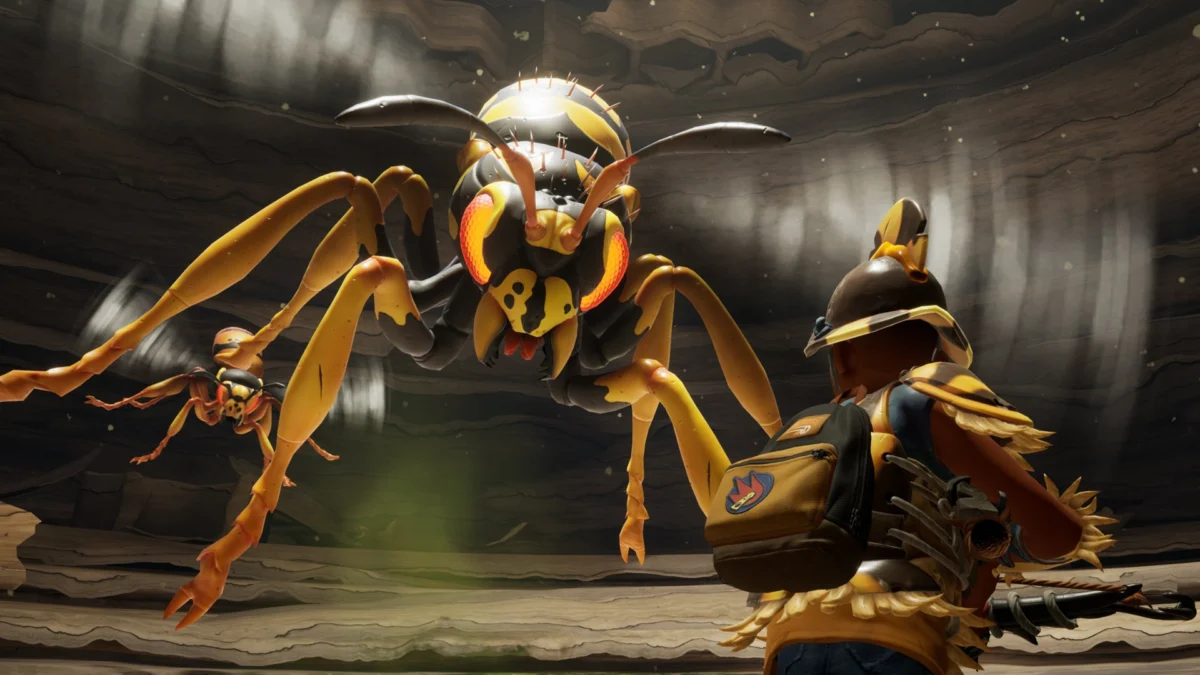
The gaming industry is currently navigating its most turbulent period in recent memory, and at the epicenter of this volatility is Microsoft’s Xbox division. Following a series of reports regarding imminent workforce reductions, Microsoft has officially confirmed a new, aggressive phase of its corporate restructuring. This latest move marks a significant shift in the company’s strategy, involving studio consolidations, the closure of historic development teams, and the loss of an additional 268 jobs.
This announcement arrives just months after a massive, industry-shaking restructuring event in July, painting a grim picture for the future of some of gaming’s most storied developers. As Microsoft seeks to "reset" its business operations, the ripples of these decisions are being felt across the entire ecosystem of Xbox Game Studios.
The Chronology of Contraction: A Timeline of Xbox Layoffs
To understand the current state of Xbox, one must look at the timeline of the "Great Reset" initiated by Microsoft leadership.
July: The Initial Blow
In July, Xbox CEO Asha Sharma announced a restructuring effort that sent shockwaves through the industry. The initiative, described as the "most significant" in the company’s history, involved the elimination of 3,200 roles. While 1,600 of these layoffs were effective immediately, the move also signaled a shift in Microsoft’s philosophy regarding its portfolio. In an unexpected twist, several high-profile studios—including Double Fine and Compulsion Games—were granted the opportunity to regain their independence, effectively distancing themselves from the Microsoft corporate umbrella to survive.

September: The Second Wave
With the specter of an additional 1,600 pending cuts looming, the company acted swiftly. On September 22, Microsoft confirmed that 268 further employees would be laid off. This reduction targeted a diverse array of departments, including staff at Halo Studios, various unspecified first-party teams, and members of the "management and central functions" layer within the broader Xbox Game Studios organization.
Structural Reorganization: A New Map for Xbox Game Studios
The latest corporate directive, outlined by Xbox executive vice president and chief content officer Matt Booty, aims to optimize efficiency by collapsing the silos that have traditionally separated Microsoft’s massive stable of developers.
Strategic Realignments
The reorganization plan is built on the philosophy of placing related franchises under the same operational roofs:
- The Activision Pivot: Rare—the legendary developer behind Sea of Thieves—and World’s Edge, the studio responsible for Age of Empires and Age of Mythology, have been moved under the remit of Activision.
- Forza and Fable Synergy: Playground Games and Turn 10 Studios are now formally joining forces. The goal is to create a unified development pipeline that focuses exclusively on the Forza and Fable franchises.
- Bethesda’s Expanded Portfolio: In a move that consolidates the RPG powerhouses, Bethesda will now oversee Obsidian Entertainment. Obsidian, which continues to maintain support for Grounded, will also begin a collaborative effort with Bethesda Game Studios to develop a new project within the Fallout universe.
The Halo Transition
Perhaps the most controversial change involves the Halo franchise. Development of the next mainline Halo title has been shifted to Activision. A "purpose-built" team, independent of the Call of Duty developers, is being tasked with revitalizing the series. Consequently, the original Halo Studios has been significantly downsized, with a small remaining team relegated to supporting the Halo community and maintaining titles currently in the marketplace.

Supporting Data: The Human Cost of Restructuring
The raw numbers behind this restructuring reveal a human crisis that has left the developer community in a state of mourning and uncertainty.
- The 3,200/1,600/268 Breakdown: The total number of affected employees across the last two quarters is staggering. With the 3,200 initial cuts and the recent 268, Microsoft is roughly three-quarters of the way through its planned restructuring process.
- The "At-Risk" Projection: Analysts note that, based on the initial figures provided by leadership, more than 1,300 additional employees could still be facing job losses before the end of the current fiscal cycle.
- Operational Shifts: The decision to place management functions under a more centralized "central functions layer" suggests that Microsoft is moving away from the "hands-off" approach that defined its earlier acquisition strategy, favoring a top-down, hyper-efficient corporate structure.
Official Responses and Corporate Rationale
In a blog post titled "Continuing Our Reset," Matt Booty provided the company’s official justification for these measures. He emphasized that the goal is to "strengthen our franchises and games by operating fewer business units, aligning groups that already work closely together, and focusing our publishing expertise."
The language used by Microsoft leadership focuses heavily on "synergy" and "alignment." By merging teams that share similar technical stacks or genre focuses, Microsoft argues it can reduce redundancy. However, the reality on the ground—characterized by the potential closure of studios like Ninja Theory—suggests that the cost of this "strengthening" is the loss of the unique cultures and specialized talents that once made these studios industry leaders.
The Implications: A Studio in Limbo
Perhaps the most distressing aspect of the current news is the fate of studios that have been left in a state of suspended animation.

Ninja Theory’s Precarious Future
The developers behind the critically acclaimed Hellblade series are currently facing "proposed closure." This follows two separate, failed agreements that could have saved the studio from its current fate. Microsoft is currently in the consultation phase with employees, though the company notes that it is still exploring "other paths forward." For a studio that has pushed the boundaries of narrative and graphical fidelity, this uncertainty is a devastating blow to the creative talent involved.
The Arkane Consultation
Similarly, the future of Arkane—the creative engine behind Dishonored and Deathloop—remains in flux. Consultations regarding the studio’s future are expected to continue through the end of the calendar year. This leaves hundreds of employees in a state of professional purgatory, unsure if they will be part of the future of the company or among the next wave of layoffs.
Conclusion: The Long-Term Outlook for Xbox
Microsoft’s ongoing restructuring is an attempt to reconcile its massive, multi-billion-dollar acquisitions with the reality of a cooling post-pandemic gaming market. By consolidating power, moving developers under the Activision umbrella, and cutting administrative layers, Microsoft is effectively transforming into a leaner, more centralized publisher.
However, the industry is watching closely to see if this strategy comes at the cost of the very innovation that made Xbox Game Studios a success. As the company moves toward the completion of its restructuring, the focus will shift from the boardrooms of Redmond to the creative outputs of these newly aligned teams. For now, the takeaway is clear: the era of rapid, expansive growth for Xbox has ended, replaced by an era of defensive consolidation. Whether this "reset" will result in stronger franchises or a loss of the creative soul that defined the brand remains the defining question for the next generation of gaming.
 Basiran
  Siti Muinah
  Neng Nana