TORONTO — We all harbor a few shortcuts in our daily routines. Perhaps you skip folding your laundry, preferring to live out of a clean basket for a week, or you routinely opt for takeout because the mere thought of turning on the stove feels like a monumental chore. For most of us, these minor acts of energy conservation are harmless, run-of-the-mill concessions to modern burnout. However, a recent viral social media phenomenon has shattered conventional benchmarks of inertia, revealing a global community of individuals whose dedication to avoiding physical effort borders on the avant-garde.
When TikTok creator Ellie Nanni (@ellie.nanni) published a seemingly innocuous video asking her followers to confess "the laziest thing you’ve ever done," she inadvertently opened a Pandora’s box of psychological ingenuity. The resulting comment section transformed into a masterclass in extreme minimalism, forcing observers to recalibrate their definitions of laziness. From vehicular existential dread handled via satellite imagery to culinary shortcuts that defy safety standards, the responses offer a darkly hilarious, deeply human look at what happens when human intelligence is weaponized against physical exertion.
Main Facts: The Anatomy of a Viral Confession
The digital landscape is no stranger to crowdsourced vulnerability, but Nanni’s prompt struck a particularly resonant chord. Within days, the video accumulated hundreds of thousands of views and triggered an avalanche of user-submitted anecdotes. Rather than featuring standard tales of procrastination, the thread quickly evolved into an archive of breathtakingly creative laziness.
Key themes emerged across the thousands of responses:
The Bypass of Basic Physics: Users frequently detailed deploying modern technology—such as web applications and satellite mapping—to avoid moving their physical bodies mere feet.
Domestic Shortcuts: A surprising number of confessions centered on domestic environments, where tasks like washing dishes, making beds, or fetching water were abandoned in favor of bizarre, highly questionable workarounds.
The Cost-Benefit Analysis of Comfort: Countless individuals admitted to spending money or courting minor health hazards simply to sidestep minor inconveniences, proving that convenience culture has fundamentally rewired modern decision-making.
Chronology of the Phenomenon
The trajectory of the trend highlights the rapid, organic nature of viral internet culture:
The Catalyst: TikTok creator Ellie Nanni uploads a short-form video posing the question: "What is the laziest thing you’ve ever done?"
The Initial Wave: Early comments feature relatable, moderately humorous anecdotes about avoiding household chores or walking to the refrigerator.
The Escalation: As the video gains algorithmic traction, users begin attempting to outdo one another with increasingly unhinged displays of apathy.
Mainstream Cross-Pollination: Screenshots of the most shocking comments migrate to platforms like X (formerly Twitter), Instagram, and Reddit, expanding the audience far beyond TikTok’s primary demographic.
Cultural Reflection: Psychologists, lifestyle commentators, and digital media outlets begin analyzing what these extreme confessions reveal about modern fatigue and the lengths to which humans will go to protect their downtime.
Supporting Data: A Catalog of Creative Inertia
To understand the sheer magnitude of the trend, one must examine the specific strategies deployed by the participants. The following verified anecdotes—harvested directly from the viral thread—illustrate the various tiers of extreme laziness:
Tier 1: Digital Avoidance and Spatial Detachment
The Google Earth License Plate: User "PopoZao" confessed to a masterclass in digital convenience: rather than walking outside to check their vehicle’s license plate number, they opted to use Google Earth to locate their parked car from above and read the plate via satellite imagery.
The Remote App Paradox: Leah admitted to downloading a digital television remote control application onto her smartphone purely because she was too lazy to walk across the living room to pick up the physical remote resting on the coffee table.
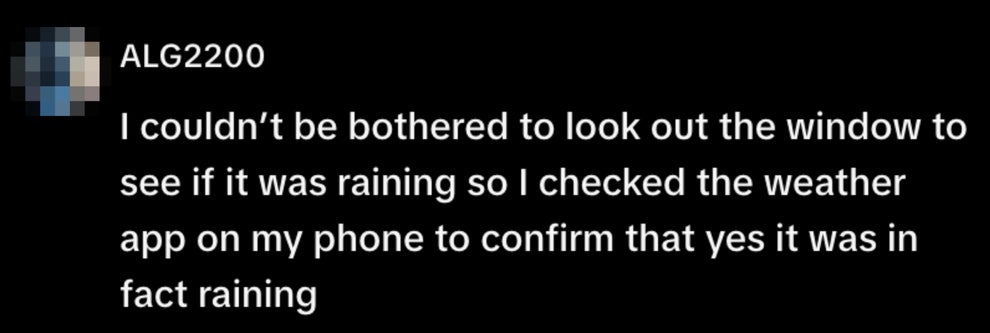
The Weather App Confirmation: In a similar display of sensory outsourcing, multiple users admitted to opening their weather applications to confirm whether it was raining outside, explicitly refusing to look out the window.
Tier 2: Culinary Chaos and Dorm-Room Engineering
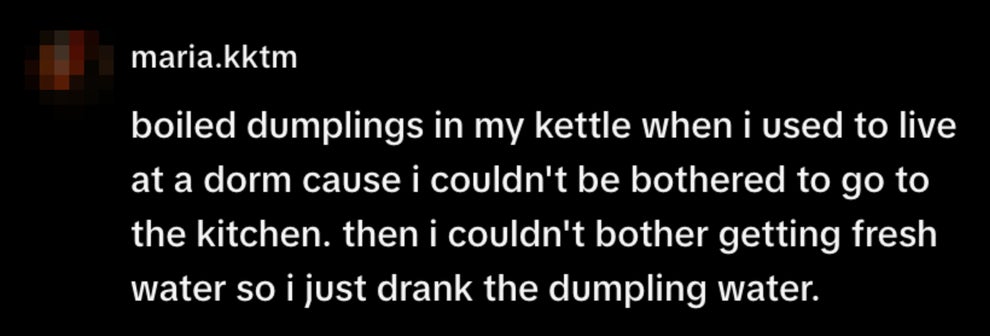
The Kettle Dumplings: One university student detailed a legendary dorm-room shortcut: boiling frozen dumplings directly inside an electric kettle, and subsequently drinking the starchy "dumpling water" straight from the spout because walking to the sink to fetch fresh water was deemed a bridge too far.
The Frying Pan Loan: Carmen E. shared a family anecdote involving her adult son, who physically drove over to her house simply to borrow a clean frying pan because he could not bear the thought of washing his own.
The Proximity DoorDash: Perhaps the ultimate indictment of modern delivery culture came from a user who admitted to ordering DoorDash from a restaurant physically located directly beneath their apartment building.
Tier 3: Domestic Depravity
The Unmade Bed Marathon: Several users confessed to sleeping without top sheets or fitted sheets for months at a time, simply because wrestling with fresh linens felt like an insurmountable athletic trial.
The Tupperware Purge: Rather than facing the biological ecosystem brewing inside a forgotten lunch container, one user routinely threw away expensive Tupperware sets to avoid the task of washing them.
The Sock Exfoliation: Klara admitted to a bizarre beauty routine born entirely of fatigue, revealing she used socks to remove her makeup every single night for a full year straight.
Official Responses and Cultural Commentary
While no formal corporate or governmental bodies have issued statements regarding the viral thread, digital culture experts and mental health professionals have weighed in on the underlying psychology of the phenomenon.
Dr. Alistair Vance, a behavioral psychologist specializing in modern lifestyle habits, notes that extreme laziness is often a symptom of chronic cognitive overload rather than a mere character flaw.
"When we look at these confessions, we are laughing at the absurdity, but we are also observing a profound collective exhaustion," Vance explains. "Modern society demands constant micro-decisions and relentless productivity. When individuals retreat into these extreme loops of energy conservation, it is often a subconscious rebellion against a world that rarely permits genuine rest."
Furthermore, social media analysts point out that the viral nature of the thread speaks to the human desire for normalization. By confessing to embarrassing shortcuts—such as eating ingredients separately to avoid assembling a sandwich, or watching a single TikTok for five minutes straight because scrolling required too much finger motion—users find solace in the shared absurdity of the human experience.
Implications: What Does Our Laziness Say About Us?
As the dust settles on Ellie Nanni’s viral prompt, the cultural implications linger. On the surface, the thread is a source of pure, unadulterated comedic relief. It reminds us that no matter how unproductive we might feel on a lazy Sunday, there is always someone out there who rented Iron Man online for £7.99 rather than standing up to retrieve the DVD they already owned.
However, beneath the humor lies a broader conversation about convenience culture. As technology continues to evolve—offering solutions for every conceivable micro-inconvenience—the threshold for what we consider "too much effort" continues to drop. When apps can deliver meals from downstairs, and satellite imagery can replace a five-second walk to the driveway, society runs the risk of outsourcing not just our labor, but our basic autonomy.
For now, though, the internet remains a collective sanctuary of shared flaws. As users continue to tag their friends, confess their deepest lazy secrets, and marvel at the ingenuity of human apathy, one thing is certain: we may be getting lazier, but we are certainly becoming much more creative in the process.

 By Sagoh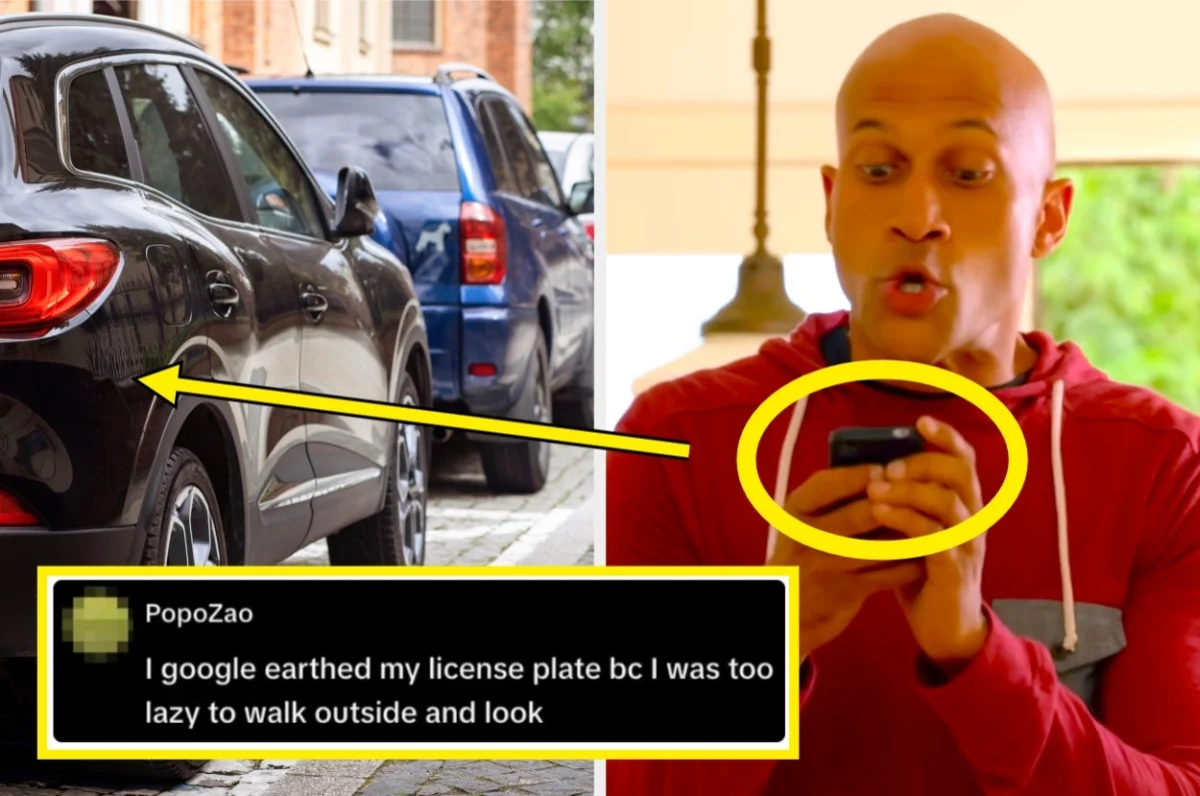







 Nana Wu
  Ali Ikhwan
  Muslim