
 By rifanmuazin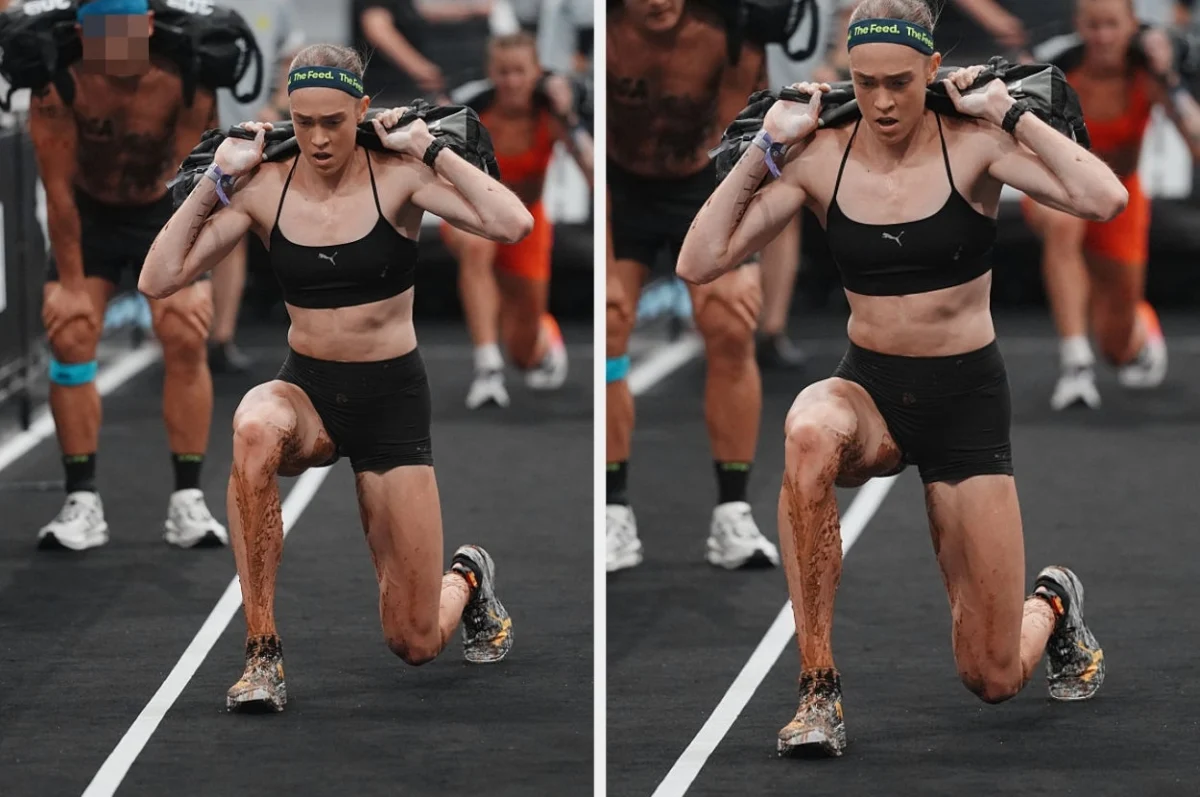
Main Facts
In the high-stakes, rapidly expanding world of competitive fitness, a line was crossed on September 12, 2026, during the HYROX international fitness race in Beijing, China. Joanna Wietrzyk, an elite Australian athlete and women’s HYROX world record holder, suffered a severe episode of acute bowel incontinence mid-race. Rather than stepping off the course, seeking immediate medical attention, or withdrawing from the competition to address the biological emergency, Wietrzyk chose to continue.
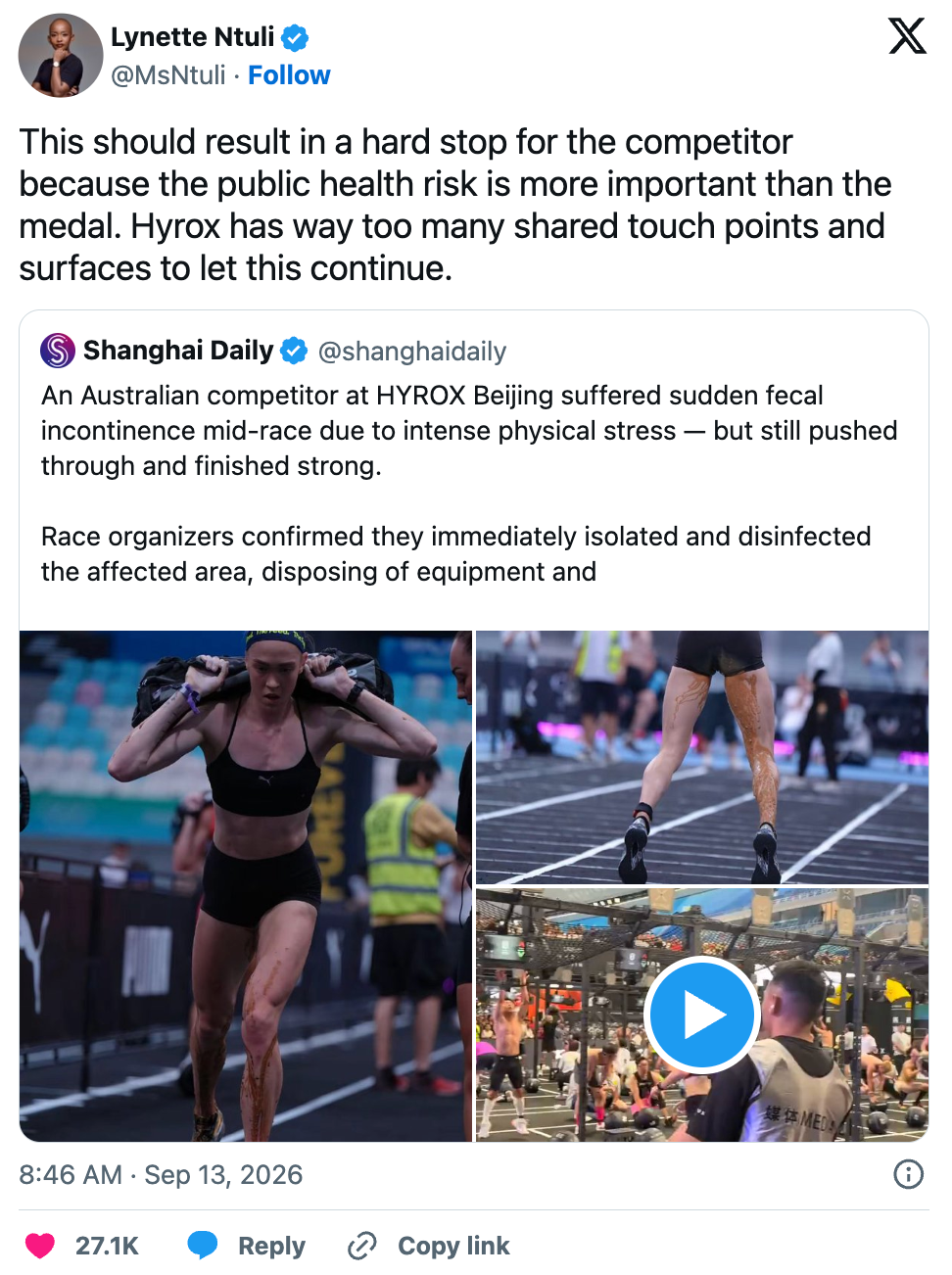
Over the course of the grueling indoor competition, she leaked explosive diarrhea across her own person, onto shared exercise equipment, and directly onto the convention center floor. Unfazed by the physical catastrophe unfolding around her, she pushed through all eight running and functional fitness circuits, ultimately crossing the finish line in first place.
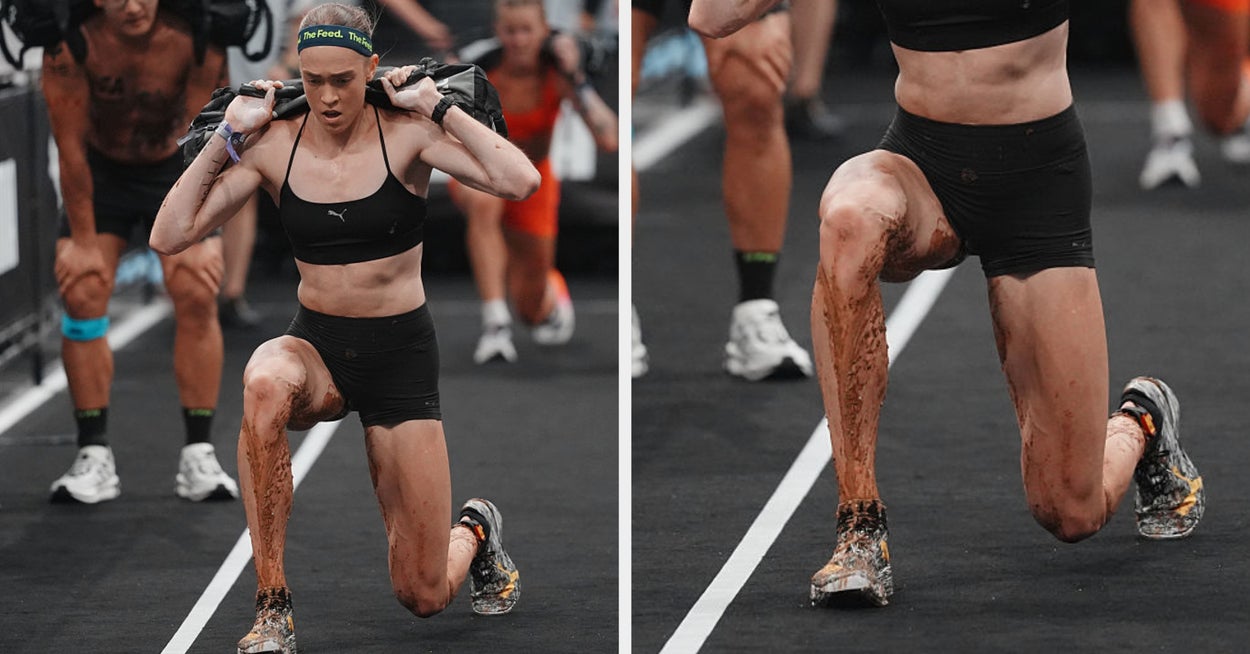
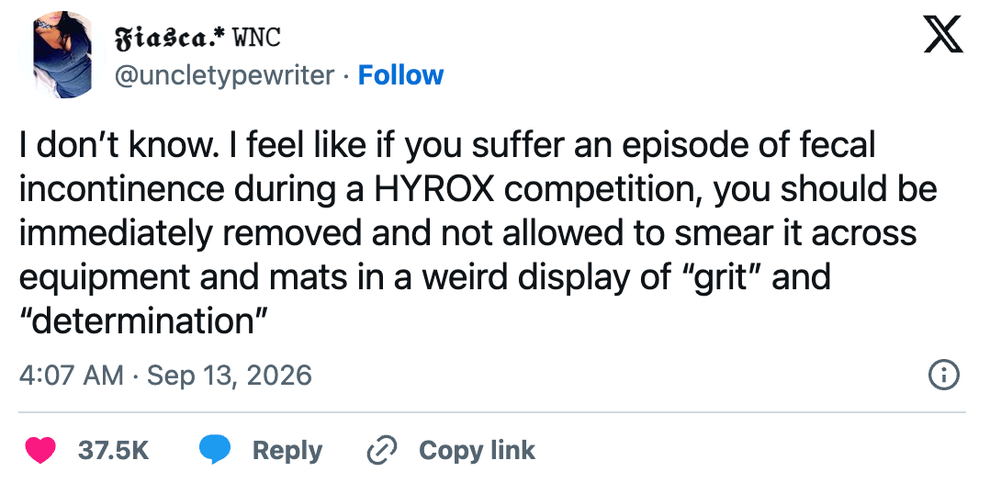
What should have been a standard celebration of athletic prowess instead exploded into a global internet controversy, christened almost immediately by social media users as "Poopgate." Photographs and accounts of the incident spread like wildfire across X (formerly Twitter), Instagram, and Reddit. The ensuing digital uproar transformed from a viral joke into a serious debate regarding sportsmanship, biohazards, event hygiene, and the ethical responsibilities of elite competitors when bodily functions go catastrophically wrong.
While exercise-induced gastrointestinal distress is a recognized, albeit unpleasant, reality in endurance sports, the decision to finish the race rather than halt participation sparked widespread outrage. Critics argued that Wietrzyk prioritized her personal glory and a gold-medal finish over the health, safety, and basic human decency owed to her fellow athletes, the event staff, and the thousands of spectators in attendance. In the wake of the public backlash, HYROX organizers were forced to issue public apologies, overhaul their rulebooks, and address glaring oversight in event safety protocols.

Chronology of Events
To understand how a single fitness race devolved into an international sanitation scandal, it is necessary to examine the timeline of September 12, 2026, in Beijing.
Pre-Race and Early Stages
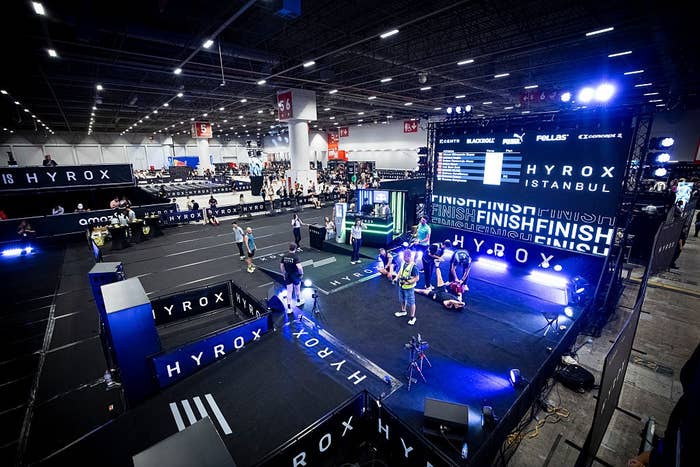
The event began like any other major HYROX competition. Held inside a sprawling convention center packed with thousands of competitors and spectators, the atmosphere was charged with competitive energy. Wietrzyk, known for her phenomenal stamina and world-class status, set a blistering pace early on.

The Onset of Distress
Sources and race-day observations indicate that the gastrointestinal emergency struck midway through the multi-stage competition. Exercise-induced bowel incontinence—often triggered by high-impact running combined with heavy abdominal loading during functional movements—hit Wietrzyk suddenly. Rather than halting her progress to utilize the nearby restroom facilities or medical tents, she continued running and engaging with functional workout stations.
The Course and the Contamination
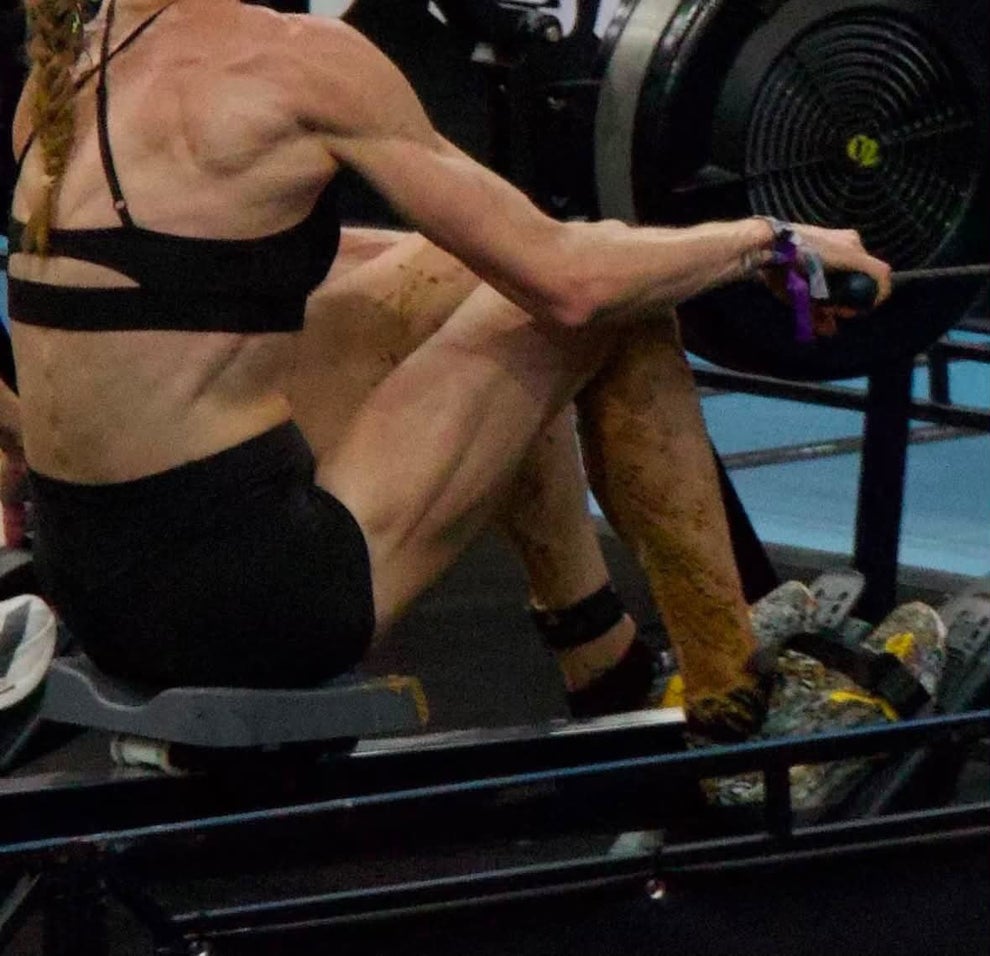
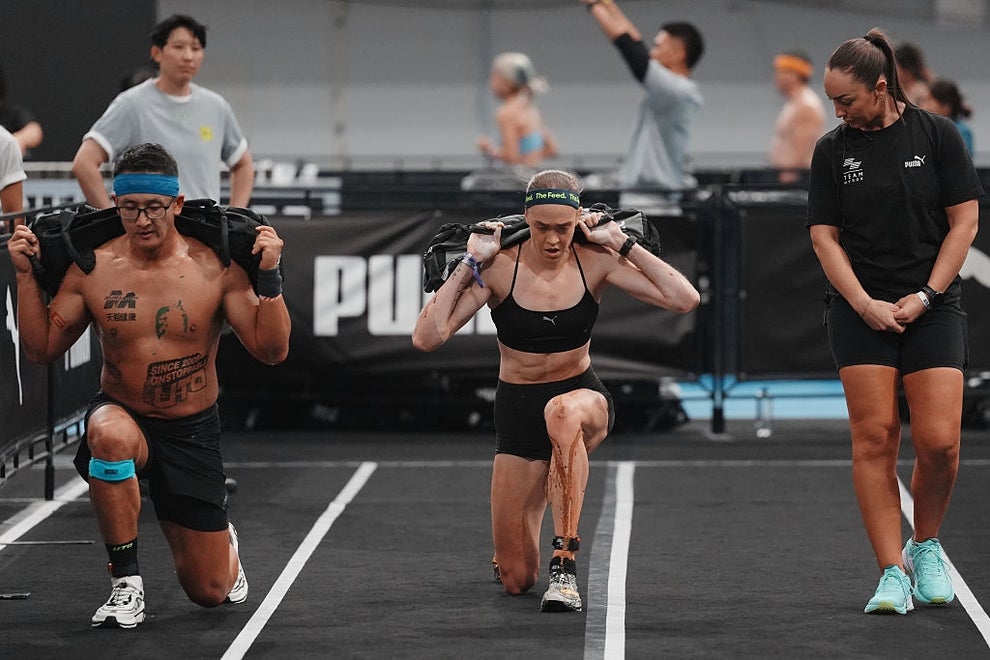
HYROX events require competitors to alternate between one-kilometer runs and eight distinct functional strength stations, which include rowing machines, ski ergs, sled pushes, sled pulls, burpee broad jumps, farmer’s carries, sandbag lunges, and wall balls. As Wietrzyk progressed through the latter half of the race, the physiological fallout became impossible to ignore. Witnesses and photographic evidence confirmed that bodily waste was deposited onto the running track, the physical surfaces of the convention floor, and shared apparatuses such as the rowing machines and sled handles.
Crossing the Finish Line
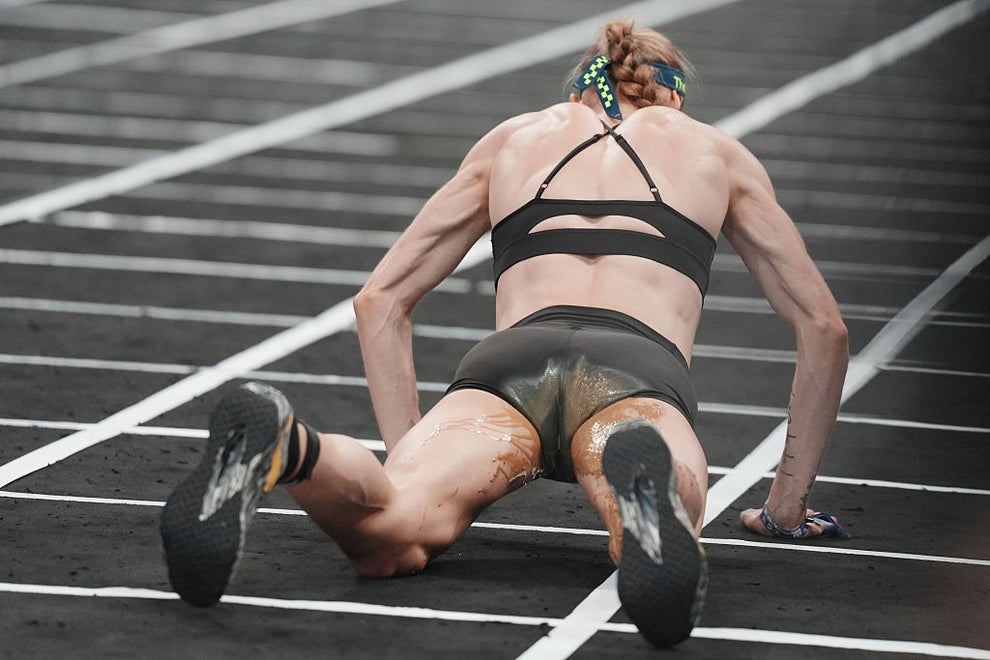
Despite the escalating biohazard, race marshals did not intervene, and Wietrzyk did not pull out. She completed the final circuit, crossed the finish line, and was recorded as the first-place finisher in her division. Following the race, she reportedly posted a now-deleted image to her Instagram story from a medical setting, accompanied by the defiant caption, "a win is a win."
The Viral Fallout
Within hours, images and insider accounts of the incident leaked online. The internet reacted with a mixture of horror, dark humor, and intense indignation. By September 14, hashtags related to the Beijing race were trending globally, forcing event organizers to take emergency action.
Supporting Data: The Anatomy of HYROX and Exercise-Induced GI Distress
To contextualize the incident, one must examine both the unique structural nature of HYROX competitions and the physiological science behind athletic gastrointestinal issues.
What is HYROX?
Founded in Germany, HYROX has quickly snowballed into a global fitness phenomenon. Described as the "marathon for fitness," it standardizes indoor racing worldwide. Unlike CrossFit, which features constantly varied functional movements, or traditional marathons, which consist solely of running, HYROX is identical in every city it visits.
A standard race format requires participants to complete:
- 1 km run
- 1 km SkiErg
- 1 km run
- 50m Sled Push
- 1 km run
- 50m Sled Pull
- 1 km run
- 80m Burpee Broad Jumps
- 1 km run
- 1,000m Rowing
- 1 km run
- 200m Farmers Carry
- 1 km run
- 100m Sandbag Lunges
- 1 km run
- 100 Wall Balls
Events typically draw between 3,000 and 5,000 athletes per day, accompanied by massive crowds of spectators, creating a dense, high-traffic environment where hygiene is paramount.
The Science of Runner’s Diarrhea
Medical literature confirms that gastrointestinal distress is a very real, albeit taboo, phenomenon in endurance sports. Studies published in medical journals (such as the National Center for Biotechnology Information) note that up to 30% to 50% of endurance athletes experience varying degrees of GI symptoms during competition.
The primary drivers include:
- Mechanical Bouncing: The repetitive jarring motion of running causes mechanical trauma to the intestinal tract.
- Blood Flow Redistribution: During intense exertion, blood is shunted away from the gastrointestinal tract and redirected to working skeletal muscles and the skin for cooling. This ischemia (lack of blood flow) can compromise the intestinal lining, leading to cramping, urgency, and sudden incontinence.
- Nervous System Activation: High-stress "fight or flight" responses can accelerate bowel motility drastically.
While medical professionals understand that such incidents are physiological accidents rather than intentional malice, the sports science community generally draws a hard line at the point of contagion. Once an athlete becomes a vector for biohazardous waste in a public, shared space, medical protocol usually dictates immediate withdrawal.
Official Responses and Institutional Accountability
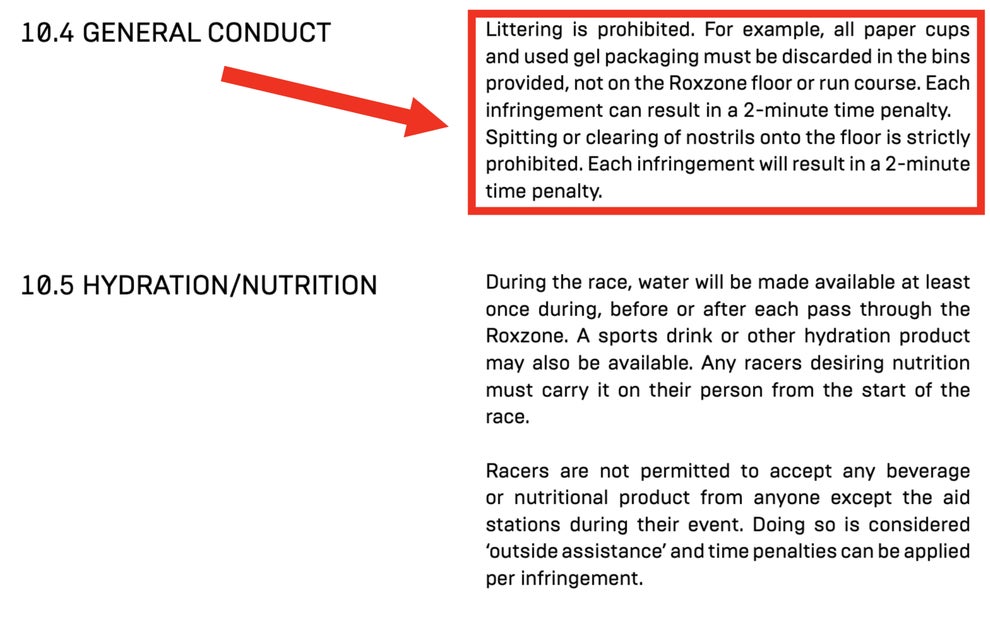
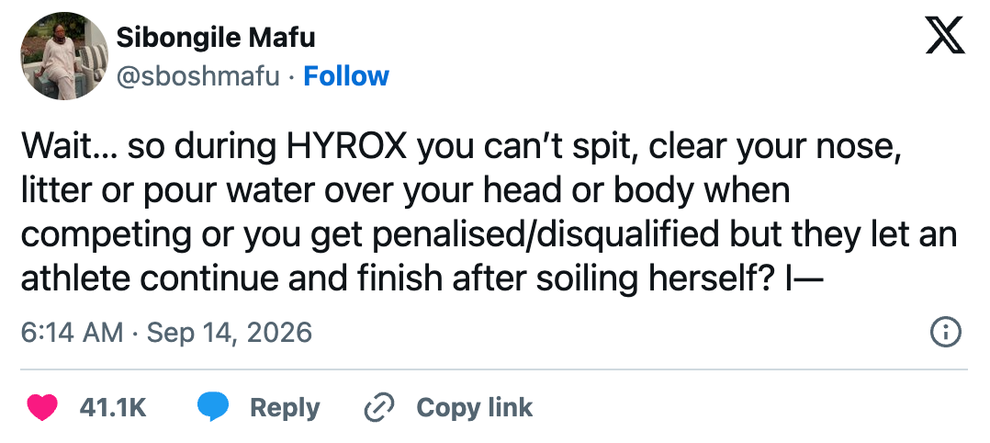
The backlash was not merely directed at Wietrzyk; it quickly turned toward HYROX management for failing to intervene in real-time. Social media users flooded official channels, questioning why strict penalties existed for minor infractions—such as a two-minute penalty for spitting or clearing nostrils onto the floor—while gross biological contamination went completely unchecked by course judges.
The Co-Founder’s Apology
In response to the public outcry, HYROX co-founder Moritz Fürste and the official corporate accounts released public statements via Instagram. Fürste addressed the handling of the event in China directly, offering a formal apology to the athletic community, spectators, and participants.
The organization acknowledged that race officials and floor marshals failed to exercise appropriate judgment. They admitted that allowing a visibly compromised athlete to continue interacting with shared equipment and public spaces represented an unacceptable lapse in safety protocols.

Rulebook Overhauls
To stem the tide of criticism and restore faith in the brand’s sanitation standards, HYROX announced immediate, sweeping updates to its official rulebook. The revised regulations introduce explicit protocols for medical emergencies involving biological contamination:
- Section 12.3 ("Did Not Finish" / Medical Intervention): Clarifies that athletes experiencing severe medical issues—including acute gastrointestinal failure or incontinence—must be immediately directed to medical staff and removed from active competition to protect public health.
- Section 12.4 (Disqualification Parameters): Empowers race referees to immediately disqualify or halt any competitor whose continued participation poses a direct biological hazard to other athletes or contaminates shared event infrastructure.
Despite these institutional changes, HYROX has remained tight-lipped regarding Wietrzyk’s long-term competitive status. As of publication, no official announcement has been made regarding whether she will face a suspension or a permanent ban from future international HYROX events.
Implications for the Fitness Industry
The "Poopgate" scandal of September 2026 has sent shockwaves through the broader fitness and obstacle course racing (OCR) communities, leaving several long-term implications in its wake.
1. Re-evaluating the "Win at All Costs" Mentality
For decades, endurance sports culture has romanticized the "pain cave"—the psychological space where athletes push past severe physical suffering to achieve greatness. Stories of runners finishing marathons with stress fractures, dehydration, or sheer exhaustion are often celebrated as triumphs of human willpower.

However, the Beijing incident forces a necessary cultural pivot. Observers and athletes alike are drawing a sharp distinction between personal suffering and public endangerment. Pushing through a sprained ankle is a personal risk; leaking infectious waste across shared gym equipment used by thousands of others is a public safety violation. The consensus emerging from the fitness community is that grit stops where public health hazards begin.
2. Heightened Sanitation Standards at Indoor Events
Convention centers hosting large-scale fitness events are now under intense scrutiny regarding sanitation cycles. While participants have long joked about the cleanliness of communal gym equipment, the visual reality of "Poopgate" has permanently altered how competitors view shared apparatuses like rowing handles, kettlebells, and sled ropes. Expect future HYROX events to implement more aggressive mid-race sanitization protocols, mandatory health screening pauses, and more accessible, strategically placed medical and restroom checkpoints along the course.
3. Athlete Accountability and Social Media Backlash
The incident also highlights the unforgiving nature of modern social media accountability. Wietrzyk’s decision to delete her defiant "a win is a win" Instagram post demonstrates the immediate power of digital public shaming. In an era where every square inch of a major sporting event is captured on camera by spectators and media crews, athletes can no longer rely on privacy when handling bodily mishaps.
Conclusion
Ultimately, the HYROX Beijing incident will go down in fitness history as one of the most bizarre and unsanitary spectacles ever broadcast online. While Joanna Wietrzyk secured her first-place medal on paper, the victory remains permanently tainted by the fallout of a severe lapse in health etiquette. As HYROX tightens its rulebooks and the fitness world continues to process the sheer grossness of "Poopgate," the event serves as a permanent, albeit unpleasant, reminder: sometimes, the bravest—and most courteous—thing an athlete can do is simply walk away.
 Nana Wu
  Ali Ikhwan
  Muslim