
 By Ali Ikhwan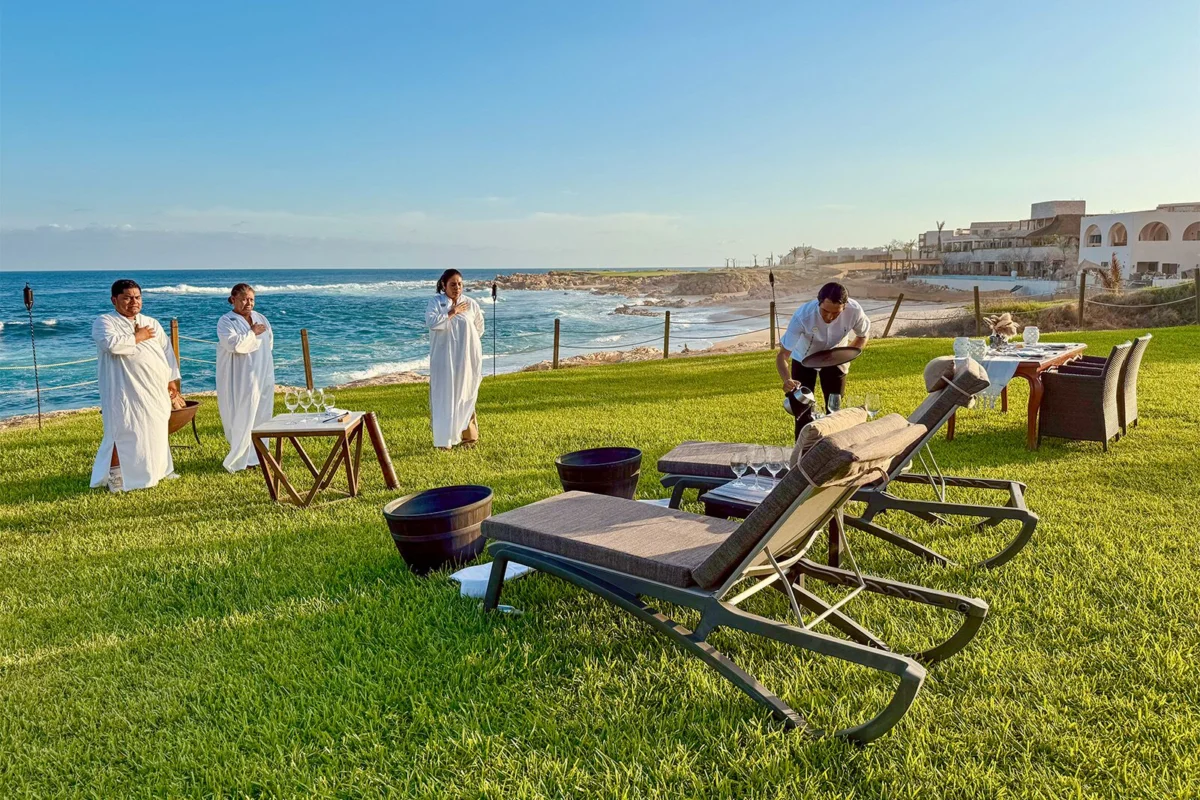
Main Facts: A New Paradigm of All-Inclusive Travel
The landscape of luxury travel is undergoing a quiet revolution. Moving beyond the standard "unlimited buffet and poolside lounge" model, the Grand Fiesta Americana Los Cabos is pioneering a sensory-first approach to hospitality. By prioritizing immersive, experiential programming over passive consumption, the resort invites guests to engage with Baja California Sur through a heightened palette of taste, sound, and touch.
The resort, a cornerstone of the Los Cabos hospitality scene, serves as a backdrop where the rugged beauty of the Sea of Cortez meets a sophisticated, culinary-driven culture. This is not merely a vacation destination; it is an orchestrated sensory journey. From "Dining in the Dark" experiences that challenge the palate to ancestral spirit trails and traditional harvest rituals, the property has successfully shifted the focus of the all-inclusive experience from convenience to curation.
Chronology: A Four-Day Sensory Odyssey
Day One: The Arrival and the Unseen Feast
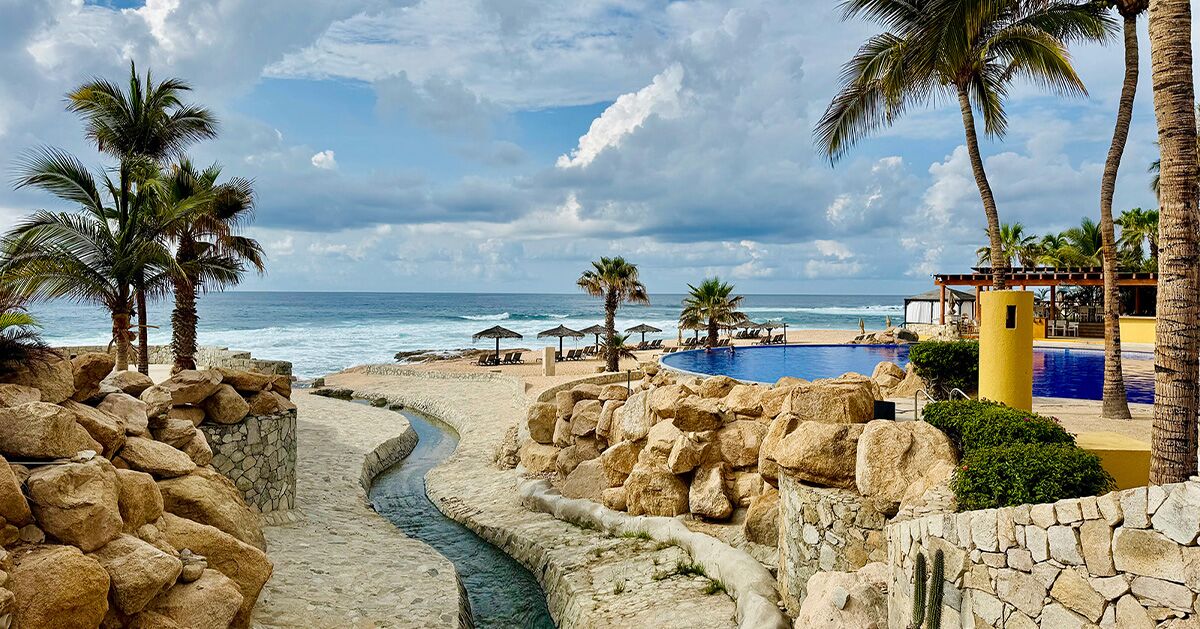
Upon check-in, the immediate impression is one of deliberate aesthetic balance. The architecture frames the cerulean blue of the ocean against the desert’s cacti green and tropical magenta. The transition from travel fatigue to relaxation is facilitated by a seamless welcome, marked by a salt-rimmed margarita—the first of many local flavor profiles to be explored.
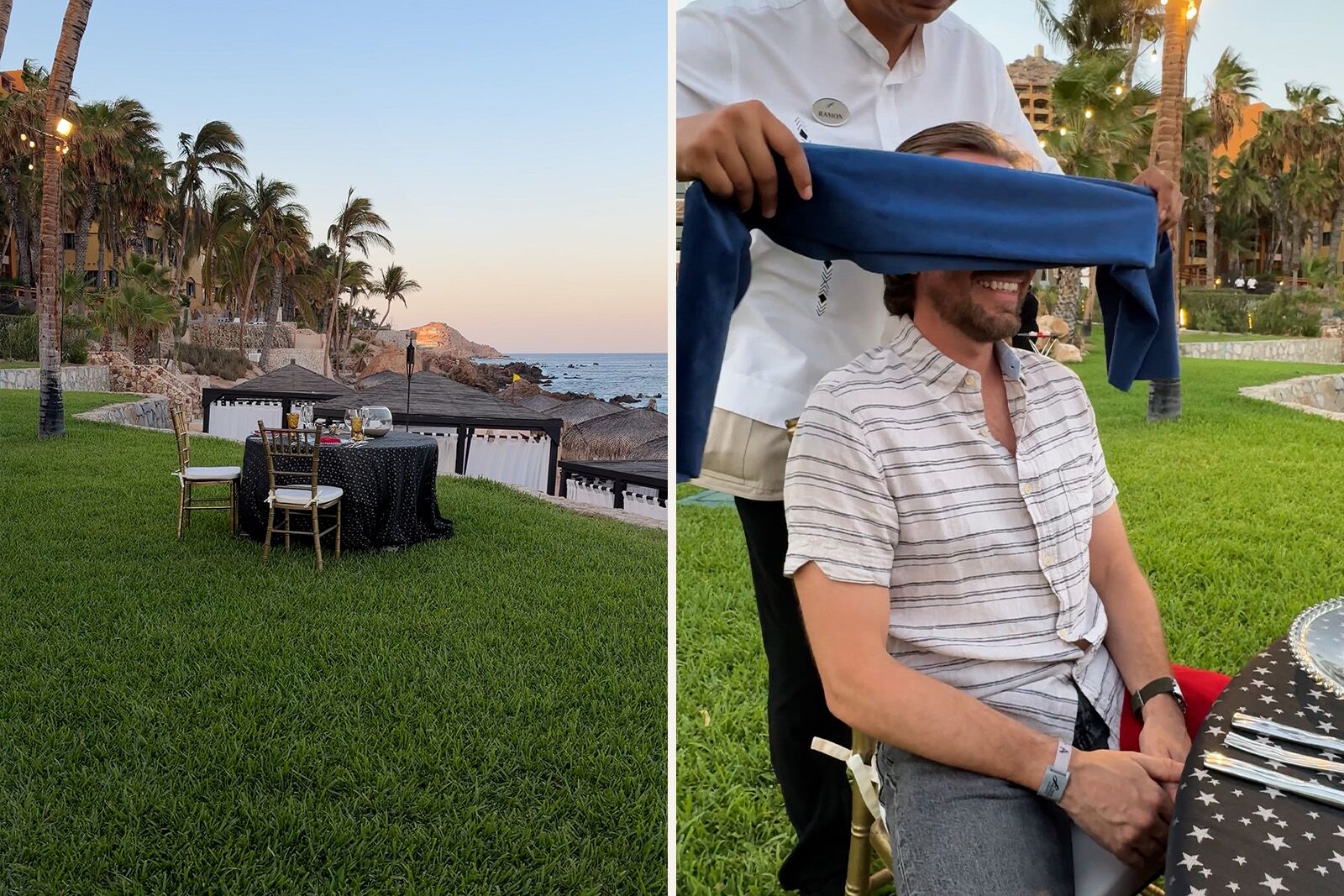
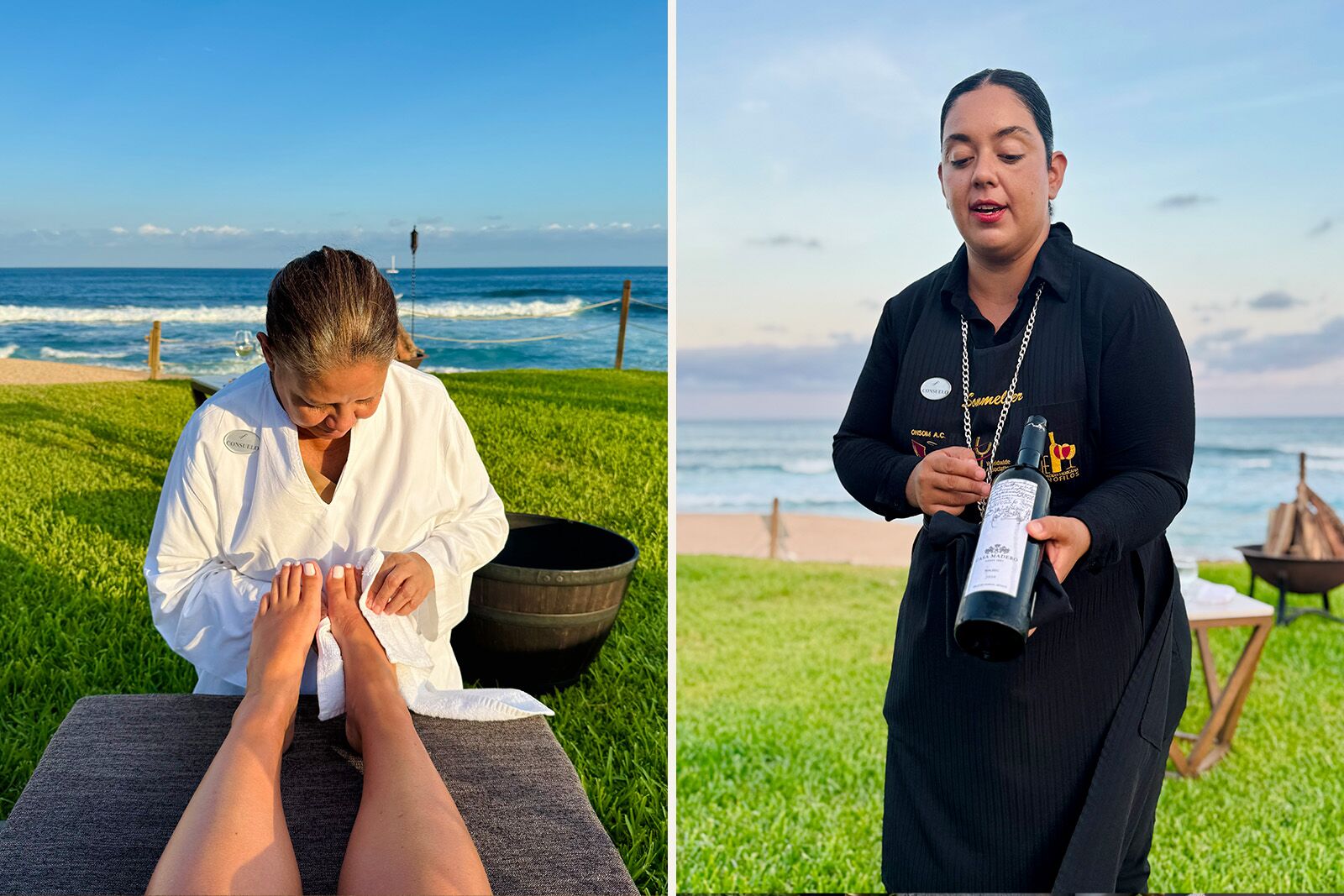
The highlight of the arrival was the "Dining in the Dark" experience. Set against the backdrop of the golden hour, guests are led to a cliffside table before being blindfolded. This sensory deprivation forces a radical shift in focus; as the visual world disappears, the olfactory and gustatory senses surge to the forefront. Under the guidance of Chef Irving and sommelier Consuelo, a five-course meal—featuring sea bass, short rib, and intricate desserts—becomes a puzzle to be solved. Each wine pairing is not just a drink, but a narrative, with Consuelo expertly explaining the chemical and historical relationship between the pour and the plate.
Day Two: The Rhythms of the Coast
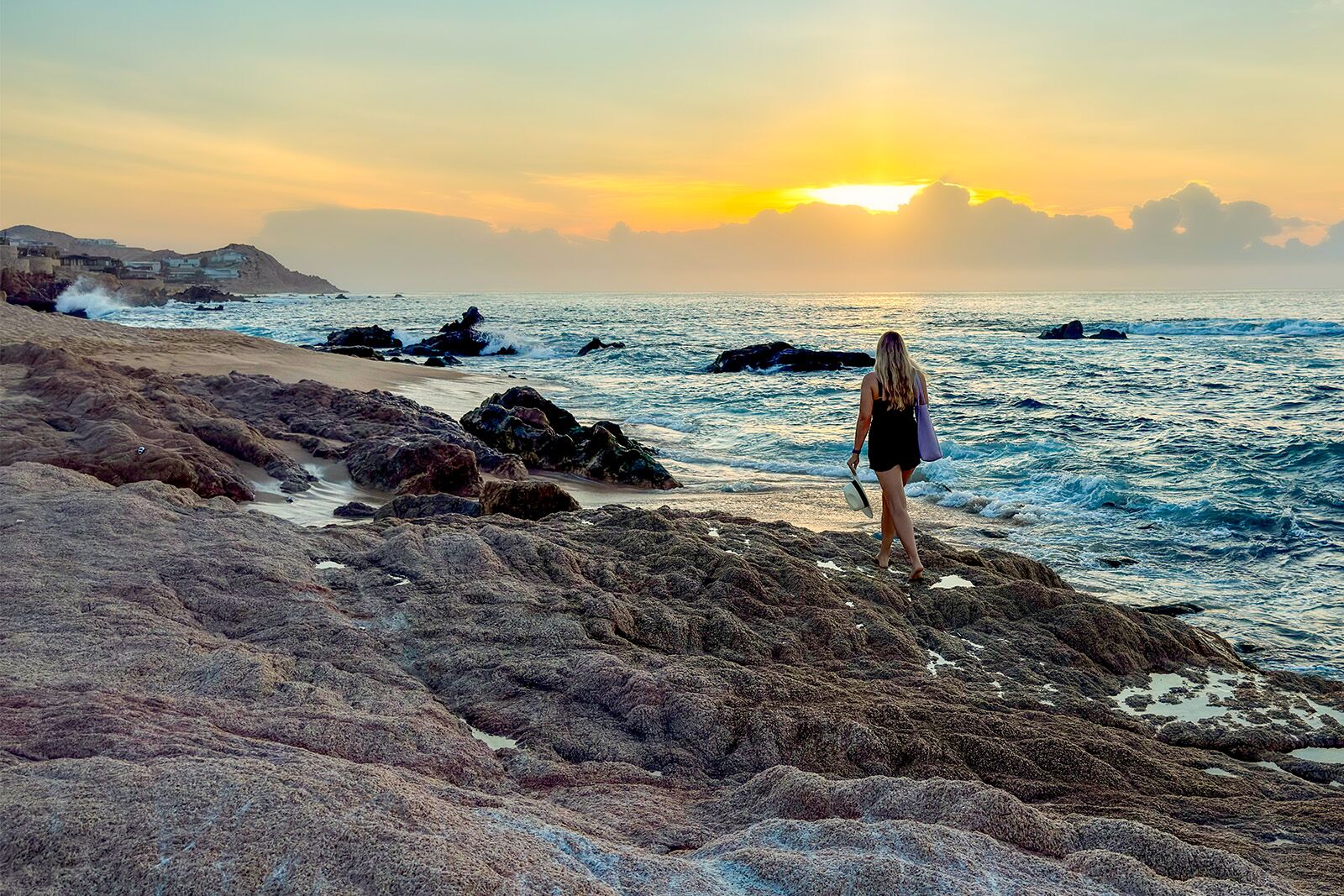
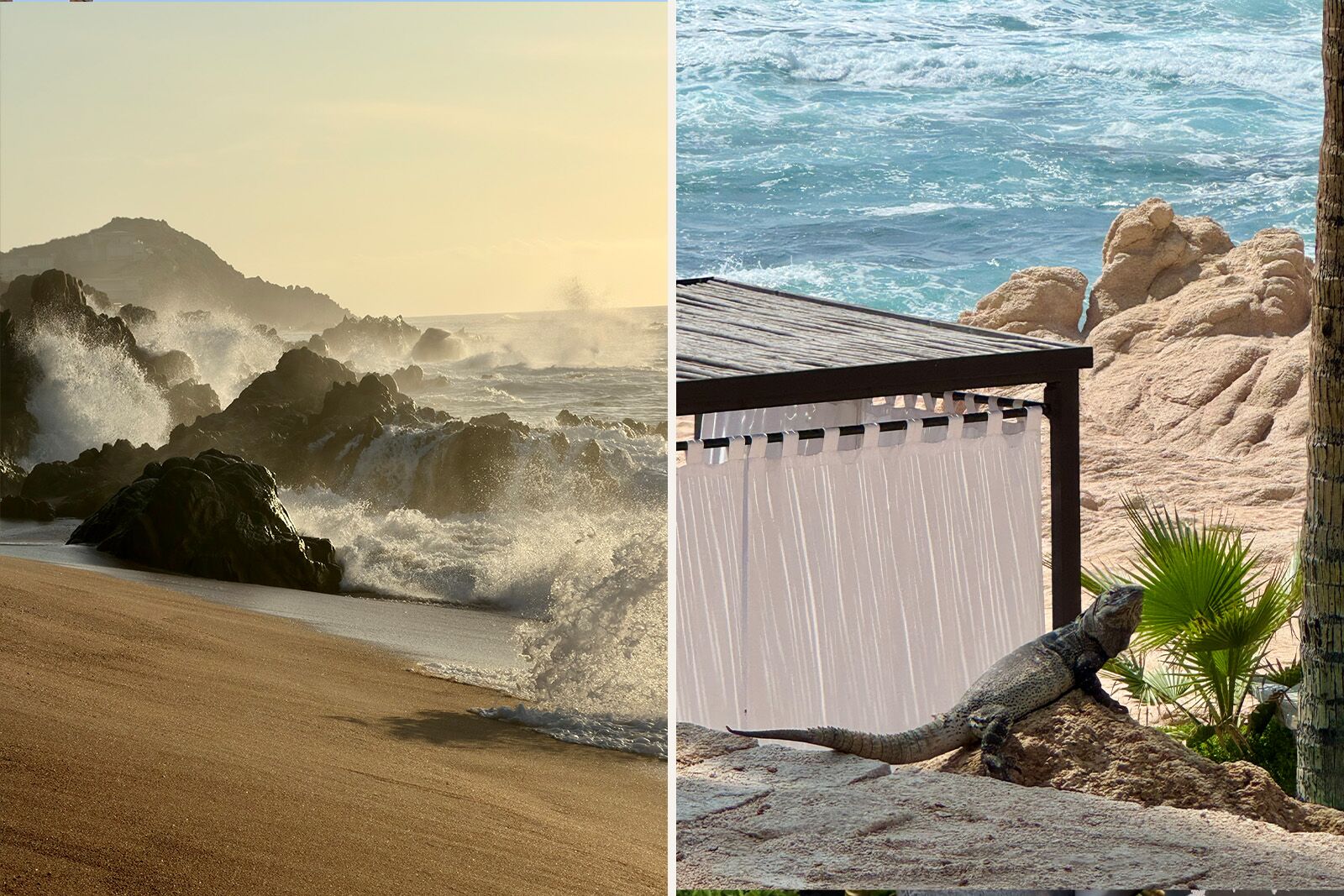
The second day focused on the natural environment. The morning ritual of watching the sunrise over the Sea of Cortez—observing the local crab population and the dramatic rock formations—sets a meditative tone. Lunch at La Cevichería offered a masterclass in regional simplicity, with fresh aguachile and lime-drenched fish tacos providing a vibrant counterpoint to the desert heat. The afternoon was dedicated to the balance of the resort’s multifaceted pools, providing a quiet, rhythmic counter-balance to the intensity of the previous evening’s gastronomic challenges.
Day Three: The Ancestral Spirits Trail
As the trip progressed, the focus shifted from global flavors to indigenous roots. The "Ancestral Spirits Trail," hosted by local expert Ivonne, challenged the common misconception that Mexican spirits are synonymous only with tequila and mezcal. Participants were guided through a tasting of bacanora, raicilla, and sotol.
The education surrounding sotol was particularly enlightening; as a spirit distilled from a desert plant rather than agave, its history—marked by decades of prohibition and eventual legalization in 1994—provided a profound cultural anchor for the evening. The subsequent dinner at El Mexicano furthered this theme, with tableside guacamole preparation and a chocolate tamale featuring guajillo chile, proving that traditional Mexican ingredients possess a complexity that rivals the world’s most refined cuisines.
Day Four: Wellness and the Harvest Ritual
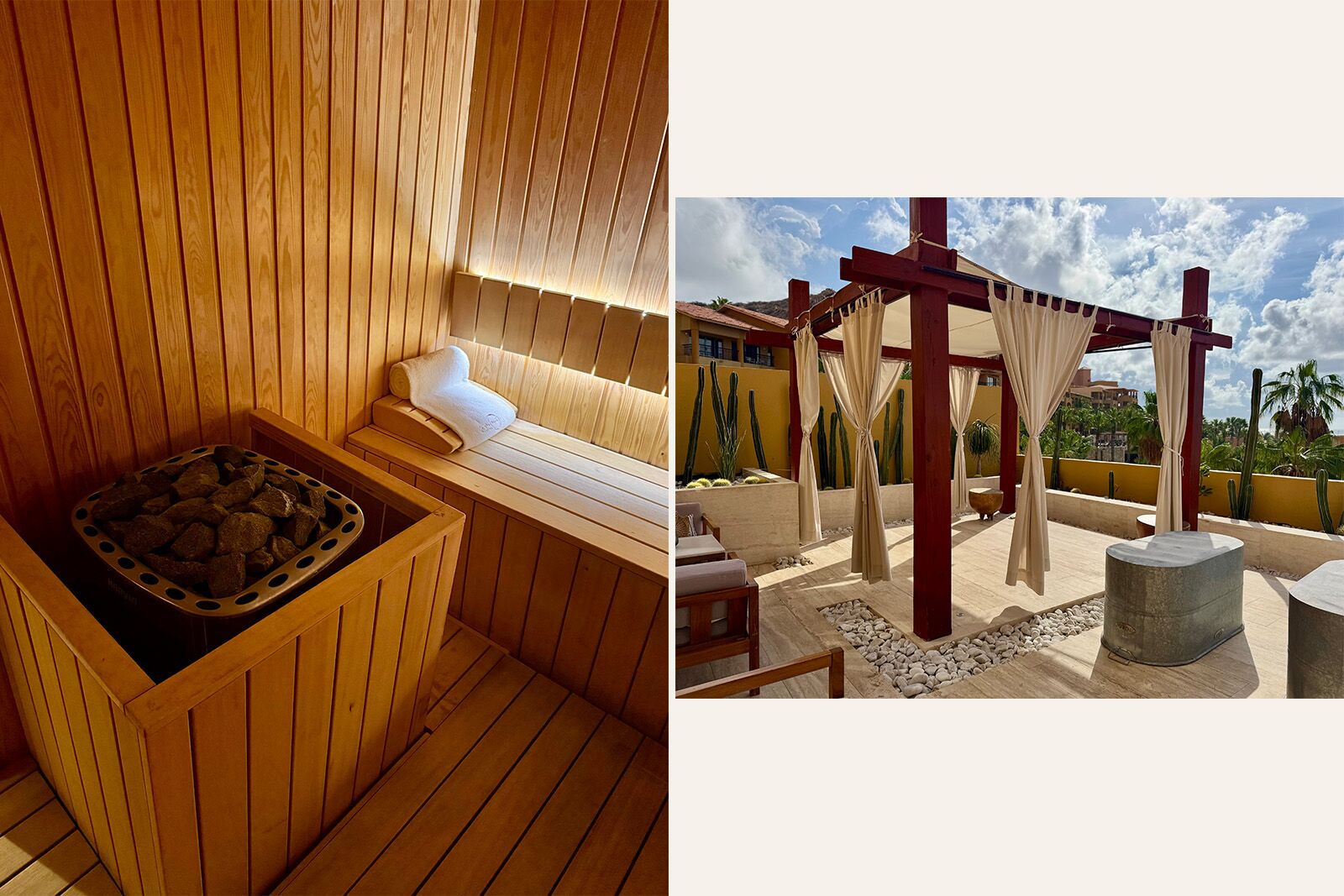
The final day blended physical restoration with cultural participation. A morning wellness meditation on the rooftop terrace, followed by a treatment at the SOMMA WineSpa, offered a necessary period of introspection. The spa’s design, mimicking a sophisticated wine cellar, provides a serene, scent-rich environment (tangerine notes were prevalent) that acts as a detox from the richness of the previous days.
The finale was the "Harvest Ritual," a visceral, grounded experience where guests step into buckets of grapes to mark the beginning of the harvest season. This tactile connection to the land served as the perfect bookend to the trip, bridging the gap between the guest and the regional agricultural traditions.
Supporting Data: The Science of Sensory Gastronomy
The success of the Grand Fiesta Americana’s programming relies on the psychological principle of sensory compensation. When one sense is dampened—such as sight during the "Dining in the Dark" event—the brain redirects resources to the remaining senses, particularly taste and smell.
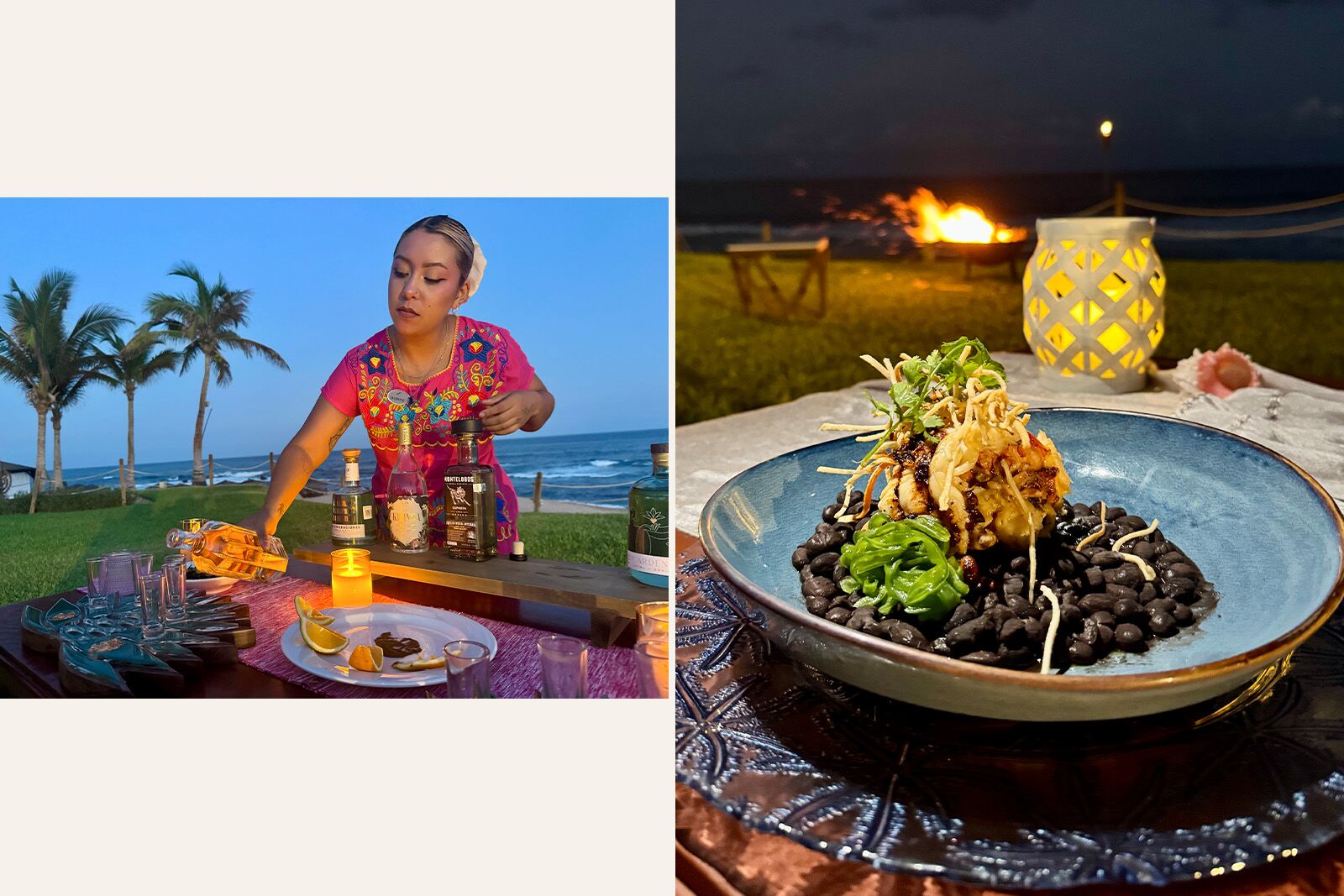
- Palate Development: By pairing spirits like bacanora with specific, sharp-flavored bites (beef jerky, citrus, jicama), the resort utilizes the "contrast effect," where the spirit’s flavor profile is altered and enhanced by the accompanying food.
- Cultural Contextualization: According to resort staff, 85% of guests report a higher satisfaction rate when provided with the historical backstory of their meal, moving the experience from "eating" to "learning."
- Environmental Impact: The use of local ingredients like sea bass and desert-grown agave reflects a commitment to the regional supply chain, reducing the carbon footprint of the resort’s culinary operations.
Official Perspectives: The Philosophy of Connection
The staff at the Grand Fiesta Americana—including guides like Lucía, Itzae, and the various culinary leads—consistently emphasize that true luxury is not found in thread counts or marble floors, but in human connection.
"When you leave a place, you may not remember every specific detail," says Lucía, a sentiment echoed by the resort’s management. "But you will always remember the feeling of being guided through a culture by someone who cares deeply about it."
This philosophy underpins every interaction. The sommelier, Consuelo, views her role as an educator rather than a service provider, pushing guests to trust their own instincts. This empowerment is the core of the resort’s hospitality model: they aren’t just serving a product; they are facilitating a personal discovery.
Implications for Future Travel
The trend of "elective sensory deprivation" and hyper-localized education in travel signals a shift in the expectations of the modern luxury traveler. The demand is moving away from generic, high-end comfort toward "transformative travel."
- Educational Integration: Future all-inclusive resorts will likely need to integrate more educational components to remain competitive. Guests are increasingly seeking "intellectual souvenirs"—knowledge of wine, local history, or traditional crafts—alongside physical relaxation.
- The Rise of Ritual: Experiences like the "Harvest Ritual" demonstrate that guests are eager to participate in, rather than just observe, local customs. This creates a deeper emotional bond with the destination.
- Wellness beyond the Spa: Wellness is no longer confined to massage tables. It is being redefined as a holistic state achieved through a combination of meditation, clean eating, and a connection to the natural landscape, as seen in the rooftop meditation sessions at the resort.
Ultimately, the Grand Fiesta Americana Los Cabos has proven that the most effective way to elevate a travel experience is to strip away the distractions of modern life. By forcing a focus on the present—whether through a blindfolded meal or the feeling of grapes underfoot—the resort creates a lasting imprint that goes far beyond the standard vacation. In a world that is increasingly noisy and visually cluttered, the luxury of slowing down to truly taste, hear, and feel a destination is the ultimate amenity.
 Nila Kartika Wati
  Basiran
  Raul Delapena Setiawan