
 By Nila Kartika Wati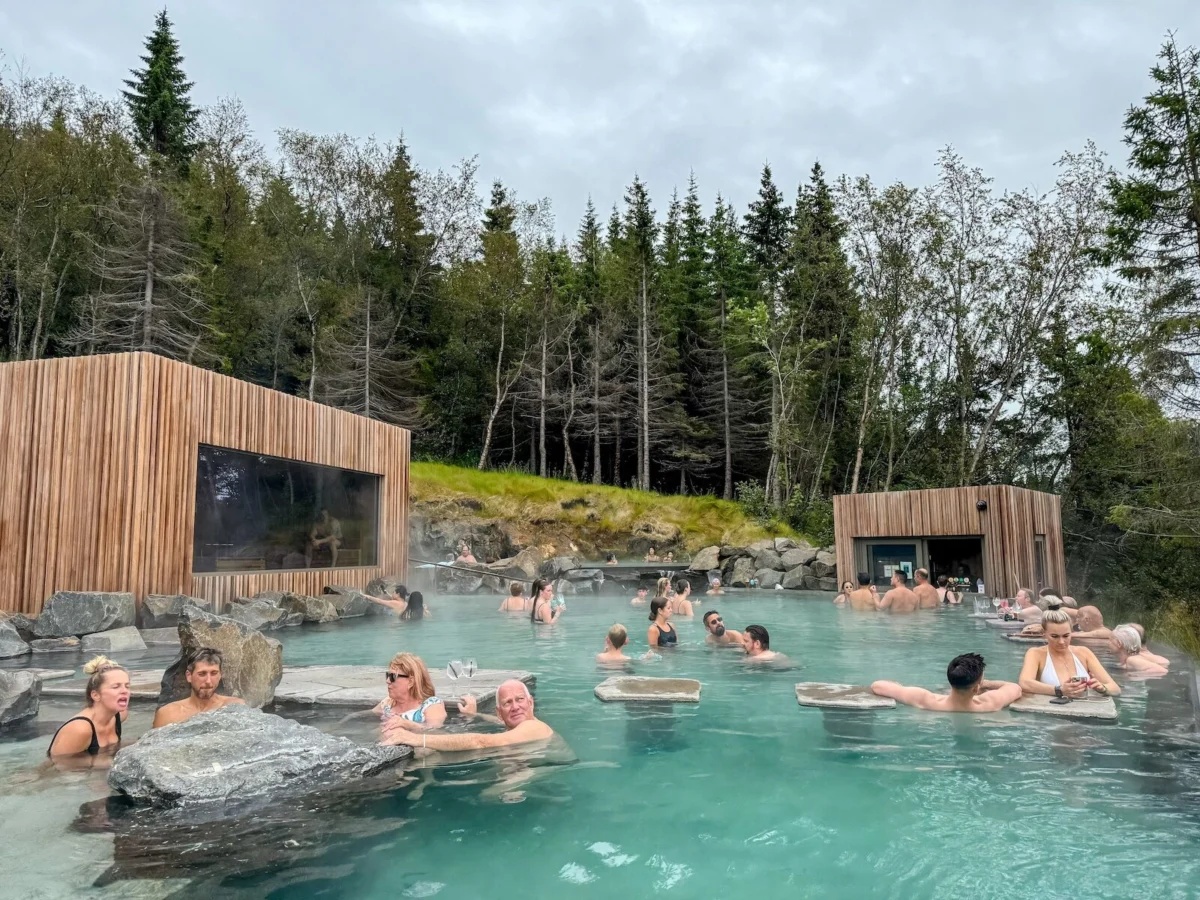
This article first appeared on Matador Network’s behind-the-scenes Substack newsletter, where our editorial team shares the inside dirt on being professional travelers.
For many, the dream of a trip to Iceland involves visions of the Aurora Borealis, dramatic black-sand beaches, and the soothing, milky-blue waters of geothermal spas. Yet, there is a specific rite of passage that often catches international travelers off guard—a ritual that has nothing to do with the landscape and everything to do with the human form.
Before you can dip into the thermal warmth of a public lagoon, you must partake in the mandatory, communal pre-soak shower. This isn’t a quick rinse in a private stall; it is a fully nude, open-air affair. For those raised in cultures where body shame is internalized early, the prospect of standing stark naked in front of strangers—or worse, professional acquaintances—can be paralyzing. But as I learned during a trip to Northern Iceland in March 2026, this tradition is not just a hygiene rule; it is perhaps the most radical act of body acceptance one can experience.
The Hygiene Protocol: Understanding the “Why”
To understand the cultural friction many tourists feel, one must first understand the logic behind the Icelandic bathing tradition. In Iceland, geothermal pools are not merely tourist attractions; they are the equivalent of the local town square. Because these pools are largely untreated with harsh chemicals like chlorine, maintaining water purity is a collective responsibility.
The requirement is absolute: every guest must wash thoroughly with soap and water, sans swimsuit, before entering the water. In countries like Switzerland or Italy, this often happens in private stalls. In Japan’s onsen culture, the modesty of a small towel is a common buffer. In Iceland, however, the showers are communal and open. There is no hiding. This clinical, matter-of-fact approach to hygiene is designed to protect the water quality for everyone, ensuring that the communal space remains a sanctuary for all.
A Personal Reckoning with Modesty
My own apprehension was rooted in a upbringing that equated nudity with moral failing. As a pastor’s kid raised in the American South, my relationship with my body was defined by “purity” standards that mandated excessive coverage, even at church camp. That shame followed me into adulthood, manifesting in a visceral discomfort during my first gynecological exams and a persistent, nagging need for privacy.
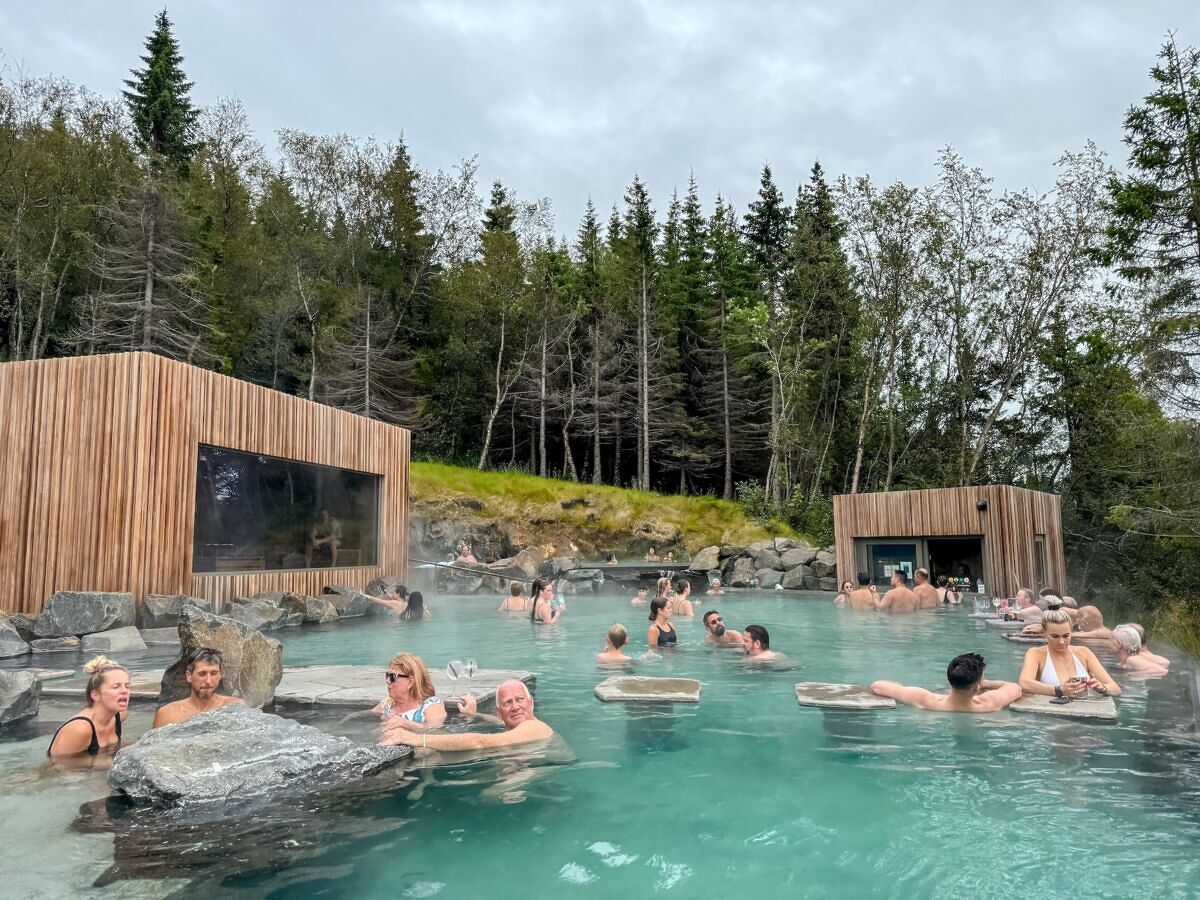
When I arrived at a geothermal facility in Akureyri, I was traveling with a group of fellow journalists and local hosts. Standing in the locker room, surrounded by women of varying ages, sizes, and backgrounds, I felt the familiar weight of self-consciousness. I had recently been using an at-home laser hair removal device, which leaves the skin in a patchy, "cheetah-print" state as hair sheds. To me, this was a defect to be hidden. To the Icelandic women around me, it was simply skin.
As I attempted to make my shower as brief and inconspicuous as possible, a local host—a glowing, pregnant woman—gently corrected me. She didn’t just suggest I wash better; she provided a masterclass in self-care. “Don’t forget under the boob,” she reminded me with a warm laugh. She explained that for Icelandic women, the shower is an opportunity to check in with one’s own body. Grandmothers would casually stretch their legs onto benches to scrub every fold, utterly unbothered by the presence of others. In that moment, the barrier of shame began to dissolve.
Supporting Perspectives: Why Nudity is a Cultural Anchor
The Icelandic perspective on nudity is deeply practical. My host explained that the normalization of the naked body is a deliberate, albeit unconscious, public health strategy. By seeing bodies in all their forms—sagging, scarred, cellulite-ridden, and changing—from childhood, Icelanders develop a level of body literacy that is rare in the West.
When we are bombarded by airbrushed social media images, we lose sight of what a “normal” body looks like. Public bathing areas serve as an antidote to this distortion. They provide a space where a woman’s body is not a sexual object or a source of anxiety, but simply a vessel for existence. For young girls, seeing women of all ages enjoying the water is a powerful lesson: you do not need to be "perfect" to belong in public spaces.
The Social Implications: The Pool as a Community Hub
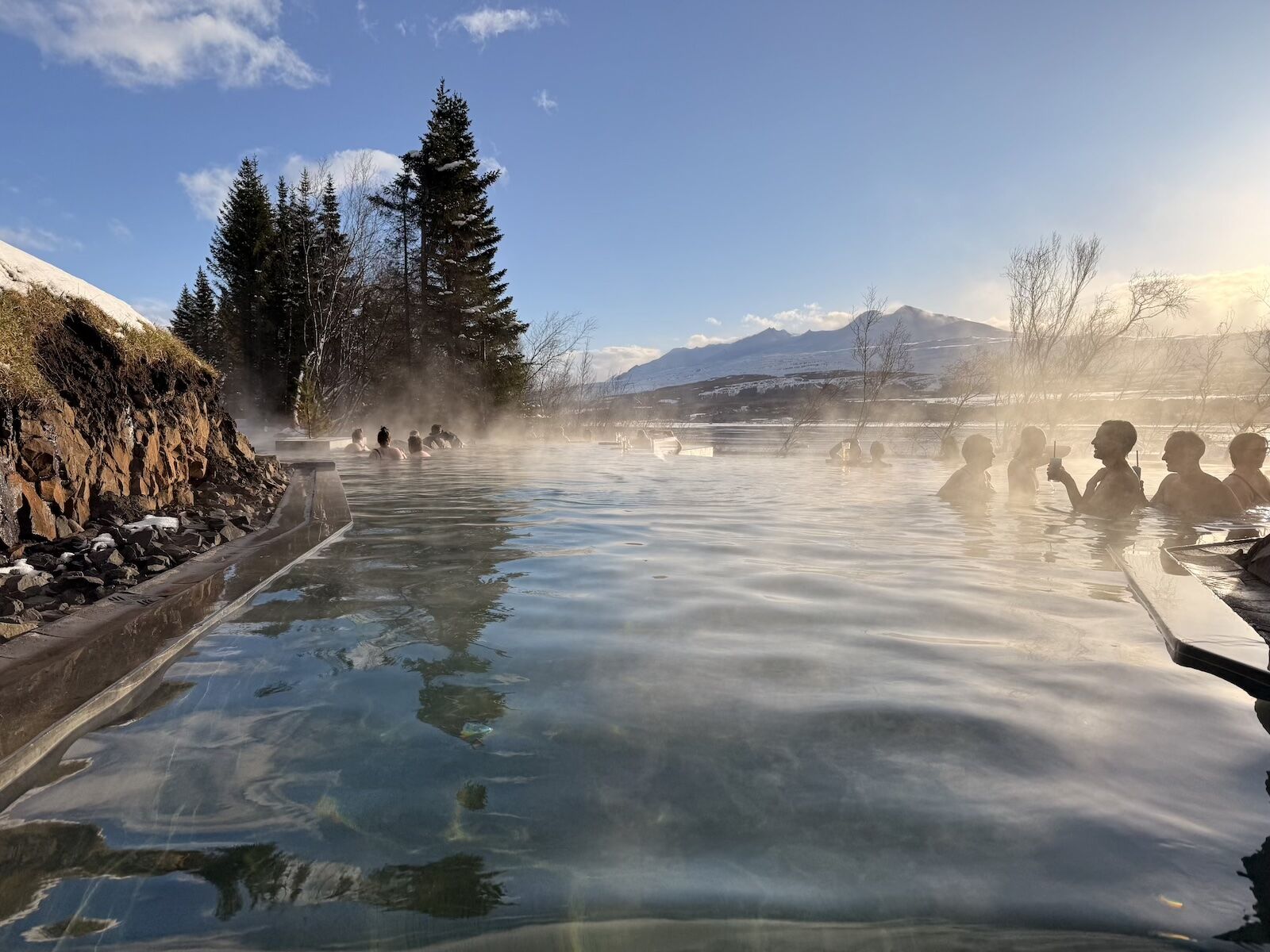
Beyond the body-positive benefits, the geothermal pool acts as a vital social artery. During my stay, I observed mothers with toddlers, teenagers gossiping, and grandmothers debating local politics—all soaking in the thermal heat during a brutal, sub-zero winter.
This isn’t just a spa day; it’s an evening ritual. Parents take their children to the pools after dinner to burn off energy and facilitate a restful night’s sleep. It is the ultimate equalizer. In the water, there is no status, no clothing to signal wealth or trendiness, and no pretense. You are simply a human being seeking warmth in a cold climate.
Lessons for the Traveler: To Shave or Not to Shave?
The most common question I receive from travelers is: "Should I shave before I go?" The short, honest answer is: it doesn’t matter.
Throughout my trip, I worried about my "cheetah-print" skin—the remnants of my laser hair removal. I spent the first few minutes in the locker room trying to hide, but as the days went on, I realized the irony: I was the only one paying attention. Everyone else was simply concerned with their own comfort. By the third day, the professional boundaries that usually dictate behavior between colleagues had evaporated. We were just women, sharing a space, bonding in a way that only shared vulnerability can facilitate.
Conclusion: Embracing the Freedom of the Birthday Suit
The Icelandic bathing experience is a masterclass in deconstructing the patriarchy’s hold on the female body. By removing the "clothing" that society uses to categorize and judge, we are left with the reality of our shared humanity.
If you are planning a trip to Iceland, I urge you to lean into the discomfort. Do not bring your shame into the shower with you. Whether you are perfectly groomed or sporting a "forest" that would make a Viking proud, it is irrelevant. You are there to soak, to socialize, and to exist in a space that celebrates the body for what it does rather than how it looks.
By the time I left the pools of Northern Iceland, I hadn’t just relaxed my muscles; I had relaxed my mind. I walked away with a newfound appreciation for the skin I inhabit—a skin that, I realized, was never anything to be ashamed of in the first place. When you find yourself in the locker rooms of Akureyri, or anywhere else in this beautiful, rugged country, take a deep breath, drop the towel, and remember: in your birthday suit, there is no wrong way to be.
For more behind-the-scenes insights on travel, culture, and the reality of life on the road, subscribe to Matador Network’s free insider Substack. Join our community of professional travelers as we continue to explore the world—and ourselves—with honesty and an open mind.
 Ali Ikhwan
  Basiran
  Raul Delapena Setiawan