In a milestone event for modern mammalogy and feline taxonomy, researchers have officially introduced Leopardustilcayo, a diminutive, leopard-spotted wild cat residing in the high-altitude forests of the Bolivian Andes. Published today in the journal Current Biology, the formal description marks a monumental achievement: it is the first time in over one hundred years that scientists have officially named and described a brand-new, livingspecies of wild cat.
The discovery bridges a ten-year journey of serendipitous encounters, mounting scientific skepticism, and rigorous genetic interrogation. More than just a taxonomic victory, the unveiling of Leopardus tilcayo serves as a stark reminder of the vast, undocumented biodiversity still hidden in Earth’s rapidly changing ecosystems—ecosystems facing intense anthropogenic pressures that threaten species with extinction long before humanity even knows they exist.
Main Facts: Meet Leopardus tilcayo
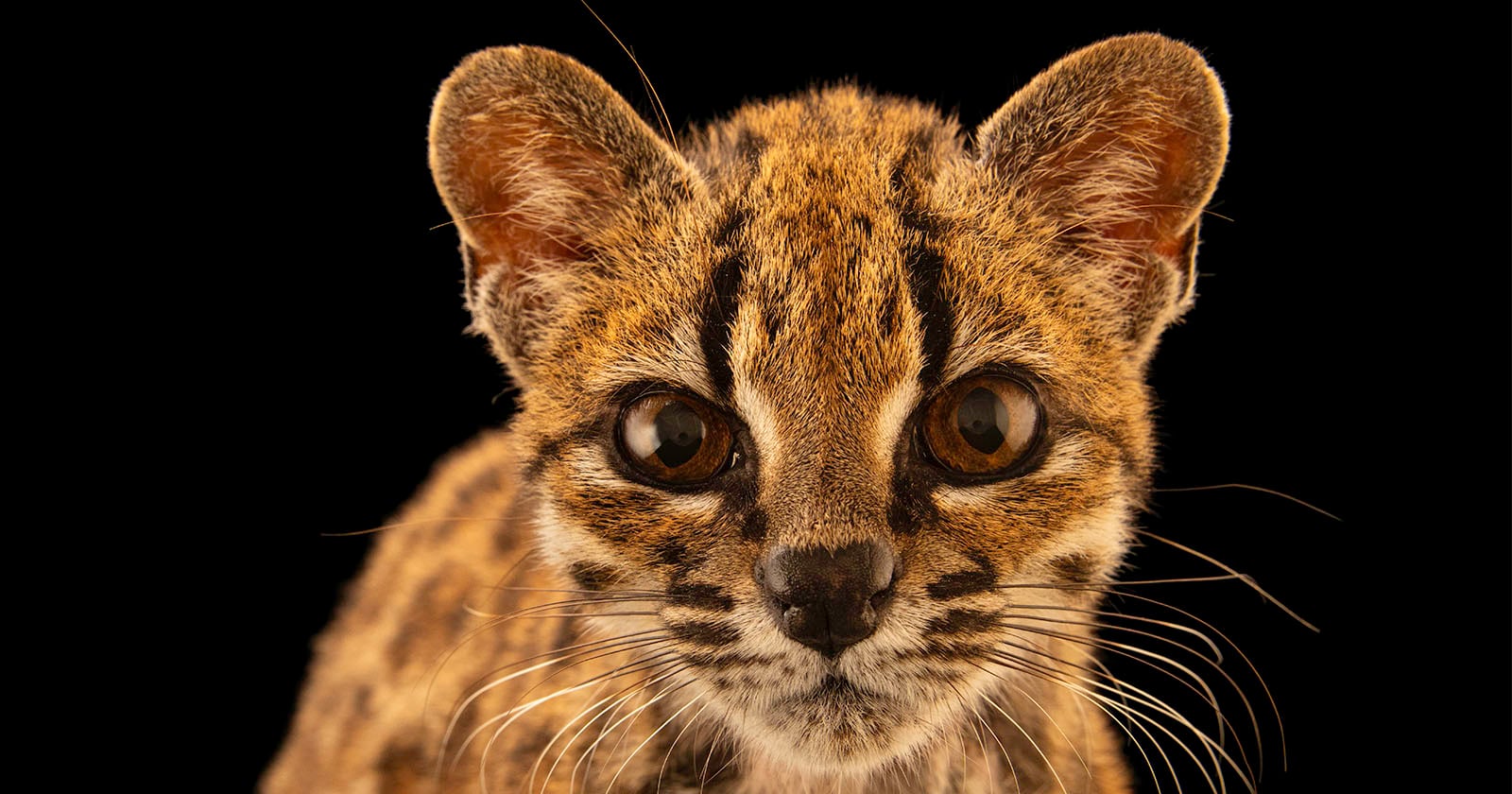
Physically, Leopardus tilcayo is a marvel of evolutionary adaptation. Weighing just a few pounds—significantly less than the average domestic housecat—this micro-feline possesses a distinct morphology that immediately sets it apart from its closest taxonomic relatives.
Key physical characteristics include:
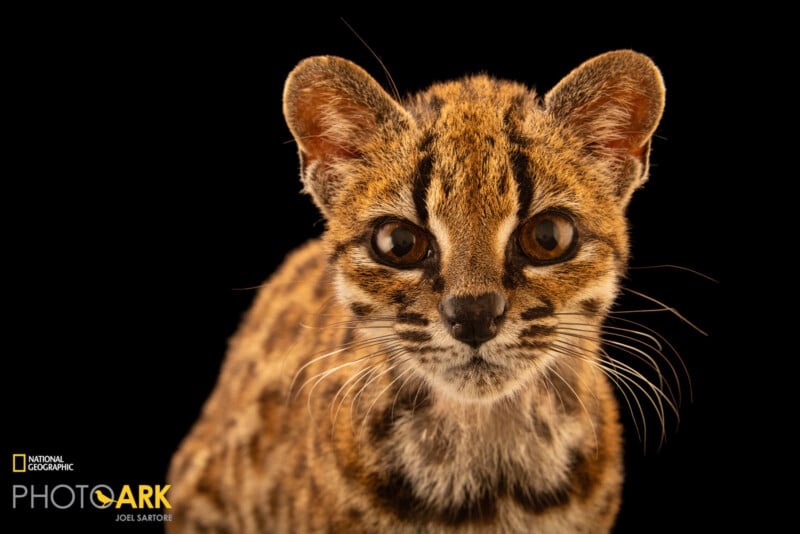
Facial Structure: A small, delicate, and subtly scrunched-up face punctuated by large, luminous brown-to-amber eyes.
Ears and Whiskers: Short, rounded ears coupled with exceptionally long whiskers, adapted for navigating dense underbrush.
Coat Pattern: Striking, leopard-like rosettes and spots layered over a dense, tawny-brown coat designed for camouflage in forest environments.
For years, scientists studying South American small cats categorized regional variations primarily under broad umbrellas, most notably the oncilla or tiger cat (Leopardus tigrinus). However, Leopardus tilcayo stands as an entirely independent evolutionary lineage—a testament to the complex, often under-explored evolutionary radiation of Neotropical felids.
Chronology of a Discovery: A Ten-Year Journey
The story of Leopardus tilcayo began a decade ago in the rugged terrain of Bolivia. What started as a roadside rescue morphed into a protracted scientific puzzle that required a blend of field ornithology, mammalogy, and advanced molecular genetics.
2016: The "Weird Cat" of Senda Verde
The narrative kicked off when a local resident traveling along a forest road in the Bolivian Andes encountered a tiny, orphaned feline kitten. Mistaking the animal for an ordinary domestic cat kitten, the man rescued it and eventually brought it to the Senda Verde wildlife sanctuary located in Coroico, Bolivia. As the animal matured, sanctuary staff realized its behavior and physical traits were decidedly wild.
Enter Paola Nogales-Ascarrunz, a National Geographic Explorer, biologist, and founder of the Programa de Investigación de Félidos Bolivia (Bolivian Felids Research Program). Informed that the sanctuary had received a "weird cat," Nogales-Ascarrunz rushed to examine the animal.
"I took a hundred pictures of it," Nogales-Ascarrunz recalls. "I was so fascinated."
At the time, she cataloged the animal as a potential regional variant of Leopardus tigrinus, the elusive tiger cat native to parts of Central and South America. Little did she know, she was looking at an entity entirely unknown to science.
2019–2021: The Turning Point
For years, the cat lived safely at Senda Verde while Nogales-Ascarrunz continued her broader field research. The turning point arrived in 2019 as the biologist compiled materials for an educational booklet dedicated to the wild cats of Bolivia. Reviewing her 2016 photo archive, a wave of cognitive dissonance washed over her.
Comparing the anatomical proportions, facial structure, and pelage markings of the Senda Verde cat against established parameters for Leopardus tigrinus, the math simply refused to add up.
"This is so wrong," she thought, recognizing that morphological anomalies could no longer be dismissed as mere individual variation.
2022–2026: Genetic Decoding and Formal Publication
To move past morphological guesswork, Nogales-Ascarrunz needed hard data. She sharpened her genetic analysis skills and forged a collaborative partnership with prominent Brazilian geneticist Eduardo Eizirik of PUCRS and study co-author Jonas Lescroart of the University of Antwerp.
By extracting and sequencing DNA samples from the sanctuary cat and comparing them against comprehensive genomic databases of Neotropical felids, the research team unlocked the undeniable truth: the specimen possessed a unique genetic signature, distinct enough to warrant full species status. This intensive multi-year molecular study culminated in today’s landmark publication in Current Biology.
Supporting Data and Scientific Methodology
Discovering a new mammal species in the 21st century—let alone a member of the family Felidae, which is heavily studied by naturalists—is exceptionally rare. Modern taxonomy demands more than visual distinctness; it requires absolute proof of reproductive isolation and deep evolutionary divergence.
The research team employed a integrative taxonomic approach combining:
Morphometric Analysis: Quantitative comparisons of skull shape, body proportions, dental structures, and pelage patterns across various museum specimens and living populations.
Molecular Phylogenetics: Mitochondrial and nuclear DNA sequencing to construct robust phylogenetic trees, mapping out precisely when Leopardus tilcayo branched away from sister species like Leopardus tigrinus and Leopardus guttulus (the southern tiger cat).
Biogeographical Mapping: Correlating genetic lineages with specific eco-regions in the Andes and adjacent foothills to understand the environmental barriers that drove speciation.
The data confirmed that Leopardus tilcayo did not merely represent a subspecies or a regional morph; it represented a completely independent lineage that has evolved in isolation for an extensive evolutionary timeframe.
Official Responses and Expert Perspectives
The academic community and conservation organizations have greeted the revelation of Leopardus tilcayo with profound enthusiasm, tempered by urgent warnings regarding ongoing habitat degradation in South America.
Dr. Eduardo Eizirik emphasized the broader philosophical and conservation implications of the discovery during a press briefing accompanying the study’s release:
"Showing the general public that even in a flagship group such as cats… there are still new species to be discovered may transmit an important message," Eizirik stated. "There are many undiscovered species out there in the world, and they are at risk of disappearing before we even discover them."
The discovery also highlights the critical role played by local rescue centers and citizen scientists. Without the initial intervention of the anonymous rescuer who picked up a helpless kitten on a remote forest road, and the subsequent safe haven provided by Senda Verde, this evolutionary secret might have vanished unnoticed.
In a tribute to its historic documentation, the individual cat—now an adult thriving under the care of Senda Verde—has been immortalized by renowned National Geographic photographer Joel Sartore. Sartore traveled to Bolivia to photograph the cat for the Photo Ark, an ambitious, multi-year project aiming to document every captive species on Earth.
Implications for Conservation and Future Research
While naming Leopardus tilcayo marks the end of a ten-year taxonomic marathon, it simultaneously initiates a massive race to understand its fundamental biology and ecology in the wild.
Biologists readily admit that immense gaps remain in our knowledge of the species:
Dietary Ecology: What specific prey items do wild Leopardus tilcayo target in their native forest canopy or understory?
Predation and Competition: How do they coexist with larger sympatric predators, such as ocelots (Leopardus pardalis) and pumas (Puma concolor)?
Population Dynamics: What are their actual population densities, home range sizes, and reproductive behaviors?
Conservation Status: Are wild populations currently fragmented by deforestation, agricultural expansion, or illegal wildlife trade?
Because the Andes and surrounding tropical and subtropical ecosystems are experiencing unprecedented rates of deforestation and climate disruption, conservationists are moving quickly to assess the geographic distribution of Leopardus tilcayo. Understanding where these cats live in the wild is the first step toward implementing targeted habitat protections before human encroachment seals their fate.
A Beacon of Hope
In an era dominated by sobering environmental news and biodiversity loss reports, the introduction of Leopardus tilcayo acts as a potent reminder of the resilience and mystery of the natural world. It proves that despite centuries of exploration, our planet still harbors hidden wonders—waiting quietly in the mountain mists for someone to look a little closer, ask the right questions, and listen to the secrets of the forest.

 By Basiran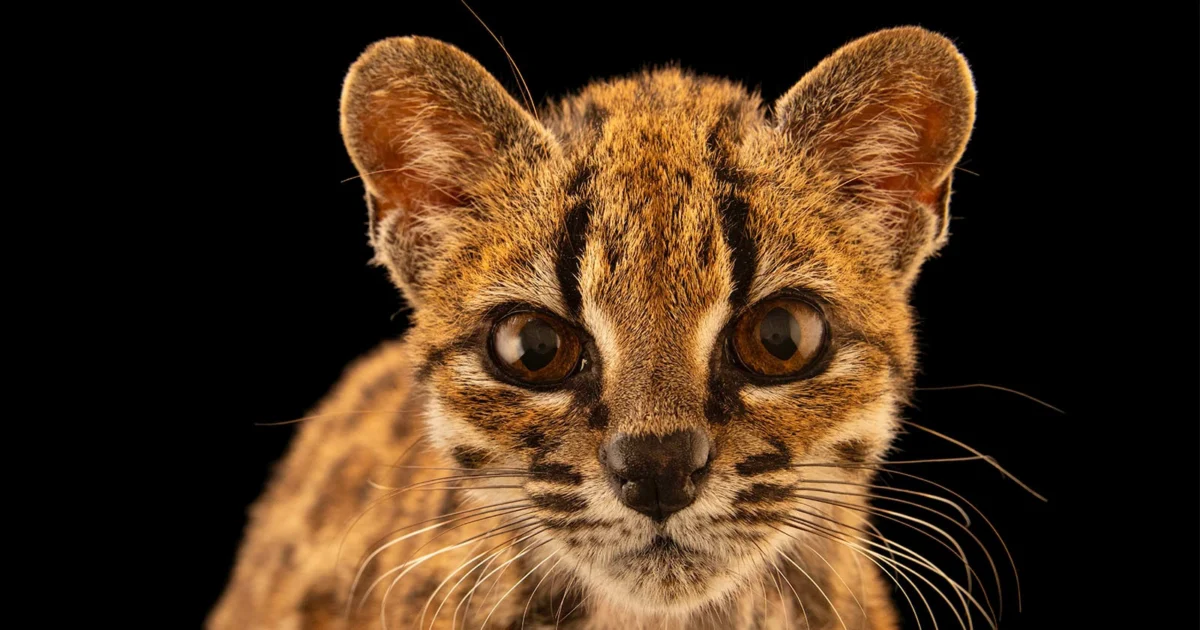
 rifanmuazin
  Nana Muazin
  Pevita Pearce