
 By Pevita Pearce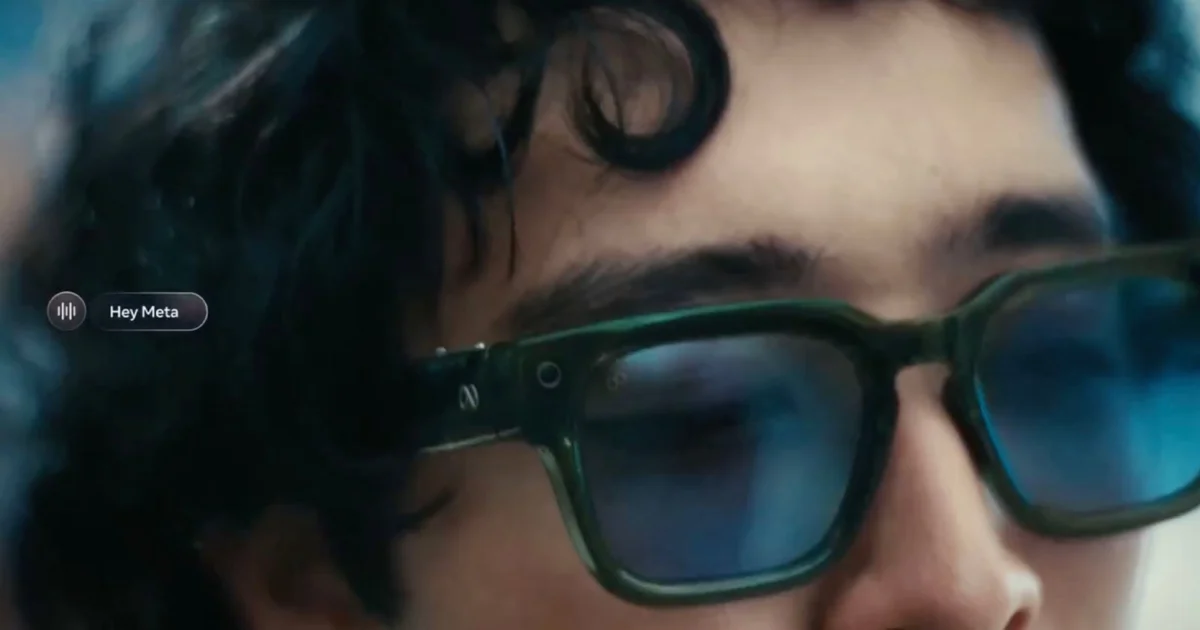
SAN FRANCISCO — In a notable strategic shift driven by mounting public scrutiny and a wave of venue bans, Meta Platforms is reportedly preparing to introduce a new line of smart glasses that completely omits the camera. Citing people familiar with the matter, reports indicate that the upcoming wearable—internally codenamed "Luna"—could make its official debut later this month at the annual Meta Connect conference, with commercial shipments slated to kick off as early as October.
The development underscores a growing friction between the rapid proliferation of consumer artificial intelligence hardware and the fundamental right to privacy in public and private spaces. While Meta’s previous smart eyewear generations positioned cameras and visual capture as central selling points, Luna represents an acknowledgment that persistent video recording capabilities have sparked severe social, legal, and operational resistance.
Main Facts: Inside the "Luna" Project
According to industry leaks, the Luna smart glasses will abandon the visual recording hardware that defined its predecessors, opting instead for an audio-centric, AI-first architecture.
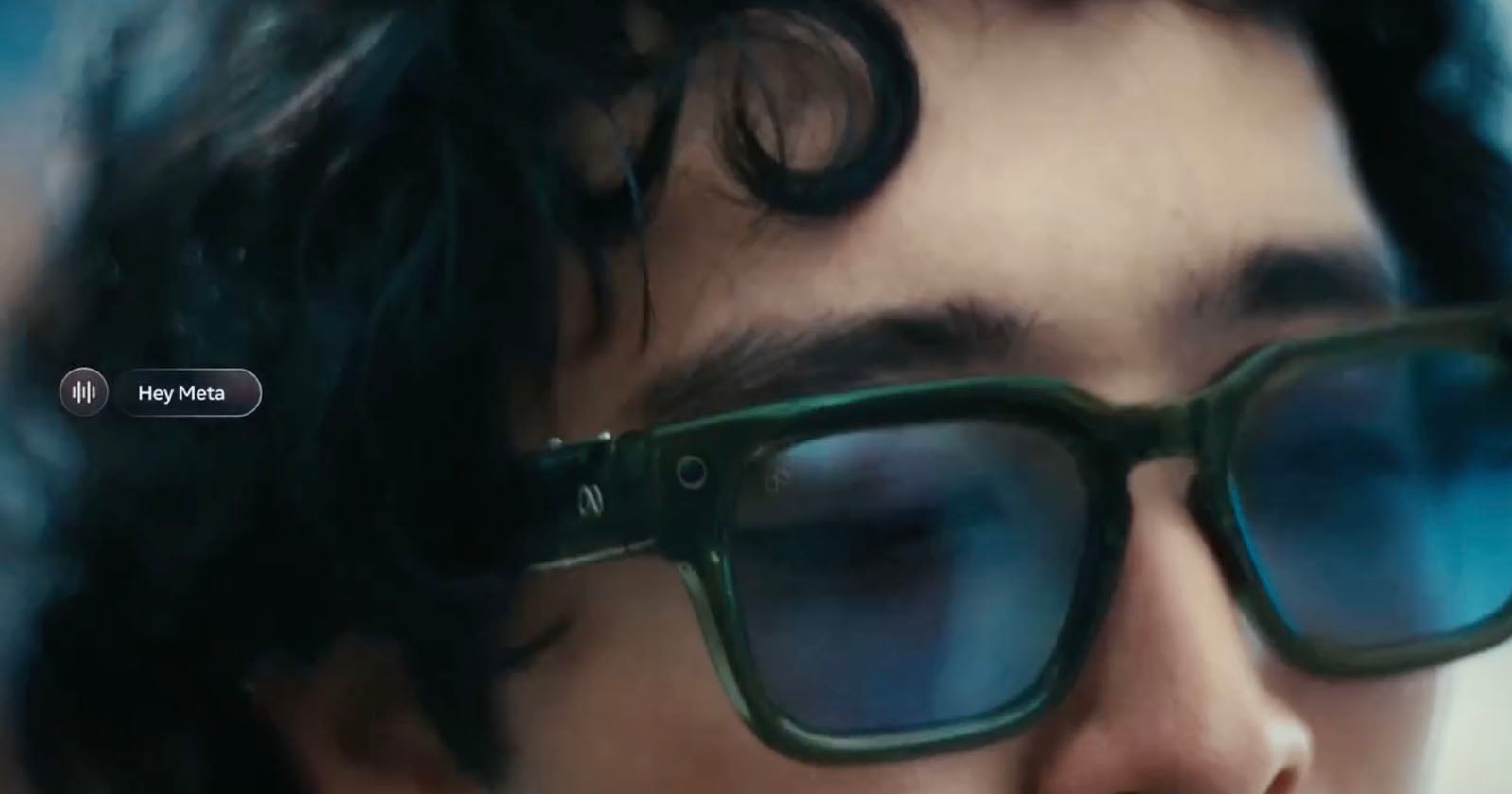
- Design and Aesthetics: Without the physical constraints of a camera sensor, lens assembly, and associated thermal management components, Luna is expected to feature significantly slimmer temple arms. This redesign will allow the frames to closely mimic conventional, non-smart eyewear—such as the planned Clubmaster and Burbank styles—mitigating the "tech-heavy" look of previous iterations.
- Audio and Interaction Hardware: Rather than capturing video, Luna reportedly packs a suite of six built-in microphones designed to facilitate seamless interactions with Meta AI and the company’s proprietary "Muse AI agent." Directional speakers positioned near the wearer’s ears will deliver audio feedback privately, while a dedicated physical button on the side of the frame will offer instant, tactile access to Meta’s assistant.
- Launch Timeline: Industry insiders suggest Meta will showcase Luna during the keynote addresses at Meta Connect on September 23 and 24, with retail availability expected to follow in October.
- The AR Pipeline (Phoenix): Alongside Luna, reports indicate that Meta is preparing to tease a more advanced augmented reality (AR) prototype internally codenamed "Phoenix." Unlike the audio-only Luna, Phoenix is designed to project virtual workspaces and movie screens into the user’s field of view, though market analysts do not expect a commercial release for Phoenix until 2027.
Chronology: The Escalating Crisis of Camera-Equipped Wearables
The path to Luna’s creation has been paved by a steady accumulation of public pushback, regulatory warnings, and escalating conflict over consent in public spaces.
Phase One: The Rise of Surveillance Wearables
When Meta first partnered with legacy eyewear brands to introduce smart glasses equipped with cameras and recording LEDs, the company pitched them as lifestyle accessories for capturing spontaneous moments. However, bad actors quickly weaponized the discreet form factor. Users began capturing candid, unconsented footage of strangers on public transit, in retail stores, and at private social gatherings, subsequently uploading the media to the internet to mock or embarrass subjects.
Phase Two: The Grassroots and Institutional Backlash
By mid-2026, the cultural tolerance for camera-enabled eyewear reached a breaking point.
- August 2026: A sweeping wave of venues across the United Kingdom enacted blanket bans on Meta smart glasses, citing harassment and privacy violations.
- Late August 2026: Prominent nightlife operators—most notably a high-profile New York City nightclub—threatened permanent bans and aggressive security measures against any patron caught wearing camera-equipped smart glasses on the premises.
Phase Three: Meta’s Defensive Countermeasures
As public spaces locked their doors to the technology, Meta attempted to police its own hardware. The company rolled out strict software updates designed to verify the integrity of the recording LED indicator. In a drastic move in September 2026, Meta implemented protocols that effectively "brick" (permanently disable) smart glasses if sensors detect that the recording LED has been tampered with, bypassed, or physically removed.
Despite these efforts to enforce compliance, the reputational damage was done. Businesses remained distrustful, and consumers grew increasingly hostile toward the idea of being filmed without their explicit knowledge or consent. Enter Luna: a strategic attempt to salvage the smart eyewear category by removing the flashpoint entirely.
Supporting Data and Market Dynamics
The pivot away from cameras is not occurring in a vacuum. It reflects a broader reckoning across the consumer electronics landscape regarding the boundaries of ambient computing.
- Consumer Sentiment Surveys: Market research indicates that nearly 74% of consumers express deep discomfort with devices capable of capturing their likeness in public without clear, unmistakable consent cues. While voice assistants have achieved widespread acceptance, visual recording remains a psychological red line for many.
- Regulatory Pressures: Data protection authorities in Europe and privacy advocates in North America have increasingly scrutinized always-on or easily triggered recording devices. By stripping out the camera, Meta significantly reduces its exposure to biometric privacy lawsuits and regulatory fines under frameworks like the European Union’s General Data Protection Regulation (GDPR).
- The Audio Competitor Landscape: Meta is not alone in exploring audio-heavy, screen-less or camera-less form factors. Competitors across the tech sector are releasing wearables that rely heavily on audio processing, ambient listening, and localized AI models—though these devices bring their own distinct sets of privacy dilemmas.
Official Responses and Industry Stakeholder Reactions
Meta has maintained a guarded stance regarding unannounced hardware, declining to officially confirm the specifications of the Luna project ahead of Meta Connect. However, company executives have repeatedly emphasized in recent keynotes that user trust, safety, and social norms must evolve alongside wearable technology.
Privacy advocates, meanwhile, have offered a cautious response to the reported removal of the camera.
- The Microphone Dilemma: While removing the camera eliminates the threat of unconsented video surveillance, security experts note that Luna’s six-microphone array introduces a different category of concern. Similar to the constant listening capabilities found in modern smartwatches and home assistants, an always-ready audio interface raises questions about ambient voice data collection.
- The "Invisible" Recording Threat: Because Luna mimics conventional fashion eyewear and lacks the bulky hardware of traditional tech devices, critics argue that the line between a standard pair of glasses and an active AI recording device becomes dangerously blurred. Observers point out that even without a camera, an AI agent processing continuous environmental audio and user interactions could still capture sensitive conversations occurring in proximity to the wearer.
"Trading a camera for a high-density microphone array is not a complete solution to the privacy puzzle," notes Dr. Elena Vance, a digital ethics researcher at the Institute for Technology and Society. "It shifts the surveillance vector from the visual spectrum to the acoustic one. Consumers will still need absolute transparency regarding what data is being processed locally versus what is being streamed back to Meta’s cloud servers."
Implications: What Luna Means for the Future of Wearables
The introduction of the Luna smart glasses—if confirmed at Meta Connect later this month—will mark a watershed moment for the wearable technology market.
- Redefining Social Etiquette: By normalizing camera-free smart glasses, Meta may successfully re-engage consumers and venue owners who previously blacklisted the technology. If Luna proves that utility and social acceptance can coexist, other manufacturers may follow suit, bifurcating the market into "visual capture" and "ambient audio/AI assistant" tiers.
- The Battle for AI Real Estate: With Luna and the subsequent Phoenix AR glasses, Meta is signaling that its ultimate goal is not necessarily to sell cameras, but to cement its AI ecosystem—Meta and Muse—directly onto the user’s face. The glasses are merely the hardware vehicle; the software and AI engagement loops are the destination.
- A Warning for the Industry: The backlash faced by Meta’s first-generation smart glasses serves as a cautionary tale for the entire tech sector. As augmented reality, spatial computing, and AI wearables advance toward seamless integration, hardware manufacturers must recognize that technological capability must be balanced against social license. Without public trust, even the most innovative gadgets will find themselves locked out of the very spaces they aim to conquer.
 Raul Delapena Setiawan
  Nila Kartika Wati
  Lina Hope