
 By Basiran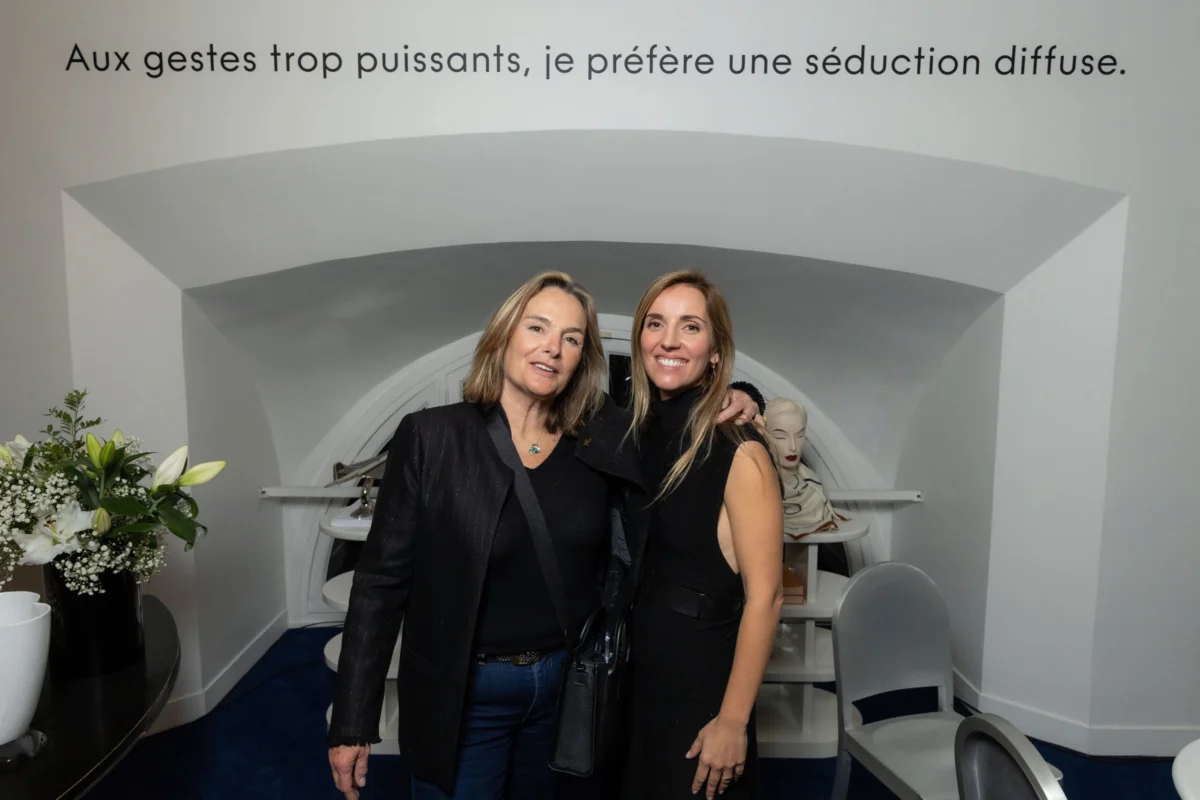
By Editorial Staff
The intersection of Bowery and Great Jones Street in Manhattan has long served as a sacred site for the New York art world. Last Thursday, that sanctity was reinforced as scores of art enthusiasts, curators, and collectors gathered at the Andrée Putman Studio to witness the unveiling of a towering tribute to one of the 20th century’s most influential figures: Jean-Michel Basquiat.
Standing 60 feet tall and stretching nearly 20 feet wide, the new mural serves as a formidable presence in the city’s creative landscape. The work, executed by contemporary artist Owen Dippie, captures the visceral, raw energy that defined Basquiat’s Neo-Expressionist practice. As the city continues to grapple with the shifting nature of its cultural identity, this installation stands as a poignant reminder of the grit and genius that transformed Lower Manhattan into a global epicenter of art.
The Chronology of a Creative Icon
To understand the weight of this new mural, one must look back at the brief, incandescent career of Jean-Michel Basquiat. Emerging from the graffiti-saturated streets of the late 1970s under the tag "SAMO," Basquiat transitioned from street artist to gallery darling with unprecedented velocity. By the mid-1980s, his work—characterized by jagged lines, anatomical studies, and biting social commentary—was fetching massive prices, making him one of the first Black artists to achieve international superstardom in a white-dominated art market.
Basquiat’s life was tragically cut short in 1988 at the age of 27, leaving behind a body of work that remains a cornerstone of contemporary aesthetic discourse. The location of the new mural is not merely coincidental; the building at 344 Bowery is situated mere steps away from the studio where Basquiat lived and labored.
The process of bringing this mural to life was a meticulous endeavor. Owen Dippie, known for his large-scale portraits that bridge the gap between classical art history and modern street culture, based the mural on an evocative portrait of Basquiat taken by renowned photographer Gianfranco Gorgoni. The original photograph—a hauntingly intimate capture of the artist—is currently on display within the Andrée Putman Studio, creating a dialogue between the archival image inside and the monumental reproduction outside.
Supporting Data: The Andrée Putman Connection
The choice of the Andrée Putman Studio as the host for this commemoration is rooted in deep-seated historical ties. Andrée Putman, the late French interior designer who revolutionized the hospitality industry with her minimalist yet warm aesthetic, maintained a profound connection to New York City.
Olivia Putman, the daughter of Andrée and the current art director of the studio, offered a personal perspective on the event. "I was very close with Jean-Michel," she noted during the gathering. "I used to spend a lot of time in his studio."
Olivia was more than just a bystander in Basquiat’s circle; she was an early supporter, facilitating introductions between Basquiat and her mother, who was a formidable force in the design world. Her stewardship of the studio today serves as a bridge between that golden era of 1980s New York and the present.
The Andrée Putman Studio itself is a testament to this legacy. Occupying three floors and featuring two outdoor decks, the space serves as a living gallery, showcasing the "universe" of Andrée Putman’s design philosophy. Among the pieces on display is a striking, all-white ceramic tile table originally commissioned for the legendary photographer Jean Paul Goude. The studio is designed to be a "place of hospitality," according to Aurélie Laure, the firm’s CEO, serving as a sanctuary where the creative community can convene, exchange ideas, and reflect on the history of the neighborhood.

Official Responses and Perspectives
The unveiling was marked by a spirit of celebration and solemn reflection. Aurélie Laure underscored the significance of the event, stating, "This evening is really about celebrating the mural with the art and design community. It’s really like a warm apartment where you can sit on the sofa, or on the daybed, and are welcome to spend some time."
This ethos of accessibility stands in stark contrast to the often exclusionary nature of the high-end art market. By placing a mural of such magnitude in a public, outdoor setting, the project ensures that Basquiat’s visage remains a part of the city’s daily fabric—a sentiment echoed by those in attendance who view the mural as a reclamation of the neighborhood’s artistic heritage.
The project also highlights the enduring influence of Andrée Putman’s design work. Her project at the Morgans Hotel in 1984 is widely credited with establishing the world’s first true "boutique hotel," a concept that prioritized design-led experiences over traditional luxury. Similarly, her iconic spiral staircase for the former Barneys New York in Chelsea set a standard for retail architecture that has been imitated globally. By hosting the Basquiat tribute, the studio is effectively linking Putman’s revolution in interior design with Basquiat’s revolution in visual art.
Implications: A City in Flux
The installation of the Dippie mural carries significant implications for the future of New York’s cultural geography. As neighborhoods like NoHo and the Bowery continue to evolve under the pressures of gentrification and corporate development, the preservation of "artistic markers" becomes an act of resistance.
1. The Institutionalization of Street Art
Historically, street art was defined by its ephemerality—the risk of being buffed or painted over. Today, works like Dippie’s are treated as institutional landmarks. This shift reflects a broader acceptance of street art as a legitimate, high-value cultural commodity. However, it also raises questions about how we curate the history of a movement that was born in opposition to institutions.
2. The Commercialization of Legacy
With Basquiat’s work now commanding record-breaking prices at auction, every commemorative act carries a dual weight: it is both a genuine celebration of his genius and a component of a high-value art brand. The involvement of the Andrée Putman Studio, a high-end design firm, underscores the intersection of art, fashion, and luxury retail that defines the modern "art district."
3. Community Engagement
Perhaps the most positive implication is the focus on "hospitality." By creating a space that welcomes the public to engage with the history of the neighborhood, the studio provides a much-needed antidote to the transactional nature of the modern art scene. The mural is not just a photo opportunity; it is a point of departure for deeper conversations about the past and future of the Bowery.
Conclusion
The Jean-Michel Basquiat mural on Bowery and Great Jones Street is more than just a large-scale portrait; it is a bridge. It connects the 1980s downtown art scene—a period of chaotic, brilliant, and unbridled creativity—to the contemporary city.
As the sun set on the Andrée Putman Studio last Thursday, and the lights illuminated the mural, the image of Basquiat—eyes wide, hair rendered in jagged intensity—seemed to watch over the street he once called home. The gathering of the art community was a testament to his enduring relevance. While the city around him has changed, with high-rises and upscale boutiques replacing the makeshift studios and dive bars of the past, the spirit of Basquiat remains anchored to the pavement.
For those who missed the unveiling, the mural stands as a permanent fixture, an invitation to look up, to remember, and to acknowledge the profound impact of an artist who fundamentally changed how we see the world. Through the efforts of Owen Dippie, the Putman family, and the broader creative community, the legacy of Jean-Michel Basquiat continues to defy the constraints of time, remaining as vibrant and provocative as the day it first appeared on a canvas.
 Reynand Wu
  Lina Hope
  Muslim