
 By Azzam Bilal Chamdy
New Zealand, a nation long defined by its rugged landscapes, pristine wilderness, and an identity deeply rooted in the stewardship of the natural world, is currently embroiled in a fierce legislative debate. At the heart of this controversy is the Conservation Amendment Bill, a sweeping piece of legislation that seeks to fundamentally reshape how the Department of Conservation (DOC) manages the country’s vast public estate.
As the government pushes for what it describes as administrative modernization, environmental groups, opposition parties, and a significant portion of the public are sounding the alarm. They fear the bill represents an unprecedented shift in philosophy that could prioritize commercial gain over the sanctity of New Zealand’s protected lands.
The Core of the Legislation: What Changes?
The Conservation Amendment Bill proposes a radical overhaul of the Conservation Act of 1987. For nearly four decades, the Act has functioned as the bedrock of New Zealand’s environmental protection, prioritizing the preservation of native biodiversity and ecosystems above all else.
The proposed amendments introduce three primary pillars of change:
1. The Expansion of Land Disposal Eligibility
Under existing law, the Department of Conservation is strictly limited in its ability to divest from public land. The DOC can only consider the sale or trade of land classified as "stewardship land," and even then, only after a rigorous assessment confirms it holds no—or extremely low—conservation value. The new bill proposes to remove this "low value" safeguard entirely. By broadening the criteria for what constitutes eligible land, critics argue that the bill opens the door for the sale of ecologically significant areas, including iconic forest parks like Tararua, Whirinaki, and Mount Richmond.
2. Redefining the Mandate of the DOC
Perhaps the most contentious shift is the proposal to alter the core mission of the Department of Conservation. Currently, the department’s mandate is clear: to protect and preserve nature. The bill would insert a new, competing responsibility: the mandate to "recognize and enable" economic opportunities derived from the use and development of the resources managed by the department. This "dual-purpose" approach represents a philosophical departure from the status quo, effectively tasking the DOC with acting as both a guardian of nature and a facilitator of commercial development.
3. Streamlining Commercial Concessions
The bill seeks to accelerate the process by which private enterprises obtain permits to operate on public lands. By introducing a "visitor amenity areas" framework, the government aims to encourage tourism infrastructure development, such as luxury lodges and expanded recreational facilities. Furthermore, the bill proposes the removal of mandatory public hearings for certain concession decisions, a move that transparency advocates argue will silence local communities and diminish public oversight.

A Chronology of the Debate
The introduction of the bill has triggered a rapid and polarizing sequence of events:
- Mid-2026 (Pre-Introduction): Rumors of a shift in conservation management began to circulate, sparking early skepticism among environmental advocacy groups.
- The Bill’s Unveiling: The government officially introduced the legislation, framing it as a necessary update to modernize bureaucratic processes and unlock economic potential.
- The Backlash: Within days, NGOs such as Greenpeace New Zealand and Forest and Bird launched nationwide campaigns, labeling the move "the biggest attack on conservation land in New Zealand’s history."
- The Data Reveal: Forest and Bird released mapping data illustrating the sheer scale of land potentially affected, including a discovery of a legislative loophole that could expose nearly half of the Coromandel Peninsula to mining interests.
- Public Outcry: A surge of public submissions flooded the parliamentary portal, accompanied by a significant poll showing that two-thirds of the electorate oppose the sale of conservation land.
- Ongoing Public Comment: The window for public submissions remains open until July 2, 2026, serving as a critical flashpoint for political mobilization.
Supporting Data and The "Coromandel Loophole"
The intensity of the opposition is bolstered by specific, data-driven concerns. Forest and Bird’s comprehensive analysis of the bill suggests that the legal language is imprecise, creating vulnerabilities that extend far beyond simple administrative efficiency.
The most notable example is the "Coromandel Loophole." The Coromandel Peninsula is a crown jewel of New Zealand’s tourism sector, known for its lush forests and idyllic beaches. According to analysts, the way the bill is drafted could inadvertently permit mining activities in vast swaths of the area that were previously considered secure. While Conservation Minister Tama Potaka has conceded that the wording may need to be tightened to close this specific gap, the oversight has significantly damaged the government’s credibility regarding the bill’s safeguards.
Furthermore, the economic rationale for the bill—that land sales would provide essential capital for conservation—has been met with skepticism. Experts argue that the permanent loss of ecological assets is a price too high to pay for short-term financial liquidity, suggesting that the "modernization" of the department could be achieved through improved funding models rather than land disposal.
Official Responses: Government vs. Critics
The government’s position remains consistent: that the current bureaucracy is stifling efficiency and that fears of a "big sell-off" are manufactured.
Minister Potaka has been vocal in his defense, telling media outlets that the government has no intention of selling off the conservation estate. He characterizes the opposition’s rhetoric as "scaremongering and mischievous," emphasizing that the bill merely provides a clearer legal framework for decisions that were already technically possible but administratively paralyzed. According to the government, the proceeds from any future land transactions would be legally ring-fenced to reinvest back into conservation projects, creating a self-sustaining cycle of improvement.
Conversely, the opposition—led by the Labour and Green parties—has framed the bill as a betrayal of the national interest. They argue that the government is failing to understand the intrinsic value New Zealanders place on their heritage. Dr. Marie Doole, of Mātaki Environmental, encapsulated the sentiment of many experts: "Reform of this scale simply shouldn’t be rushed. The government has drastically underestimated the loyalty New Zealanders feel toward their public lands."
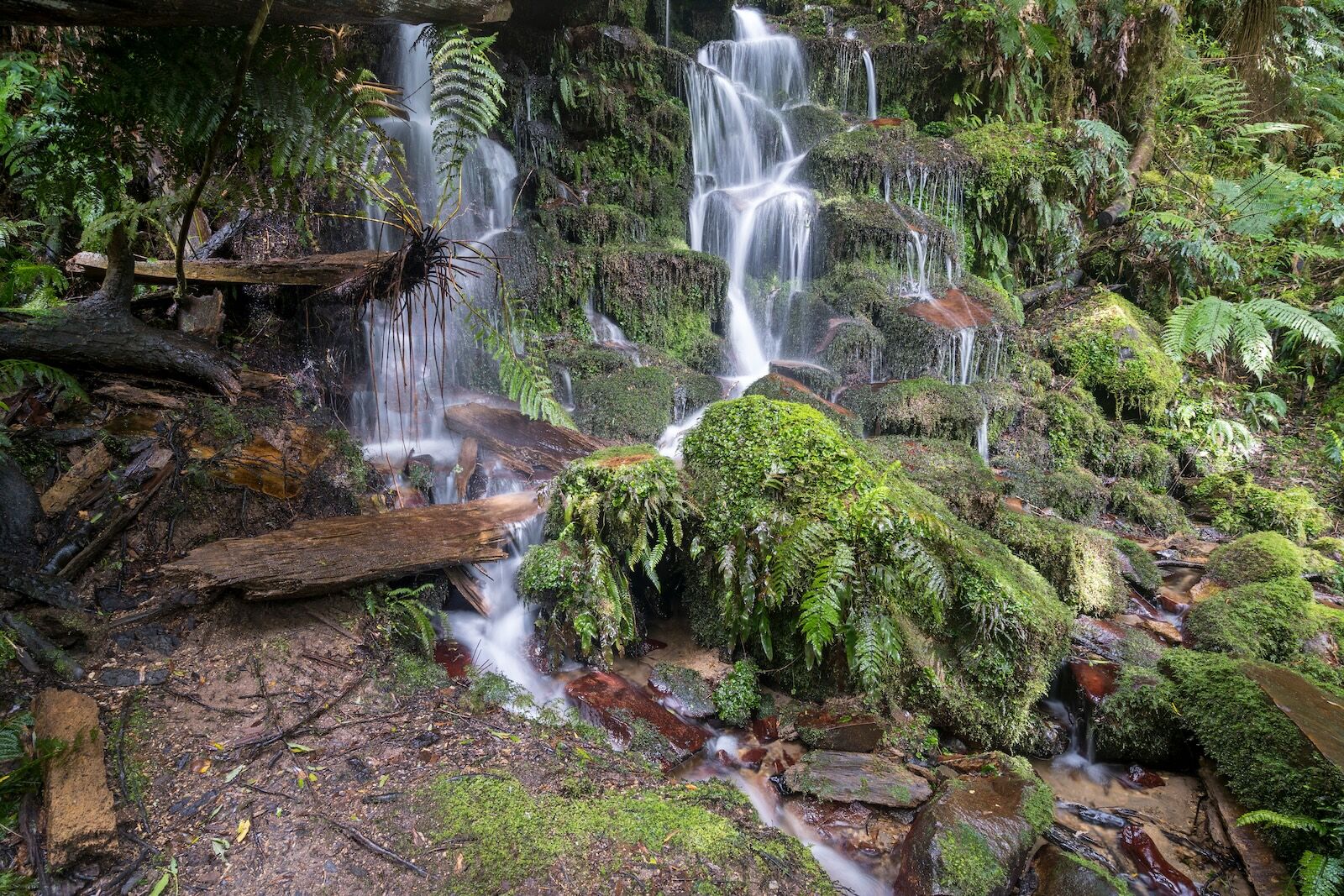
Implications for the Future
The implications of the Conservation Amendment Bill extend far beyond the immediate legislative battle. It represents a pivot point in the national identity of New Zealand.
Impact on Tourism
The introduction of "visitor amenity areas" and the potential for new fees on international travelers could fundamentally change the character of New Zealand’s wilderness experience. While proponents argue this will improve the quality of visitor services, critics fear it will lead to the "Disney-fication" of the outdoors, where access is prioritized for those who can afford premium experiences rather than the general public.
The Erosion of Public Trust
Perhaps the most significant implication is the potential erosion of trust between the government and its citizens. In a country where the environment is seen as a collective trust, the perception that this trust is being liquidated for commercial benefit creates a deep-seated political divide. Even voters who typically support the center-right National Party have expressed strong opposition to the bill, suggesting that the protection of nature is a non-partisan value that transcends traditional political alignments.
Global Precedent
New Zealand’s approach to conservation has long been considered a global gold standard. Any dilution of these protections is being watched closely by international environmental organizations. If a nation so heavily reliant on its "100% Pure" brand abandons its stringent protectionist policies, it could set a dangerous precedent for other countries, signaling that even the most protected wilderness areas are subject to the volatility of economic cycles and shifting political agendas.
Conclusion: The Path Forward
As the July 2, 2026, deadline for public submissions approaches, the future of the Conservation Amendment Bill remains uncertain. The government faces a monumental task in reconciling its economic objectives with the profound, widespread public demand for the continued protection of the natural landscape.
Whether the bill is passed in its current form, significantly amended to close loopholes, or abandoned entirely, the conversation has already changed the landscape of New Zealand politics. It has reaffirmed that for the people of Aotearoa, the land is not merely an economic resource to be managed, but a national treasure to be guarded for generations to come. The coming months will be a defining test of whether the government can listen to the voices of its people or whether the drive for development will permanently alter the face of New Zealand’s wilderness.
 Layla Zulfa
  Lina Irawan
  Nana
Nana 