
 By Laily UPN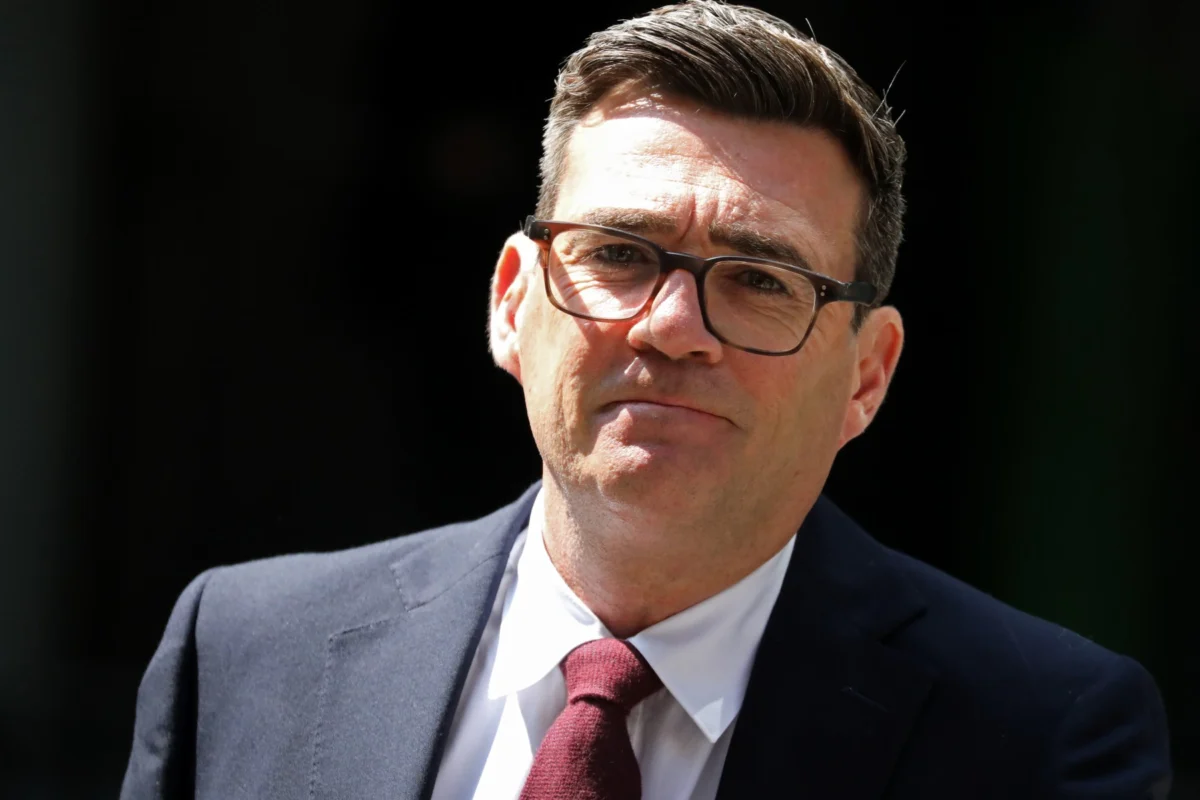
By Editorial Staff
The United Kingdom’s beleaguered grassroots music scene, a cultural bedrock that has birthed global icons from The Beatles to Harry Styles, is set to receive a significant fiscal lifeline. On Thursday, July 23, 2026, Prime Minister Andy Burnham announced a transformative 20% reduction in business rates specifically targeted at the nation’s pubs, clubs, and independent music venues.
This legislative shift, slated to take effect in April 2027, marks a pivotal moment in the relationship between the British government and the night-time economy. For years, the sector has warned that rising operational costs, inflationary pressures, and stagnant revenue streams were pushing the nation’s musical heritage toward an existential cliff. With this announcement, the newly appointed Prime Minister has signaled that the preservation of local cultural spaces is a priority for his administration.
The Core Mandate: Why Now?
The decision to slash business rates is not merely an economic adjustment; it is a defensive measure against the rapid erosion of community hubs. Business rates—a tax on non-domestic properties based on estimated market rental values—have long been criticized by hospitality owners as a blunt instrument that penalizes physical establishments regardless of their profitability.
Prime Minister Andy Burnham, who assumed office on July 20 following the resignation of Sir Keir Starmer, took to social media to frame the policy as a moral imperative. "I won’t stand by while these cherished local spaces disappear, replaced by boarded-up windows and ‘For Sale’ signs," Burnham stated on X. "They are the heart of our communities, and it is time we backed them."
The funding for this initiative will be drawn from a controversial but deliberate reallocation of tax reliefs. No. 10 Downing Street has confirmed that the shortfall will be offset by reviewing and tightening tax breaks for businesses that are deemed to provide little to no positive social or community contribution, explicitly citing "vape shops" as a primary target for this revenue shift.
A Sector in Peril: The Data Behind the Decision
The urgency of the government’s move is underscored by grim industry data. The grassroots music sector has been in a state of managed decline for over a decade, but the past 24 months have seen the situation reach a boiling point.

In January 2026, the Music Venue Trust (MVT) published a harrowing report detailing the state of the industry. The figures were stark:
- Profitability Crisis: 53% of all grassroots music venues in the U.K. failed to turn a profit during the 2025 calendar year.
- Workforce Erosion: The sector saw a 19% contraction in its overall workforce, representing the loss of over 6,000 jobs.
- Operational Strain: High rents, coupled with the "cost of doing business" crisis, have left venues with razor-thin margins, often unable to cover the overheads required to keep the lights on.
These venues are not just businesses; they are the incubators of the U.K.’s multi-billion-pound music export industry. Without the "toilet circuit"—the small clubs and bars where artists cut their teeth—the pipeline that eventually feeds stadium tours for acts like Coldplay and Sam Fender would dry up.
Official Responses and Industry Sentiment
The announcement has been met with a mixture of cautious optimism and calls for further reform.
The Music Venue Trust’s Perspective
Mark Davyd, CEO of the Music Venue Trust, hailed the announcement as an "encouraging first step." In a formal statement, Davyd noted that the policy acknowledges the essential role these spaces play in local life. However, he was quick to highlight that the 20% cut is only the beginning of the work required to stabilize the sector.
"We call on the Senedd, Holyrood, and the Northern Ireland Assembly to swiftly confirm they will match this much-needed support through Barnett formula consequentials," Davyd urged. "Venues in Wales, Scotland, and Northern Ireland must be confident of a level playing field. Live music is an ecosystem, and we strongly urge the government to reconsider the limit to the eligibility criteria so that all live music spaces of all sizes qualify."
The Call for Studio Support
While the music venue sector celebrated, other corners of the industry are already lobbying for expansion. Tom Kiehl, CEO of U.K. Music, praised the Prime Minister’s initiative but argued that the policy is incomplete. "The government must extend this lifeline to our world-class recording studios," Kiehl said. "We have lost—and continue to lose—far too many of these spaces, without which our industry simply wouldn’t exist."
Hospitality’s Reality Check
Celebrity chef and publican Tom Kerridge provided a grounded perspective on BBC 5 Live. While acknowledging the positive signal the government is sending, Kerridge warned against overestimating the immediate financial impact. "It doesn’t go far enough, but it does show that there is an understanding that hospitality needs a hand," he noted. "But £1,000 on a yearly revenue doesn’t really make a difference. It shows the government is beginning to listen."

The Broader Political Landscape
Andy Burnham’s rise to the premiership has been characterized by a focus on "levelling up" and regional empowerment, a theme he honed during his tenure as Mayor of Greater Manchester. His administration’s interest in the music industry is consistent with his past record; he was instrumental in bringing the 2026 BRIT Awards to Manchester, marking the first time the ceremony was hosted outside of London.
The government’s interest in the music sector also includes ongoing discussions regarding a "mandatory ticket levy." This proposal, which would see a small percentage of proceeds from arena and stadium shows redistributed to support the grassroots circuit, has already gained support from major artists including Harry Styles and Sam Fender, who have already begun voluntarily pledging £1 per ticket to support independent venues.
Looking Ahead: The Road to 2027
As the U.K. looks toward the implementation date of April 2027, the focus will shift to the technical details of the policy. The government faces the complex task of defining exactly what constitutes a "grassroots music venue" to ensure the tax relief is distributed effectively and prevents exploitation by ineligible businesses.
Furthermore, the pressure is now on the devolved administrations in Scotland, Wales, and Northern Ireland. If the policy remains restricted to England, the U.K. risks creating a fractured touring landscape where artists may find it economically unviable to play shows outside of English borders.
Summary of Implications:
- Fiscal Relief: A 20% reduction in business rates provides a direct, if modest, injection of liquidity for struggling venues.
- Cultural Preservation: The policy serves as a political statement that the government views live music as a vital public service.
- Revenue Realignment: By targeting non-contributory businesses, the government is attempting to balance the books while curating a more "community-friendly" high street.
- Policy Expansion: The immediate pressure will be on the government to include recording studios and to ensure that the devolved nations adopt similar measures.
The move is a rare instance of a government attempting to intervene directly in the cultural infrastructure of the country. Whether £1,000 in annual savings will be enough to stem the tide of closures remains to be seen, but for a sector that has felt ignored for years, the 20% cut represents a significant change in the political weather.
As the industry prepares for the 2027 rollout, the eyes of the music world remain fixed on Downing Street. The survival of the U.K.’s next generation of superstars may well depend on the efficacy of this single, targeted fiscal policy.
 Lina Irawan
  Lina Hope
  Siti Muinah