
 By Asro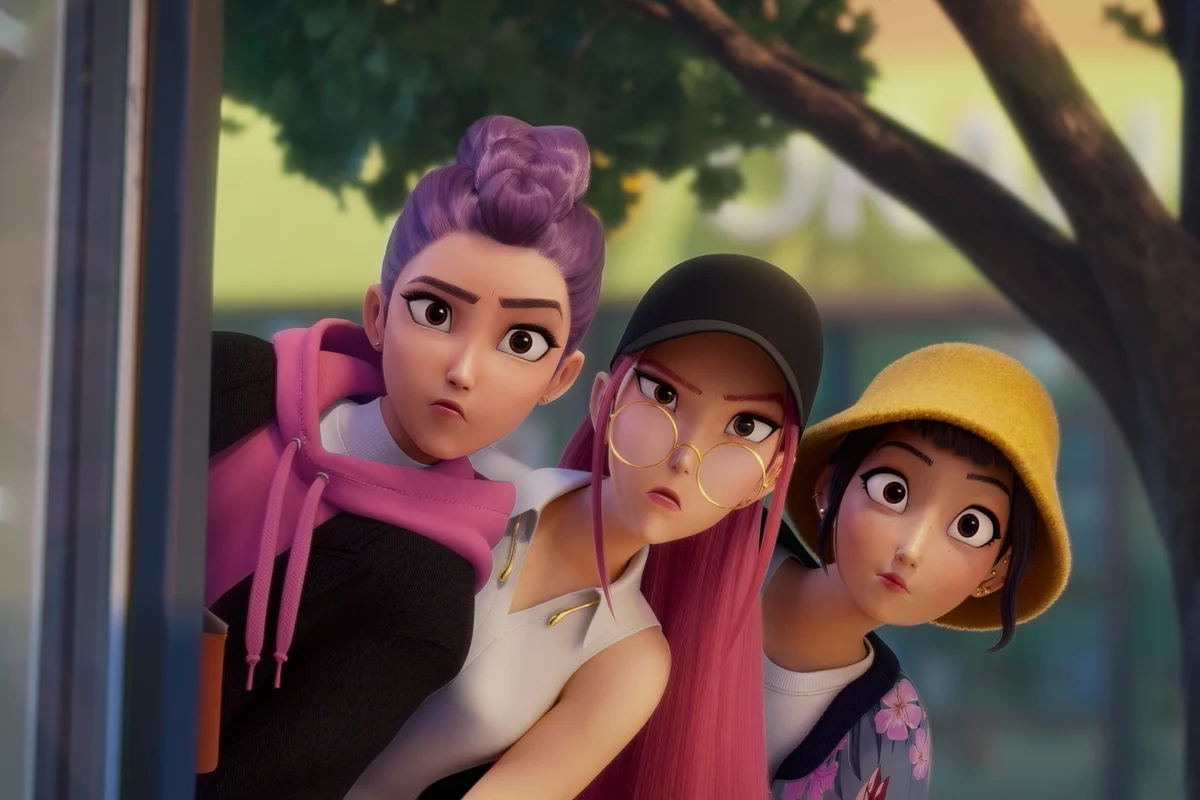
The historic city of Ghent, Belgium, once again served as the global epicenter for the world of film music this past weekend. On Saturday, October 10, 2026, the prestigious Music Centre De Bijloke hosted the annual World Soundtrack Awards (WSA) Ceremony & Concert, a glittering event that drew the elite of the international film and music industries to celebrate the year’s most evocative and influential scores.
As the crowning jewel of Film Fest Gent, the ceremony underscored the indispensable role of the composer in storytelling, recognizing technical mastery, creative innovation, and the cultural impact of music in cinema, television, and gaming.
The Dominance of "Golden" and the K-Pop Phenomenon
Perhaps the most discussed moment of the evening was the victory of the track "Golden," taken from the smash-hit Netflix production KPop Demon Hunters. The song, a global sensation that has defied genre boundaries, added yet another prestigious accolade to its already overflowing trophy case. Having previously secured a Golden Globe, a Grammy, and an Academy Award during the winter season, "Golden" was officially crowned Best Original Song at the WSA.
The composition—a collaborative effort by a stellar songwriting team including Kim Eun-jae, Mark Sonnenblick, Joong Gyu Kwak, Yu Han Lee, Hee Dong Nam, Jeong Hoon Seo, and the visionary producer Teddy Park—served as the heartbeat of KPop Demon Hunters. Performed by the dynamic trio HUNTR/X (comprising EJAE, Audrey Nuna, and REI AMI), the track’s resonance was undeniable; it commanded the Billboard Hot 100 for eight consecutive weeks, signaling a cultural shift where the lines between cinematic scores and chart-topping pop music are increasingly blurred.
A Night of Honors: Composer of the Year Awards
While pop-inflected hits captured the audience’s attention, the ceremony’s core remains the recognition of the craft of scoring. The title of Film Composer of the Year was awarded to British maestro Daniel Pemberton, whose prolific output over the past twelve months has been nothing short of extraordinary. His work on Project Hail Mary, The Drama, The Bad Guys 2, and the massive Masters of the Universe reboot showcased a versatility that defined the current landscape of blockbuster filmmaking.
In the television arena, Jeff Russo secured the coveted Television Composer of the Year award. Russo’s sonic contributions to high-stakes series such as Alien: Earth, the atmospheric Cape Fear, and the second season of Citadel earned him high praise from the jury for his ability to build tension and expand narrative depth through intricate, character-driven themes.
Chronology of the Gala: A Three-Day Celebration of Sound
The awards ceremony did not exist in a vacuum; it was the culmination of a rigorous three-day summit that brought together international film and music professionals. From October 8 to October 10, the Music Centre De Bijloke transformed into a hub of intellectual and creative exchange.
The event featured a series of high-level masterclasses, workshops, and panel discussions focusing on the evolving art of composing for the screen. These sessions allowed industry veterans and emerging talent to dissect the technical challenges of modern scoring—ranging from the integration of AI-assisted sound design to the resurgence of traditional orchestral arrangements.
The grand finale on the evening of October 10 featured a breathtaking live concert performed by the Brussels Philharmonic, under the masterful baton of conductor Dirk Brossé. The program honored the legacy of lifetime achievement award recipient Trevor Jones, alongside a curated selection of works by guest of honor Hildur Guðnadóttir. The performance highlighted the emotional weight that music brings to the visual medium, serving as a reminder that a film’s score is often the invisible tether that connects the audience to the character’s internal life.

Supporting Data: A Comprehensive Look at the 2026 Winners
The breadth of the WSA honors reflects the diversity of the modern industry, acknowledging everything from regional talent to the massive world of interactive gaming music.
Film and Television Excellence
- Film Composer of the Year: Daniel Pemberton (Project Hail Mary; The Drama; The Bad Guys 2; Masters of the Universe)
- Television Composer of the Year: Jeff Russo (Alien: Earth; Cape Fear; Citadel, Season 2)
- Best Original Song: "Golden" from KPop Demon Hunters (Written by Kim Eun-jae et al., Performed by HUNTR/X)
Discovery and Young Talent
The "Discovery of the Year" award, intended to shine a light on rising stars, was presented to Hannah Peel for her work on Midwinter Break. Peel’s score was noted for its nuanced approach to storytelling, marking her as a composer to watch in the coming years. Meanwhile, the "Best Original Composition by a Young Composer" award went to Xabier Doural García, whose work was lauded for its structural ambition and emotional clarity.
Public and Industry Recognition
The Public Choice Award, determined by audience voting, went to Kevin Smithers for his score for Soy Frankelda. This category remains a vital indicator of how film scores are perceived by the general public, often acting as a bridge between high-art scoring and mainstream accessibility.
Gaming and Belgian Talent
- Game Music Award: Nicolas Garcia for Cthulhu: The Cosmic Abyss. This award highlights the increasing prestige of video game composition, which now commands the same technical and creative respect as film scoring.
- Belgian Film Composer of the Year: Margaret Hermant, recognized for her work on A la cara (Nothing Personal) and Mallorca Confidencial.
Official Responses and Industry Implications
The 2026 World Soundtrack Awards were marked by an atmosphere of reflection. In his acceptance of the Lifetime Achievement Award, Trevor Jones spoke to the shifting nature of the industry, noting, "The technology changes, the platforms evolve, but the core requirement remains the same: to tell the truth of the scene through the medium of sound."
The success of KPop Demon Hunters and the continued rise of composers like Pemberton and Russo suggest a broader trend in the industry: the "event-ization" of film music. As streaming services continue to dominate, the music attached to these projects is increasingly being treated as a product equal in value to the visual content itself. "Golden" winning an Oscar, a Grammy, a Golden Globe, and now a World Soundtrack Award proves that a well-crafted song can become a cultural anchor, driving engagement for a film long after its theatrical or streaming window has closed.
Furthermore, the focus on gaming music at the awards reflects the reality of the modern entertainment ecosystem. With game budgets now rivaling those of major motion pictures, the demand for complex, adaptive, and high-quality scores has reached an all-time high. The win for Cthulhu: The Cosmic Abyss serves as a benchmark for what is expected of the next generation of composers in the gaming space.
Implications for the Future of Scoring
As the industry looks toward 2027, the trends established in Ghent offer a roadmap for the future. We are witnessing an era where composers are expected to be more than just musicians; they must be technologists, collaborators, and brand-builders. The cross-pollination of pop stars (like HUNTR/X) with established composers, and the rise of niche scores from independent projects like Soy Frankelda winning over public favor, indicate that the audience is hungry for authenticity.
The 2026 World Soundtrack Awards served as a vital affirmation: whether it is a high-budget franchise score or a heartfelt song in a breakout hit, the music of cinema remains the most powerful tool in the filmmaker’s arsenal. As these artists continue to push the boundaries of what is possible, the WSA remains the essential institution dedicated to documenting and honoring their contributions to our shared cultural history.
 Azzam Bilal Chamdy
  Pevita Pearce
  Raul Delapena Setiawan