
 By Sagoh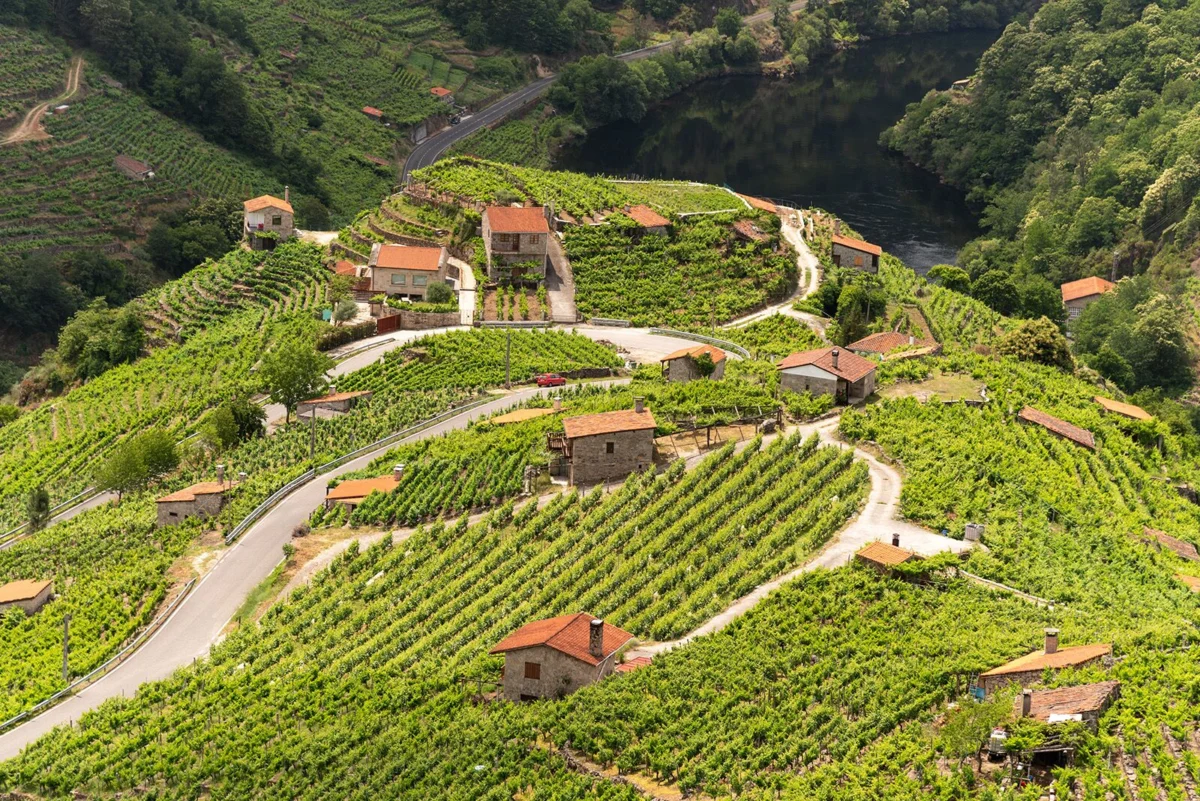
In Spain, wine is far more than a fermented beverage; it is the lifeblood of the social contract. From the rugged Atlantic cliffs of Galicia to the volcanic craters of the Canary Islands, the Spanish approach to viticulture is defined by an ancient, unwavering philosophy: "What grows together, goes together." For the discerning traveler, wine serves as a sensory map of the country’s diverse geography, offering a shortcut through millennia of history, regional identity, and culinary innovation.
While global palates often default to the bold Tempranillo blends of Rioja or the structured majesty of Ribera del Duero, the true soul of Spanish wine lies in its regional heterogeneity. To understand Spain, one must drink its landscape.
The Chronology of Vine: A Historical Overview
Spain’s relationship with the vine is deep-rooted, dating back to the Phoenician traders who introduced viticulture to the southern coast over 2,000 years ago. Throughout the Roman era, Spanish wine became a cornerstone of Mediterranean commerce, fueling the Empire.
During the Middle Ages, the Reconquista and the subsequent influence of monastic orders saw the development of remote viticultural pockets, such as the precipitous terraces of Ribeira Sacra. In the 18th and 19th centuries, the commercialization of Sherry (Jerez) and Cava (Penedès) cemented Spain’s position as a global export powerhouse. Today, the nation stands as one of the world’s most exciting frontiers for oenology, balancing the preservation of ancestral "heroic viticulture" with the technological precision of modern appellations like Rueda.
Basque Country: The Theatre of Txakoli
In the verdant northern reaches of Euskadi, wine is performance. Entering a tavern in San Sebastián, one is likely to encounter the porrón—a glass vessel with a long, tapered spout designed to aerate the wine as it is poured directly into the drinker’s mouth.
The Appellation
Txakoli, produced under three distinct Denominación de Origen (DO) zones, is defined by the Hondarrabi Zuri and Hondarrabi Beltza grapes. These wines are notoriously high-acid, dry, and often possess a faint, natural effervescence. They are the essential partner to pintxos, the bite-sized culinary masterpieces that define Basque dining.
Cultural Implications
The Basque language, Euskara, is one of the oldest in Europe, and the region’s wine culture mirrors this sense of linguistic and geographic isolation. It is a rugged, maritime-influenced viticulture that demands to be enjoyed in situ.
- Traveler’s Note: The annual Txakoli festival in Getaria (January) provides an immersive look at the year’s new vintage.
Jerez de la Frontera: The Alchemy of Sherry
To visit a tabanco in Jerez is to step into a time capsule. Amidst the clatter of flamenco heels and the haunting strains of a Spanish guitar, locals sip copitas of Sherry.
The Science of the Soil
The secret to Sherry lies in albariza—a stark, chalk-white soil that retains moisture during the scorching Andalusian summers. Whether aged under a veil of flor (yeast) to create the crisp, saline Fino, or through deliberate oxidation to produce the rich, nutty Oloroso, Sherry represents a form of winemaking alchemy that is unique to this "Sherry Triangle."
Official Perspective
Local producers emphasize that Sherry is a "living wine." The solera system—a fractional blending process—ensures that every bottle contains a literal drop of history, with younger vintages perpetually refreshed by older ones.
Galicia: The Atlantic Connection
Galicia is a region of emerald hills and Celtic echoes. Here, the viticulture is inextricably linked to the rías—the deep, nutrient-rich estuaries that yield some of the world’s finest shellfish.
Rías Baixas: The Albariño Kingdom
In the coastal pockets of Rías Baixas, the Albariño grape reigns supreme. These wines are aromatic, saline, and piercingly fresh. The August Festa do Albariño in Cambados is the definitive event for enthusiasts looking to pair the latest vintages with fresh-shucked scallops and mussels.
Ribeira Sacra: Heroic Viticulture
Moving inland, the landscape shifts to the vertiginous canyons of the Sil and Miño rivers. Here, the term "heroic viticulture" is no mere marketing slogan; growers must navigate nearly vertical, granite-hewn terraces to cultivate the Mencía grape. These red wines offer a perfumed, meaty complexity reminiscent of fine Pinot Noir, proving that Galicia’s interior is as sophisticated as its coastline.
Lanzarote: The Volcanic Anomaly
Perhaps the most striking viticultural landscape on earth is found in the Canary Islands. Following the volcanic eruptions of the 1730s, the island of Lanzarote was blanketed in picón (volcanic ash).
Agricultural Ingenuity
Rather than being deterred, local farmers dug individual hollows through the ash to reach the fertile soil beneath, surrounding each vine with a semi-circular stone wall to shield it from the relentless Atlantic winds. The resulting Malvasía Volcánica is a testament to human resilience, offering a mineral-forward profile that tastes as unique as the lunar landscape from which it springs.
Penedès: The Sparkling Standard
Catalonia’s Penedès region, located within an hour’s drive of Barcelona, serves as the spiritual home of Cava. While the terroir is rustic—scented with wild rosemary and thyme—the production methods are strictly traditional.
Data and Trends
Cava is crafted using the método tradicional (the same process as Champagne), utilizing indigenous grapes: Xarel·lo, Macabeo, and Parellada. Market data indicates a growing consumer shift toward "Reserva" and "Gran Reserva" Cavas, which offer a nutty, creamy depth that rivals the world’s best sparkling wines. The September Harvest Fest remains the premier opportunity to witness the synergy between Catalan gastronomy and its sparkling export.
Rueda: The Midnight Harvest
In the high-altitude plains of Castilla y León, the Verdejo grape faces a harsh environment. With summer temperatures regularly exceeding 95°F, the acidity required for a balanced white wine is at risk of evaporating.
The Midnight Shift
To preserve the grape’s delicate fennel and citrus notes, producers have adopted the practice of "nocturnal harvesting." By picking under the moonlight, they ensure the fruit arrives at the winery at its coolest, most stable state. This technical evolution, championed in the 1970s by visionary producers like Marqués de Riscal, transformed Rueda into the most successful white wine region in Spain.
Synthesis: Why the "Locavore" Philosophy Matters
The success of Spanish wine is not merely a matter of soil and sun, but of cultural integration. Whether it is the pisado (grape treading) in Rueda or the tabancos of Jerez, the wine is always treated as an extension of the local food culture.
Implications for the Future
As climate change poses new challenges to traditional viticultural regions, Spain’s diversity acts as its greatest strength. The recovery of ancient, drought-resistant varieties in places like Ribeira Sacra and the Canary Islands suggests that the future of wine in Spain will rely on a return to ancestral wisdom, coupled with the rigorous scientific standards currently being applied in appellations like Rueda and Penedès.
For the traveler, this means that the map of Spain is never static. To follow the wine is to witness a living history—a narrative written in chalk, volcanic ash, granite, and sea salt. When you plan your next journey to the Iberian Peninsula, look past the labels in the duty-free shop. Seek out the local glass, the local snack, and the local harvest festival. You will find that the best way to experience Spain is not just to see it, but to taste the very ground from which its culture has grown.
 Jia Lissa
  Nana Wu