
 By Basiran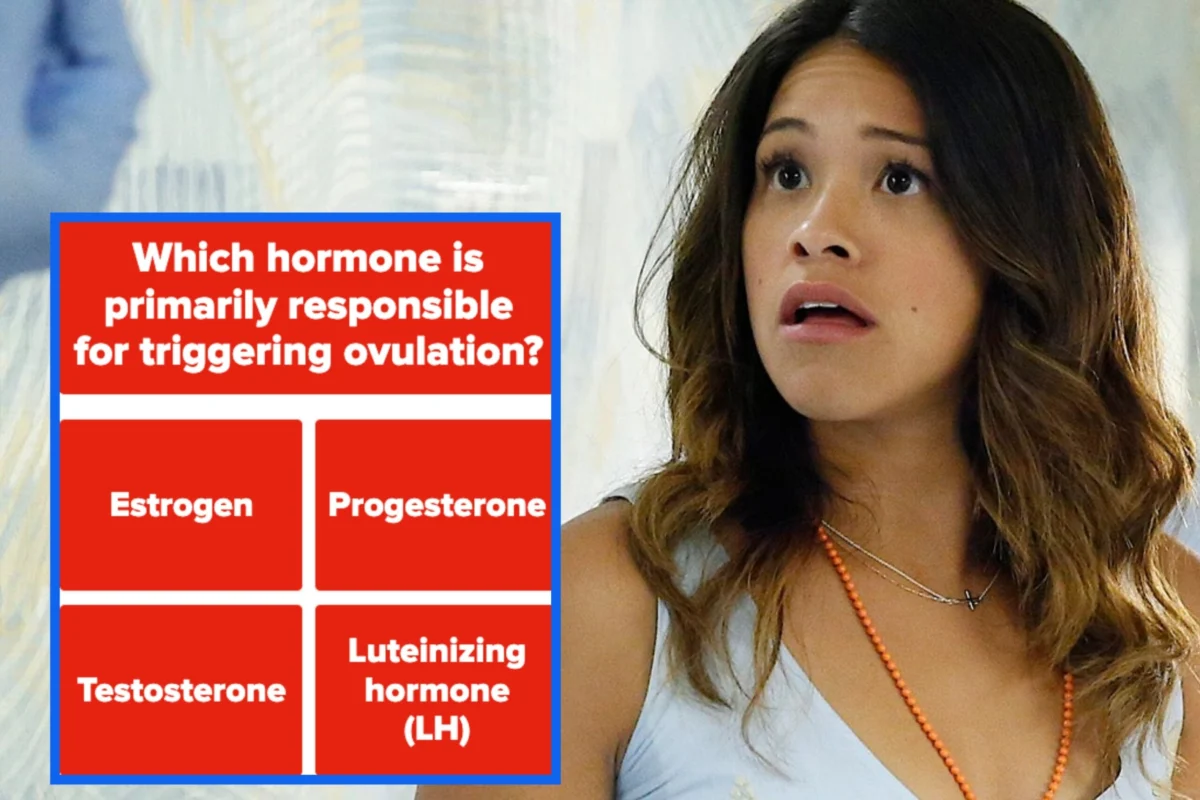
Remember the stifled giggles, the averted gazes, and the palpable awkwardness of your middle school sex education class? For many, the experience was less about comprehensive health information and more about enduring a series of uncomfortable PowerPoint slides delivered by a teacher who looked as eager to be there as the students were.
However, as we transition into adulthood, the stakes of sexual health and literacy shift dramatically. The biological basics once taught in a sterile classroom have evolved into complex questions regarding consent, reproductive health, emotional intelligence, and interpersonal communication. Today, experts are suggesting that it is time to revisit those lessons—not because we didn’t learn them then, but because the context of our lives has fundamentally changed.
The Evolution of Sexual Health Literacy
Sexual literacy is no longer confined to the biological definitions of reproduction. In the contemporary landscape, it encompasses a holistic understanding of how sexual health intersects with overall well-being, psychological safety, and societal expectations.
For many adults, the "knowledge gap" is real. While we may have mastered the foundational mechanics taught in grade school, the nuance of modern sexual health—including advancements in contraception, the evolving understanding of gender identity, and the digital ethics of modern dating—requires a continuous learning process.
Public health organizations have increasingly emphasized that sexual education is a lifelong endeavor. As we age, our health needs, relationships, and societal environments change, necessitating a more mature and nuanced engagement with the topics we once squirmed over as teenagers.
A Chronology of Sex Education: From Biology to Behavioral Health
To understand why we need to reassess our knowledge, we must look at how we got here.
- The Early 20th Century: Sex education was largely absent from public curricula, leaving health information to be passed down through informal channels, which were often riddled with myths and misconceptions.
- The 1960s and 70s: This era saw a significant shift, with the implementation of more structured health curricula. The focus was predominantly on anatomy, disease prevention, and the prevention of unintended pregnancy.
- The 1990s and 2000s: Public debate surged regarding "abstinence-only" vs. "comprehensive" education. This period created a fragmented landscape where the quality of information received by students depended heavily on their zip code and school district.
- The Digital Age (2010s to Present): The rise of social media and ubiquitous internet access has democratized information, but it has also led to an "infodemic" where accurate medical advice is often buried under harmful misinformation.
The Data: What We Know (And What We Don’t)
Recent surveys and data analysis suggest that while most adults feel confident in their knowledge, there is a measurable disparity between perceived expertise and actual health literacy.
According to studies conducted by reproductive health advocacy groups, a significant percentage of adults struggle to correctly identify the efficacy rates of various contraceptive methods or understand the asymptomatic nature of many common sexually transmitted infections (STIs).
Furthermore, data from the Centers for Disease Control and Prevention (CDC) indicates that rates of certain STIs remain high across various age groups. This data suggests that the lack of updated, adult-oriented sex education may be a contributing factor. When health literacy is stagnant, the ability to make informed decisions about one’s body decreases, leading to higher risks of complications and lower satisfaction in health outcomes.
Official Responses and Public Health Perspectives
Public health officials and educators are now advocating for a "refresher" approach to sexual health. Rather than viewing sex education as a one-time school requirement, they suggest viewing it as part of a routine health check-up.
"The goal is to destigmatize the conversation," says Dr. Elena Rodriguez, a specialist in reproductive health. "When we frame sexual health as part of general wellness—like heart health or nutrition—the barrier of awkwardness begins to crumble. We want adults to feel as comfortable asking their primary care physician about sexual health concerns as they would about a persistent cough."
Organizations such as the American Sexual Health Association have released updated guidelines for adult education, emphasizing that the conversation must include:
- Preventative Care: Routine testing and vaccination protocols.
- Consent and Communication: Developing the emotional vocabulary to navigate intimate relationships.
- Myth-Busting: Addressing the viral misinformation frequently spread on social media platforms.
Implications: Why This Matters for Modern Life
The implications of increased sexual literacy go far beyond individual health. They impact our relationships, our mental health, and our societal norms.
1. Improved Relationship Quality
Communication is the cornerstone of any healthy relationship. By refining our understanding of sexual health and personal boundaries, we become better equipped to advocate for our needs and respect the needs of our partners. This leads to increased intimacy and decreased anxiety surrounding sexual encounters.
2. Reducing Health Disparities
When individuals are better informed, they are more likely to seek preventative care. This reduces the burden on the healthcare system and decreases the long-term impact of preventable health conditions. Education is the most effective tool for mitigating the stigma that prevents people from seeking treatment.
3. Combatting Misinformation
We live in an era where an influencer with no medical background can reach millions with scientifically inaccurate claims about health. A sexually literate population is a resilient population—one that possesses the critical thinking skills to evaluate sources and prioritize evidence-based medical advice.
Moving Forward: How to Re-Educate Yourself
If the prospect of taking a "sex ed test" feels daunting, remember that this is an opportunity for growth, not judgment. The goal is not to prove how much you remember from high school, but to identify where your knowledge might be outdated.
- Engage with Reputable Sources: Rely on peer-reviewed research, academic institutions, and government health websites rather than social media threads.
- Talk to Professionals: Use your annual physical or gynecological exam as a time to ask questions you’ve been hesitant to bring up.
- Foster Open Communication: Normalize these conversations with friends and partners. The more we speak about sexual health as a standard part of the human experience, the less power shame and stigma hold.
Conclusion: A New Standard of Adulthood
The awkwardness we felt in the classroom was a byproduct of being young and inexperienced. As adults, we have the benefit of maturity, context, and the ability to seek out information on our own terms.
Revisiting these concepts isn’t about reliving the past; it’s about equipping ourselves for a healthier, more informed future. Whether you ace the quiz or discover a few gaps in your knowledge, the process of learning is a testament to taking control of your health. After all, sexual health is a lifelong journey, and there is no shame in ensuring you have the right map to navigate it.
How did you do? The test is designed to challenge your assumptions and update your vocabulary for the modern world. Take the time to reflect on your results, seek out the facts where you were uncertain, and—as always—join the conversation in the comments below. Knowledge is the first step toward empowerment.
 Lina Irawan
  Layla Zulfa
  Asep Darmawan