
 By Ali Ikhwan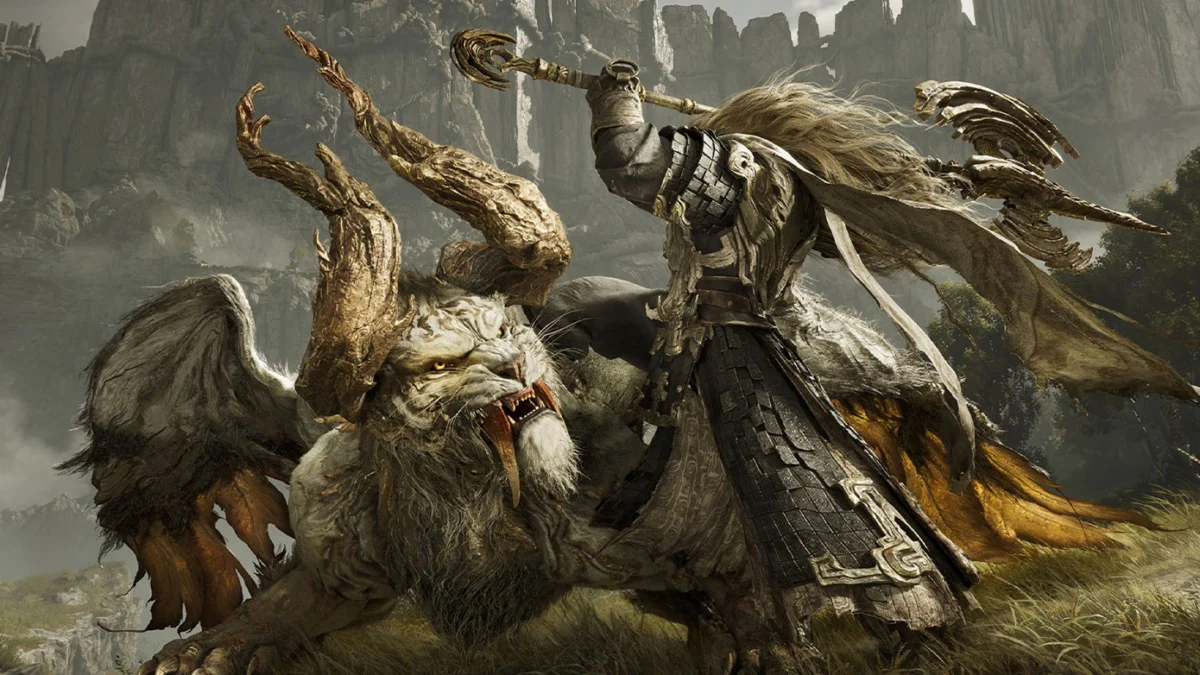
HoYoverse, the juggernaut behind global sensations like Genshin Impact and Honkai: Star Rail, is charting a radically different course with its upcoming project, Nodusfall. For years, the studio has defined its identity through vibrant anime aesthetics, expansive open worlds, and a signature gacha-driven character acquisition model. Nodusfall stands in stark contrast to this legacy, embracing a gritty, dark fantasy aesthetic that prioritizes atmospheric tension and mechanical depth over the high-saturation visuals for which the studio is known.
Following a hands-on preview session at Gamescom in Cologne, it is clear that while Nodusfall shares the DNA of a polished AAA production, it is actively attempting to shed the "HoYoverse archetype." By trading whimsical exploration for high-stakes, group-based combat, the studio is signaling a desire to compete in a more mature, action-oriented sector of the gaming market.
The Shift in Identity: From Whimsy to Dark Fantasy
At first glance, Nodusfall is almost unrecognizable as a HoYoverse title. Gone are the familiar, brightly colored landscapes and the cutesy character designs. In their stead, players are greeted by an environment steeped in somber realism, mysterious, eldritch magics, and a sense of impending dread.
The visual language of the game draws immediate comparisons to the "Soulslike" genre, most notably FromSoftware’s Elden Ring. The color palette is muted, favoring shadows, desaturated tones, and a dingier, more grounded texture quality. However, the game manages to avoid feeling like a mere derivative. During the demo, the world felt deliberate; the environment was not just a backdrop for anime-style acrobatics, but a cohesive setting designed to evoke the specific, heavy atmosphere of dark fantasy.
Chronology of the Experience: A Trial by Fire
My time with Nodusfall at Gamescom was focused on a core pillar of the game’s loop: four-player cooperative boss encounters. As someone whose primary co-op background is rooted in the deliberate, grid-based, and mouse-heavy interactions of RuneScape, the prospect of high-octane, real-time boss battles was initially daunting. The fear of "letting the team down" is a common anxiety in modern group-based action games, yet Nodusfall’s onboarding process proved remarkably intuitive.
Character Selection and Role Definition
The demo provided four distinct character archetypes. Two were melee-focused bruisers, and two were ranged specialists. Within each group, there was a designated "healer" or support character. I opted for the archer—a character equipped with a mechanical arm—specifically to avoid the high-pressure responsibility of healing, while still contributing meaningful damage from a safe distance.
This selection process highlights the game’s approach to party composition. It is clear that while individual skill matters, success in Nodusfall is predicated on how these roles interlock. As an archer, my role was not just to deal damage, but to act as a pivot point for the team, moving in to provide support when necessary and retreating to maintain distance when the boss turned its attention toward me.
The Mechanics of Battle
The combat rhythm in Nodusfall is surprisingly accessible. It utilizes a base-attack system that fuels a resource gauge, which, once filled, allows for a more potent, specialized attack. Beyond this core loop, each character is equipped with four unique, cooldown-based abilities.

For the archer, these abilities included a "bomb arrow" that could be embedded into an enemy to deal delayed burst damage, a tactical dash that functioned as both an escape and an offensive setup, and a spirit-wolf summon. This summon, while powerful, required close-quarters execution, forcing me to dash into the fray, trigger the skill, and immediately retreat. This cycle—expending stamina to balance high-risk, high-reward moves with self-preservation—creates a kinetic, rhythmic combat flow that feels rewarding rather than overwhelming.
Boss Design: Mythology and Unpredictability
The standout feature of the Nodusfall preview was undeniably the enemy design. HoYoverse has clearly poured significant resources into crafting encounters that feel distinct and intimidating.
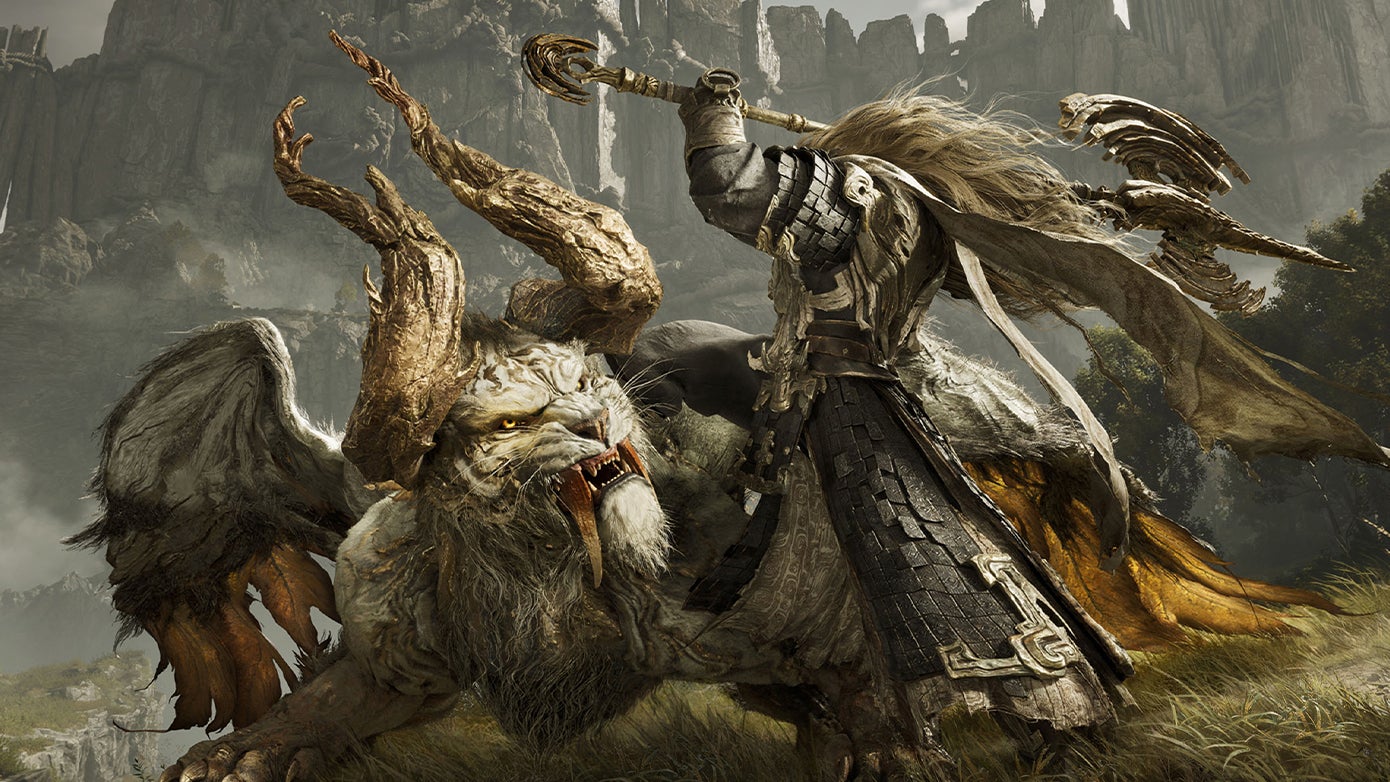
The first encounter involved the Qiongqi, a beast derived from Chinese mythology reimagined as a terrifying, griffin-like monstrosity. The second, and far more compelling, was the Maldrake—a dragon-like entity that defied typical expectations. The Maldrake fight was a masterclass in multi-stage boss design. Initially, the creature utilized standard dragon mechanics: fire-breathing, tail-whipping, and wing-smashing. However, the true shock occurred mid-fight when a knight burst forth from the dragon’s own torso, killing the beast and shifting the encounter into an entirely new phase.
The "Maldrake Knight" introduced a completely different set of challenges. The fight transitioned from a massive, slow-moving target to a lightning-fast duel against a humanoid enemy wielding a polearm and sword. The addition of environmental hazards, such as puddles of necrotic black goo, forced an immediate adaptation of strategy. This level of mechanical evolution suggests that HoYoverse is aiming for a level of boss complexity that demands experimentation and communication rather than rote memorization.

Monetization and the Future of the Model
Perhaps the most pressing question for any HoYoverse game is its monetization strategy. Given the studio’s massive success with gacha-based banner systems in Genshin Impact and Honkai: Star Rail, there is a natural skepticism regarding how Nodusfall will generate revenue.
During the demo, developers indicated a significant departure from the norm. The team stated that characters in Nodusfall would be unlockable through continuous, dedicated play rather than the traditional gacha "banner" system. While the specifics remain thin, the suggestion is that the game will pivot toward cosmetic monetization—skins, visual effects, and other non-power-related items.
If this holds true, it represents a monumental shift for HoYoverse. Moving away from the gacha model suggests they are betting on player retention through gameplay depth and long-term engagement, rather than the "pull-to-win" cycle that defines their current portfolio.
Implications for the Industry
Nodusfall represents a calculated risk for HoYoverse. By entering the dark fantasy action space, they are stepping into a ring occupied by some of the most critically acclaimed titles of the last decade.

Can They Compete?
The success of Nodusfall will depend on three key factors:
- Solo Play Integration: While the co-op experience was stellar, the viability of the game as a solo-player experience remains a mystery. How the game balances difficulty for a lone player versus a coordinated squad will determine its accessibility.
- Depth of the World: Beyond the boss battles, the game needs a compelling narrative and a world-building depth that justifies the grim tone.
- Monetization Transparency: If the shift away from gacha is genuine, the studio will need to be incredibly transparent about how they intend to sustain the game long-term without relying on the predatory mechanics that gamers have come to associate with their brand.
A New Chapter for HoYoverse
Ultimately, Nodusfall is proof that HoYoverse is not content with simply iterating on its past successes. They are diversifying their portfolio, challenging their developers to master new genres, and attempting to capture a more traditional gaming audience.
From my time in Cologne, the game feels like a "coming of age" moment for the studio. It is fast-paced, mechanically sound, and visually arresting. While it borrows from the best in the business, it possesses enough of its own identity to warrant serious attention. As we head into the coming year, Nodusfall is undoubtedly one of the most intriguing projects to watch—not because it comes from HoYoverse, but because it feels like the first time they are finally trying to be something entirely new.
 Nila Kartika Wati
  Laily UPN
  rifanmuazin