
 By Laily UPN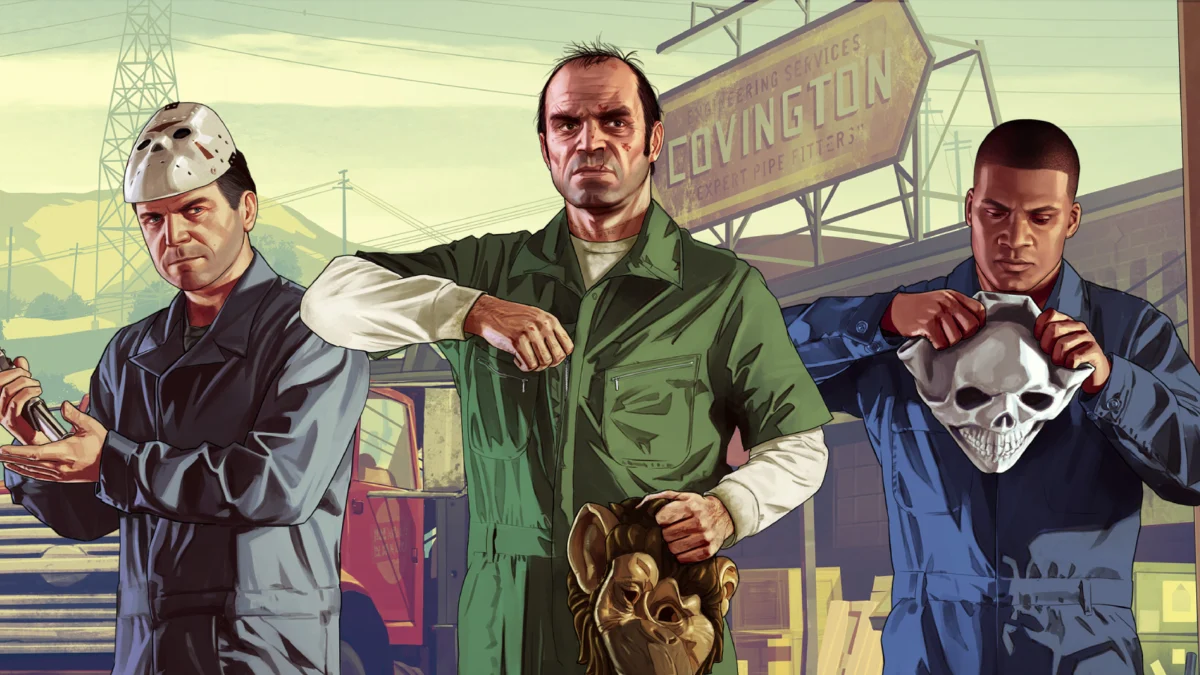
In the world of video game development, source code is the holy grail of intellectual property. It is the blueprint, the DNA, and the architectural foundation of a virtual world. Recently, Rockstar Games, the legendary studio behind the Grand Theft Auto and Red Dead Redemption franchises, has found itself at the epicenter of a massive data leak. Approximately 192GB of internal files—including source code for Grand Theft Auto 5—have surfaced online, offering an unprecedented, if unauthorized, glimpse into the studio’s internal operations, cancelled projects, and early development stages of the highly anticipated Grand Theft Auto 6.
The Core Facts: What the Leak Reveals
The leak, which has been circulating through various corners of the gaming community, contains a treasure trove of technical documentation, unused assets, and development tools. Most notably, the source code for Grand Theft Auto 5—a title that has defined a generation of gaming—has been exposed.
For industry analysts and devoted fans, the most intriguing aspect of the leak is the confirmation of ambitious expansion plans that never materialized. Among the files, researchers have discovered detailed outlines for a "Liberty City" expansion. Liberty City, the fictionalized New York City setting of GTA 4, was apparently slated for a major return in GTA 5. Data extracted via tools like CodeWalker suggests that the planned map was significantly larger and more detailed than its predecessor, indicating that Rockstar had invested considerable resources into the project before ultimately pulling the plug.
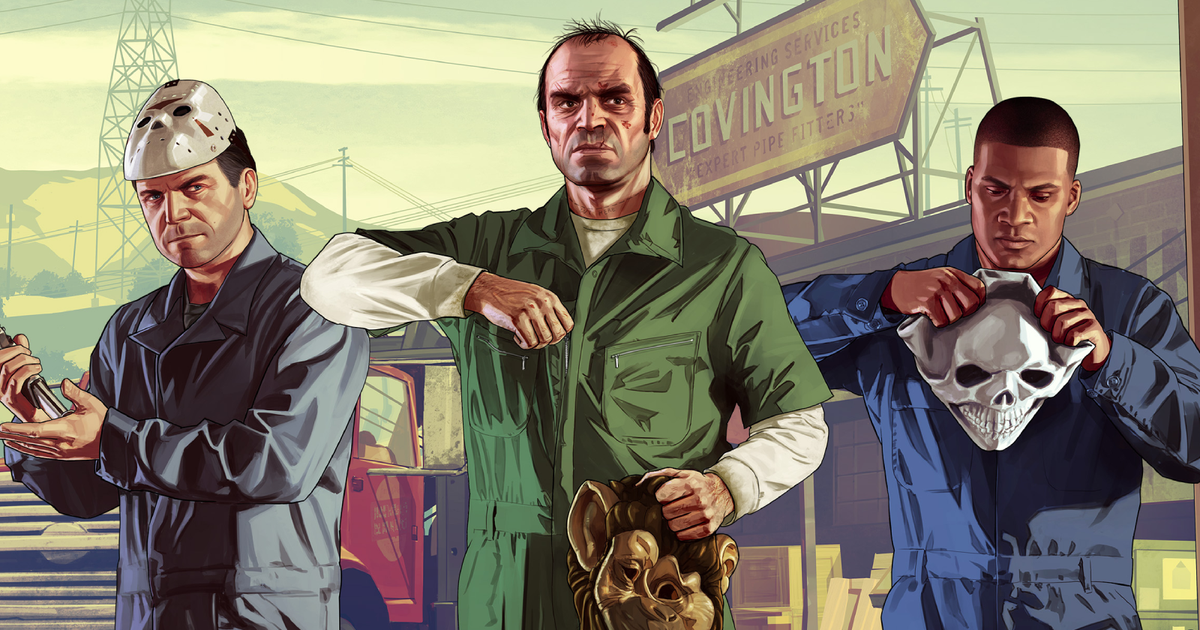
Beyond the Liberty City expansion, the leak includes remnants of "Agent Trevor," a highly discussed, long-rumored, but never-released story DLC that would have featured Trevor Philips as an undercover government operative.
A Chronology of Cancelled Ambitions
To understand why these files are surfacing now, one must look at the historical trajectory of GTA 5’s post-launch support.
The Shift to Online Dominance
Following the release of Grand Theft Auto 5 in 2013, the gaming world was captivated by its narrative. However, the subsequent launch of GTA Online changed the studio’s economic reality. As former Rockstar employees have noted, GTA Online became an unprecedented "cash cow."
The "Agent Trevor" Era
Before the pivot to Online, Rockstar had active plans for single-player narrative expansions. Steven Ogg, the actor who portrayed Trevor, famously mentioned that he had performed motion capture and recorded dialogue for an undercover spy-themed DLC. This fits the timeline of 2014-2015, when Rockstar was still balancing the needs of its sprawling online platform with the expectations of fans who wanted more single-player content.
The Liberty City Mirage
Around 2015, rumors began circulating regarding a return to Liberty City. A screenshot that surfaced on a Rockstar artist’s portfolio a decade ago, which showed a high-fidelity version of Liberty City running in the GTA 5 engine, was long dismissed as a fan mock-up or a concept test. The recent leak confirms that this was not a mere test; it was a substantial development effort that was eventually shelved as the company consolidated its resources toward Red Dead Redemption 2 and the continued expansion of GTA Online.
Supporting Data: The Technical Evidence
The veracity of the leak is bolstered by the technical nature of the files. The data does not consist merely of screenshots or speculative documents; it includes functional Rockstar proprietary tools, source code strings, and map geometry.
The CodeWalker Verification
YouTuber TJGM provided significant verification by utilizing CodeWalker—a tool used by the modding community to analyze GTA assets—to visualize the leaked Liberty City data. The resulting wireframes and shorelines clearly demonstrate a map design that aligns with the aesthetic and technical requirements of the RAGE (Rockstar Advanced Game Engine) used in GTA 5.
Early GTA 6 Files
Perhaps most startling to industry observers is the inclusion of early-stage files related to Grand Theft Auto 6. While these files are reportedly extremely rudimentary, they provide a timeline of how early the transition from GTA 5 to its successor began. This internal crossover, where teams began splitting their focus between Online maintenance, Red Dead Redemption 2, and early GTA 6 prototyping, explains the eventual abandonment of the Liberty City project.
Official Responses and Corporate Stance
Rockstar Games, a subsidiary of Take-Two Interactive, has maintained a notoriously tight-lipped policy regarding its internal affairs. Historically, the studio has been aggressive in protecting its intellectual property.
While Rockstar has not issued a detailed public statement specifically addressing the contents of this most recent 192GB dump, their history suggests a "no comment" approach is their standard protocol for leaks. The company typically focuses on legal avenues to remove copyrighted material from hosting platforms rather than engaging in a dialogue with those distributing the data. This silence reflects the gravity of the situation; by acknowledging the contents of the leak, the company would inadvertently confirm internal development processes and trade secrets that they prefer to keep under wraps.
The Implications: What This Means for the Industry
The leaking of source code is an existential threat to game developers. Beyond the loss of trade secrets, it creates significant security and ethical concerns.

The Security Risks
When source code is released, it often contains keys, server infrastructure details, and vulnerabilities that can be exploited by malicious actors. For a live-service titan like GTA Online, this is a nightmare scenario. If bad actors can understand the underlying code, it becomes significantly easier to develop sophisticated hacks, cheats, or even conduct potential server-side attacks.
The "What If" Narrative
For the gaming community, the leak serves as a bittersweet reminder of what could have been. The "Agent Trevor" DLC and the Liberty City expansion represent a "Golden Age" of single-player expansion content that has largely vanished from the AAA industry. In the current landscape, the massive financial success of live-service models often dictates that story-based DLC is a poor return on investment compared to recurring microtransactions. The leak confirms that this was a conscious, business-driven decision rather than a creative one.
The Future of Development
This incident will undoubtedly lead to tighter security protocols at Rockstar Games and throughout the wider industry. Remote work, the prevalence of cloud-based development, and the increasing size of development teams have created more points of failure for data security. We are likely to see a shift toward more siloed development environments, where employees have access only to the specific modules of code they are currently working on, rather than the entire repository.
Conclusion: A Legacy of "What Could Have Been"
The 192GB of leaked data is more than just a security breach; it is an archeological dig into the history of one of the world’s most successful entertainment products. It tells a story of a studio at a crossroads—torn between the narrative-driven single-player experiences that built its reputation and the lucrative, ever-evolving world of online multiplayer.
While fans may pore over the files, looking for clues about the future of GTA 6 or mourning the loss of a Liberty City expansion, the industry at large will look at this event as a cautionary tale. As Rockstar moves forward into the next era of their flagship franchise, this leak stands as a stark reminder of the fragile nature of digital creation, and the immense, hidden effort that goes into building the worlds we inhabit. Whether or not these scrapped projects ever see the light of day in a future title remains a matter of speculation, but for now, the "Liberty City" that never was remains a ghost in the machine of Grand Theft Auto 5.
 Nila Kartika Wati
  rifanmuazin
  Evan Lee Salim