
 By Pevita Pearce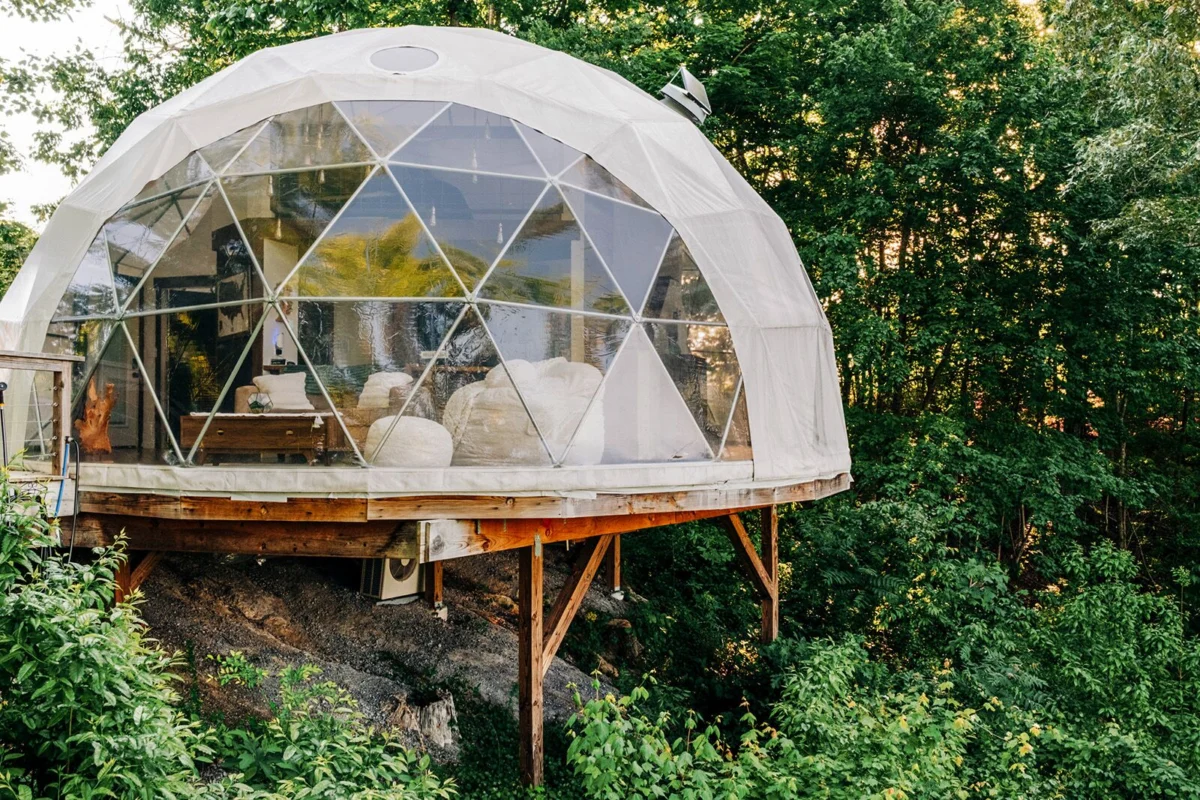
As I clambered up the moss-slicked riverbank, sketchbook in hand and lungs burning with the crisp, ancient air of the Appalachians, a realization took root: "slow travel" is not a passive pursuit. It is, in fact, an immersive discipline—one that demands as much, if not more, presence than the high-adrenaline exploits that often dominate the modern travel narrative. In a world obsessed with ticking off bucket lists, slow travel is not about sightseeing; it is about being.
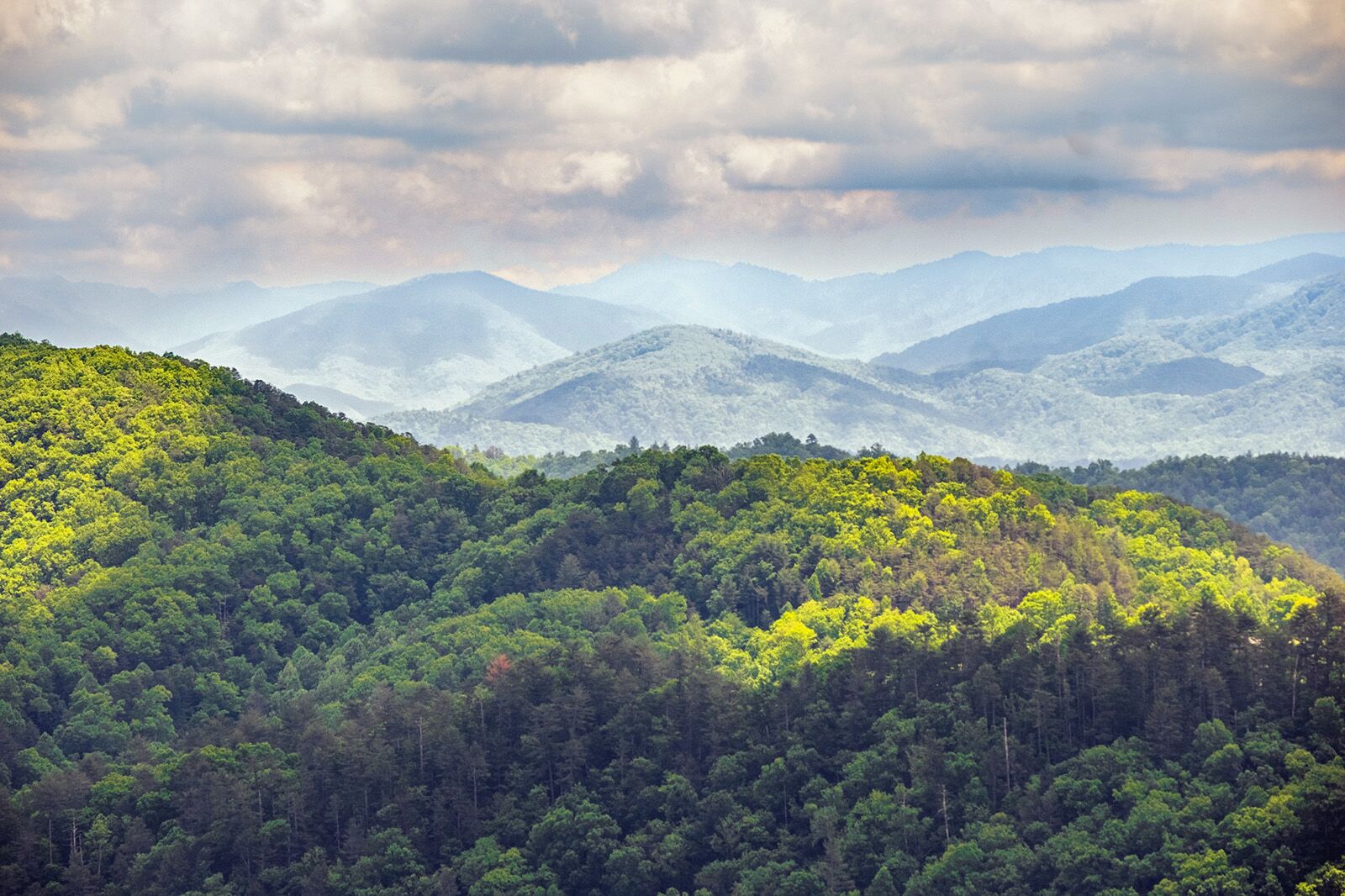
The Great Smoky Mountains National Park, the most biodiverse unit in the U.S. National Park System, straddles the Appalachian range—a geological titan among the world’s oldest mountains. Here, the landscape offers an unmediated connection to the rhythmic pulse of the natural world. While the park records upwards of 11.5 million annual visitors, the vast majority of this traffic concentrates on the North Carolina corridors. For those willing to venture to the "Peaceful Side of the Smokies"—the moniker for the region surrounding Townsend, Tennessee—the experience shifts from crowded transit to a landscape softened by time and teeming with life.
The Geography of Stillness: Main Facts and Regional Context
The "Peaceful Side" is more than a slogan for a single town; it is a gateway to a broader philosophy of travel that extends from the forest-dense ridges of the Smokies into the rolling, pasture-rich topography of Middle Tennessee’s Upper Cumberland.
The region is characterized by limestone canyons, undulating forests, and a lingering sense of Southern hospitality that feels increasingly rare. For the modern traveler, particularly the high-achieving professional accustomed to the frantic pace of urban centers like Nashville or Knoxville, this region provides a necessary reset. It is a place to dismantle the "always-on" mentality and re-engage with the sensory offerings of the environment.
Chronology of an Immersive Escape
To truly understand the rhythm of this region, one must follow a sequence of intentional engagement:
- Phase 1: The Intellectual Connection: Start at the Great Smoky Mountains Institute at Tremont. Nestled along the shaded banks of the Little River, this institute has spent decades fostering environmental literacy. While famous for its youth field programs, its adult offerings—ranging from naturalist-led backpacking excursions to contemplative photography camps—serve as the perfect entry point for those seeking to understand the park’s ecology rather than just its scenery.
- Phase 2: The Gateway to the Quiet Side: Transition into the town of Townsend. Before entering the park, Townsend serves as the essential basecamp. Here, the culture is one of decompression. A visit to Company Distilling is essential. Under the guidance of industry veteran Jeff Arnett, who spent nearly two decades defining the legacy of Jack Daniel’s, the distillery now focuses on hyper-local innovation, aging spirits using native hardwoods. Sipping a maple-finished bourbon on the banks of the Little River is, perhaps, the quintessential "slow" experience.
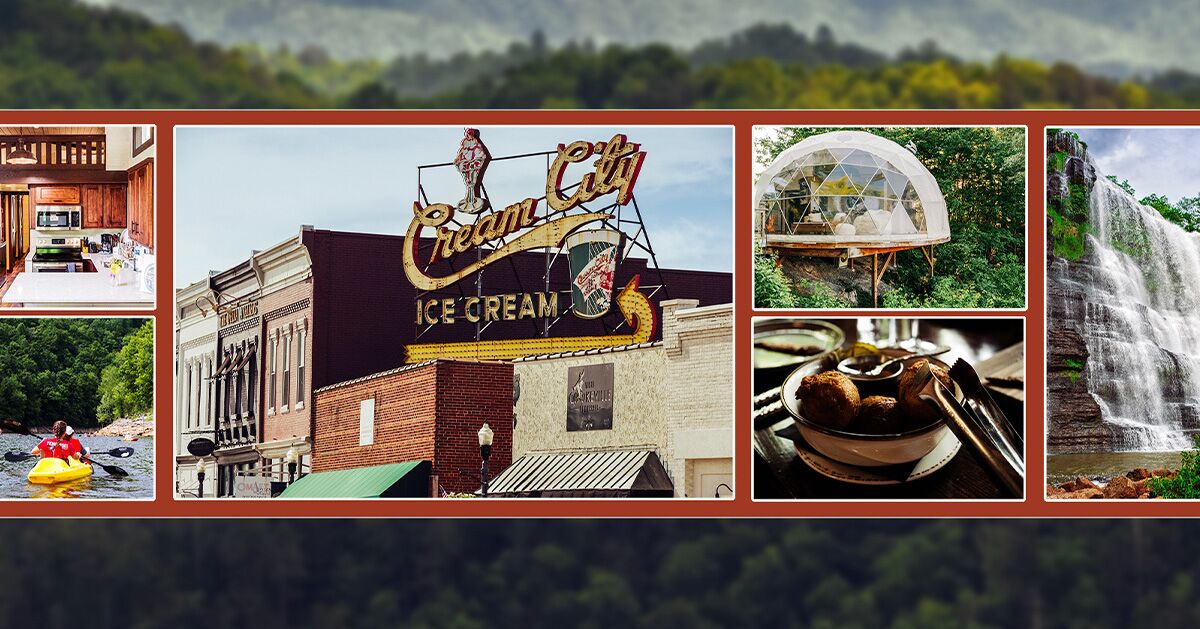
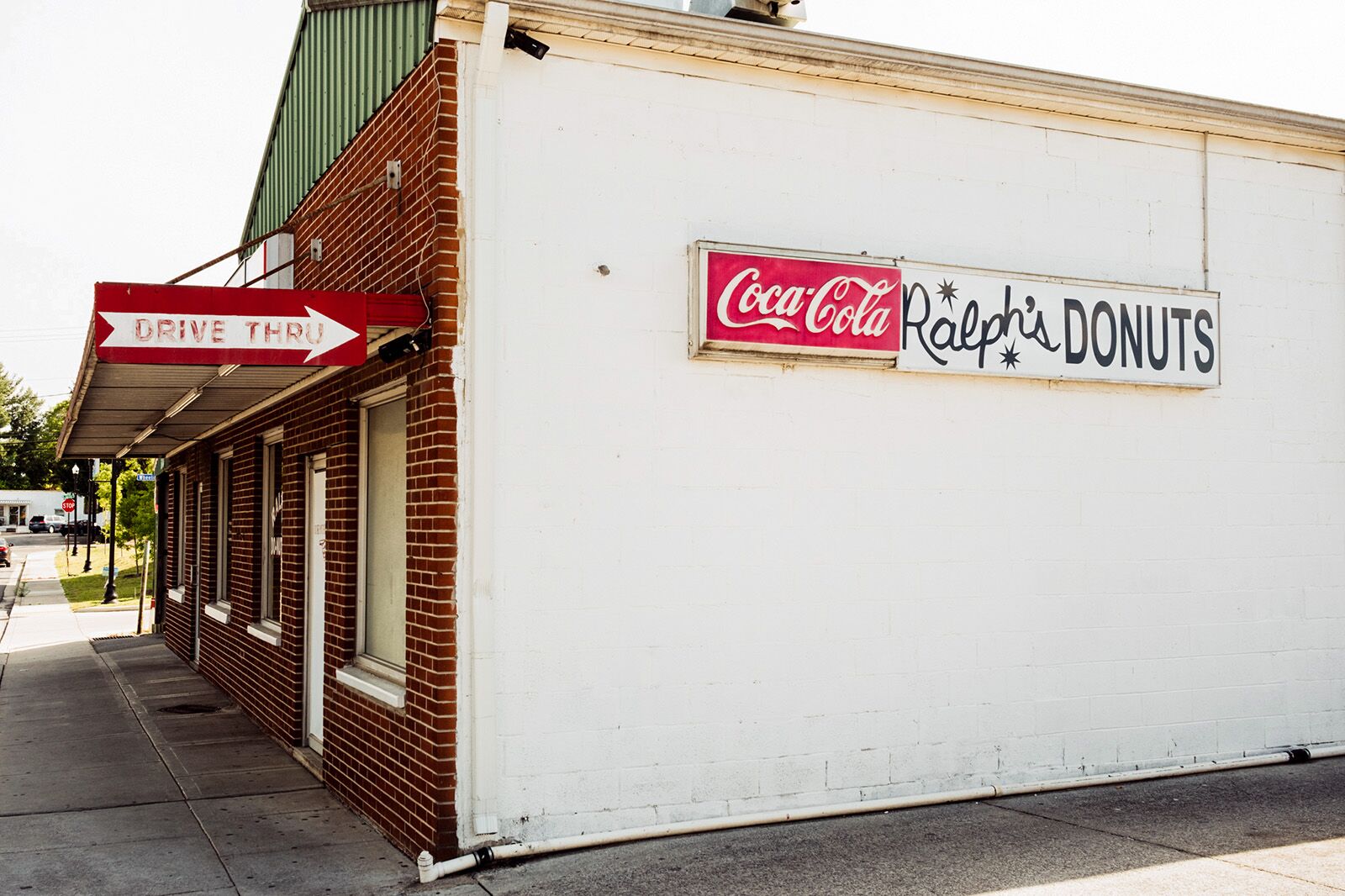
- Phase 3: The Cosmopolitan Shift: Moving westward toward Cookeville, the landscape transitions from mountain ridges to limestone bluffs. This is the heart of the Upper Cumberland. Here, the itinerary focuses on community-driven interactions: a morning at Ralph’s Donut Shop, an afternoon browsing bespoke herbal teas at Synergy Herbal Works, or selecting local florals at the Glass Tangerine. These are not tourist traps; they are the living rooms of a community that prides itself on genuine, unhurried conversation.
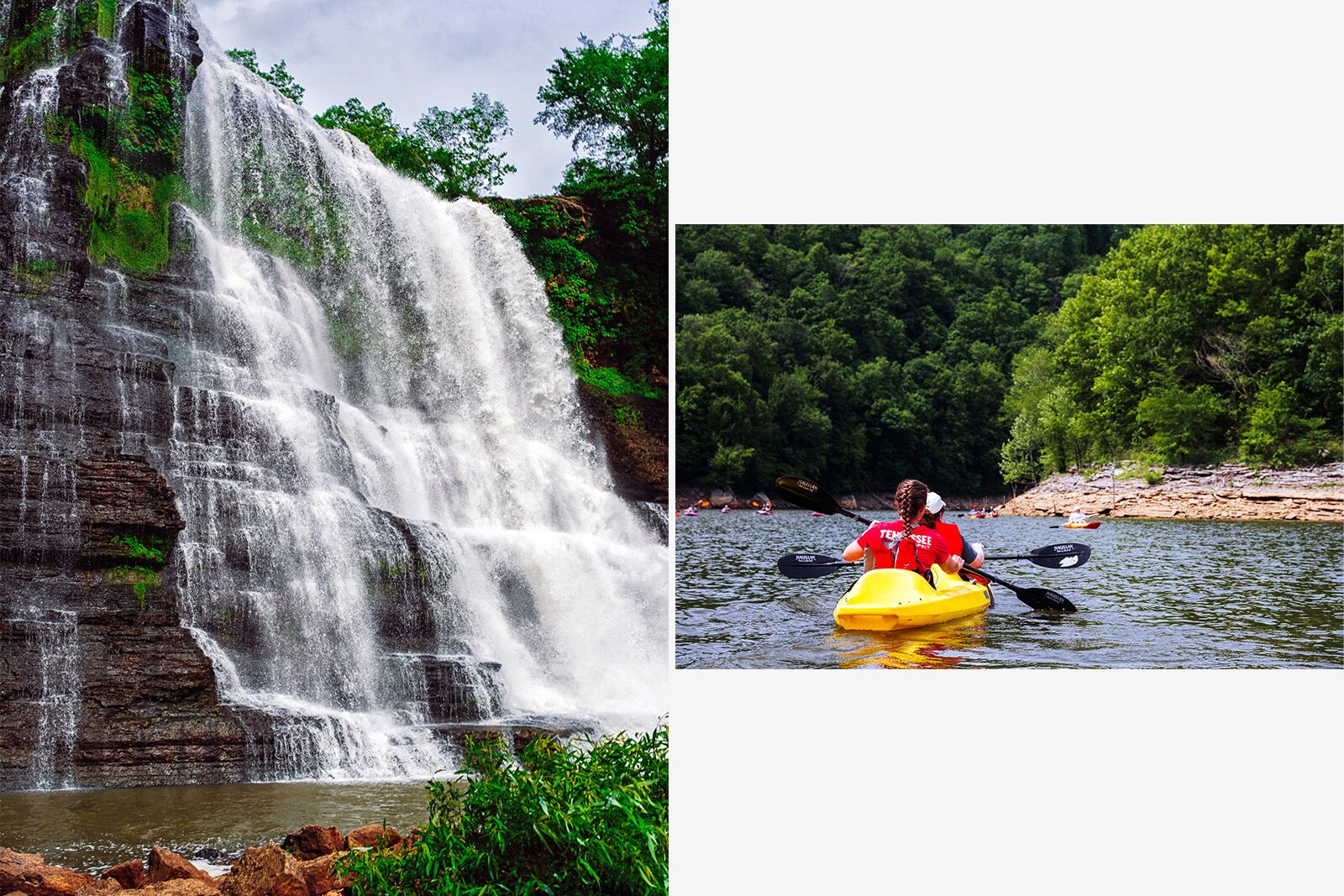
- Phase 4: The Aqueous Climax: The journey concludes with the power of water. Utilizing the legacy of the Tennessee Valley Authority’s mid-century dam projects, the region’s reservoirs offer a unique way to experience the terrain. A kayak journey through the slow-flowing Caney Fork River leads to the base of Burgess Falls, where the Falling Water River plunges 140 feet into a limestone gorge.
Supporting Data: Why the "Slow" Shift Matters
The rise of the "Slow Travel" movement is supported by a growing body of psychological research suggesting that "vacationing" without a structured, high-intensity goal can lead to a 30% increase in long-term stress recovery.
Furthermore, the regional economy of East and Middle Tennessee is seeing a shift in demographics. As of the 2025 Michelin American South selections, the region has gained international recognition for its culinary landscape. The Restaurant at RT Lodge in Maryville, for example, represents a shift toward "Appalachian Fine Dining." Executive Chef Trevor Stockton’s focus on preserving, pickling, and hyper-local sourcing is not just a trend—it is a response to a growing consumer demand for food that tells a story of place.
Official Perspectives and Local Stewardship
The stewardship of the "Peaceful Side" is a concerted effort between local businesses and conservationists.
"We aren’t just selling a room or a meal," says one proprietor at the Dancing Bear Appalachian Bistro. "We are selling the idea that you don’t have to be ‘doing’ anything to be ‘achieving’ something during your time off. The stillness of the Smokies is the product."
This philosophy is echoed by the Great Smoky Mountains Institute at Tremont, which advocates for "field-based" learning. By engaging with the park through a lens of naturalism rather than tourism, visitors leave with a deeper psychological investment in the land. This shift in perspective—from observer to participant—is the core goal of regional tourism boards currently promoting the Upper Cumberland.

Implications for the Future of Travel
The rise of the "Peaceful Side" and the Upper Cumberland as a slow-travel destination has significant implications for how we view American tourism:
- De-concentration of Traffic: By promoting the Tennessee entrance to the Smokies, the region is successfully mitigating the environmental degradation caused by over-tourism in the North Carolina corridors.
- Economic Resilience: Small-town districts, such as the WestSide District of Cookeville, are revitalizing their economies by leaning into their historic architecture and local artisan culture rather than attempting to compete with the high-gloss, high-cost models of larger cities.
- The "Third Space" Concept: Establishments like the Little Arrow Outdoor Resort and Five Meadows Farms are pioneering a new form of "boutique backcountry." By providing high-end amenities (hot tubs, sound baths) in raw, wild settings, they allow travelers to push their comfort zones without sacrificing the restorative quality of a high-end vacation.
Practical Considerations for the Traveler
For those planning to visit, the logistics are straightforward but require a change in mindset:

- Transportation: A rental car is mandatory. The region requires the flexibility to navigate the winding roads between Maryville, Townsend, and the Upper Cumberland.
- Temporal Awareness: Travelers must remain cognizant of the time zone shift. East Tennessee operates on Eastern Time, while the Upper Cumberland (Middle Tennessee) operates on Central Time. Failing to account for this "lost hour" can derail a carefully planned itinerary.
- Seasonal Dynamics: The region is most accessible in the shoulder seasons. While the Smokies are famous for autumn colors, the spring bloom and the quiet, mist-heavy mornings of late summer offer the best opportunities for "sound bath" style immersion.
Final Thoughts
When we strip away the need to check off the "top ten" sights, we are left with the texture of the world: the smell of pine resin on a damp trail, the sound of a distant waterfall, the taste of heirloom corn, and the cadence of a stranger’s voice in a small-town cafe.
I am not, by nature, a slow traveler. I am, like so many, a product of a society that rewards speed and efficiency. And yet, it is precisely people like me who need the "Peaceful Side of the Smokies" the most. To reset the body is one thing; to reset one’s understanding of what the world has to offer is a far more profound journey. As I sat at the base of Burgess Falls, the mist stippling my skin and the thunder of the water silencing the internal noise of my daily life, I realized that the best part of the trip wasn’t the destination at all—it was the decision to finally stop moving.
 Laily UPN
  Muslim
  Reynand Wu