
 By Laily UPN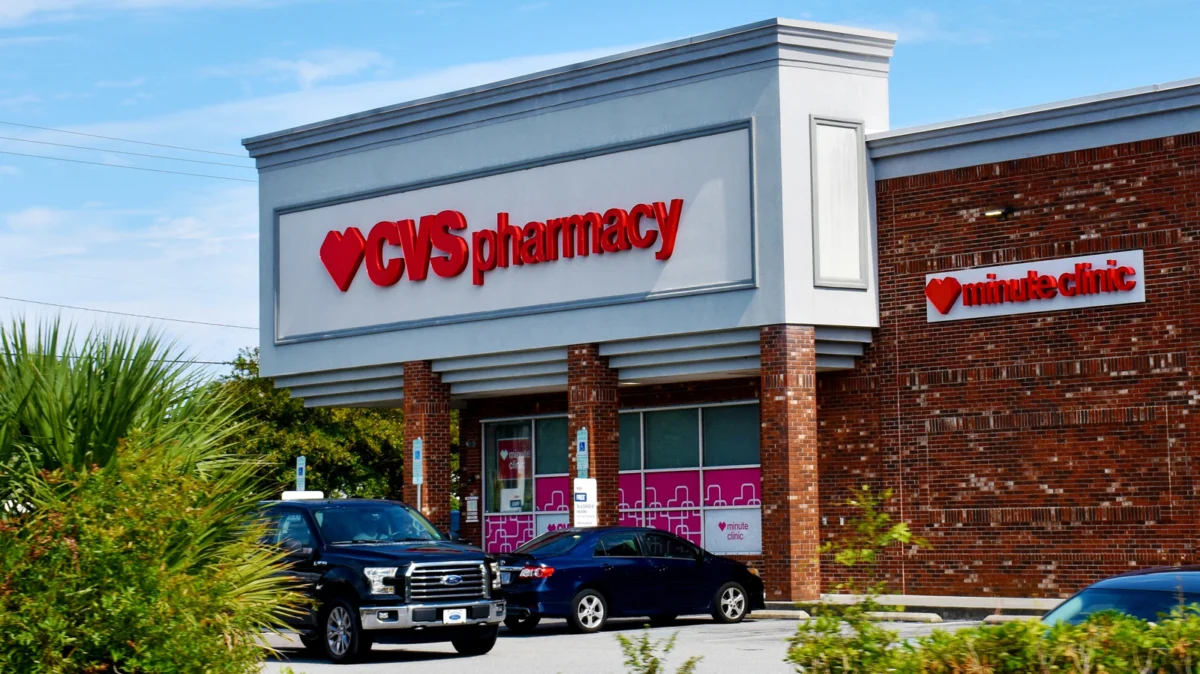
While most Americans still instinctively associate CVS with prescriptions, cold remedies, and holiday greeting cards, the retail giant has quietly transformed into a formidable player in the grocery sector. As the largest pharmacy chain in the United States—boasting a staggering 26.5% market share—CVS has leveraged its nearly 9,000 locations to redefine the "convenience" shopping experience.
For the modern consumer, the traditional grocery run is often time-consuming and overwhelming. CVS offers a streamlined, high-efficiency alternative, particularly for those looking to maximize the benefits of the industry-leading ExtraCare Rewards program.
The Evolution of a Consumer Value Store
To understand why CVS is becoming a grocery destination, one must look at its origins. Founded in 1963 in Lowell, Massachusetts, as "Consumer Value Stores," the company initially focused on health and beauty products. It wasn’t until 1967 that the first pharmacy departments were introduced.
This history is critical to its current success; unlike many grocery stores that added pharmacies as an afterthought, CVS was built on the foundation of consumer goods. Over the last decade, the company has strategically expanded its "food and beverage" footprint. Today, the shelves at your local CVS are no longer just for medicine; they are stocked with high-demand pantry staples, fitness-focused nutrition, and niche specialty items that are often harder to find in cavernous, big-box supermarkets.
The Strategic Advantage: Why Buy Groceries at a Pharmacy?
1. The ExtraCare Rewards Edge
The primary driver for shifting your grocery habits to CVS is the ExtraCare program. It is widely considered the gold standard in retail loyalty. Unlike programs that offer generic discounts, ExtraCare utilizes sophisticated data analytics to provide personalized coupons based on individual purchasing behavior. When combined with the "Extra Big Deals" sales events, the effective price of many staple items—from breakfast cereals to canned soups—frequently drops below the standard shelf price at conventional grocery chains.
2. Convenience and "Small-Format" Efficiency
In an era where time is a premium currency, the "warehouse club" model of buying in bulk is not always practical. CVS excels at the "small-format" experience. You can navigate the store in minutes, find exactly what you need without walking through massive produce aisles, and utilize same-day delivery or buy-online-pick-up-in-store (BOPIS) options.
A Curated Selection: Grocery Staples You Should Be Buying
DiGiorno Personal Size Pizzas
DiGiorno, the titan of the frozen pizza industry, has mastered the art of the "it’s not delivery" experience. While most supermarkets prioritize full-sized pies, CVS has become a go-to for the personal-size stuffed crust varieties. These are often missing from standard grocery inventories. Pricing remains highly competitive, often beating local grocery chains by significant margins, making them the perfect "quick meal" solution for students or busy professionals.
The Cereal Aisle: Post and Beyond
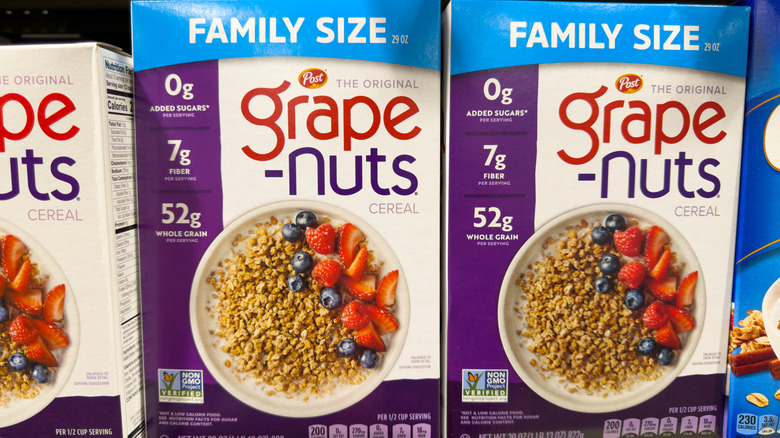
Post cereal, a brand that dates back to the 1897 invention of Grape-Nuts, is a staple of the American breakfast table. CVS maintains an aggressive pricing strategy on these items, frequently running sales that undercut regional discount grocers. Furthermore, CVS often stocks smaller, 11-ounce boxes of fan-favorites like Cocoa Pebbles—a size that is increasingly rare in large supermarkets that only want to push "family-size" boxes.
Protein Nutrition: CVS Whey and Alani Nu
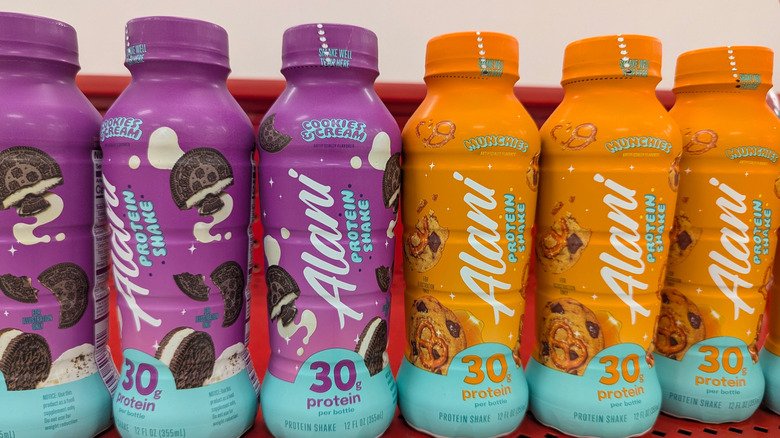
The shift toward high-protein diets, supported by the 2025 USDA Dietary Guidelines, has created a massive demand for accessible protein. CVS has answered this with its own brand of Whey Protein Powder. It provides a balanced macro profile (26g of protein, 150 calories) at a price-per-serving that is remarkably efficient for casual users.
For those seeking more premium options, CVS has secured shelf space for Alani Nu products—a fitness brand recently acquired for $1.8 billion. While these products are often relegated to niche supplement stores, finding them at a corner CVS provides a level of accessibility that big-box retailers currently lack.
The "Well Market" Advantage
In 2024, CVS launched its private label "Well Market," a brand specifically designed to cater to the wellness-conscious consumer. With over 60 varieties of nuts—ranging from sriracha cashews to honey-roasted pecans—this line offers a premium experience at a price point significantly lower than legacy brands like Planter’s. The high customer satisfaction ratings for these products suggest that CVS is successfully pivoting from a "junk food" convenience store to a health-conscious retailer.
Supporting Data: Why the Shift Matters
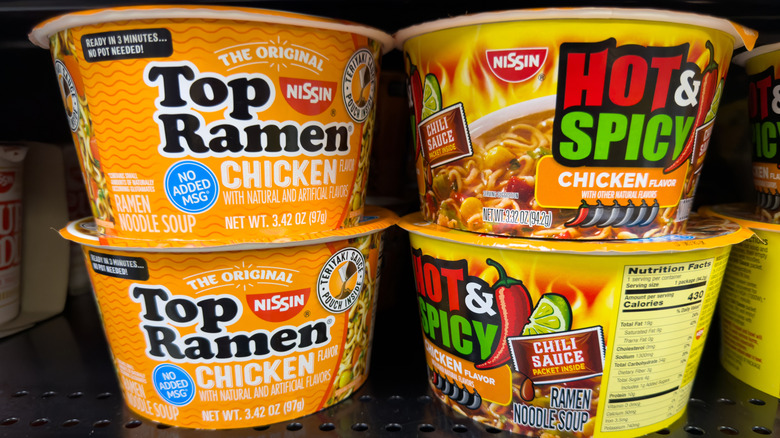
The move toward selling high-quality, shelf-stable groceries is a calculated business decision. According to recent market reports, the global ramen market alone is projected to reach $63 billion by 2026. By carrying staples like Nissin Top Ramen and Cup Noodles, CVS taps into this massive demographic.
Furthermore, the brand’s ability to stock "specialty" items like Bobo’s Oat Bars—a niche, socially responsible brand that isn’t yet in every supermarket—allows them to capture a younger, more discerning demographic that values ethical consumption and unique, gluten-free options.
Official Corporate Strategy and Implications
CVS Health has not publicly released specific revenue breakdowns for its "food and grocery" segment, but industry analysts point to the "Front Store" (the non-pharmacy section) as a critical pillar of their long-term growth strategy. By transforming the store into a "one-stop shop" for health, beauty, and sustenance, CVS increases customer "dwell time."
The Implications for Consumers:
- Cost Efficiency: By utilizing digital coupons and app-based rewards, consumers can hedge against grocery inflation.
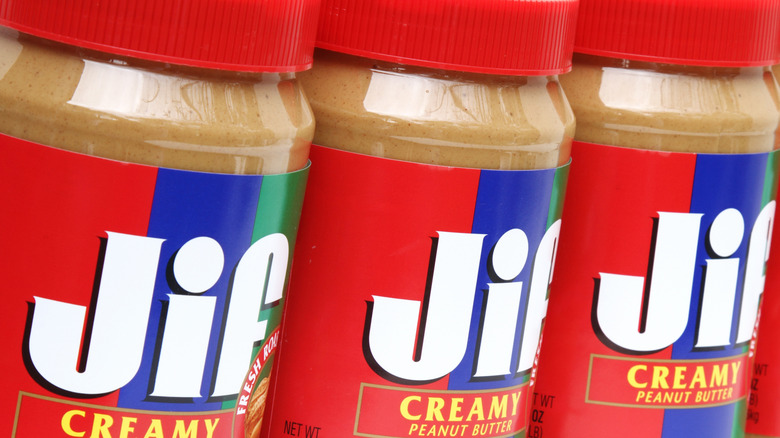
- Reduced Waste: Smaller, appropriately sized containers (like the 1-pound jars of Jif/Skippy peanut butter) reduce the risk of food spoilage for single-person households.
- Accessibility: For those living in urban "food deserts," the ubiquity of CVS locations provides access to essential nutrition that might otherwise require a long commute to a distant supermarket.
Future Outlook: The "Neighborhood Pantry"
Looking ahead, we can expect CVS to further refine its grocery offerings. As the company continues to integrate its "HealthHUB" model—which includes primary care services—the synergy between nutrition and medicine will become more pronounced.
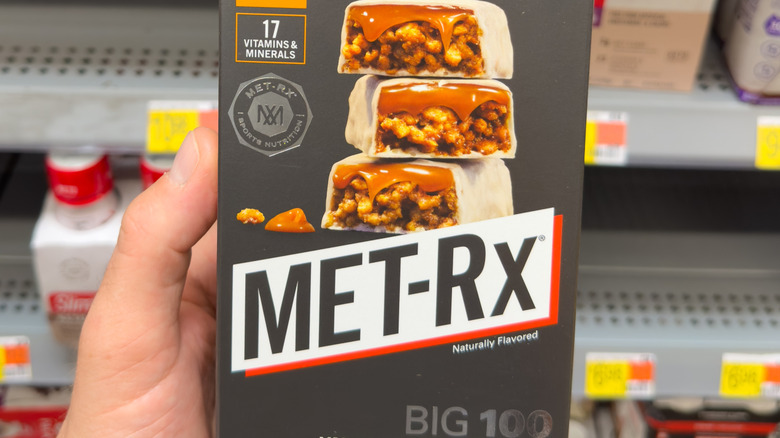
Whether you are looking for a quick, high-protein snack after a workout, a reliable bag of Café Bustelo coffee for your morning ritual, or a convenient pack of Capri-Sun for a family outing, CVS has proven that it is no longer just a pharmacy. It is a neighborhood pantry, an efficient marketplace, and a strategic partner in the modern consumer’s lifestyle.
Next time you head to the pharmacy to pick up a prescription, take a second look at the aisles. You might find that the items you need for the week are not just available—they are better priced, more accessible, and waiting for you just around the corner.
 Azzam Bilal Chamdy
  Lina Irawan
  Lina Hope