
 By Nana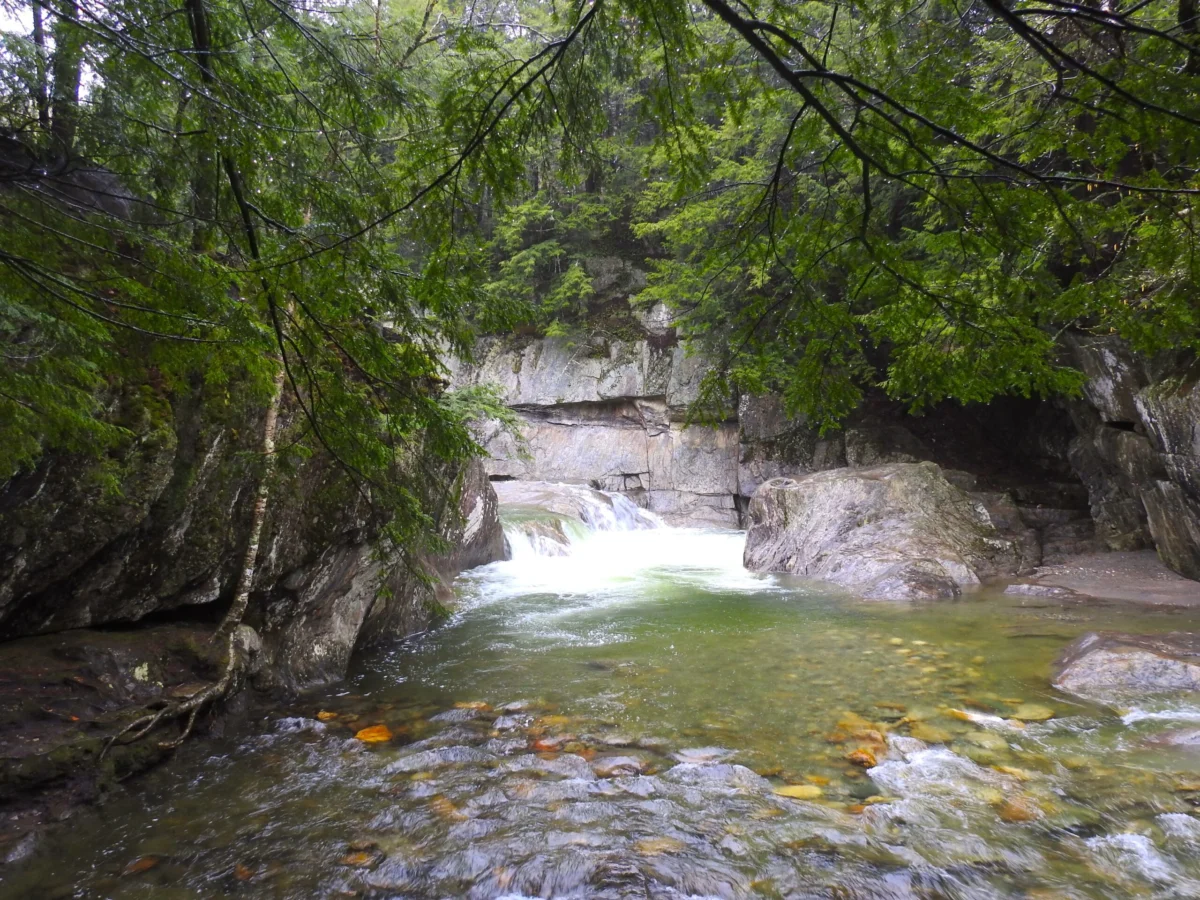
From the glacial runoff of Maine’s granite basins to the geothermal warmth of Florida’s hidden sinkholes, the United States offers a diverse tapestry of aquatic landscapes. For the adventurous traveler, finding the perfect swimming hole is more than just a search for relief from the summer heat; it is an exercise in ecological immersion. This guide explores nine of the most significant natural swimming destinations in the U.S., detailing the geography, logistics, and environmental stewardship required to enjoy them responsibly.
Main Facts: The Geography of American Swimming
The United States boasts a unique geological variety that allows for vastly different swimming experiences. These sites are categorized by their formation, ranging from tectonic lake basins and river-carved canyons to volcanic craters and subterranean aquifers.
- Yosemite National Park, California: A rare instance where federal conservation policy permits swimming in the vast majority of its waterways, including the iconic Merced River.
- Devil’s Den, Florida: A 50-foot-deep subterranean karst sinkhole that maintains a constant 72-degree temperature year-round.
- Warren Falls, Vermont: A series of emerald-to-turquoise pools carved by the Mad River within the Green Mountain National Forest.
- Lake Tahoe, California/Nevada: The second-deepest lake in the United States, renowned for its clarity and expansive, boulder-strewn shoreline.
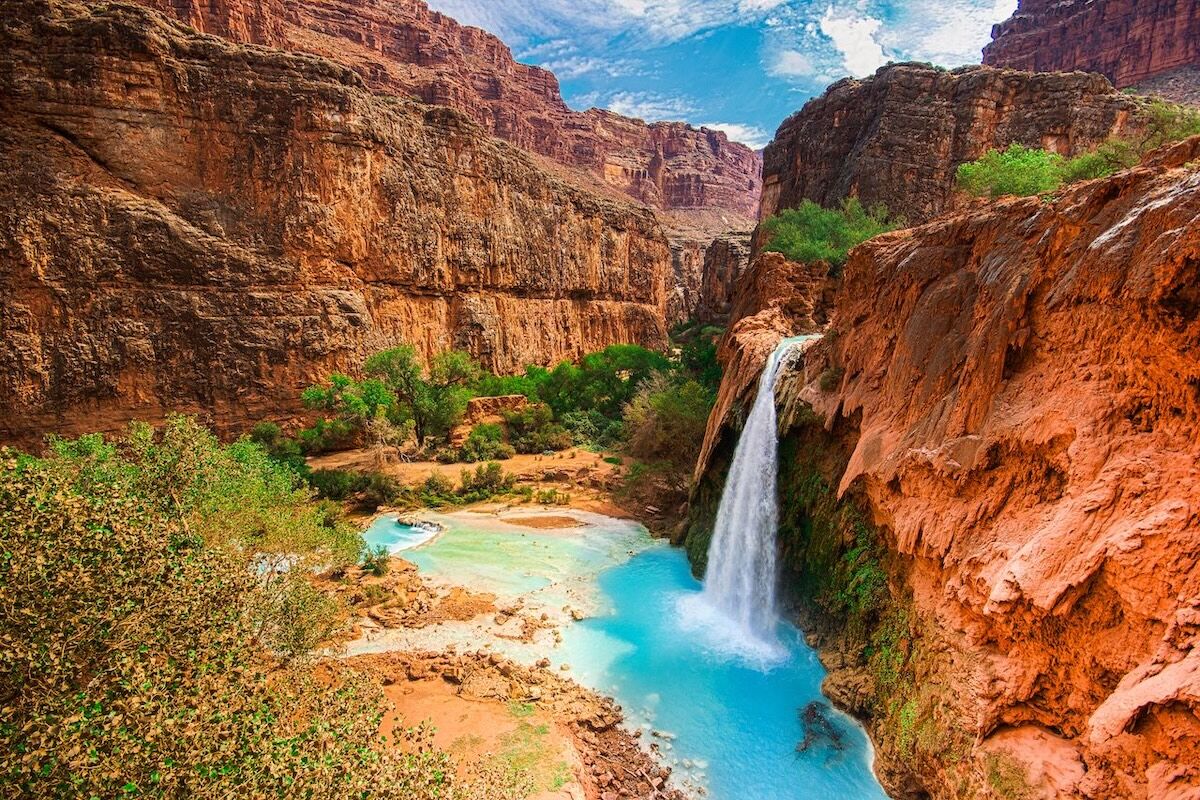
- Havasupai Falls, Arizona: An oasis at the base of the Grand Canyon, characterized by vivid turquoise water contrasting against orange travertine cliffs.
- Johnson’s Shut-Ins State Park, Missouri: A geological phenomenon where igneous rock constricts the East Fork Black River, creating natural water slides and wave pools.
- Crystal River National Wildlife Refuge, Florida: A critical sanctuary for West Indian manatees, offering seasonal opportunities for low-impact wildlife interaction.
- Sebago Lake, Maine: A glacier-fed expanse in the White Mountains, serving as a historic example of early American state park conservation.
- Hanauma Bay Nature Preserve, Hawaii: A protected marine ecosystem formed within a volcanic tuff ring, now a global benchmark for marine conservation.
Chronology of Conservation: From Royal Grounds to State Parks
The evolution of these swimming sites reflects a shifting national philosophy toward land use. In the 19th and early 20th centuries, many of these sites were utilized primarily for subsistence or industry.
Hanauma Bay, for example, served as an exclusive retreat for Hawaiian royalty, who utilized the bay for fishing and recreation. By the mid-20th century, the surge in tourism threatened the delicate coral reef ecosystems, leading to the bay’s designation as a Marine Life Conservation District in 1967. Similarly, Sebago Lake in Maine was among the first five state parks established in the U.S., signaling an early awareness of the need to protect the granite-basin watershed from encroaching development.
More recently, sites like the Havasupai Falls have seen a shift toward restricted access. By implementing a strictly regulated lottery system for camping permits, the Havasupai Tribe has prioritized the cultural and environmental preservation of their ancestral lands over the demand for unrestricted mass tourism.
Supporting Data: Understanding the Ecosystems
Each site functions as a distinct biological system. Understanding the science behind these waters enhances the swimming experience and reinforces the need for safety.
Thermal Dynamics
In Florida’s Devil’s Den, the water remains a constant 72 degrees Fahrenheit due to its subterranean source. The steam emitted from the cave mouth—the namesake of the site—is a result of this temperature differential between the water and the ambient Florida air. Conversely, Lake Tahoe’s immense depth (over 1,600 feet) and high altitude result in cold, deep-water temperatures that rarely exceed 68 degrees, even in the height of summer, necessitating caution for those sensitive to hypothermia.
Geological Features
Johnson’s Shut-Ins in the Ozarks represents a rare geological “shut-in,” where the river channel is forced through narrow gaps in hard, erosion-resistant igneous rock. This creates varying flow rates, from tranquil pools to high-velocity chutes. In the Grand Canyon, the Havasu Falls are colored by high concentrations of dissolved calcium carbonate, which creates the iconic blue-green hue through light scattering.
Official Responses and Regulatory Frameworks
Government agencies and local stakeholders have implemented rigorous standards to maintain these sites.
The Role of Stewardship
The National Park Service (NPS) and various state park authorities emphasize "Leave No Trace" principles. In Yosemite, officials maintain that while swimming is encouraged, it is contingent upon the public’s ability to prevent contamination of the Merced River watershed.
In Crystal River, the regulations are even more stringent. During manatee season (November 15 to March 31), the U.S. Fish and Wildlife Service closes parts of the Three Sisters Springs to human swimming to minimize stress on the endangered manatees. These closures are not suggestions; they are federal regulations enforced to protect vulnerable populations.
Safety Protocols
Safety is a recurring theme in official park literature. At Warren Falls, Vermont, the Forest Service cautions against the risks associated with cliff jumping, a popular but dangerous activity. Similarly, at Lake Tahoe’s Sand Harbor, the park service emphasizes the importance of utilizing designated swimming zones to avoid conflicts with motorboats and personal watercraft.
Implications for Future Tourism
As climate change impacts water levels and water temperatures across the United States, the management of these sites will become increasingly complex.
The Cost of Access
There is an increasing trend toward "gated access" to preserve the integrity of natural resources. The Havasupai permit system, which can cost $150 per person, per night, is a model that other high-demand natural sites may eventually follow. While this limits accessibility, it serves as an essential tool to mitigate the "over-tourism" that has led to degradation in other parts of the world.
Environmental Impact
The environmental footprint of a visitor is a critical implication for the future. Chemical sunscreen runoff, litter, and soil erosion are the primary threats to these delicate ecosystems. In Hanauma Bay, visitors are often required to watch educational videos on reef etiquette before entering the water, a proactive measure that highlights the shift from "passive consumption" of nature to "active stewardship."
Conclusion: A Call to Responsible Exploration
Swimming in the United States’ natural waters is a privilege, not a right. Whether one is navigating the cool currents of the Merced River or snorkeling with sea turtles in the protected waters of Oahu, the mandate remains the same: leave the water as clear as you found it.
As the popularity of these "hidden gems" grows, the responsibility of the traveler becomes paramount. By respecting seasonal closures, adhering to tribal and federal permit requirements, and observing wildlife from a respectful distance, swimmers can ensure that these iconic American landscapes remain preserved for future generations. The next time you find yourself at the edge of a mountain pool or a desert oasis, remember that your presence has an impact. Choose to be a guardian of the water, ensuring that the beauty of these natural swimming holes remains untarnished by the very people who seek them out for inspiration and recreation.
 Lina Irawan
  rifanmuazin
  Basiran